Cardiff Weather By Month: What To Expect Through The Year
Cardiff sits on the Bristol Channel, which shapes everything about its weather: mild, changeable, rarely extreme, and wetter than most visitors expect. Here is how the year actually unfolds, month by month.
Short answer
Cardiff has a temperate maritime climate. July is the warmest month with average highs 20°C, while February is the coldest with highs near 8°C and lows 3°C. Rain falls year-round, peaking in November and easing most in April. The most reliable window for outdoor plans is late June to early September.
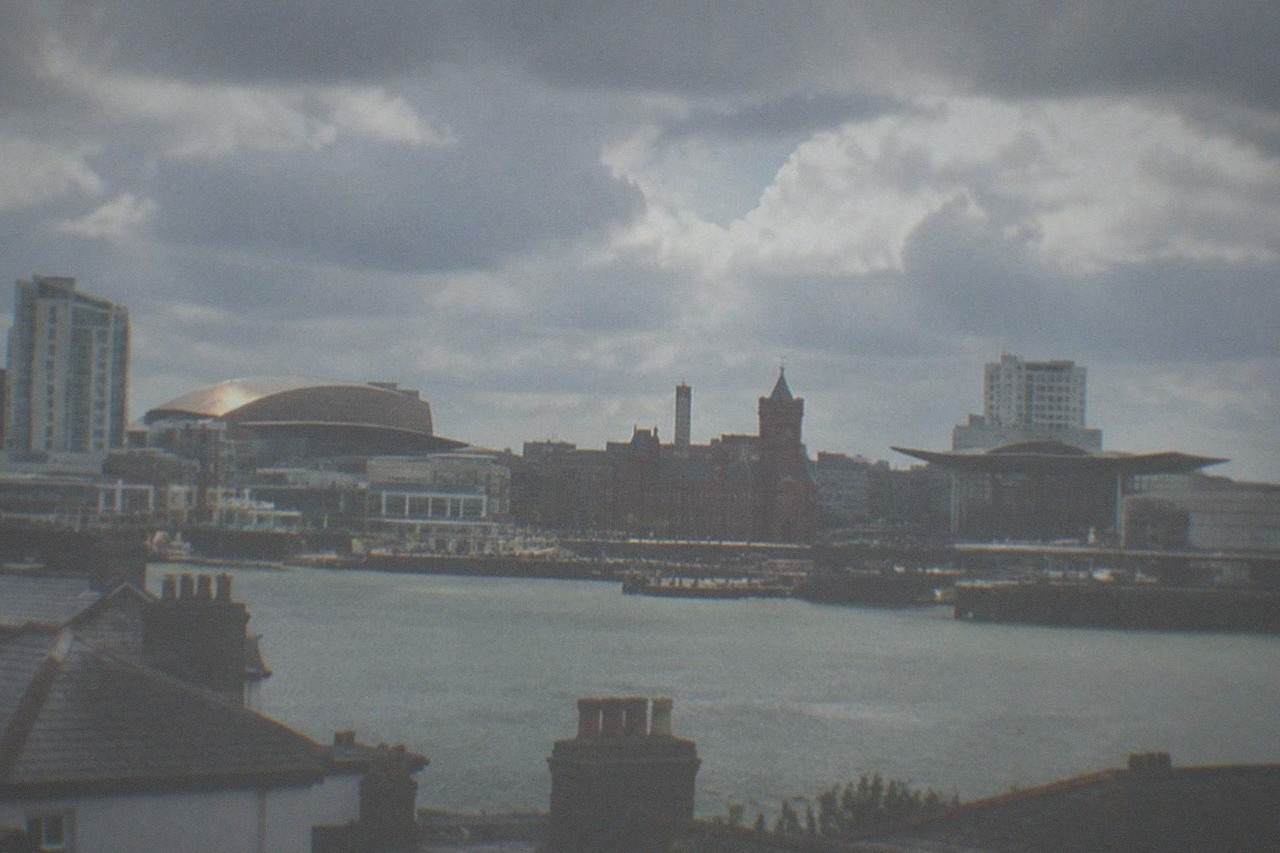
Cardiff's weather is a coastal story. The city sits at the mouth of the Rivers Taff and Ely, opening onto the Bristol Channel, and that body of water moderates everything: winters stay milder than inland Britain, summers stay cooler than London, and the wind can arrive without much warning. Rain is a constant background fact rather than an event. The Cardiff Travel Guide desk has pulled the climate record and the freshest operational details together here so you can plan around the city as it actually behaves, not as a brochure imagines it.
One thing worth saying early: Cardiff weather is rarely dramatic. It is rarely boiling, rarely frozen, and rarely dry for long. That makes it easy to pack for and hard to guarantee sunshine for. This guide walks through the year month by month, then gets practical about packing, rain plans, and how the weather should shape your choice of day trips.
What Is The Weather Like In Cardiff Overall?
Cardiff has a temperate maritime climate with no dry season and no extreme season. July averages highs 20°C with lows near 13°C, while February, the coldest month, averages highs of 8°C and lows 3°C. Rain is distributed across all twelve months, heaviest in November and lightest in April. The practical takeaway is layers, not a wardrobe swap.
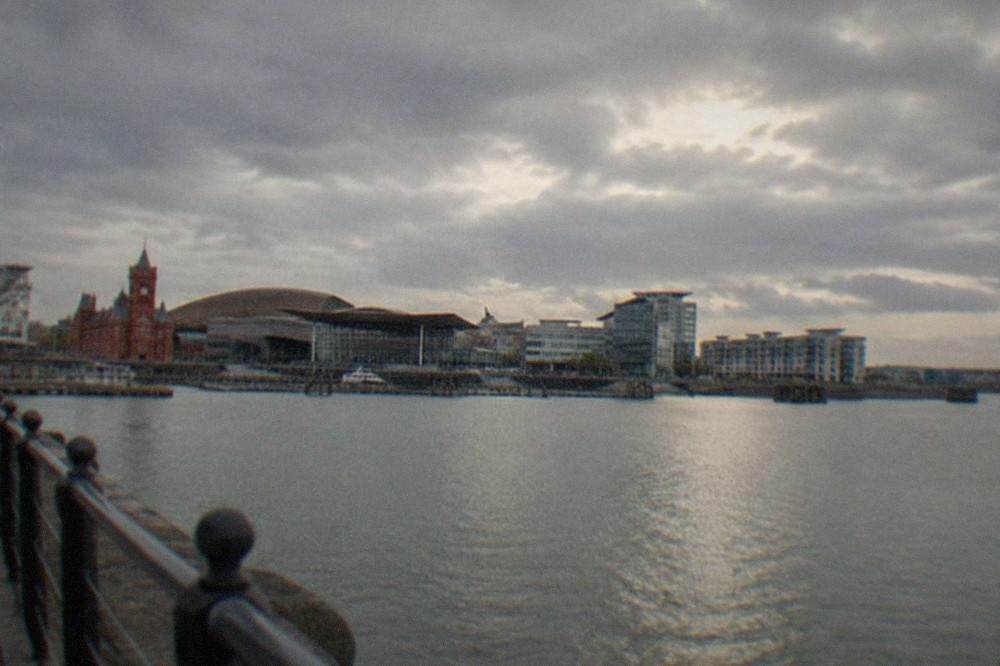
The Bristol Channel does most of the work. Water heats and cools more slowly than land, so the sea buffers Cardiff's temperature in both directions: winter cold snaps are softened, summer heat rarely builds. The same geography means weather systems arriving off the Atlantic reach South Wales quickly, and forecasts can change inside a single afternoon. Locals plan around this by keeping options fluid, a pint in an arcade, a museum, a walk that can be shortened.
For official numbers rather than a travel writer's shorthand, the Met Office publishes UK climate averages from the station nearest to Cardiff, and that table is the reference to consult if you need precise monthly normals, because those figures are refreshed by the Met Office itself rather than repeated from memory here: Met Office UK climate averages for the Cardiff area.
The other framing fact: Cardiff is a city where the outdoors is genuinely usable most of the year. Bute Park opens daily from 7:30am and locks 30 minutes before sunset, with locking times posted weekly and shifting through the seasons, 6:30-7:15pm in a typical September. The Cardiff Bay Barrage is a free, open walking and cycling route with no admission fee at all. Neither depends on good weather, but both are far better in it, and both tell you how the city's rhythm tracks the light.
Cardiff Weather By Month: The Full Breakdown
The year divides into four practical blocks rather than twelve equal months. Late June to early September is the warm window, with July highs 20°C. October and November bring the heaviest rain. December to February is cool and short on daylight, with February the coldest at 8°C highs. March to May is the driest and most changeable stretch, with April the lowest-rainfall month.
Here is the month-by-month read. Where a number appears, it comes from the climate record; where a month is described in words, that is because the honest answer is a character, not a decimal.
| Month | Typical character | What it means for your visit |
|---|---|---|
| January | Cool, damp, short days | Indoor-heavy plans; museums and arcades earn their keep |
| February | Coldest month, highs 8°C, lows 3°C | Wrap up; empty queues at the castle make up for the chill |
| March | Slow brightening, blustery | Good value period; layers still essential |
| April | Lowest rainfall of the year | One of the best months for walks and parks |
| May | Mild, lengthening days | Comfortable for day trips into the Valleys and Gower |
| June | Warm start to the reliable window | Long evenings; Bute Park at its best |
| July | Warmest month, highs 20°C, lows near 13°C | Peak outdoor season; book ahead everywhere |
| August | Warm, busier, occasional downpours | School holidays fill attractions; coastal trips shine |
| September | Mild, softer light, quieter | Arguably the best balance of weather and crowds |
| October | Cooling fast, rain building | Waterproof over sunglasses; bay walks still fine |
| November | Wettest month of the year | Museum city; plan flexible days |
| December | Cool, festive, early darkness | Christmas Market runs 12 November to 23 December 2026 |
Two months deserve special mention because they anchor most people's planning errors. July is warm, not hot: 20°C is a pleasant Cardiff summer day, and anyone packing for Mediterranean heat will be over-dressed by afternoon and cold by evening. November is the month that catches visitors out in the other direction, because the rain is steady rather than dramatic, and a day that starts dry can finish soaked without ever looking threatening at breakfast.

If you are planning a full city day around the castle and the National Museum, weather matters less than you would think, because both sit close together and the museum is free, so a wet hour costs you nothing but time. A guided day tour that strings the castle, the museum and the city's highlights together handles the transitions for you, and the current operator listing shows live dates and availability.
The seasonal swing in daylight is worth planning around as much as the temperature. Midsummer gives you long evenings that stretch well past 9pm, ideal for a late stroll along the Barrage. Midwinter closes the daylight by 4:30pm, which compresses any itinerary built around outdoor sightseeing and pushes the sensible day towards a late museum start and an early pub finish.
Which Is The Wettest Month In Cardiff?
November is the wettest month in the Cardiff climate record, and the autumn stretch from October through December carries the most consistent rain. April is the driest month, and the late spring period generally offers the best balance of low rainfall and lengthening daylight. Rain still falls in every month, so a waterproof is a year-round item.
The pattern matters more than the totals. Cardiff rain in November tends to arrive as long grey stretches rather than violent storms, which is why locals treat it as a background condition. The same is true in a lesser key for October. By contrast, summer rain in Cardiff often comes as short, heavy showers that pass through in an hour and leave bright streets behind, which is why a summer downpour rarely ruins a whole day.
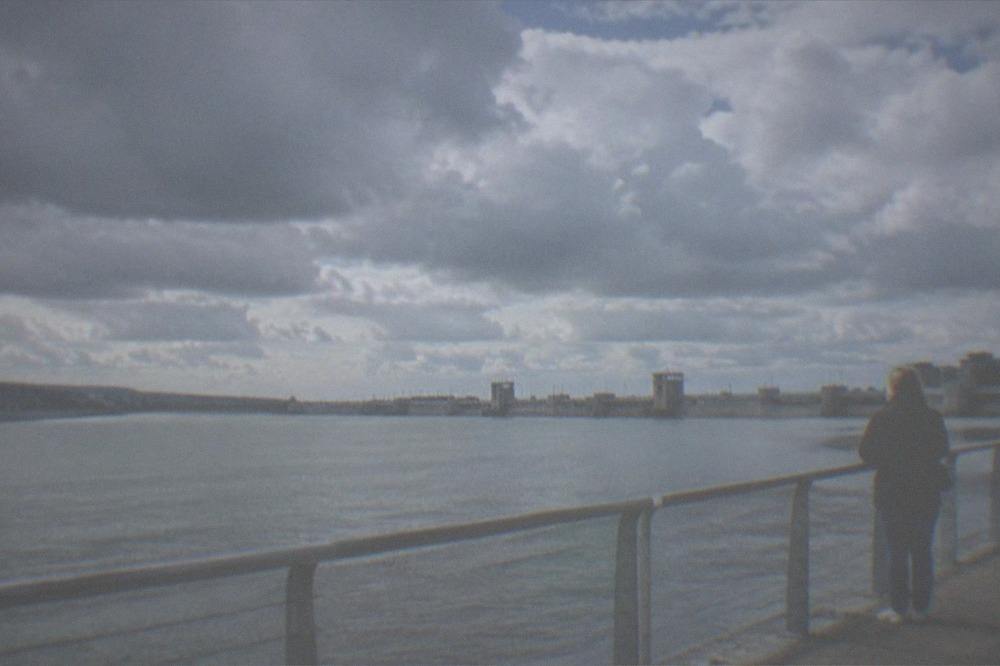
Wind deserves a mention alongside rain. The Bristol Channel funnels Atlantic weather, and the exposed stretches, the Barrage, the Penarth seafront, the Rhossili clifftops on a Gower day trip, take the full force of it. A breezy day on paper can feel genuinely cold on the waterfront even in July, and a calm November afternoon can feel milder than the thermometer suggests. Check the wind forecast separately from the rain forecast when your plans involve the coast.
The free options stay open in the wet. The National Museum Cardiff is free entry, open Tuesday to Sunday 10:00-17:00 with galleries closing 16:45 and Mondays closed. St Fagans National Museum of History is also free, open daily 10:00-17:00, with parking at £7 for the day. The Senedd and the Wales Millennium Centre foyer are free public spaces. A genuinely wet Cardiff day can therefore cost you almost nothing beyond a bus fare and lunch.
When Is The Best Time To Visit Cardiff For Good Weather?
Late June to early September is the most reliable window for warm, dry-ish weather, with July the warmest month at 20°C average highs. September is the smart pick within that window, offering mild conditions with thinner crowds after the school holidays. April is the best shoulder-season month, combining the lowest rainfall of the year with spring light.
The trade-offs are predictable. July and August bring the best weather and the biggest crowds, and Cardiff's event calendar stacks up in summer too, with castle concerts in June and July 2026 forcing early closures and full closures of Cardiff Castle on specific dates, so a summer visit needs a check of the castle's own opening-times page before you commit: Cardiff Castle times and prices. September strips most of that away while keeping daytime temperatures pleasant and the sea at its warmest of the year.
Winter has its own case. February is cold and February is quiet, and the major indoor attractions, the castle's apartments, the museum galleries, a Principality Stadium tour at £19.50 online for adults, are all built for it. The Christmas Market, confirmed for 12 November to 23 December 2026 with 70 stalls, turns the city centre into a reason to visit rather than a reason to defer. For a fuller weighing of seasons against crowds and prices, see the companion piece on the best time to visit Cardiff.
What Should You Pack For Cardiff In Each Season?
Pack for changeability in every season. Summer needs light layers plus a jumper and a light waterproof for evenings 13°C. Spring and autumn need a warm midlayer, a proper waterproof and comfortable water-resistant shoes. Winter needs a proper coat, hat and gloves for lows 3°C in February, plus shoes that can handle wet pavement. An umbrella is a year-round item.
The single most common packing mistake is treating a Cardiff summer forecast like a southern-European one. A 20°C afternoon can drop towards 13°C after sunset, and the waterfront wind takes another few degrees off. The second most common mistake is bringing only trainers: Cardiff's rain is frequent enough that soaked shoes are a real risk from October through March.
| Season | Months | Core packing list | Footwear |
|---|---|---|---|
| Summer | June to August | T-shirts, light jumper, waterproof, sunglasses | Trainers fine; sandals risky on wet stone |
| Early autumn | September | Layers, light coat, compact umbrella | Trainers or light boots |
| Late autumn | October to November | Warm midlayer, proper waterproof, hat | Water-resistant shoes or boots |
| Winter | December to February | Winter coat, hat, gloves, scarf | Boots with grip |
| Spring | March to May | Layers, waterproof, light gloves in March | Water-resistant shoes |
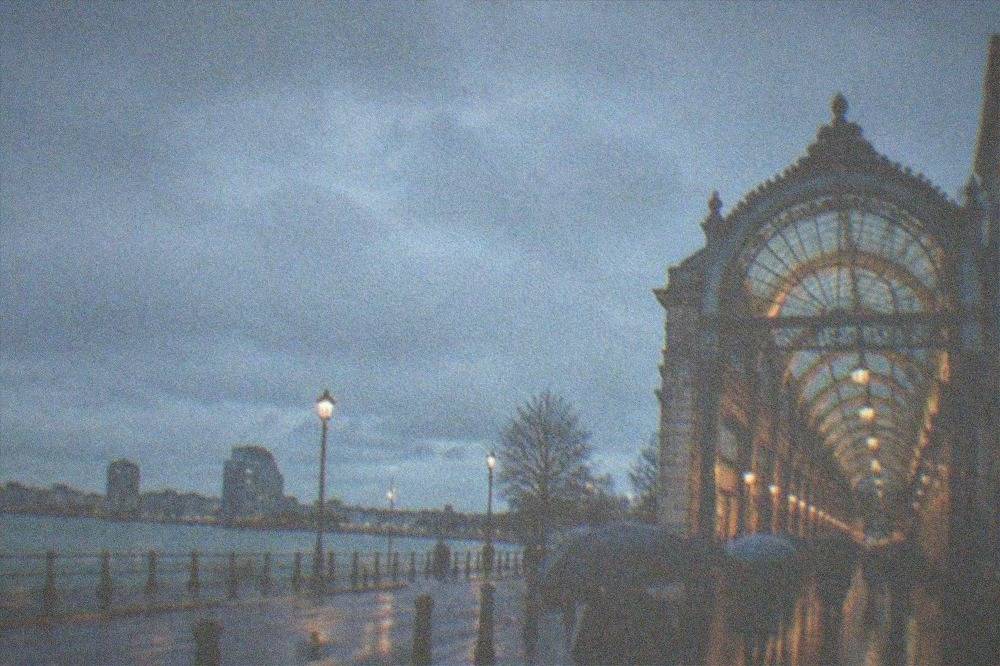
One Cardiff-specific note: the arcades change the equation. The Victorian and Edwardian arcades, Castle, High Street, Morgan and Royal among them, are covered, which means a shopping or coffee morning in central Cardiff is a genuinely dry activity, not a compromise. Rain in Cardiff moves people into the arcades rather than off the streets, and the rainy day guide to Cardiff covers that circuit in detail.
How Does Weather Affect Cardiff Events And Rugby Weekends?
Rugby and concert weekends override weather planning entirely, because the city fills regardless of the forecast. Principality Stadium events close stadium tours on match and event days, and Six Nations weekends in February and March bring cold-weather crowds into the city centre. Summer castle concerts from June to July 2026 force early closures and full closures at Cardiff Castle on specific dates, so check before booking.
The stadium point matters for itinerary planning. A Principality Stadium tour runs typically Monday to Saturday, 10:00-17:00, and costs £19.50 online for an adult, but tours do not run on match days or event days, and the November 2026 calendar already lists several no-tour dates. If a stadium tour is on your list, book it around the event calendar rather than the weather forecast, because the calendar is the harder constraint. The same logic applies in December 2026, when a major boxing event takes over the stadium and the surrounding streets.
Six Nations weekends land in the coldest part of the year and nobody cares. Wales home fixtures in February and March fill Westgate Street and St Mary Street with crowds in coats and rugby shirts, and the atmosphere is a winter attraction in its own right. Pack for February's 3°C lows if you are going, and expect hotels to be scarce and priced accordingly. The dedicated Six Nations in Cardiff guide covers tickets and timing.
Summer events have the opposite problem: good weather draws everyone to the same outdoor spaces. Bute Park's event programme, including food festivals and the Christmas light trail that drew 94,000 visitors across its 2025-26 season, concentrates crowds in fair-weather windows. If your visit collides with a castle concert or a park festival, expect the green spaces to be busy even when the rest of the city is not.
Does Cardiff Weather Change Your Day Trip Options?
Yes, significantly. Coastal and upland day trips are weather-dependent in ways the city is not. The Gower Peninsula and Rhossili Bay are superb in summer but exposed and cold in a winter wind, and the waterfalls of Bannau Brycheiniog are actually at their best after rain, when the falls run full. Bannau Brycheiniog National Park sits 40-50 miles and 1-1.5 hours' drive from Cardiff, so check the forecast before committing.
The waterfalls point is the counterintuitive one. The Four Waterfalls walk in the Melte valley is a better outing in wet weather than dry, because Sgwd yr Eira and its neighbours need rain to perform. A guided waterfalls day tour from Cardiff handles the driving and the route-finding, rated 4.9 across 74 reviews, and the live listing shows current dates. Parking at Gwaun Hepste car park costs £6 with limited spaces, which is worth knowing before you set off independently.
Coastal trips invert that logic. Rhossili Bay on the Gower, often called one of Britain's finest beaches, is a glorious summer objective and a bleak one in a February gale. The National Trust car park at Rhossili charges £4 for up to two hours or £8 for longer, free for members, and the car parks fill before noon on warm long weekends. Penarth, 15 minutes from the centre with its Victorian pier, works in almost any weather, and Barry Island's Whitmore Bay holds a Seaside Award for 2026. The beaches near Cardiff guide ranks the options by season.
| Day trip | Distance from Cardiff | Best weather window | Notes |
|---|---|---|---|
| Penarth seafront | 15 minutes | Any season | Victorian pier; works in almost any weather |
| Barry Island | 30 minutes' drive | May to September | Whitmore Bay holds a Seaside Award for 2026 |
| Bannau Brycheiniog (Brecon Beacons) | 40-50 miles, 1-1.5 hours | May to October for the hills | Mountain weather is harsher than the city forecast |
| Four Waterfalls walk | Within the national park | After rain, autumn to spring | Falls run fullest in wet weather; parking £6 at Gwaun Hepste |
| Gower Peninsula and Rhossili Bay | Under 2 hours | June to September | Car park £4 up to 2 hours, £8 longer; fills before noon on warm days |
| Caerphilly Castle | Short drive or train from Cardiff | Any season | Mostly outdoor ruins; wrap up in winter |
One safety note for the uplands: the Central Beacons Mountain Rescue Team recorded 182 callouts in 2025, its busiest year in 62 years of operation, and the national park authority has flagged increasing pressure from ill-prepared visitors. If you are walking Pen y Fan or the waterfalls trails in poor conditions, go equipped, check the forecast, and treat the mountain weather as a separate, harsher forecast from the city's. The park's own guidance is the reference for trail conditions.
What Are The Best Rainy Day Plans In Cardiff?
Cardiff handles rain better than most British cities because its best indoor attractions are free and central. The National Museum Cardiff and St Fagans both cost nothing to enter, the Victorian arcades are covered shopping streets, and the castle's apartments and wartime shelters are indoor experiences. A wet day can be structured entirely around free entry, with Cardiff Market, open Monday to Saturday 08:00-17:00, as the lunch stop.
The museum cluster is the anchor. National Museum Cardiff holds Welsh art, natural history and the Evolution of Wales galleries with their dinosaurs and mammoths, and it is open Tuesday to Sunday. St Fagans, a short bus ride west, is an open-air museum, so it is better in dry weather, but its historic buildings, including the castle, give partial shelter, and it was named the UK's best free-to-visit day out in a 2026 Which? analysis with a 94% score. Both are Welsh Government funded and free at the door.

For structure on a wet day, a guided walking tour keeps you moving between shelters with a local who knows the shortcuts. The city highlights walking tour, rated 4.8 across 127 reviews and running around two hours, strings the castle quarter, the arcades and the civic centre together, and much of its ground is under cover or close to it. Check availability on the live listing for current departure times.
There is also a free option that works rain or shine. Blodwen the Welsh Woman's Best Bits of Cardiff is a live, English-language walking tour on GuruWalk, rated 4.98 across 111 reviews, tip-based rather than ticketed. It is the one genuinely free guided introduction to the city, and a wet afternoon is exactly when a local guide's knowledge of covered routes pays for itself: See This Free Tour On GuruWalk.
Does Cardiff Weather Vary That Much From The Rest Of Wales?
Not dramatically, but the coast softens it. Cardiff, on the Bristol Channel, runs milder in winter and cooler in summer than the Welsh uplands, where Bannau Brycheiniog can hold snow when the city is at 5°C. West Wales and the Pembrokeshire coast share Cardiff's maritime pattern but with more wind. The practical rule is that mountain forecasts are always harsher than Cardiff's.
This matters most for day trips. A Cardiff forecast of 12°C and light rain can mean 4°C, low cloud and poor visibility on Pen y Fan, an hour's drive north. The mountain rescue figures quoted earlier are the sharp end of that gap. Equally, a bright Cardiff morning can mean fog on the Gower coast, because sea fog behaves on its own schedule. Treat any forecast for upland or coastal destinations as a separate question, and check the specific area rather than extrapolating from the city.
Within Cardiff itself, microclimates are minor but real. The Bay is windier and feels colder than the sheltered civic centre. Bute Park, with its tree cover, holds dampness after rain longer than open streets. Llandaff, slightly elevated and west of the centre, catches a little more of the arriving weather. None of this changes what you pack, but it changes which end of the jacket spectrum you reach for on a marginal day.
The long-range planning conclusion is straightforward. Aim for late June to early September if warmth is the priority, September for the best weather-to-crowds ratio, April for the driest shoulder season, and February or a December weekend if you want the city to yourself and are dressed for it. Whatever the month, keep one indoor option in your back pocket, because Cardiff rewards travellers who treat the forecast as a starting point rather than a promise.
If a flexible day tour would take the weather-reading off your plate, the castle-and-museum day tour and the Cardiff Bay boat trip below are the two most weather-tolerant ways to spend a day in the city, one mostly indoors, one on the water with covered seating.
Common Questions About Cardiff Weather
What Is The Wettest Month In Cardiff?
November. The Cardiff climate record shows rainfall peaking in November and across the autumn stretch from October to December, with April the driest month of the year.
What Is The Warmest Month In Cardiff?
July, with average highs 20°C and average lows near 13°C. August runs close behind, and the warm, most reliable window for outdoor plans runs from late June to early September.
What Is The Coldest Month In Cardiff?
February, with average highs 8°C and average lows 3°C. The maritime influence keeps Cardiff milder than inland Britain at the same latitude, so snow and prolonged frost are uncommon in the city itself.
Does It Rain All The Time In Cardiff?
Rain falls in every month, but not all the time. Summer rain tends to arrive as short, heavy showers, while autumn and winter bring longer grey stretches. April is the driest month, and even November, the wettest, has plenty of usable daylight hours.
Is Cardiff Warm Enough For Outdoor Sightseeing?
Yes, for most of the year. From late June to early September, daytime conditions suit parks, the Barrage walk and coastal day trips. Outside that window, outdoor sightseeing still works with layers, and the free museums and covered arcades provide shelter within a short walk of the main sights.
When Is The Best Month To Visit Cardiff?
September offers the best balance of mild weather and thinner crowds after the school holidays. April is the best early-year pick thanks to the lowest rainfall of the twelve months, while July and August suit visitors who want the warmest conditions and will accept the busiest attractions.