Six Nations In Cardiff: The Complete Match-Day Guide
When Wales play at home the whole city becomes the stadium's extra stand. This guide covers fixtures, ticket prices, the match-day rhythm of Cardiff, and what to do with or without a ticket.
Short answer
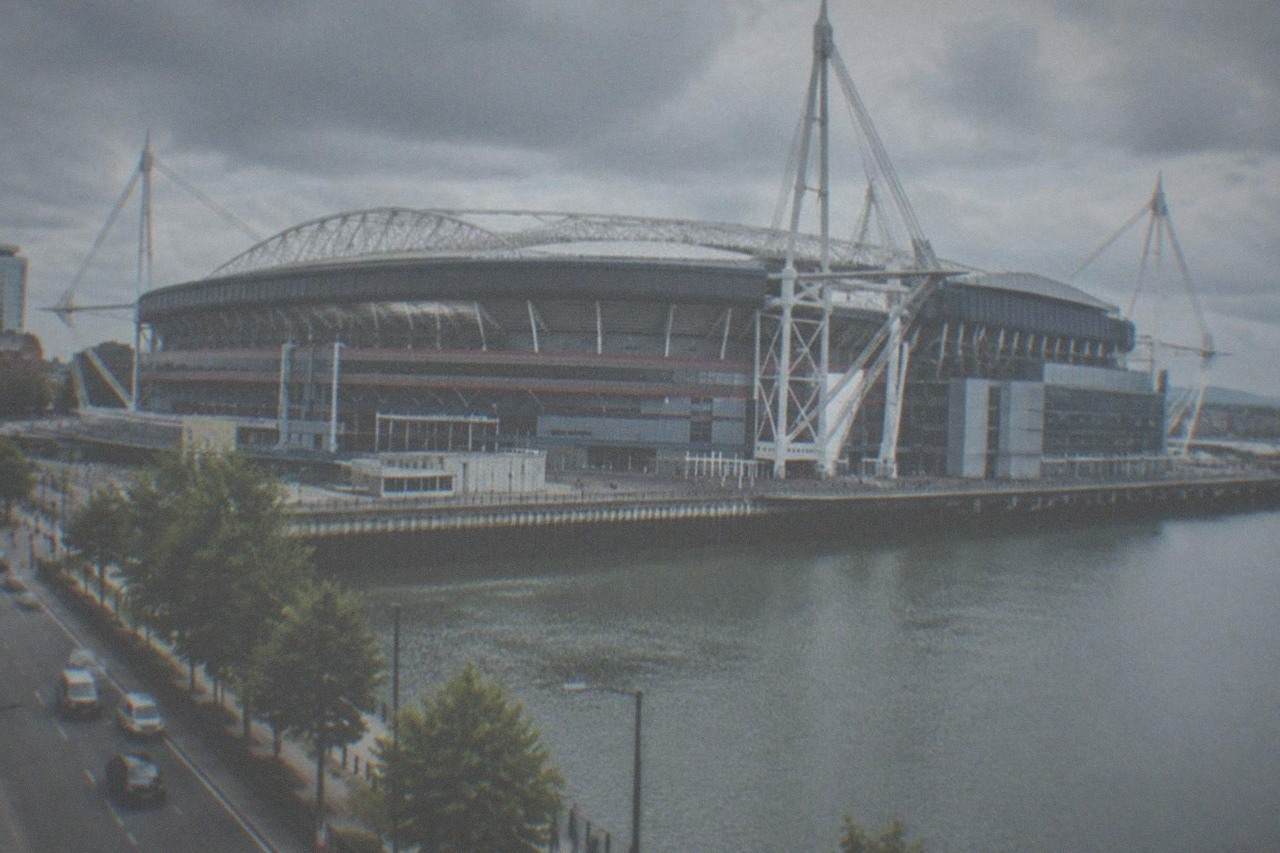
Wales play their 2026 Six Nations home matches at Principality Stadium against France, Scotland and Italy, with ticket categories from £43. The stadium sits in the city centre, Cardiff Castle is an eight-minute walk away, and the pub district around Westgate Street fills from late morning. Stadium tours cost £19.50 online and run on non-match days.
Six Nations In Cardiff: The Complete Match-Day Guide
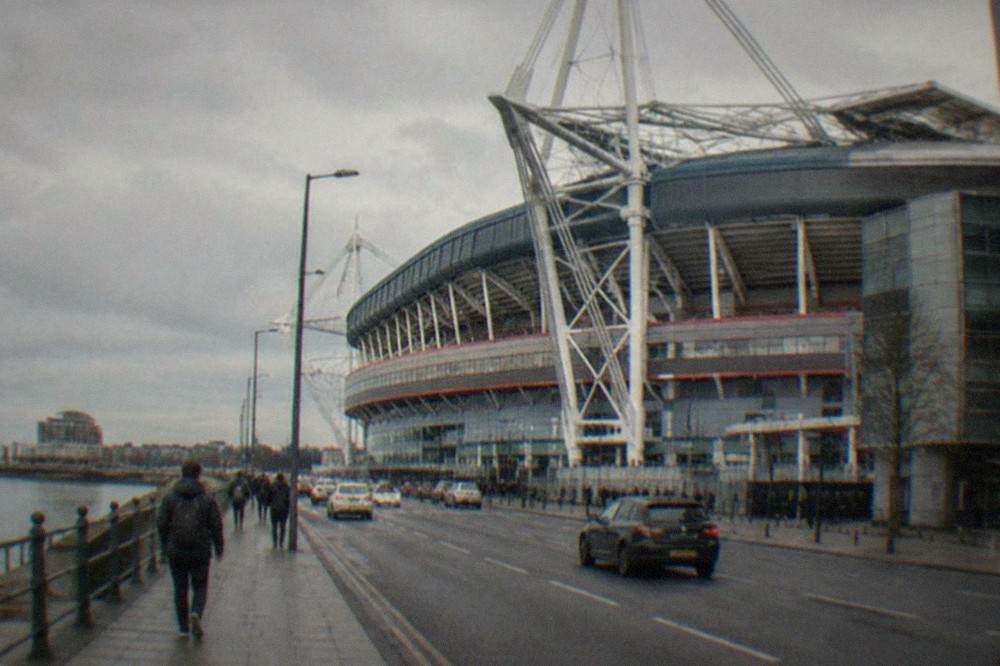
Rugby is the closest thing Cardiff has to a civic religion, and the Six Nations is its high festival. When Wales play at home, a capacity crowd packs into Principality Stadium and something close to that number again fills the pubs, bars and streets around it. The stadium sits directly in the city centre, wedged between Westgate Street and the River Taff, which means the match-day crowd and the ordinary city overlap completely rather than being separated by a ring road or an out-of-town car park. That shapes everything about how a Wales weekend works: you walk everywhere, you book restaurants early, and the atmosphere starts hours before kick-off rather than at the turnstiles.
This guide covers the fixtures, what tickets actually cost, the shape of a match day from morning to last train, and the options for visitors who arrive without a ticket. Everything here is written for a first-time visitor planning a trip around a rugby weekend, using verified figures from the stadium, the ticketing bodies and the city's own sources.
What Is The Six Nations And Why Does Cardiff Go Mad For It?
The Six Nations is the annual northern-hemisphere rugby union championship in which Wales, England, Scotland, Ireland, France and Italy each play the other once between early February and mid-March. Wales play their home fixtures at Principality Stadium in central Cardiff, and because the ground sits in the middle of the city, match weekends transform the centre: pubs open early, streets close to traffic, and the railway station absorbs tens of thousands of extra passengers.
The tournament runs every year without exception, so unlike a one-off concert or a cup final you can plan a trip around it with confidence. The 2026 championship ran from 5 February to 14 March, with France taking the title. Wales played three home matches in that window, and the pattern repeats each season: two or three home fixtures, always on a Saturday or Sunday, always in the city centre.
What makes Cardiff's version of it unusual is proximity. In many capitals the national stadium sits in a suburb or an industrial zone. Here it is a two-minute walk from Cardiff Central station, an eight-minute walk from Cardiff Castle, and directly opposite some of the busiest pubs in the city. The crowd never disperses into transit systems between the final whistle and the first pint. It simply spills sideways into Westgate Street, St Mary Street and the arcades.
The city's tourism economy leans on these weekends. Cardiff attracted 18.69 million visitors in 2025, up 4.4 per cent year on year, with a tourism economic impact of £1.86 billion, and event weekends at the stadium are a significant part of that mix, as Wales-wide visitor statistics and city reporting both make clear. Rugby weekends are, in practical terms, the city's biggest recurring hospitality test, and the city is very practised at it.
When And Where Are Wales Playing Their Home Matches?
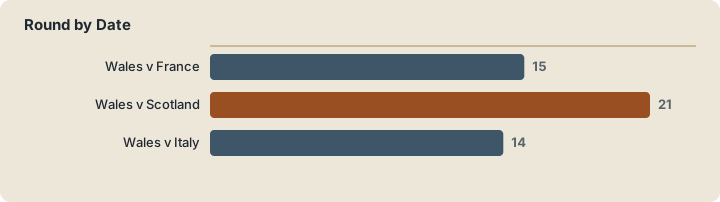
Wales' 2026 Six Nations home fixtures at Principality Stadium were France on 15 February at 15:10, Scotland on 21 February at 16:40, and Italy on 14 March at 16:40. The full 2026 tournament ran 5 February to 14 March. Home fixtures always fall in this February-to-Mid-March window, on weekends, and the stadium's address is Westgate Street, a two-minute walk from Cardiff Central station.
The fixture list below is the 2026 championship, which shows the shape of a typical tournament. Future seasons follow the same rhythm: the schedule is announced around a year ahead, tickets go on sale in phases afterwards, and the Wales fixtures are published on the official stadium and ticketing channels as soon as they are confirmed. If you are planning a trip around a future season, treat the pattern below as the template and check the live fixture list before booking anything non-refundable.
| Round | Date | Kick-off | Venue |
|---|---|---|---|
| Wales v France | 15 February 2026 | 15:10 | Principality Stadium, Cardiff |
| Wales v Scotland | 21 February 2026 | 16:40 | Principality Stadium, Cardiff |
| Wales v Italy | 14 March 2026 | 16:40 | Principality Stadium, Cardiff |
Kick-off times matter more than you might expect. A 15:10 kick-off means the city centre is busy from 11:00 and clears by early evening, leaving the night free. A 16:40 kick-off pushes everything later: pubs fill through the early afternoon, the match runs into dusk, and the post-match crowd takes over the city centre well into the night. The 2026 fixtures were published with prices and categories by the official ticketing channel, It's On Cardiff, which is the first place to check each season.
One structural point worth knowing: the stadium has a fully retractable roof, and for rugby it is usually kept closed. Weather is therefore close to irrelevant to the match itself, though very much not to the hours you spend outside before and after it. February in Cardiff is cold and frequently wet, so plan for indoor pub time rather than park time on match weekends.
If you want the stadium experience without waiting for a fixture, there is a middle path. The venue runs a set of paid experiences around the roof and the structure itself, and the three below are the ones that best fit a rugby-themed visit.
How Much Do Six Nations Tickets Actually Cost?
Ticket categories for Wales' 2026 Six Nations home matches started at £43, rising steeply for the premium seats: the top A+ category was £155 for Wales v England and £145 for Wales v Ireland in the most recent pricing. Official tickets are sold through the Welsh Rugby Union's authorised channels in phased sales, with debenture and member windows opening before general sale, and the cheapest categories sell out fastest.
The price ladder is steep and predictable. The £43 entry category is real but limited: those seats sit in the upper tiers behind the posts, and they go first because everyone wants them. Mid-tier categories cover the sides of the upper and lower bowls, and the A+ band covers the best lower-tier seats on the halfway line. The figures below are the published 2026 prices, which give a reliable sense of the range for future seasons.
| Match | Cheapest category | Top category (A+) |
|---|---|---|
| Wales v England (2026) | £43 | £155 |
| Wales v Ireland (2026) | £43 | £145 |
| Wales v France (2026) | £43 | Published on the official ticketing page |
| Wales v Scotland (2026) | £43 | Published on the official ticketing page |
| Wales v Italy (2026) | £43 | Published on the official ticketing page |
A few practical warnings. First, buy only from official or authorised channels: the stadium's own booking site and the WRU's appointed sellers. Resale is restricted, and tickets bought from unofficial resellers can be cancelled at the gate. Second, do not assume late availability means cheap: for home fixtures against England and Ireland the market tightens as the match approaches, and the cheapest categories are long gone by then. Third, hospitality packages exist as a separate product and are priced separately on the stadium's official channels; they include food and drink and are the realistic route in if general sale has closed.
For context on what else the venue charges: a standard stadium tour is £19.50 booked online, £21 on the door, with under-5s free, and the official pricing page lists the full concession structure. Match-day tours do not run: on event days the building belongs to the event.
What Does A Match Day In Cardiff Actually Look Like?
A typical Wales home match day runs like this: the city centre fills from late morning, pubs around Westgate Street reach capacity two to three hours before kick-off, stadium gates open roughly two hours ahead, and the match takes about two hours including the interval. After the final whistle the crowd empties into the surrounding streets within about forty minutes, and the pubs and restaurants absorb it for the rest of the evening.

Morning is the relaxed part. Cardiff Central station and the streets around it stay manageable until 11:00, which makes it the best window for the non-rugby parts of the city: Cardiff Castle opens at 09:00 on weekends in the March-to-October season, with adult admission at £16, and it is an eight-minute walk from the stadium. The Victorian arcades between the castle and the station are sheltered, which matters in February, and Cardiff Market, open 08:00 to 17:00 Monday to Saturday, is a solid lunch stop that sits directly on the walking route between the two.
Early afternoon is when the geography tightens. The streets immediately around the stadium, Westgate Street and Wood Street above all, become effectively pedestrian and extremely dense. If you have a ticket, aim to be in the area ninety minutes before kick-off, not thirty: the security perimeter, bag searches and crowd flow all take longer on a full house. If you do not have a ticket, this is the moment to be somewhere else entirely, because you will be swimming against a huge crowd for an hour.
After the match, do not fight for the first train. The station handles the exodus in waves, and the crowd thins noticeably within about an hour of the final whistle. The smarter move is to book a restaurant or a pub with a table for ninety minutes after full time and let the surge pass. The city centre's restaurants are used to this rhythm; many run match-day seatings specifically timed around it.
For visitors structuring the whole weekend, the weekend in Cardiff itinerary covers the non-match day in detail, and the Principality Stadium events guide tracks the wider calendar, including the concerts that also close the venue to tours.
Where Should You Drink And Eat On A Rugby Weekend?
The pub district for match days is the Westgate Street and St Mary Street corridor, a two-minute walk from the stadium, with the famous venues directly opposite the ground filling first and staying full longest. Cardiff has a deep pub stock: eight city pubs were newly added to the CAMRA Good Beer Guide 2027, and the pre-match tradition is to drink around the stadium rather than in the Bay or the suburbs, because everything you need is walkable.

The classic match-day pubs are the ones you can see from the stadium steps. Queens Vaults on Westgate Street was named the best place in Wales for a pint of Guinness in the Guinness Harp Guide 2026, and it is the archetype of the pre-match venue: big, loud, packed by early afternoon. The Prince of Wales and Owain Glyndŵr, both in the city centre, are similarly built for match-day volume, and the Blue Bell, newly listed in the Good Beer Guide, is the connoisseur's option. The full rundown, including the quieter neighbourhood entries, is in the best pubs in Cardiff guide.
Eating needs a plan. Walk-in tables near the stadium on a match afternoon are close to unobtainable after 12:00, so book ahead for the evening and accept a late lunch from a street food stand or the market. The Welsh House, near the castle end of the city centre, serves a "Taste of Wales" sharing menu of dishes like lamb cawl and Welsh Cheddar Welsh cakes and runs a dog-friendly terrace. For a full survey of the city's restaurant scene, including the Michelin-starred Gorse in Pontcanna, see the restaurants in Cardiff guide.
For visitors who want the evening to carry a bit more theatre than a pub provides, Cardiff has a genuinely unusual option: an immersive prison-themed cocktail experience where you are "locked up" and served smuggled cocktails by the inmates. It is rated 4.9 across 16 reviews and sits in the city centre, a workable walk from the stadium. Other pages covering the same trip are gathered on Cardiff Travel Guide.
How Do You Get Around On A Match Day?
Walking is the only sensible mode in the city centre on a match day: the stadium, the main pubs, the castle and the arcades all sit within a fifteen-minute walk of each other, and the streets around the ground are closed or heavily pedestrianised. Cardiff Central station handles the intercity and regional rail arrivals, the bus interchange sits adjacent to it, and the practical advice is to arrive before 11:00.
Cardiff is a genuinely walkable city: walking and wheeling is the most common travel mode among residents, with 143.5 million walking and wheeling trips recorded in 2025, and the match-day geography rewards that completely. The distance that matters is Cardiff Central station to the stadium, which is about two minutes on foot, and station to castle, which is about eight. Nothing in a standard rugby weekend requires a car, and on match days a car is an active liability: road closures ring the stadium from early afternoon, and city-centre car parks fill and then gridlock.
If you are driving in anyway, park outside the immediate centre and walk or use the park-and-ride options that operate on major event days, details of which are published with each fixture. The getting around Cardiff guide covers the ordinary transport picture; the match-day difference is simply scale and closures.
Coming from London, direct trains from Paddington run at least hourly with the fastest around one hour 50 minutes, but on Six Nations Saturdays these trains are reserved-heavy and standing-room by the later departures: book the train when you book the match, not after. The same applies in reverse on Saturday night, when the last direct services carry the exodus. The London to Cardiff guide has the route detail.
What Can You Do Without A Ticket?
Plenty, and for many visitors it is the better weekend. The stadium tour runs on non-match days at £19.50 online, Cardiff Castle is an eight-minute walk away at £16 adult admission, the National Museum Cardiff is free, and the pubs around the ground show the match with a crowd atmosphere that many ticket-holders never experience. The Bay, the arcades and St Fagans, also free, fill the rest of a weekend easily.
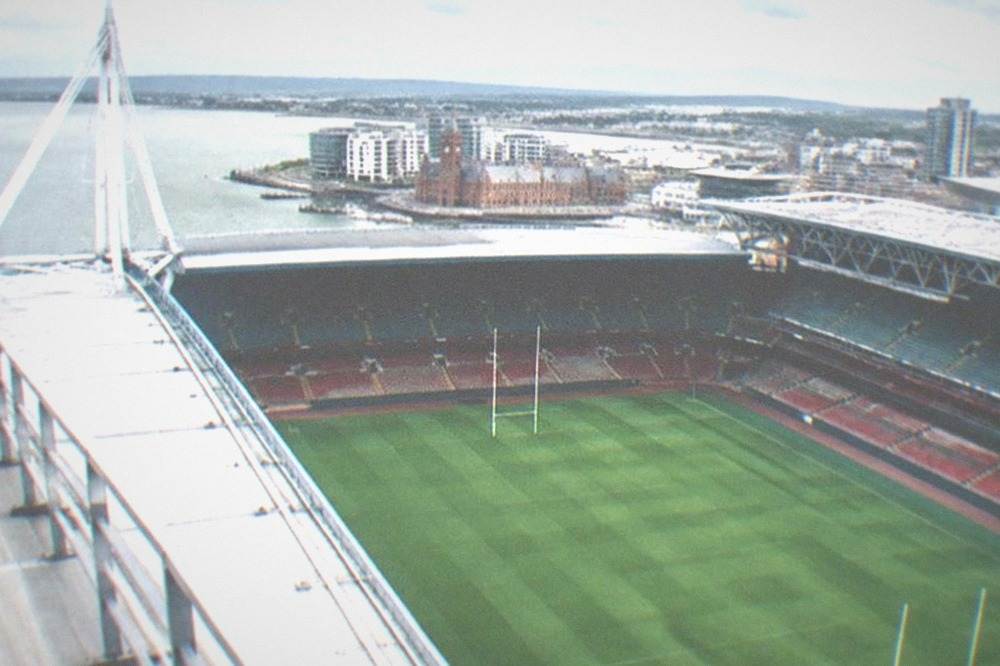
Start with the stadium itself. On the day before or after a match, the venue runs guided tours, and there is also a roof walk: a guided climb above the stadium roof with views over the pitch and the city, rated 4.6 across 5 reviews. It is a short experience, roughly ninety minutes, and it gives you the one perspective of the ground that even match-goers do not get, standing above the closed roof looking down at the bowl.
For the match itself without a ticket, the pub plan is genuinely good rather than a consolation. The atmosphere in the Westgate Street venues during a Wales match is intense, communal and free to enter (you pay only for what you drink), and the roar from the stadium is audible on the street at every Welsh score. Arrive early, claim a spot with a screen sightline, and expect the crowd to surge at full time as ticket-holders join.
The rest of the city fills a weekend without effort. Cardiff Castle's Roman walls and Norman keep justify the £16 admission. The National Museum Cardiff, free and open Tuesday to Sunday, holds the art and natural history collections. St Fagans National Museum of History, also free with parking at £7 for the day, was named the UK's best free-to-visit day out in a 2026 Which? analysis and is a short bus ride west. And if you want to extend the rugby theme beyond the city, Caerphilly Castle, the largest castle in Wales, is a short train ride away with adult admission at £12.90 through Cadw, bookable with 5% off online per the official Cadw page.
How Do You Make A Full Weekend Of It?
Two nights is the standard rugby weekend: match day plus one either side, with the non-match day for the castle, the arcades, St Fagans or a short day trip. Pontcanna and the city centre are the practical places to stay, the former for restaurants and calm, the latter for walkability to everything match-related, and accommodation for popular fixtures books out months ahead, in line with the pattern seen across the city's biggest event weekends.

The accommodation point cannot be overstated. Cardiff's hotel stock is sized for a normal weekend, not for a full stadium's worth of extra people, and prices spike and availability collapses for the big fixtures. Book the room before the ticket if you have to choose: a hotel is refundable more often than a match ticket, and the where to stay in Cardiff guide breaks down the neighbourhoods, from the Bay's waterfront hotels to Pontcanna's guesthouses.
For the spare day, the honest options split into three types. City days: castle, museum, arcades, the Bay barrage walk, which is free and open to the public at all times. Short trips: Caerphilly Castle, Castell Coch at £10.40, or Penarth and its Victorian pier, all within a short bus or train ride. Full-day trips: Bannau Brycheiniog, still widely known as the Brecon Beacons, 40 to 50 miles and one to one and a half hours' drive north, if the weather offers anything.
| Spare-day option | Travel time from centre | Entry cost |
|---|---|---|
| Cardiff Castle | 8-minute walk | £16 adult |
| National Museum Cardiff | 12-minute walk | Free |
| St Fagans National Museum of History | Short bus ride west | Free, parking £7/day |
| Caerphilly Castle | Short train ride | £12.90 adult, 5% off online |
| Castell Coch | Short bus or taxi ride north | £10.40 adult, 5% off online |
| Bannau Brycheiniog (Brecon Beacons) | 1-1.5 hours by car | Free to access |
And if the rugby weekend has left you wanting one more dose of the stadium, there is a more adrenaline-shaped option than the roof walk: a zip line across the top of the venue, running at 27mph over the pitch, rated 4.7 across 7 reviews and bookable in the same family of stadium experiences. It is the kind of thing that turns a rugby pilgrimage into a story.
Common Questions About The Six Nations In Cardiff
When Is The Six Nations In Cardiff?
The tournament runs annually from early February to mid-March. The 2026 championship ran 5 February to 14 March, with Wales' home fixtures against France on 15 February, Scotland on 21 February and Italy on 14 March. Future fixture lists are published roughly a year ahead on the official stadium and ticketing channels.
How Much Are Six Nations Tickets In Cardiff?
Categories for Wales' 2026 home matches started at £43, rising to £155 for the top A+ band against England and £145 against Ireland. The cheapest categories sell out first, and official sales run in phases through the WRU's authorised channels before any general release.
Where Is Principality Stadium?
Westgate Street, central Cardiff, about a two-minute walk from Cardiff Central station and an eight-minute walk from Cardiff Castle. There is no need for any transport between the station, the stadium and the main pubs; the whole match-day footprint is on foot.
Can You Visit Principality Stadium Without A Match Ticket?
Yes. Guided stadium tours run on non-match days at £19.50 booked online or £21 on the door, with under-5s free, and a roof walk and a zip line across the stadium are bookable as separate experiences. Tours do not run on match days or event days.
Is Cardiff Busy On Six Nations Weekends?
Very. The stadium fills to capacity and the city centre absorbs a similar number again in pubs and bars. Arrive before late morning for the calmest experience, book restaurants well ahead, and expect the streets around Westgate Street to be pedestrian-dense from two to three hours before kick-off.
What Should You Do If You Cannot Get A Ticket?
Watch in the pubs around the stadium, which carry the full crowd atmosphere, and build the rest of the weekend from the city's other options: Cardiff Castle at £16, the free National Museum Cardiff, the free St Fagans museum of history, and short trips to Caerphilly Castle or Castell Coch.