Best Time To Visit Cardiff: A Season By Season Guide
Cardiff rewards visitors almost every month of the year, but the best time to go depends on whether you want warm evenings on the Bay, Six Nations atmosphere, quiet museum mornings or Christmas market lights.

Short answer
Late June to early September is the warmest and most reliable window for outdoor Cardiff, with July average highs 20°C. For atmosphere, February and March bring Six Nations rugby; for value and quiet, November weekdays outside the Christmas market. Most big sights stay open year round.
Cardiff is a compact, coastal capital, which makes the question of timing less about survival and more about what kind of city you want to meet. The same streets that host 80,000 rugby fans in February are quiet, green and gallery-filled in a weekday November. The city recorded 18.69 million visitors in 2025, up 4.4 per cent year on year, so the busy windows are genuinely busy, yet the shoulder seasons remain one of Britain's better-kept value secrets.
This guide walks through the weather, the events calendar and the price patterns, season by season, so you can match a visit to what you actually want from it. Where a figure matters, it comes from the operators and official bodies themselves, and where something varies, that is said plainly too.
When Is The Best Time To Visit Cardiff?
The best time to visit Cardiff for reliable weather is late June to early September, when average daily highs sit 18-20°C and rainfall is at its lowest, with April typically the driest month of all. For atmosphere, the Six Nations window of February and March is unmatched. For value and thin crowds, midweek November and January are the quietest, cheapest slots.
Climate data consistently identifies late June to early September as the peak warm-weather window, with July the warmest month at average highs of 20°C and lows near 13°C. February is the coldest, with highs 8°C and lows near 3°C. Rainfall peaks in November and bottoms out in April, which is why many repeat visitors quietly prefer late spring: the parks are in colour, the museums are calm and the queues have not yet formed.
There is a second, less obvious answer worth weighing. Cardiff's indoor offer is unusually strong for a city of 383,919 people, with two free national museums, sheltered Victorian arcades and a castle with substantial covered sections. A wet October Saturday costs a visitor far less here than in a city built around outdoor sights, which makes the "worst" months better than they look on a rainfall chart.
What Is Cardiff Weather Like Month By Month?
July is the warmest month with average highs near 20°C and lows 13°C; February is the coldest with highs 8°C. November is the wettest month and April the driest. The comfortable outdoor window runs late June to early September, though Cardiff's coastal position means changeable weather at any time of year.
Cardiff sits on the Bristol Channel, and that maritime setting moderates everything: summers rarely scorch and winters rarely freeze hard, but a sunny morning can turn showery by lunch. Layered clothing is the standard local advice in every season. The Met Office publishes station-specific climate averages for the Cardiff area, and those tables are the right place to check precise monthly normals before you lock in dates, rather than relying on a single rounded figure.
The practical reading of the table below is that there is no bad month for the city's core sights, only months that suit different plans. A Gower coast day trip in January is a bracing proposition; a National Museum afternoon in January is a genuinely good one.
| Month | Typical conditions | Best suited to |
|---|---|---|
| January | Cold, quiet, post-festive calm | Museums, arcades, low hotel rates |
| February | Coldest month, highs near 8°C, Six Nations begins | Rugby weekends, indoor sights |
| March | Slowly warming, Six Nations climax | Rugby, castle, early spring walks |
| April | Typically the driest month | Parks, day trips, photography |
| May | Warming, longer evenings | Bute Park, Bay walks, outdoor dining |
| June | Warm season begins, castle concert season | Long days, rooftops, Barrage walks |
| July | Warmest month, highs near 20°C | Beaches, Gower, boat trips |
| August | Warm, school holidays, busiest family period | Family visits, festivals, coast |
| September | Mild, quieter, food and music festivals | City breaks, value seeking |
| October | Cooling, wetter, music festivals | Indoor culture, autumn colour |
| November | Wettest month, Christmas market opens | Market, museums, cosy pubs |
| December | Cold, festive, rugby and big events | Christmas market, stadium events |
If your dates are flexible, the sweet spot most locals would name is mid-May to mid-June: the warm season has started, the castle concert closures are mostly avoidable with a diary check, and the August family crowds are still weeks away. The castle's own opening-times page lists any concert-day restrictions in advance, so a two-minute check protects a whole day's plan.
Which Season Suits Your Trip Best?
Spring offers the driest weather and green parks, summer gives the warmest days and the fullest event calendar, autumn pairs mild air with food and music festivals, and winter delivers rugby, the Christmas market and the year's lowest accommodation rates. Each season carries one clear drawback: summer crowds, autumn rain, winter cold and spring's changeable spells.
Spring is the connoisseur's pick. April is typically the driest month, Bute Park and Roath Park are at their best, and the major sights run full summer hours without summer queues. Cardiff Castle moves to its March-to-October schedule, opening 10:00 on weekdays and 09:00 on weekends with last entry at 17:00, so daylight is not the constraint it becomes in November. Admission is £16 for an adult standard ticket.
Summer is when the city shows off. The Bay's terraces fill, the Barrage walk from Cardiff Bay to Penarth is at its best, and boat trips run on the water. The trade-off is twofold: school-holiday crowds from late July, and concert-day disruption at the castle, which in summer 2026 meant early closures and even full closures on selected June, July and August dates. A quick check of the castle's site before booking resolves that entirely.
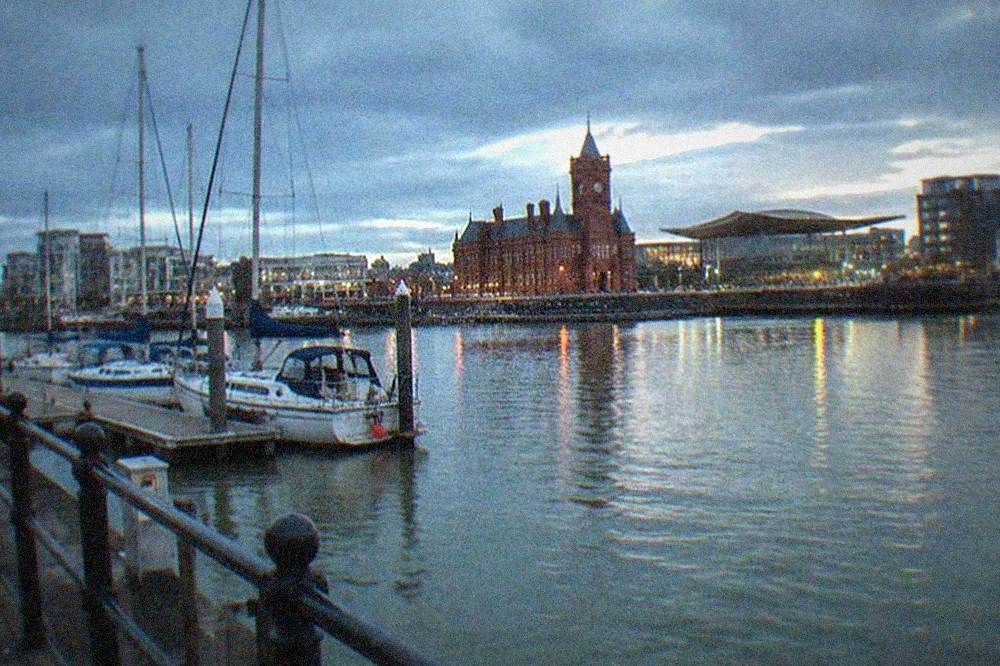
Autumn is Cardiff's festival season in disguise. The Great Cardiff Feast took over Queen Street in late September 2026, and the Cardiff Music City Festival runs the first half of October with the Welsh Music Prize, Llais and Sŵn stacked inside a fortnight. Temperatures are mild rather than warm, and rain increases steadily toward the wettest month, November.
Winter is a rugby and market season. Six Nations home fixtures in February and March 2026 brought Wales matches against France, Scotland and Italy, with tickets from £43. The Christmas market's 70 stalls run daily from 12 November, and hotel rates outside match weekends drop to their annual floor. If you want the city nearly to yourself, a midweek January visit achieves it, at the price of short daylight and closed castle concert grounds.
If a guided day makes sense for your dates, the pairing of the castle and the National Museum in one escorted itinerary is the most weather-proof option on the roster, since it moves between indoor galleries and the castle's covered apartments whatever the sky is doing.
Both of those options also dodge the season's main trap: a stadium roof walk in horizontal February rain is a very different experience from the same walk in July sunshine, so the weather window should shape which of the two you book, not whether you book at all.
When Is Rugby Season In Cardiff?
The men's Six Nations runs February to March, with Wales playing home fixtures at Principality Stadium in that window; autumn internationals follow in November. Match weekends transform the city centre, fill hotels months ahead and raise prices sharply, so book early for rugby or deliberately avoid those dates if you want quiet.
The 2026 Six Nations brought Wales home matches against France on 15 February, Scotland on 21 February and Italy on 14 March, with ticket categories from £43. For the 2026 autumn internationals a new top pricing tier appeared, from £66 for Japan up to £128 for New Zealand. These are the dates the whole city organises itself around: stadium-area pubs open early, the central streets close to traffic, and the atmosphere is the genuine article.
The counterpoint is practical. Rugby weekends are the most expensive and crowded dates on the Cardiff calendar, more so than any summer Saturday. If atmosphere is why you are coming, they are the best time to visit; if not, the fixture list is published far in advance and easy to route around. Our Six Nations match weekend guide covers the detail, and the stadium visitor guide explains tour access on non-match days.
A stadium tour costs £19.50 for an adult booked online, £21 on the day, and runs Monday to Saturday 10:00 to 17:00 except on match and event days. That last caveat matters: on a Joshua-Fury weekend the tours stop, so check the stadium's own booking page for closure dates before planning a visit around one.
When Are The Biggest Events And Festivals?
Cardiff's major annual events cluster in four windows: Six Nations rugby in February and March, castle concerts in June and July, the food and music festival run of September and October, and the Christmas market from mid-November to 23 December. Event weekends mean full hotels and busy streets; the days between them are noticeably calm.
The castle concert series is the summer headline. Big-name shows in June and July 2026 brought early closures and restricted access to Cardiff Castle on affected dates, with some last entries as early as midday. Visitors who booked the castle for those afternoons found a shortened visit, so the lesson is simple: check the castle's opening-times page when you book your trip, not on the day. The rest of the planning pages sit on Cardiff Travel Guide.
The table below puts the year's event windows side by side, because the fastest way to choose a date is often to see what each window costs you in crowds and gains you in atmosphere.
| Event window | What is on | Crowd and price effect |
|---|---|---|
| February-March | Six Nations home fixtures | Highest hotel rates of the year; city centre closes to traffic on match days |
| June-July | Castle concert series | Castle early closures on show dates; busy but manageable |
| September-October | Great Cardiff Feast, Music City Festival, Llais, Sŵn | Modest rate rises; evenings busy around venues |
| Mid-November to 23 December | Christmas market, stadium winter events | Market weekends busy; midweek December calm |
| 11 December 2026 | Joshua v Fury at Principality Stadium | A one-off spike; book accommodation far ahead or avoid |
October belongs to music. The Cardiff Music City Festival ran 2 to 17 October 2026 across venues from Clwb Ifor Bach to the Wales Millennium Centre, with the Llais festival inside it from 7 to 11 October. September closed with The Great Cardiff Feast on Queen Street. For a city of its size, the density of that fortnight is remarkable, and hotel prices reflect it modestly compared with rugby weekends.
For visitors who would rather not plan around individual opening hours at all, a guided castle-and-museum day is the simplest hedge against an event-disrupted diary, since the operator adjusts the route around closures on the day.
That same logic applies to the stadium experiences: the roof walk and the zip line both run on set schedules that pause for matches and concerts, so an event-heavy week can quietly remove them from your options if you have not checked ahead.
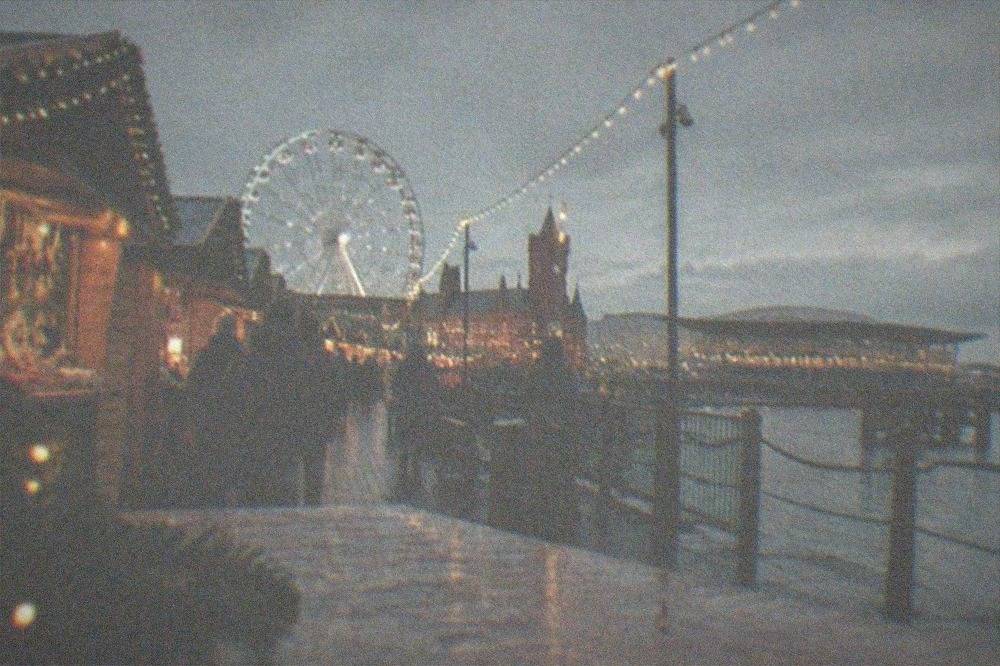
Winter's anchor is the Christmas market, confirmed for 12 November to 23 December 2026, open 10:00 to 18:00 Monday to Saturday, 10:00 to 17:00 on Sundays and until 19:00 on December Thursdays. Alongside it, the stadium hosts its biggest events: the Joshua-Fury fight on 11 December 2026 is expected to draw up to 80,000 people. Book December accommodation early if your dates touch either.
When Is Cardiff Cheapest To Visit?
Midweek stays in January, early February, late November (outside market launch weekends) and early December offer the lowest accommodation rates and thinnest crowds. Cardiff's free attractions, including the National Museum Cardiff and St Fagans, remove most of the per-head sightseeing cost at any time of year, making the off-season unusually good value.
Two of the city's headline sights cost nothing to enter. The National Museum Cardiff is free, open Tuesday to Sunday 10:00 to 17:00 with galleries closing 16:45 and Mondays closed. St Fagans National Museum of History, named the UK's best free day out in a 2026 Which? analysis with a 94 per cent score, is also free, with parking at £7 for the day. Together they anchor a genuinely cheap rainy-day itinerary.
The paid sights are modest by big-city standards. Cardiff Castle is £16 for an adult, the Principality Stadium tour £19.50 online, and the Cadw castles ring the city: Castell Coch at £10.40 and Caerphilly Castle at £12.90 for adults, both with 5 per cent off for booking online and a joint ticket available for the pair. A family can tour three castles and two national museums for less than the price of a single London flagship attraction.
| Sight | Adult entry | Notes for off-season visits |
|---|---|---|
| National Museum Cardiff | Free | Closed Mondays; book the free day ticket |
| St Fagans National Museum of History | Free | Parking £7/day; daily 10:00-17:00 |
| Cardiff Castle | £16 | Concert dates bring early closures |
| Principality Stadium tour | £19.50 online | No tours on match or event days |
| Castell Coch (Cadw) | £10.40 | 5% off online; joint ticket with Caerphilly |
| Caerphilly Castle (Cadw) | £12.90 | 5% off online; Great Hall newly reopened |
Budget travellers should also know that Cardiff is regularly described as one of the best-value city breaks in Britain, with costs well below London, Edinburgh or Bath for comparable experiences. The budget guide breaks this down in detail, and the free things to do roundup shows how far a no-ticket day can stretch.
What About Crowds And School Holidays?
August is the busiest family period, with the castle, Techniquest and the Bay at their most crowded; half-term weeks in late February, late May and late October bring shorter, sharper spikes. Midweek dates outside those weeks, especially in May, June and September, give the best balance of weather and elbow room.
The Welsh school calendar drives the rhythm. Late July to the end of August fills family attractions; Techniquest, for instance, runs daily 10:00 to 17:00 in school holidays against term-time afternoon-only weekday opening. Half-terms are busy but brief. If you travel without children and can pick dates freely, the fortnights either side of these windows are the difference between queueing and not.
The castle concert season adds its own crowd pattern in June and July, and the Christmas market draws a strong evening trade from mid-November. None of these make the city unpleasant; Cardiff absorbs crowds well for its size. But the visitor who wants the Evolution of Wales galleries or the castle apartments close to empty should aim for a Tuesday in May, September or early December.
For a first visit built around the headline sights, a guided highlights walk is one way to sidestep the planning overhead on a busy weekend, since the guide handles timing and tickets while you handle the looking.
A two-hour walk of that kind also slots neatly into the shoulder-season day: short enough to leave the afternoon for the museum, and cheap enough to keep the daily budget in the range that makes off-season Cardiff such a strong value proposition.
Is Winter A Good Time To Visit Cardiff?
Winter is a genuinely good time to visit if your priorities are the Christmas market, rugby, cosy pubs and museums rather than long outdoor days. Daylight is short and November is the wettest month, but the city's indoor offer is strong, hotel rates are at their lowest and the festive season is well executed.
The Christmas market is the centrepiece: 70 stalls from 12 November to 23 December, organised by CraftFolk with more than 200 businesses represented across the run. Around it, the city's pub scene carries the season, and the 2027 CAMRA Good Beer Guide added eight new Cardiff entries including the Blue Bell and the Prince of Wales in the centre. The best pubs guide maps the standouts.
Practical winter notes: the Cadw castles shorten to 10:00-16:00 from November to February, the National Museum keeps its Tuesday-to-Sunday 10:00-17:00 hours except around Christmas, and Cardiff Castle closes earlier in the winter months. All three stay open through the season, which is more than many coastal resort towns can say. Our rainy day itinerary was built for exactly this season.
One genuine winter wildcard is television heritage. The Doctor Who Experience closed permanently in 2017, but the revived series' Cardiff filming locations remain a draw, and a themed walking tour of those sites runs year round regardless of weather, since most stops are exteriors you view quickly between indoor stops.
The tour runs about two hours, which leaves a winter afternoon intact for the arcades or a fireside pint, and its 4.8 rating across 153 reviews suggests the balance of locations and storytelling lands well even in short December daylight.
How Does The Tide And Coast Affect Timing?
Cardiff is a coastal, estuarine city on the Bristol Channel, one of the most tidal stretches of water in Britain, so coastal day trips and Bay activities benefit from a tide check. The Bay itself is impounded by the Barrage and stays water-filled year round, but beaches and coastal walks nearby change character dramatically with the tide.
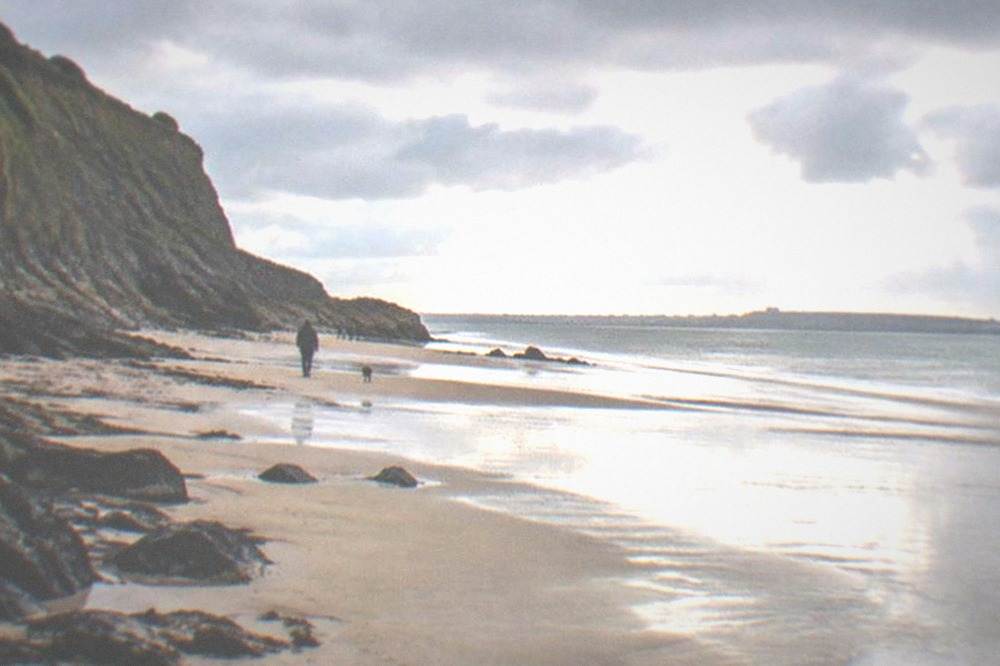
The Cardiff Bay Barrage holds the Bay at a constant level, so boat trips, the waterfront and the Barrage walk itself do not depend on tidal state. That walk, by the way, is free and open at all hours, one of the city's best year-round assets. Beyond the Barrage, the real Severn Estuary tide takes over: Penarth's beach, the rock pools at Southerndown and the Gower's famous bays all shift between expansive sand at low water and narrowed shingle at high.
For day trips, this matters most at the Gower Peninsula and Rhossili Bay, where the Worm's Head causeway is only crossable for around two and a half hours either side of low tide, and access to the Outer Head is restricted entirely from 1 February to 31 July to protect nesting seabirds. Check a tide table before setting out rather than discovering this on the clifftop.
What Is The Single Best Month Overall?
For most visitors, September is the strongest single month: the sea is at its warmest, the music and food festivals are running, schools have returned, hotel rates ease from August peaks and average temperatures remain mild. May and June run it close for anyone who prefers green parks and longer daylight to festival atmosphere.
September's case is balance. The warm season's heat lingers, the crowds thin the moment schools go back, and the festival calendar fills the evenings. October's rains have not arrived, the castle is on full hours, and the coast day trips are still comfortable. The one caveat is festival-weekend accommodation, which tightens around the music festival's dates in early October.
May's case is freshness: the driest statistical month, blossom in Bute Park, and a city not yet into its concert-and-crowd rhythm. June adds longer evenings and the first terrace weather. Either month rewards a traveller whose priority is the city itself rather than its events.
Whichever month wins your dates, the headline sights need only a little planning around them. Book the castle for a non-concert day, the stadium tour for a non-match day, the museums for any day but Monday, and the coast for a low-tide afternoon, and almost any month in Cardiff will treat you well.
Common Questions About The Best Time To Visit Cardiff
What Is The Warmest Month In Cardiff?
July, with average highs 20°C and lows near 13°C. The comfortable warm window runs from late June to early September, though Cardiff's coastal position means changeable weather is possible in any month.
What Is The Rainiest Month In Cardiff?
November is typically the wettest month, with April the driest. Rainfall is spread fairly evenly through the year, so waterproof layers are worth packing regardless of season.
When Is Rugby Season In Cardiff?
The men's Six Nations runs February to March, with Wales home fixtures at Principality Stadium. Autumn internationals follow in November. Match weekends fill hotels well in advance and are the busiest dates on the city calendar.
Is Cardiff Worth Visiting In Winter?
Yes, if you come for the Christmas market, rugby, pubs and museums rather than outdoor days. The market runs 12 November to 23 December, both national museums are free and open through the season, and hotel rates are at their lowest outside event weekends.
When Is Cardiff Least Crowded?
Midweek January, early February and the November weeks either side of the market launch are the quietest. Midweek May, June and September offer the best balance of decent weather and thinner crowds.
Does The Weather Affect Cardiff Bay Boat Trips?
The Bay is impounded by the Barrage and holds a constant water level, so boat trips and waterfront walks run year round. Coastal trips beyond the Barrage, including Gower beaches, depend on tide times, which are worth checking before a day trip.