Beaches Near Cardiff: The Honest Guide To The Coast Within Reach
Cardiff sits on the Bristol Channel, and while the water in front of the city is estuary rather than seaside, some of Britain's best beaches sit within an hour or two of the centre. Here is what the coast around Cardiff actually offers, how far each beach really is, and which ones are worth the trip.
Short answer
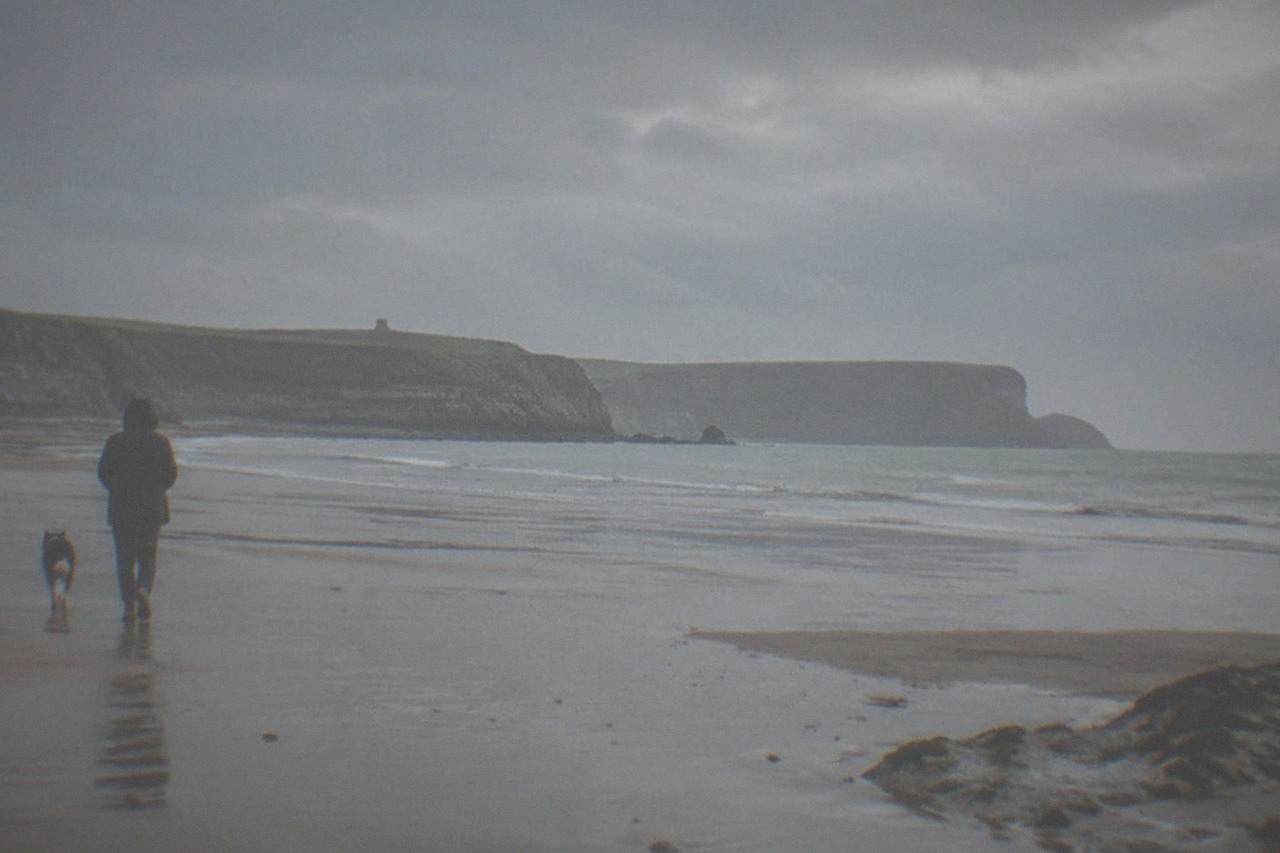
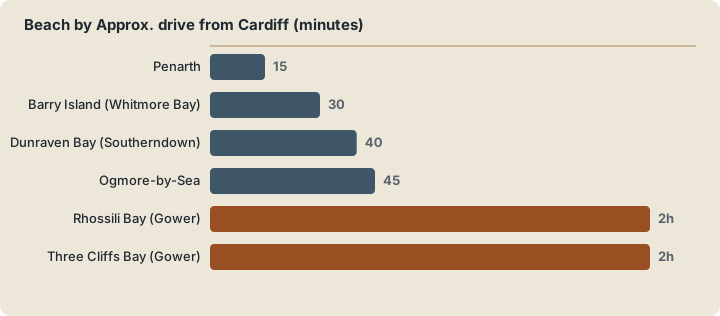
The closest beaches to Cardiff are Penarth (15 minutes), Barry Island (30 minutes) and Dunraven Bay at Southerndown (40 minutes), all reachable by car or public transport. The Gower Peninsula's Rhossili Bay, regularly ranked among the UK's finest beaches, is under two hours away. Parking at Rhossili costs £4 for up to two hours or £8 for longer.
Cardiff is a coastal capital, though you would not always know it from the city centre. The water in front of the city is the Bristol Channel estuary, wide and brown and tidal, rather than a swimming beach. The real seaside begins a short drive away, and it is better than most visitors expect. Penarth's Victorian seafront is fifteen minutes from the castle. Barry Island's golden sand is half an hour. Dunraven Bay's cliffs are ten minutes beyond that, and the Gower Peninsula, whose Rhossili Bay keeps turning up on lists of the best beaches in Britain, is under two hours down the motorway.
This guide sets out what each stretch of coast actually offers, how far it genuinely is from Cardiff, what it costs when there is a charge, and how the tide shapes a day out on the Bristol Channel, where the tidal range is one of the largest in the world. Distances and drive times below are planning figures: traffic on summer Saturdays can easily add half an hour to any of them.
What Are The Best Beaches Near Cardiff?
The best beaches near Cardiff are Penarth for a quick seafront stroll, Barry Island's Whitmore Bay for classic sandy family beach time, Dunraven Bay at Southerndown for cliffs and rock pools, and Rhossili Bay on the Gower for the headline coastal scenery. Ogmore-by-Sea and the Gower's Three Cliffs Bay add quieter alternatives. Each suits a different kind of day, and the right choice depends on time, transport and tide.
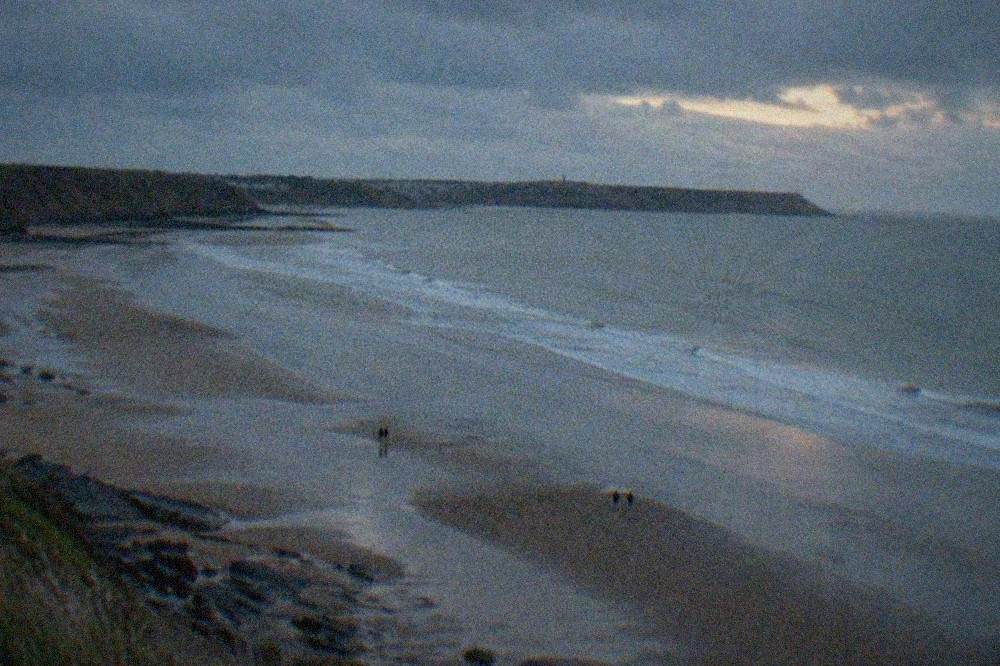
The honest starting point is that none of these are Mediterranean beaches, and the sea temperature rarely tempts anyone but wetsuit swimmers. What the coast around Cardiff does well is drama: limestone cliffs, rock pools, dunes and enormous sands that the tide rewrites twice a day. Whitmore Bay at Barry Island holds a Seaside Award for 2026, which recognises managed beach standards rather than bathing-water quality alone. Penarth's beach has held a "good" bathing water classification from Natural Resources Wales for 2025 and recent years, and the current profile is published on the Natural Resources Wales bathing water register.
A useful way to think about the choice is by how much time you have. A spare hour or two points to Penarth. A half or full day points to Barry Island or Dunraven Bay. A whole day, ideally with a car or a guided tour, points to the Gower, where Rhossili Bay picked up a 2026 Travellers' Choice award and has been nicknamed the supermodel of British beaches.
Here is the overview at a glance:
| Beach | Approx. drive from Cardiff | Beach type | Best for |
|---|---|---|---|
| Penarth | ~15 min | Shingle and pebble, Victorian pier | A short seafront visit |
| Barry Island (Whitmore Bay) | ~30 min | Large sandy beach | Families, classic seaside |
| Dunraven Bay (Southerndown) | ~40 min | Sand at low tide, cliffs, rock pools | Scenery and fossil hunting |
| Ogmore-by-Sea | ~45 min | Sandy at low tide, rock pools | Quieter coastal walks |
| Rhossili Bay (Gower) | Under 2 hrs | Vast sandy bay, dunes, cliffs | The headline coastal day out |
| Three Cliffs Bay (Gower) | Under 2 hrs | Sand, dunes, three limestone cliffs | Walking and photography |
Which Beaches Are Closest To The City?
Penarth is the closest seaside town to Cardiff, roughly fifteen minutes by car, with a Victorian pier, a shingle beach and a pleasant esplanade. Barry Island is around thirty minutes away and is the nearest large sandy beach. Both sit south of the city, reachable across the Cardiff Bay Barrage or by road, and both are on the rail network rather than car-only.
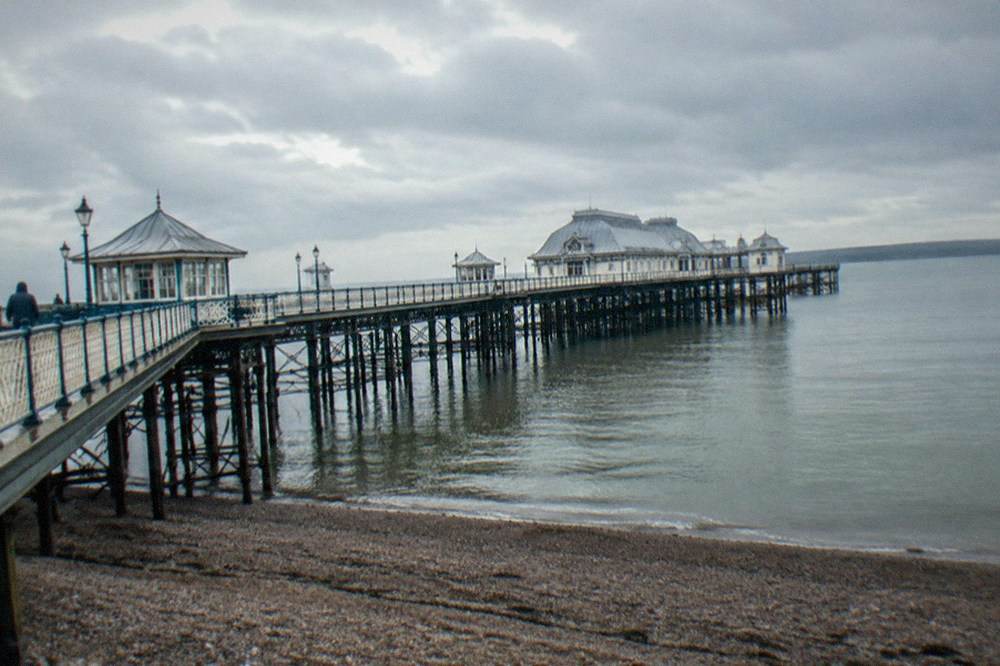
Penarth deserves more attention than it usually gets from visitors. The pier is a Grade II listed structure with a pavilion at the end that houses a cinema, which secured £65,000 from the Arts Council of Wales in September 2026 for projection and sound upgrades. The town itself is full of Italianate Victorian architecture, and the esplanade makes an easy short walk. The beach is not a lying-on-sand beach: it is shingle and mud, and the tide goes out a very long way, exposing a broad flat that locals walk dogs across. Come for the air, the pier and the ice cream rather than the swimming.
Barry Island is the opposite proposition: a proper bucket-and-spade resort. Whitmore Bay is a wide arc of golden sand backed by a promenade, beach huts, cafes and the Pleasure Park funfair, which added a new Caterpillar Coaster and upgraded bumper cars for the 2026 season. The free Barry Island Food Festival took over the promenade in June 2026, and the resort draws big crowds on sunny summer weekends, so arrive early or come by train. The station is a short walk from the sand.
Between the two, the choice is simple. If you want an hour of sea air between museum visits, Penarth wins on proximity and character. If you want children to actually play on sand, or you want a full beach day without a long drive, Barry Island wins, and you can read more in the Barry Island day trip guide.
Is Barry Island Or Penarth Better For A Half-Day Trip?
Penarth is better for a short, relaxed half-day of sea air, a pier stroll and a coffee, reachable in fifteen minutes and manageable without a car. Barry Island is better if the point of the trip is the beach itself, since Whitmore Bay offers real sand, lifeguards in season and family facilities, at the cost of bigger crowds in summer.
Both work as half-days from Cardiff, and both are on the rail network, which matters if you would rather not drive. Penarth station sits at the top of town with a ten-minute downhill walk to the esplanade; Barry Island station is practically on the beach. Neither requires booking anything in advance, which makes them the low-commitment options when the forecast improves at short notice.
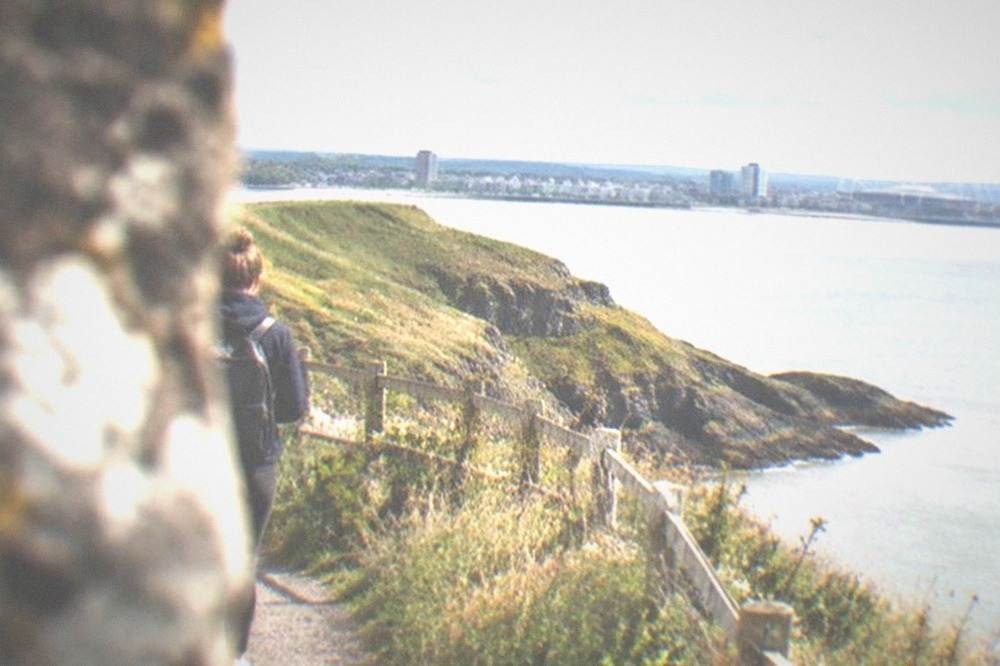
The honest caveat is tide. At low water, Penarth's beach becomes a vast mudflat, and the sand at Dunraven Bay and Ogmore-by-Sea is only fully present for the middle hours of the tide cycle. Check the tide tables before you set out for any of these, because the Bristol Channel's range means the sea can move hundreds of metres between morning and afternoon. The Penarth seafront also connects to the coastal path towards Lavernock Point, where a rare fossil jaw found on Lavernock Beach, from a fish over 200 million years old, is due to go on display at National Museum Cardiff later in 2026.
If you would rather have a full coastal day organised for you, a South Wales Cliffs, Beaches and Castles day tour from Cardiff covers coastal scenery along with inland highlights in roughly eight hours, and is rated 4.9 across 258 reviews on its live listing.
What About The Gower Peninsula Beaches?
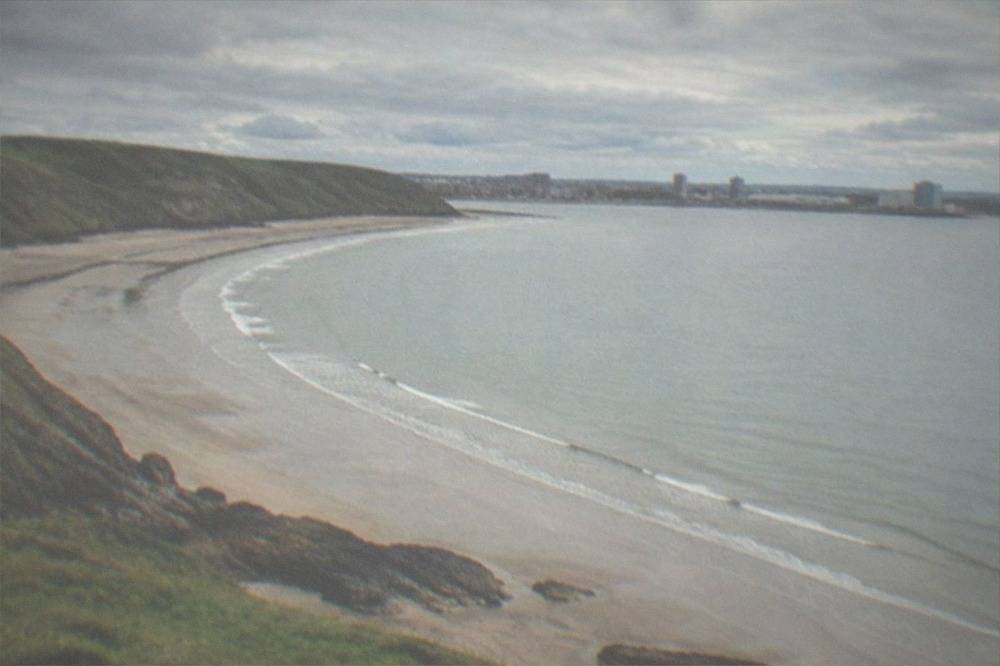
The Gower Peninsula, west of Swansea, holds the region's headline beaches: Rhossili Bay's vast sweep of sand backed by cliffs, Three Cliffs Bay's photogenic limestone arch, and the softer sands around Mumbles. The drive from Cardiff is under two hours, parking at Rhossili costs £4 for up to two hours or £8 for longer, and the Worm's Head causeway is closed to access from February to July for nesting birds.
Rhossili is the one that justifies the drive. The bay appears suddenly as you walk from the village car park, a three-mile curve of sand with the tidal island of Worm's Head at one end. The National Trust runs the Rhossili car park, charging £4 for up to two hours, £8 for longer stays, and free entry for members who scan their card; overnight parking and camping are prohibited. The car park famously fills before noon on summer weekends, and it did exactly that over the early September 2026 bank holiday, so treat an early start as part of the plan rather than an optional extra. Current charges are listed on the National Trust's Rhossili and South Gower Coast page.
Worm's Head itself is a tidal causeway island, crossable only around low tide, and access to the Outer Head is restricted every year from 1 February to 31 July to protect nesting seabirds, per the local tourism authority. Getting cut off by the tide here is a recurring incident for the coastguard, so if you cross, know the return window before you set out. The wider set of guides lives on Cardiff Travel Guide.
Three Cliffs Bay is the quieter alternative, reached on foot through Pennard's dunes, with the three limestone cliffs that give it its name framing the river as it meets the sea. It is a walk-in beach rather than a park-next-to-it beach, which keeps numbers down. Near Mumbles, Oystermouth Castle is open daily through the 2026 season with adult admission of £6, a modest add-on if you want a bit of history with your seaside.
| Gower beach | Character | Access notes |
|---|---|---|
| Rhossili Bay | Vast sand, dunes, cliff-top walks | NT car park £4/£8; fills by noon in summer |
| Three Cliffs Bay | Sand, dunes, river mouth, cliffs | Walk-in access through dunes |
| Worm's Head | Tidal island, causeway | Crossable around low tide only; closed 1 Feb to 31 Jul |
| Mumbles seafront | Promenade, pier, cafes | Easy parking and facilities |
The Gower is also the one beach destination near Cardiff where a guided tour makes obvious sense. The drive is long, the parking is competitive, and the tide windows need planning. The Gower Peninsula's Cliffs and Mumbles day tour from Cardiff runs around eight hours, is rated 4.9 across 266 reviews on its live listing, and handles the logistics while you look at the view. The Golden Gower Coast, Maritime and Mumbles tour covers similar ground with a maritime emphasis, rated 4.8 across 211 reviews.
That first tour is the one this guide would point most visitors towards, because it bundles the Gower's cliffs with the Mumbles seafront in a single day from Cardiff, and the review pool behind its rating is one of the largest on the roster. For travellers who prefer a smaller-group format or a different route emphasis, the trio of tours shown throughout this article gives you the realistic spread of options.
When Is The Best Time Of Year For A Beach Day?
Late June to early September is the reliable window for warm-weather beach days around Cardiff, when average daily highs sit 18 to 20 degrees. April and May are often dry and bright but cooler, while autumn and winter suit coastal walks rather than beach time. September can be the sweet spot, with warm sea temperatures, thinner crowds and quieter car parks.
The climate around Cardiff follows the wider Welsh pattern: July is typically the warmest month, February the coldest, and rainfall is usually highest in November and lowest in April. That makes spring a good season for cliff-path walking at Southerndown or the Gower without summer's crowds, and it makes the September shoulder season excellent for Rhossili, when the sea is at its warmest and the bank-holiday traffic has thinned out.
Winter beach days are underrated but specific. A storm-watching trip to Dunraven Bay or a bracing walk along the Penarth esplanade is a genuine pleasure, and the light on the Bristol Channel in winter can be extraordinary. What winter does not offer is rock pooling, causeway crossings or any swimming without serious cold-water kit. The seasonal opening hours of the coastal attractions also narrow: Oystermouth Castle, for instance, runs daily through late September 2026 and then weekends only in October.
Event timing matters too. Barry Island's promenade hosted a free food festival in June 2026, and summer weekends across all these beaches see the heaviest traffic and the fullest car parks. If your dates are flexible, midweek in July or any day in September gives you the same sand with far more of it to yourself.
What Should You Know About Tides And Safety?
The Bristol Channel has one of the largest tidal ranges in the world, so every beach near Cardiff changes shape twice a day. Sand that is walkable at midday can be underwater by mid-afternoon, and tidal causeways such as Worm's Head are only safe around low tide. Always check tide tables before visiting, and never judge a beach by what you see on arrival.
This is the single most important practical point in this guide. The tide does not merely rise and fall; it travels. At low water, beaches like Dunraven Bay and Ogmore-by-Sea expose hundreds of metres of sand and rock pools, and the same beach at high water can leave almost no sand at all. Arriving at the wrong point in the cycle can turn a planned beach day into a promenade day.
Specific safety notes for this coast:
| Hazard | Where it applies | What to do |
|---|---|---|
| Tidal causeway | Worm's Head, Rhossili | Cross only around low tide; check tables first |
| Rapidly rising tide | All Bristol Channel beaches | Note the waterline when you arrive and watch it |
| Cliff falls | Dunraven Bay, Southerndown, Gower cliffs | Stay off the cliff bases and rockfall zones |
| Big surf and currents | Rhossili, open Gower beaches | Swim between flags where lifeguards operate |
| Mudflats | Penarth, estuary edges | Keep to marked paths at low tide |
Lifeguard cover operates on the main managed beaches in the peak summer season, with Barry Island's Whitmore Bay the most dependably patrolled of the close options. The bathing water at Penarth is classified "good", and the current classification for any beach can be checked on the Natural Resources Wales register linked earlier. For the most part, though, this is a coast for walking, rock pooling and scenery rather than serious swimming, and treating it that way keeps the day simple.
How Do You Get To These Beaches Without A Car?
Penarth and Barry Island are both reachable by rail from Cardiff, making them the easiest car-free beach trips. The Gower has no direct rail link and patchy buses, so without a car the realistic options are a guided day tour from Cardiff or a train to Swansea plus a local bus towards Mumbles. Ogmore-by-Sea and Dunraven Bay are awkward without a car.
The rail point is worth spelling out because it is genuinely convenient. Penarth and Barry Island both sit on short branch lines out of Cardiff, with journey times well under an hour, and both stations are within walking distance of the seafront. For a spontaneous sunny afternoon, that makes them the default answer.
The Gower is different. The peninsula sits west of Swansea, and while trains from Cardiff to Swansea run regularly, the last leg to Rhossili or Three Cliffs depends on local buses that are infrequent and seasonal. Fares from Cardiff Central vary by date and time, so check live fares at booking rather than relying on a fixed figure.
That leaves two realistic car-free routes to the Gower's beaches. The first is the train-plus-bus combination via Swansea and Mumbles, doable but slow. The second is a guided tour, which is where the coast's most popular organised day trips earn their keep. A Bay and Vale of Glamorgan tour from Cardiff, rated 5 across 13 reviews on its live listing, covers the nearer coastline in around seven hours if the Gower feels like too much.
For drivers, the practical notes are parking cost and timing. Rhossili's National Trust charges are given above; Cardiff Council's district car parks elsewhere in the city offer thirty minutes free, but that is irrelevant at the coast. At Barry Island and Penarth, arrive before late morning in high summer or expect to hunt for a space. If you are weighing up a wider coastal itinerary, the Gower Peninsula day trip guide and the South Wales road trip itinerary cover the fuller routes.
One more planning thought: the coast is also where Cardiff's own waterfront connects. The Cardiff Bay Barrage is a free public walking and cycling route, and the Penarth day trip guide explains the pleasant option of walking the barrage from the Bay to Penarth, which turns a beach trip into a half-day waterfront outing without any driving at all.
Common Questions About Beaches Near Cardiff
What is the closest beach to Cardiff?
Penarth is the closest seaside town, roughly fifteen minutes by car or a short train ride from Cardiff, with a Victorian pier and a shingle beach. The nearest large sandy beach is Whitmore Bay at Barry Island, around thirty minutes away.
Can you swim at beaches near Cardiff?
Yes, in the right conditions and at the right beaches. Whitmore Bay at Barry Island is the most dependably lifeguarded option in summer, and Penarth holds a "good" bathing water classification. The sea is cold year-round, and the huge tidal range means swimming windows are limited.
How far is Rhossili Bay from Cardiff?
Rhossili Bay on the Gower Peninsula is under two hours' drive from Cardiff. The National Trust car park charges £4 for up to two hours or £8 for longer, and it regularly fills before noon on summer weekends.
Can you walk to Worm's Head?
Worm's Head is a tidal causeway island at Rhossili, crossable only around low tide. Access to the Outer Head is restricted every year from 1 February to 31 July to protect nesting seabirds.
Which beaches near Cardiff are best for families?
Barry Island's Whitmore Bay is the standout family option, with golden sand, a promenade, cafes, beach huts and the Pleasure Park funfair, plus a Seaside Award for 2026. It is about thirty minutes from Cardiff and reachable by train.