Cardiff Bay Barrage: What To Expect On The Walk
The Cardiff Bay Barrage is a free, 1.1-kilometre walk and cycle route linking Cardiff Bay to Penarth, with a visitor centre, locks, fish pass and open views across the water.
Short answer
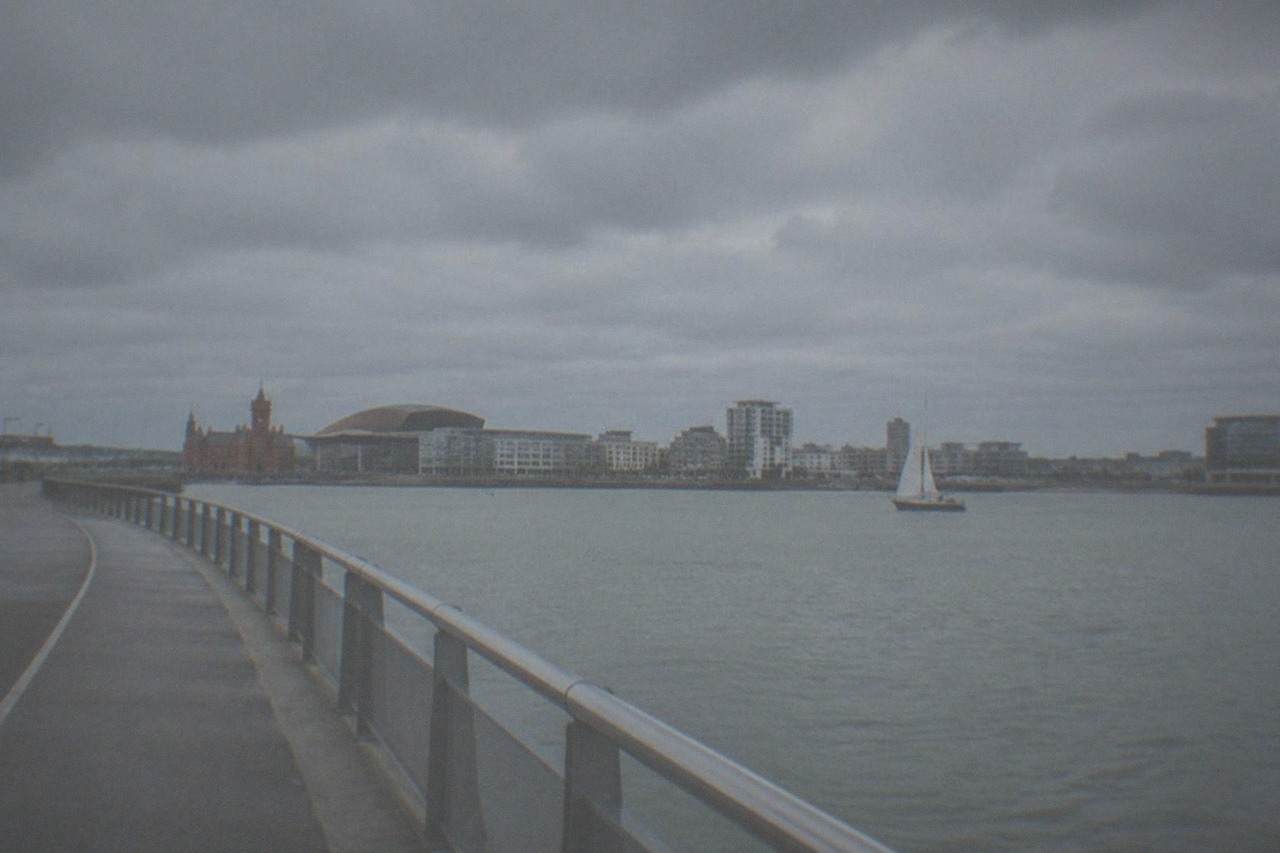
The Cardiff Bay Barrage is a free public walking and cycling route across the mouth of Cardiff Bay, roughly a mile from the Bay's restaurants to Penarth. There is no admission fee at any time. Expect open water views, working locks, a fish pass, play areas and, from 2026, a new outdoor exercise park under construction along the route.
Cardiff Bay is tidal water held in place by one of the most ambitious engineering projects in modern Wales. The Cardiff Bay Barrage closes off the mouths of the Rivers Taff and Ely from the Bristol Channel, keeping the Bay at a constant level and creating the calm waterfront the city now shows off to 18.69 million visitors a year. For a visitor, though, the barrage is something simpler and better: a free, flat, year-round walk and cycle route that crosses the water from Mermaid Quay to Penarth, with open views the whole way. This guide covers what the barrage is, what you will actually see on the crossing, how to get there, and how it compares with seeing the Bay from a boat.
What Is The Cardiff Bay Barrage?
The Cardiff Bay Barrage is a dam and public route built across the mouth of Cardiff Bay, holding the Bay at a constant high water level while the Bristol Channel tide rises and falls outside it. It is free to walk or cycle across at any time of day, it links Cardiff Bay to Penarth on the western shore, and it carries locks for boats, a fish pass, sluice gates, a visitor centre and open parkland along its length. Most visitors treat it simply as a spectacular seaside promenade, and that is a perfectly good way to use it.
The barrage is the reason Cardiff Bay looks the way it does. Before it existed, the Bay was a patchwork of mudflats that emptied twice a day with the tide, one of the largest tidal ranges anywhere on the British coast. Impounding the water transformed the derelict dockland into a permanent lake, and the regeneration that followed, the Wales Millennium Centre, the Senedd, the apartments and the restaurants, all sits on that foundation. The engineering is not decorative: the locks still raise and lower boats between the Bay and the Channel, and the sluices manage river flow after heavy rain on the Taff and Ely.
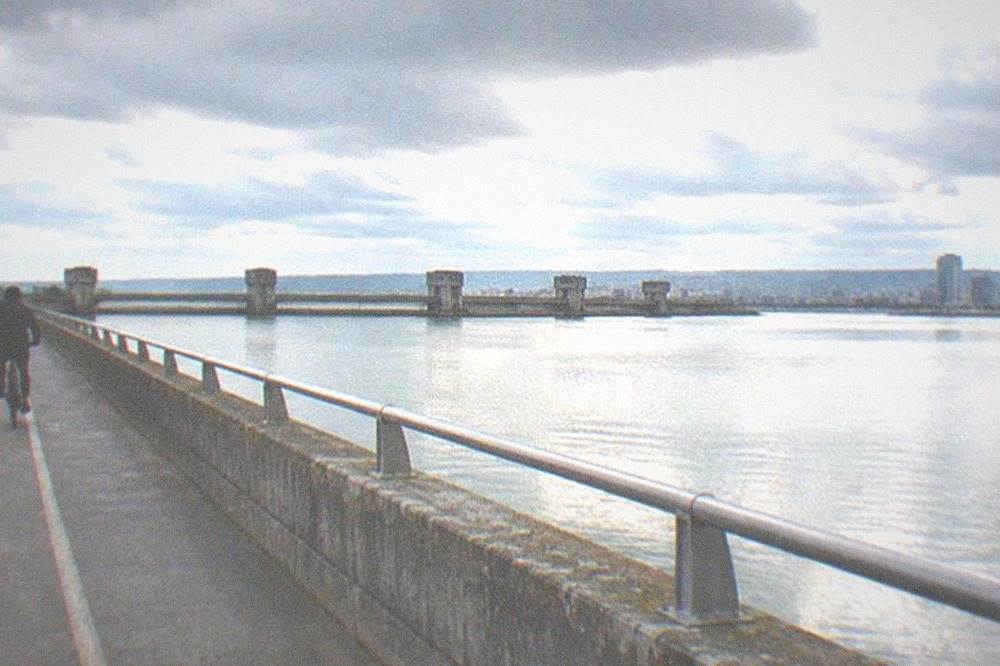
Walking the full route, you are never more than a few steps from the machinery that makes it work. The outer harbour on the Penarth side is where the locks sit, and you can usually watch yachts and small vessels passing through. The fish pass, one of the largest of its kind when built, lets salmon and sea trout move between river and sea. None of it is fenced off behind ticket barriers. The barrage operates as a public park, and Cardiff Council and the Cardiff Harbour Authority treat it as one.
For context on how the Bay fits together, our guide to Cardiff Bay as an area covers the waterfront, the Senedd and the dining quarter on the eastern side, and Mermaid Quay, the barrage's starting point, covers the shops and restaurants you will pass at the start of the walk.
Is The Cardiff Bay Barrage Free To Visit?
Yes, the Cardiff Bay Barrage is completely free. There is no admission fee, no ticket office and no charge for walking or cycling the route at any time of day. The Senedd and the Wales Millennium Centre foyer, both within a short walk of the barrage's eastern end, are also free public spaces, which makes an entire day around the Bay possible without paying a single entry fee.
That free access is worth dwelling on, because it is not true of everything in the city. Cardiff Castle charges adults £16, the Principality Stadium tour is £19.50 booked online, and Castell Coch and Caerphilly Castle charge £10.40 and £12.90 respectively under Cadw's single-site pricing. The barrage, by contrast, sits in the same category as the National Museum Cardiff and St Fagans National Museum of History: public space that costs nothing to enter. If you are building a budget trip around the city, it belongs on the list alongside our suggestions for free things to do in Cardiff.
| Cardiff Bay sight | Admission | Notes |
|---|---|---|
| Cardiff Bay Barrage | Free | Open walking and cycling route, no ticketing |
| Senedd | Free | Public gallery, exhibitions and bookable free tours |
| Wales Millennium Centre foyer | Free | Performances ticketed separately |
| Cardiff Bay Boat Tour | Paid | See the operator's live listing for current pricing |
| Mermaid Quay | Free to enter | Restaurants and shops priced individually |
The only costs you are likely to incur on the barrage itself are the ones you choose: an ice cream from the kiosks near the Penarth end, a coffee at the Bay end, or parking if you drive. Drivers should note that Mermaid Quay opened a new 679-space multi-storey car park in June 2026, more than doubling the previous capacity at the Bay, which has eased what used to be a genuine constraint on summer weekends.
If you would rather have a guide alongside the free stuff, there are good paid options that pair with a barrage walk. A boat tour of the Bay is the natural companion, and a guided city walk fills in the history on the land side.
How Long Is The Barrage Walk And What Will You See?
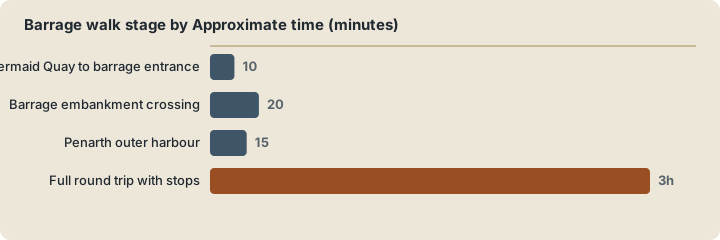
The barrage crossing itself is about a mile, 20 to 30 minutes at a relaxed walking pace, and most visitors allow two to three hours for the round trip with stops at the locks, the fish pass, the play areas and the Penarth end. The surface is flat and paved throughout, suitable for pushchairs and wheelchairs, and the views change constantly, from the Bay's buildings behind you to the open Bristol Channel and the Somerset coast ahead.
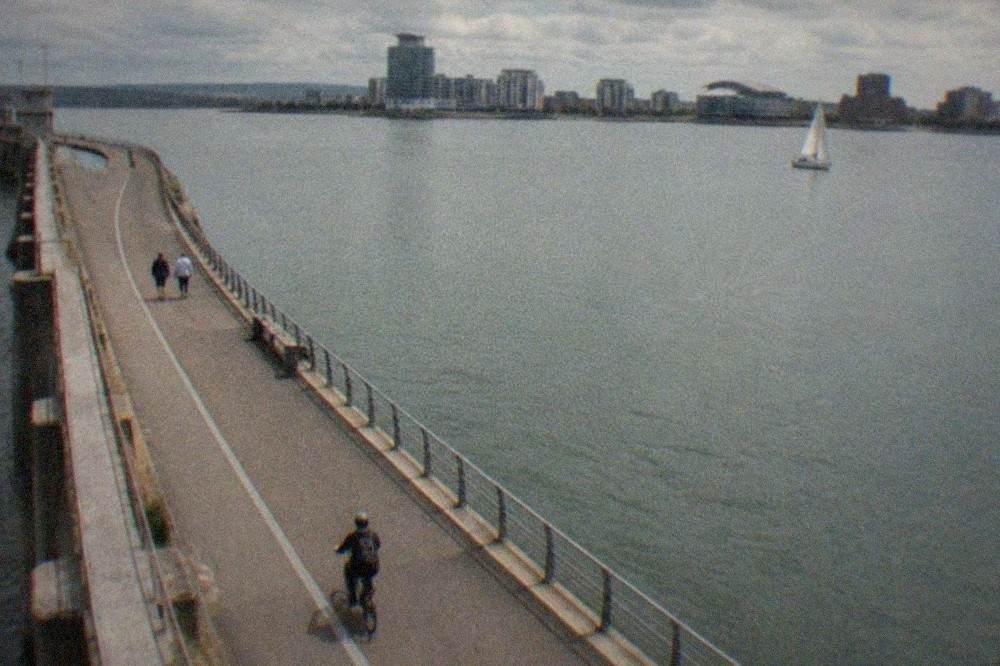
Start from Mermaid Quay and head west along the waterfront. The first stretch passes the Wales Millennium Centre and the Senedd on your right, then the path bends out onto the barrage embankment itself, and the character changes completely. The city drops away. What you get instead is water on both sides: the impounded Bay to the east, flat and reflective, and the Channel to the west, still tidal, still moving. On a clear day the horizon across the Channel is the English coast.
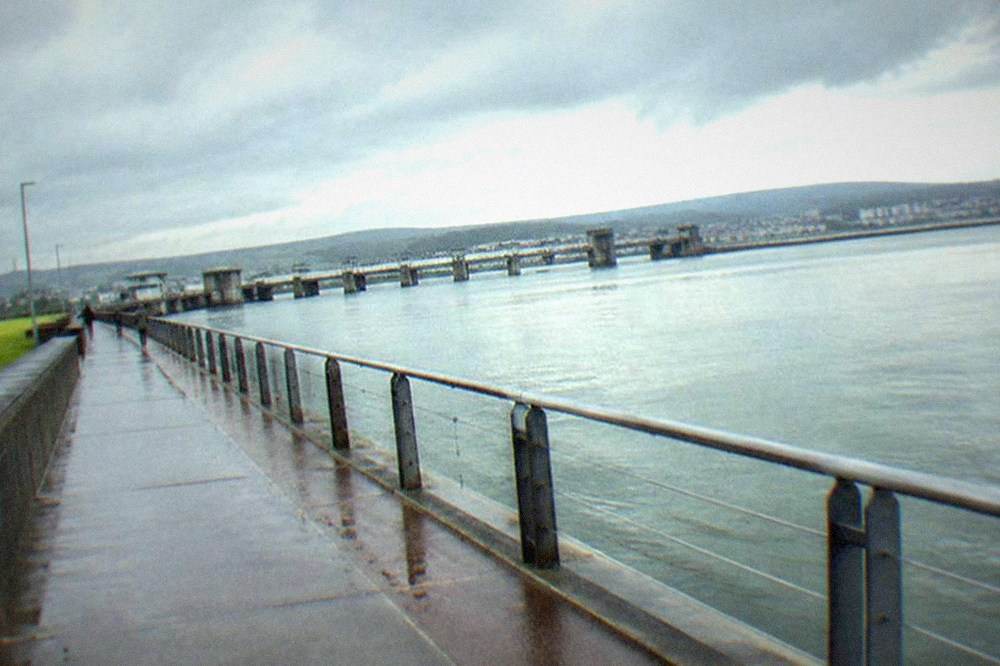
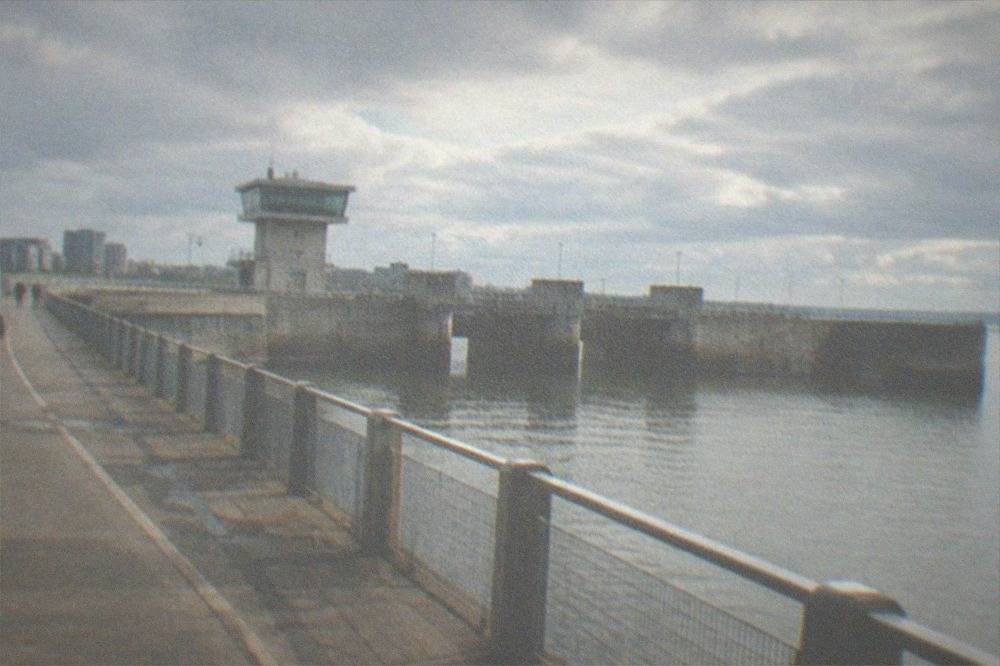
The middle of the barrage is where the engineering lives. The lock gates and control tower sit along this stretch, and if a boat is passing you can stand directly above the lock and watch the water level shift between the Bay and the sea. The fish pass runs alongside, a stepped channel that lets migratory fish climb between salt and fresh water. Interpretation boards along the route explain the scheme, and they are genuinely worth a pause, because the scale of what was built here is easy to miss when you are simply enjoying the walk.
At the Penarth end you reach the outer harbour, a small marina with a different mood from Cardiff Bay: quieter, more local, with boats at their moorings and the Esplanade climbing towards Penarth town above. Many walkers turn around here. The alternative is to extend the day into Penarth itself, the Victorian pier and seafront 15 minutes' drive from central Cardiff, which our Penarth day trip guide covers in full.
| Barrage walk stage | Approximate time | What to expect |
|---|---|---|
| Mermaid Quay to barrage entrance | 10-15 min | Waterfront path past the Senedd and Millennium Centre |
| Barrage embankment crossing | 20-30 min | Open views, locks, fish pass, interpretation boards |
| Penarth outer harbour | 15-20 min | Marina, boats, option to continue into Penarth |
| Full round trip with stops | 2-3 hours | Play areas, kiosks, photography stops |
Families should know the route is well set up for children: there are play areas along the embankment, the water is generally below the path edge rather than lapping at it, and the flat surface means scooters and bikes travel easily. The new calisthenics park, once complete, will add free-to-use exercise equipment, sports courts and a running loop, all wheelchair accessible, which broadens the route's appeal beyond walkers and cyclists.
Cycling, Watersports And The New Exercise Park
Cycling is the fastest-growing use of the barrage, and the route forms part of a traffic-free corridor between Cardiff Bay and Penarth that suits everything from family bikes to road cyclists. The surface is smooth asphalt throughout, there are no gates or steps on the main line, and the new calisthenics park being built on the barrage from August 2026 will add obstacle lanes, courts and accessible gym equipment for the first time.
The cycling case is straightforward. From the Bay, the barrage delivers you into Penarth without touching a road, and the return can loop inland through countryside or back the way you came. Guided cycle tours of Cardiff also use the route; one operator's offering is rated 5 across 131 reviews and covers the Bay and barrage as part of a wider city circuit. For independent riders, the main caution is weekend crowding in summer: the path is shared with pedestrians, and the middle section narrows slightly around the lock structures, so keep speed down there.
Watersports sit just off the route. Cardiff International White Water, the rafting and kayaking centre, is a short distance from the Bay on the eastern side, and the impounded water means the Bay itself is used by rowers, paddleboarders and sailors year-round, unaffected by the tide that governs everything beyond the barrage. The Cardiff Harbour Authority's local notice to mariners is the authoritative source for current locking arrangements, and its 2025 notice introduced weekday locking restrictions, outbound on the hour and inbound at 45 minutes past, in response to low river flows. If you are watching the locks, that rhythm is why boats cluster at particular times.
Cardiff Bay Barrage Or A Boat Tour: Which Is Better?
They are not rivals, they are two halves of the same view. The barrage shows you the Bay from above and beside the water, free and at your own pace, while a Cardiff Bay boat tour puts you on the water, drifting past the barrage, the Senedd and the waterfront with commentary. The tour is rated 3.8 across 427 reviews, a mixed pool, so read recent feedback before booking; the barrage walk is free and needs no review.
The honest read on that rating is that the boat experience divides opinion. Positive reviews tend to praise the perspective and the commentary on the Bay's regeneration; critical ones usually mention short duration or crowding at peak times. At 427 reviews it is one of the most-reviewed visitor experiences on the Cardiff roster, so the sample is real, unlike some listings with single-figure review counts. Our advice: take the barrage walk first, in the morning, then decide whether you still want the water-level view. Many people find the walk satisfies the itch entirely. The full index of guides sits on Cardiff Travel Guide.
If you do book, the standard advice applies: confirm the departure point, which is normally on the waterfront near Mermaid Quay, and check the operator's live listing for current times and pricing, since both vary by season. Most bookings on this roster can be cancelled free of charge up to 24 hours before departure, which makes it a low-risk add-on to a day that is otherwise free.
Combining The Barrage With A Guided City Walk
The barrage covers Cardiff's waterfront; it does not cover its history. A two-hour guided walking tour of the city centre fills that gap, and the two pair naturally into one day, the walk in the morning, the barrage crossing in the afternoon as the crowds thin. One city option, Cardiff's story told by a local guide, is rated 4.9 across 12 reviews, a small pool but a consistently strong one.
The pairing works because the barrage is self-explanatory in a way the city centre is not. Standing on the embankment, the story is mostly visible: the water, the locks, the skyline. In the centre, the layers are hidden, the arcades, the castle walls, the streets that carry a thousand years of Welsh political and industrial history, and a guide earns their fee there. After a morning of that, the barrage's open horizon is exactly the palate cleanser you want.
There is also a free option worth knowing about. A tip-based walking tour, Blodwen the Welsh Woman's Best Bits of Cardiff, runs on the GuruWalk platform, is rated 4.98 across 111 reviews, and is one of the few genuinely live free walks in the city. Free in this context means you tip the guide at the end, so budget accordingly.
Getting There, Parking And Practical Tips
The barrage's Cardiff end is a 20 to 25 minute walk from Cardiff Central station through the Bay, or a short bus or taxi ride; drivers should use the new Mermaid Quay multi-storey car park, which added 679 spaces in June 2026. The route is step-free, surfaced and lit, but bring layers, because the embankment is exposed to Channel wind even on days when the city centre feels calm.
Public transport details are worth checking live rather than trusting fixed figures. Bus fares within Cardiff are published on the operator's own fare pages, and train fares from Cardiff Central vary by route and time, so consult the operators directly for current pricing. The Bay can also be reached on foot or by bike from the centre in under half an hour, and that approach, along with everything else about moving around the city, is covered in our getting around Cardiff guide.
| Practical point | Detail |
|---|---|
| Access points | Mermaid Quay (east) and Penarth outer harbour (west) |
| Surface | Flat, paved, step-free, shared-use for walkers and cyclists |
| Parking | Mermaid Quay multi-storey, 679 spaces, opened June 2026 |
| Toilets | Available at the Bay end and at visitor facilities along the route |
| Best for | Families, cyclists, photographers, free sightseeing |
| Allow | 2-3 hours for a relaxed round trip with stops |
A few honest cautions. Construction of the calisthenics park began in August 2026, so sections of the embankment may be fenced off while work completes, and the Cardiff Council newsroom announcement is the reliable source for the project's scope. Wind is the barrage's one great variable: the structure exists to hold back the Bristol Channel, and the weather that comes off it arrives unfiltered. Check a forecast before you set out, and treat the walk as a fair-weather plan with an indoor fallback, which our rainy day in Cardiff itinerary provides.
When To Walk The Barrage And What Comes Next
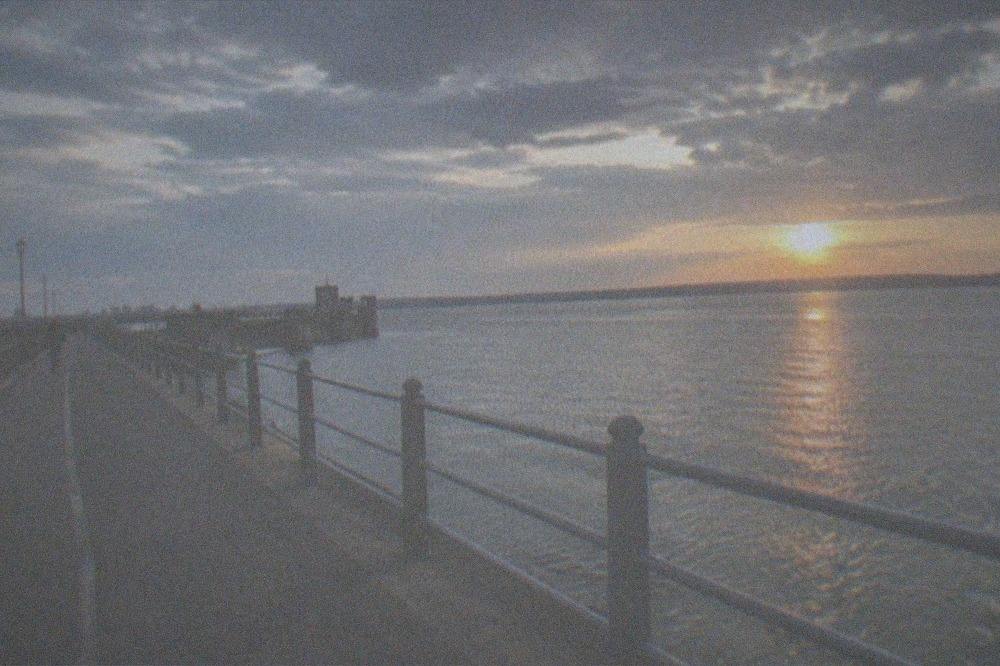
Early morning and the hour before sunset are the best times on the barrage: light, quiet and, at dawn, often rowing crews on the flat Bay water. Summer weekends are the busiest and most weather-dependent; winter walks are shorter on daylight but frequently dramatic, with the Channel at its most visible. The Bay's longer-term future, including a planned 16,500-capacity arena due to open in 2028, will only add reasons to return.
The tidal point deserves a mention, because it is the barrage's whole purpose. Inside the impoundment the water level barely moves; outside, the Channel still swings through one of the largest tidal ranges on the British coast. You can stand at the lock gates and see both at once. Specific tide times change daily and should be checked against a live tide table rather than guessed, but the contrast itself is permanent and free to watch.
For a bigger day out built around the same water, a guided tour combining Cardiff Bay with the Vale of Glamorgan coast is rated 5 across 13 reviews and runs around seven hours, pairing the Bay with the coastline the barrage faces. It is one way to see both sides of the structure in a single trip.
However you assemble the day, the barrage itself asks nothing of you but time. It is the rare major attraction that is simultaneously a piece of national infrastructure, a park, a viewpoint and a shortcut, and it costs exactly nothing. Walk it once for the views, then again for the engineering, and you will have seen a side of Cardiff most visitors never do.
Common Questions About The Cardiff Bay Barrage
Is the Cardiff Bay Barrage free?
Yes. The barrage is an open public walking and cycling route with no admission fee, no ticket office and no charge at any time of day. The Senedd and the Wales Millennium Centre foyer, both near the eastern end, are also free public spaces.
How long does it take to walk the Cardiff Bay Barrage?
The crossing itself is about a mile and takes 20 to 30 minutes at a relaxed pace. Most visitors allow two to three hours for a round trip with stops at the locks, the fish pass, the play areas and the Penarth outer harbour.
Can you cycle across the Cardiff Bay Barrage?
Yes. The route is a paved, step-free, shared-use path popular with cyclists, and it forms part of a traffic-free corridor between Cardiff Bay and Penarth. Guided cycle tours of the city also use it. Expect weekend crowding in summer and keep speed down near the lock structures.
Where does the Cardiff Bay Barrage start and end?
On the Cardiff side it begins at the waterfront near Mermaid Quay, passing the Senedd and the Wales Millennium Centre. On the west it ends at the Penarth outer harbour, from which Penarth town and its Victorian seafront are a short walk uphill.
Is the Cardiff Bay Barrage suitable for wheelchairs and pushchairs?
Yes. The entire route is flat and paved with no steps or gates on the main line, and the new outdoor exercise park under construction on the barrage includes wheelchair-accessible equipment among its planned facilities.
What is being built on the Cardiff Bay Barrage?
A new calisthenics park, described as the largest outdoor exercise area in a Cardiff park, with obstacle lanes, sports courts, a 120m running loop and accessible equipment. Work was scheduled to begin in early August 2026, so some sections may be fenced off while construction completes.