St Fagans National Museum Of History: What To Expect, Costs And Opening Times
St Fagans National Museum of History is Wales' most visited attraction and, remarkably, one you can walk into without paying a penny. Here is how to plan a day there, from parking and opening times to the buildings, farm and food you will find inside.
Short answer
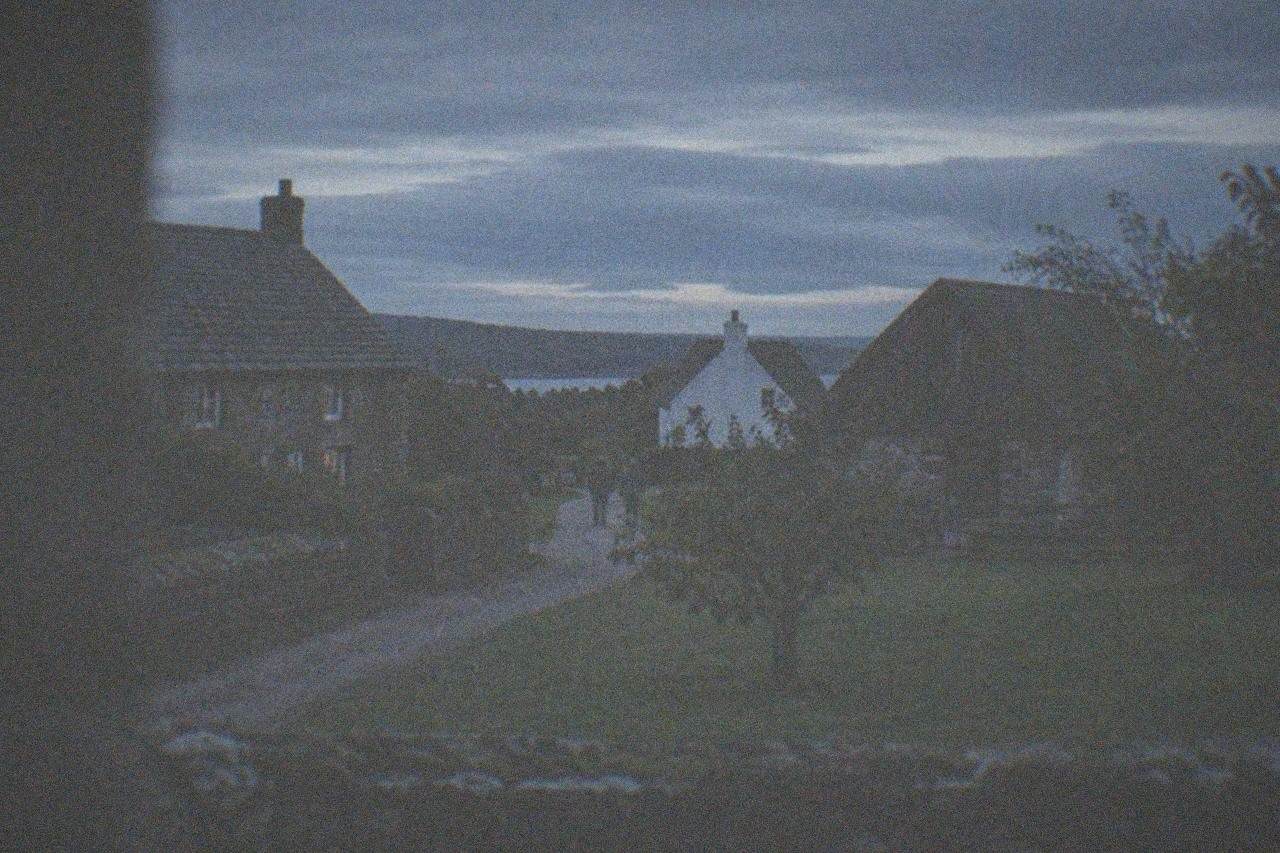
St Fagans National Museum of History is a free open-air museum in western Cardiff, open daily 10:00-17:00 with parking at £7 for the day. 570,207 people visited in 2025, making it Wales' most visited attraction. Expect historic buildings moved from across Wales, craft demonstrations, gardens and farm animals, all reached by bus or a short drive from the city centre.
St Fagans National Museum of History welcomed 570,207 visitors in 2025, keeping its place as Wales' most visited attraction for the third consecutive year, according to the Association of Leading Visitor Attractions. It achieved that while charging nothing for entry. In a country already generous with free museums, St Fagans is the standout: an open-air museum where more than forty historic buildings have been dismantled across Wales, transported to a parkland estate west of Cardiff city centre, and rebuilt brick by brick. You walk through a farmstead, a chapel, a row of ironworkers' cottages and a Tudor merchant's house in a single afternoon, and you pay nothing at the gate.
This guide covers what St Fagans is, what you can see, what it genuinely costs, opening times, how to get there, where to eat, and how it fits into a wider Cardiff trip. It is written for a real visitor planning a real day, so it includes the current works and closures that affect what you will actually find on the ground.
What Is St Fagans National Museum Of History?
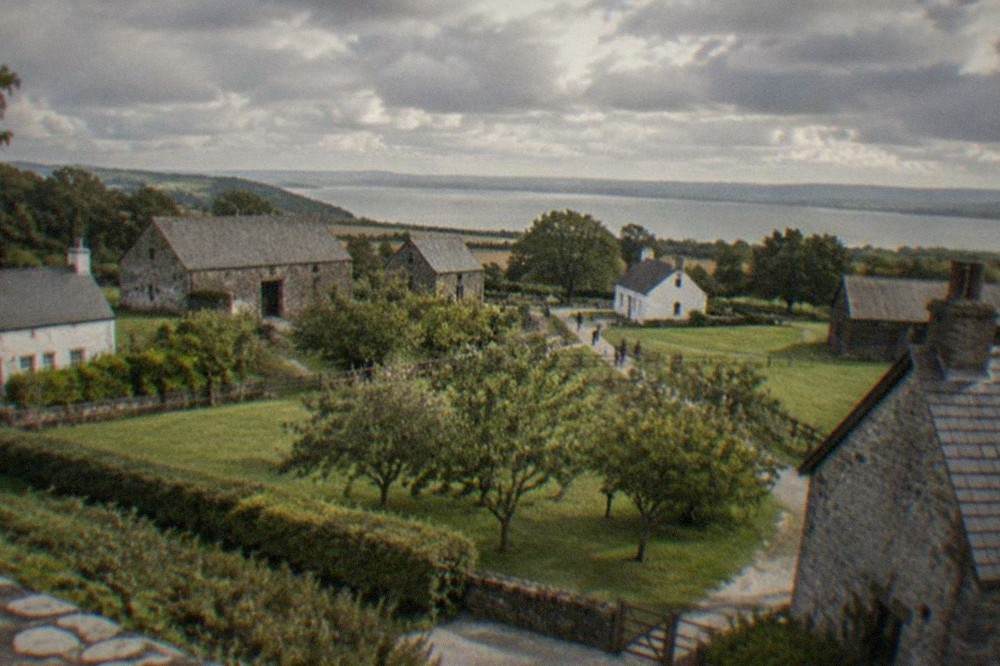
St Fagans National Museum of History is a free open-air museum on the outskirts of Cardiff, where historic buildings from all over Wales have been rebuilt on the grounds of a former aristocratic estate. It is one of seven museums run by Amgueddfa Cymru, the Welsh national museum network, and entry is funded by the Welsh Government. 570,207 people visited in 2025, making it the most visited attraction in Wales for the third year running.
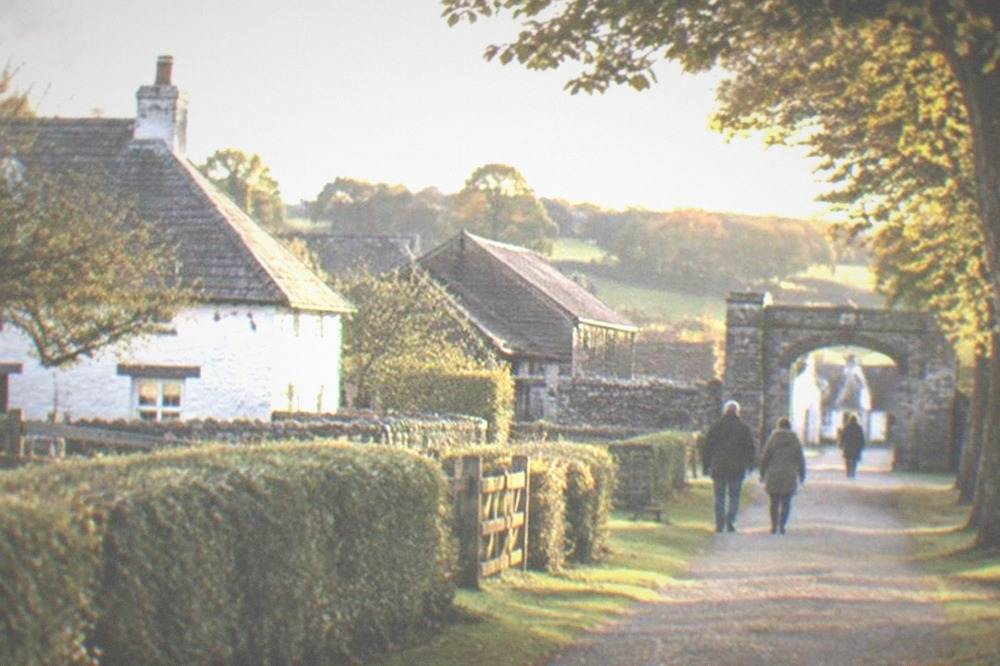
The idea behind St Fagans is deceptively simple and quite radical. Rather than displaying Welsh domestic life behind glass, the museum brings the buildings themselves to the visitor. A terrace of workmen's cottages from Merthyr Tydfil, a medieval church from Dyfed, a cockpit, a bakery, a tollhouse and a row of shops all stand in the grounds of St Fagans Castle, a Grade I listed manor house. You do not read about how people lived in industrial Wales, you walk through their kitchens.
The museum sits in the village of St Fagans, roughly five miles west of Cardiff city centre, and shares its site with the castle and its formal gardens. The grounds are extensive, easily a full afternoon of walking even before you step inside a single building. That scale is part of why it tops the visitor numbers: it works as a museum trip, a park walk and a family day out at the same time.
It also has a claim that few attractions anywhere can make. In 2026, Which? ranked it the UK's best free-to-visit day out among museums and galleries, scoring 94 per cent in its analysis. That came alongside recognition from the Green Flag scheme, with the wider Cardiff park network retaining 21 Green Flag Awards. For a free attraction in a city of 383,919 residents to draw over half a million annual visits tells you how much of its audience arrives from beyond Cardiff, and how many locals keep coming back.
For more free museums in the city, see our guide to free things to do in Cardiff, which pairs St Fagans with the National Museum Cardiff and other no-cost sights.
What Can You See At St Fagans?
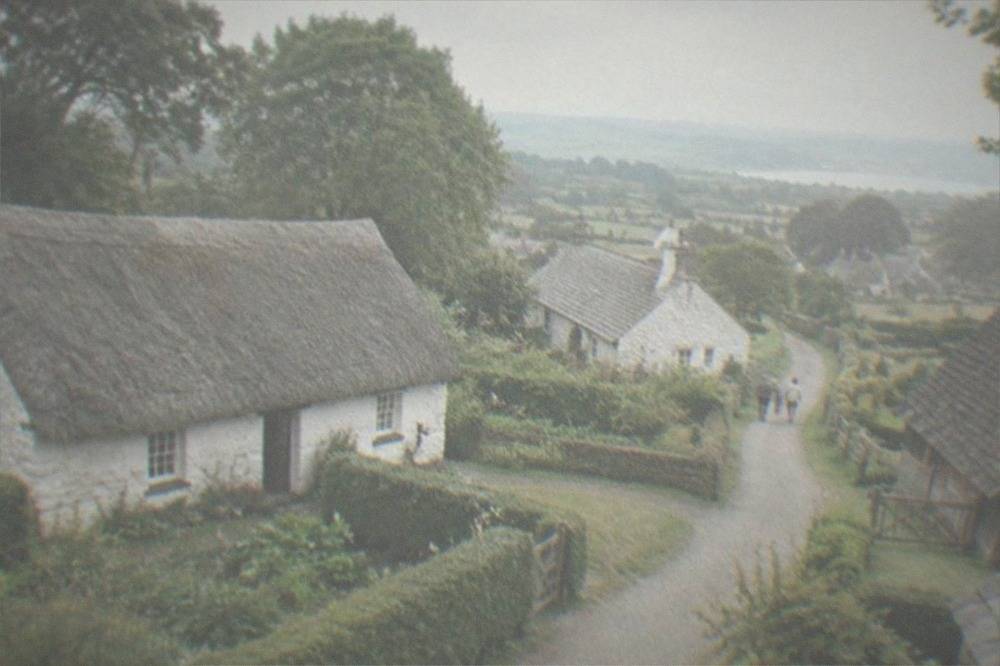
The core of a visit is the collection of more than forty rebuilt historic buildings, spread across the castle grounds: workers' cottages, farmhouses, a chapel, a school, shops, workshops and a working bakery, plus craft demonstrations, traditional breed farm animals and extensive gardens. St Fagans Castle itself is open to walk around, though re-roofing work currently limits access to some rooms, and the Llwyn-yr-eos Farm area is closed for woodland work.
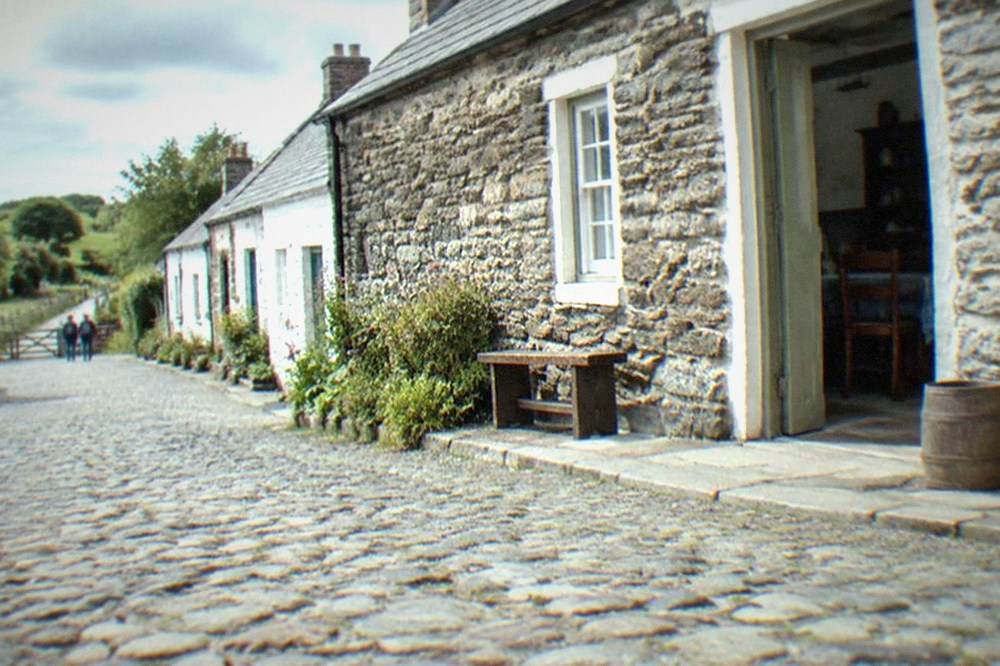
The buildings are the reason to come. Each one was moved from its original site in Wales and re-erected at St Fagans, furnished to a specific period. The row of ironworkers' cottages from Rhyd-y-car near Merthyr Tydfil is the classic example: six small homes showing the same rooms furnished at different dates, so you can see how working-class domestic life changed over the decades, from oil lamps to washing machines. A medieval church from Maenclochog stands nearby, alongside a Unitarian chapel, a cockpit and a Victorian schoolroom.
Craft demonstrations run through the site. Traditional skills are practised in front of you rather than explained on panels: blacksmithing, weaving, pottery and woodwork all appear depending on the day and season. The working bakery, with its wood-fired oven, is a reliable favourite and a good reason to arrive before the bread sells out. The gardens range from the formal beds around the castle to kitchen gardens and orchards attached to the historic houses.
Two current caveats matter for planning. St Fagans Castle is undergoing re-roofing, which limits access to some rooms inside the house. And Llwyn-yr-eos Farm, the section with traditional-breed livestock, is closed while woodland work is carried out. The farm animals are a big part of the family appeal, so if that is a priority for your visit, check the museum's own site before you set out. Neither closure affects the main streets of rebuilt buildings, the castle gardens or the craft demonstrations.
The museum's official visit page at museum.wales/stfagans/visit carries the current list of what is open, and it is the right place to check on the day.
Here is how the main areas of the site break down:
| Area of the site | What it covers | Notes for visitors |
|---|---|---|
| Historic streets and cottages | Rebuilt houses and shops from across Wales, furnished by period | The heart of the museum, allow the most time here |
| St Fagans Castle and gardens | Grade I listed manor house, formal gardens | Re-roofing work limits some rooms |
| Craft workshops | Blacksmith, weaver, potter and other working demonstrations | Vary by day and season |
| Working bakery | Traditional bread baked on site | Popular, sells out on busy days |
| Llwyn-yr-eos Farm | Traditional-breed farm animals | Closed for woodland work, check before visiting |
| Galleries and entrance building | Indoor displays, shop and cafe | Useful fallback in rain |
One honest note on scope: St Fagans is not a covered museum with a fixed route, it is a landscape. On a dry day it is one of the best afternoons in South Wales. In heavy rain, parts of it lose their appeal, and you will want to time the indoor galleries and workshops around the weather. Our rainy day in Cardiff itinerary covers the alternatives if the forecast turns.
If you would rather have a structured day out from the city with a guide handling the route, there are bookable options that depart from Cardiff, and the selection below compares two of them.
To be clear about what those tours are, because it matters: neither is a tour of St Fagans. They are days out from Cardiff that suit travellers using the city as a base, one heading into the Welsh countryside for castles and heritage sites, the other a city walking experience with a local guide. St Fagans itself needs no tour, since entry is free and the site is self-guided by design.
How Much Does St Fagans Cost To Visit?
Entry to St Fagans is completely free, funded by the Welsh Government, and there is no ticket to book for general admission. The main cost is parking, at £7 for the day or a season ticket if you plan repeat visits. Some special events charge separately, and the on-site cafe and bakery cost extra. A family of four arriving by car should therefore budget £7 for the whole day.
That £7 figure is the honest total for most visitors, and it is worth stating plainly because the free entry is the single most surprising fact about the attraction. There is no suggested donation gate, no roped-off premium wing, no charge for the historic buildings. The museum's own visit page confirms free entry with parking at £7 per day.
The comparison with Cardiff's other paid sights is stark. Cardiff Castle charges adults £16 for a standard ticket. A Principality Stadium tour is £19.50 booked online, £21 on the walk-up. Castell Coch, the fairytale castle on Cardiff's northern edge, is £10.40 for an adult, and Caerphilly Castle is £12.90. Against that backdrop, a full day at Wales' most visited attraction for nothing but the parking is exceptional value, and it explains why so many Cardiff visitors make the trip west.
| Cardiff attraction | Adult entry | Notes |
|---|---|---|
| St Fagans National Museum of History | Free | Parking £7/day, some events charge |
| National Museum Cardiff | Free | Closed Mondays |
| Cardiff Castle | £16 | Standard castle ticket |
| Principality Stadium tour | £19.50 online | Walk-up £21, closed on event days |
| Castell Coch | £10.40 | 5% off booked online, Cadw |
| Caerphilly Castle | £12.90 | Joint ticket with Castell Coch available |
A word on spending beyond the gate. The cafe, bakery and shop are where the museum earns its keep, and they are worth budgeting for rather than avoiding. The bakery in particular has a strong claim to be the best-value food on any museum site in Britain. If you want to keep the day at almost zero, the grounds are picnic-friendly and the surrounding parkland has plenty of benches.
For a fuller picture of no-cost sights in the capital, our free things to do in Cardiff guide covers the National Museum, the Senedd, the Bay Barrage and more alongside St Fagans.
What Are The Opening Times At St Fagans?
St Fagans is open daily from 10:00 to 17:00, including bank holidays except over Christmas, with some seasonal variation through the year. The indoor galleries and some historic buildings close earlier than the grounds, so a mid-morning arrival gives you the fullest day. It closes completely over the Christmas period, and specific event days can change access, so check the museum's site before travelling on an unusual date.
The daily 10:00-17:00 pattern is the headline, and it is generous: unlike the National Museum Cardiff, which closes on Mondays, St Fagans opens seven days a week. That makes it the reliable default for a Monday in Cardiff, when several other free museums are shut and the weather does not cooperate with outdoor plans.
A few practical points sit behind the headline times. The grounds are large, and the last hour of any visit tends to be a walk back toward the entrance rather than a fresh exploration, so arriving at opening time genuinely buys you more. Some individual buildings and craft workshops keep their own hours depending on staffing, and the castle's re-roofing work may affect interior access on any given day. In winter the light goes early in Wales, and an open-air museum in December is a different experience from the same site in June.
| Time of year | What to expect |
|---|---|
| Spring and summer | Full opening, craft demonstrations most active, gardens at their best |
| Autumn | Quieter weekdays, woodland colour in the park |
| Winter | Earlier dusk, some buildings may close, dress warmly |
| Bank holidays | Open as normal except over Christmas |
| Christmas period | Closed, exact dates on the museum site |
The museum's own planning page at museum.wales is the authority on the day's hours, and it is worth a ten-second check if your visit falls near a holiday or a special event weekend.
How Do You Get To St Fagans?
St Fagans sits about five miles west of Cardiff city centre, reachable by regular bus services from the centre in 25 to 30 minutes, by car via the A48 with on-site parking at £7 for the day, or by train to Fairwater or Danescourt stations followed by a walk of roughly a mile. Cycling is also practical, as the site sits near Cardiff's western suburban network of routes.
The bus is the standard answer for visitors without a car. Services from the city centre stop close to the museum entrance, and the journey is short enough that St Fagans works as a spontaneous half-day trip rather than an expedition. Fares are published on the operator's own fare pages, and contactless payment is accepted on board, so there is no need to work out tickets in advance. Everything else covered here is indexed on Cardiff Travel Guide.
Driving is straightforward: the museum is signed from the A48, and the on-site car park is large, though it fills on bank holiday weekends and during special events when the site draws its biggest crowds. The £7 day charge is paid on site. Blue Badge holders should find accessible bays near the entrance, and the site itself has worked hard on step-free routes across the main paths, though some historic building interiors have narrow or stepped access by their nature.
For context on how the city's transport fits together, our getting around Cardiff guide covers buses, trains and walking routes in full, and the where to stay in Cardiff guide explains which neighbourhoods put you closest to the western bus routes that serve St Fagans.
One thing not to do is assume you can walk there from the centre. Five miles of suburban road is not a pleasant stroll with a family in tow. Treat it as a short bus ride or a drive, and save your walking legs for the museum grounds, which is where they will be well used.
What Is There To Eat At St Fagans?
The main options are the on-site cafe near the entrance, the working bakery selling traditional breads and cakes baked in a wood-fired oven, and seasonal food stalls during events, with picnic space across the grounds for anyone bringing their own. Prices are in line with what you would expect from a museum cafe, so a picnic is the budget route. The bakery is the standout and often sells out by mid-afternoon on busy days.
The bakery deserves its own sentence. Watching bread come out of a traditional oven, and buying a loaf still warm, is one of the small experiences that makes St Fagans feel like a living site rather than a static one. It is genuinely popular, and on weekends and bank holidays the best loaves go early. If a bakery visit is part of your plan, go before lunch rather than after.
The main cafe handles the standard museum menu, and it does the job for a family lunch without leaving the site. Around the grounds, the historic buildings include food-related exhibits, among them a bakery, a sweet shop and a traditional grocery, though these are displays rather than full restaurants.
For eating beyond the museum, the wider question of where to eat in the city is covered in our restaurants in Cardiff guide, and the Pontcanna neighbourhood, on the route between St Fagans and the centre, has some of the best independent food in the city, including Gorse, Cardiff's first Michelin-starred restaurant.
Is St Fagans Good For Families And Rainy Days?
St Fagans is one of the best family days out in Wales, with farm animals, open space, craft demonstrations and buildings children can walk through rather than look at, and the free entry removes any pressure to stay all day to get value. It is only partly a rainy-day option: the indoor galleries and workshops offer shelter, but most of the site is outdoors, so heavy rain genuinely limits it.
For families, the appeal is obvious once you are through the gate. Children who get restless in conventional museums can run between buildings, watch a blacksmith at work, meet animals and still absorb a remarkable amount of Welsh social history by accident. The play area and the sheer scale of the grounds mean a visit can flex between an hour and a full day depending on everyone's stamina. Our things to do in Cardiff with kids guide places St Fagans alongside the city's other family options.
For rain, the honest answer is more mixed. The entrance building's indoor galleries, several workshops and the cafe give you cover, and Cardiff's Victorian arcades plus the National Museum Cardiff are the stronger fully-indoor alternatives, as our rainy day in Cardiff itinerary sets out. But a drizzly day at St Fagans, with the crowds thinner and the grounds moody, is still a good day if you bring the right coat. Welsh weather rarely gives you a full dry day anyway, and the site is built to be walked in it.
Other Ways To Spend A Day From Cardiff
St Fagans covers Welsh history on its own, but travellers using Cardiff as a base have guided day tours that reach the castles, mountains and coast the open-air museum can only represent in miniature. An eight-hour castles and Welsh heritage day tour from the city centre is one option, and a two-hour city walking tour with a local guide is a lighter alternative. None of these tours visit St Fagans.
The castles, mountains and Welsh heritage day tour runs around eight hours from Cardiff and takes in heritage sites beyond the city. It is a new listing with a single review so far, too few to support a rating claim, so judge it on its itinerary rather than any star figure. What it offers is the thing St Fagans cannot: the actual landscapes and castles of Wales in situ, rather than rebuilt in a park.
The lighter option is The Heart of Wales: Cardiff's Story with a True Local, a roughly two-hour guided walk through the city itself, rated 4.9 across 12 reviews. It suits a traveller who wants the capital explained by someone who lives there, either before heading out to St Fagans or on a separate day. It is a small-group experience rather than a coach day, and the review pool, while small, is consistently strong.
A middle path is the Cardiff City Highlights guided walking tour, around two hours and rated 4.8 across 127 reviews, which covers the castle quarter, the arcades and the civic centre with a guide. It pairs naturally with a St Fagans afternoon: the walk in the morning, the museum after lunch, and a full picture of the city and its history by dinner.
For travellers weighing a longer stay against a quick visit, our how many days in Cardiff is enough answer sets out the trade-offs, and the three days in Cardiff itinerary shows where St Fagans fits in a fuller trip alongside the Bay and the castle.
Common Questions About St Fagans
Is St Fagans free to visit?
Yes, entry is completely free, funded by the Welsh Government. The main cost is parking at £7 for the day. Some special events and exhibitions charge separately, but the general museum, historic buildings and grounds cost nothing to enter.
How long do you need at St Fagans?
Most visitors spend between three and five hours. The site is large, with more than forty historic buildings spread across the castle grounds, so a full day is easy to fill without feeling stretched. A shorter visit of two hours can cover the main streets and the bakery if you arrive with a plan.
Is the farm open at St Fagans?
The Llwyn-yr-eos Farm area is currently closed while woodland work is carried out. Check the museum's own site before visiting if the farm animals are a priority, as the closure is ongoing and the reopening date sits with the museum.
Can you get to St Fagans by bus from Cardiff city centre?
Yes, regular bus services run from the city centre to stops close to the museum entrance, taking 25 to 30 minutes. Fares are published on the operator's fare pages and contactless payment is accepted on board.
Is St Fagans open on Mondays?
Yes, St Fagans opens daily from 10:00 to 17:00, which makes it a useful Monday option given that the National Museum Cardiff closes on Mondays. It closes over the Christmas period, and event days can occasionally change access.
Is St Fagans good for children?
Very. The open-air layout, farm animals, craft demonstrations and buildings children can walk through make it one of the best family days out in Wales, and free entry means there is no pressure to stay all day to get your money's worth.