Getting Around Cardiff: Buses, Trains, Walking And Car Hire Explained
Cardiff is one of the most compact capital cities in Britain, and that shapes every transport decision you will make here. This guide covers the bus network, the valley lines, walking routes, parking costs and the airport transfer, with real figures so you can plan before you arrive.
Short answer
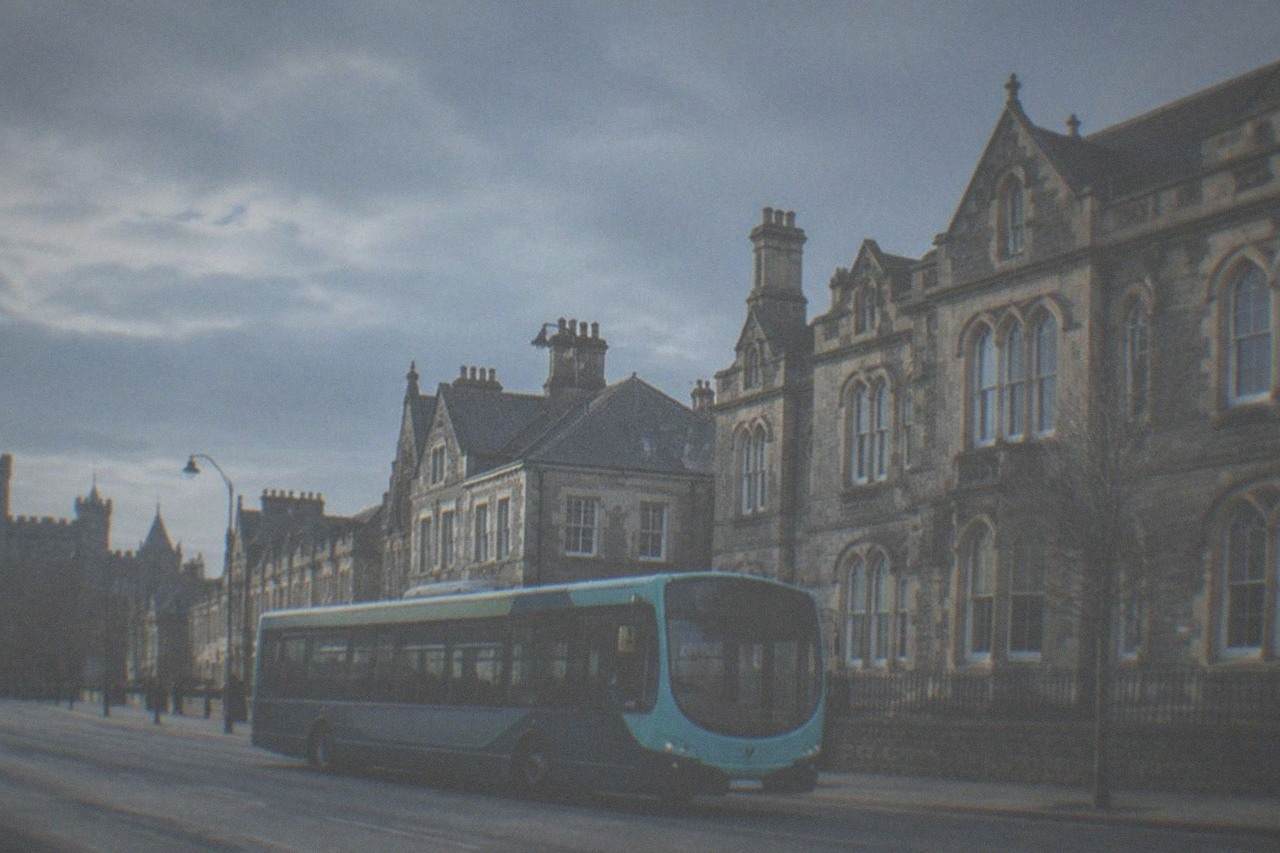
You do not need a car in Cardiff. The centre is walkable, the bus interchange handles 8,000 to 9,000 passengers daily across 31 or more services, and trains link the centre to Cardiff Bay and the valleys. A Cardiff Castle adult ticket is £16 and the National Museum is free, both within walking distance of Cardiff Central.
Cardiff rewards travellers who pack light and leave the car keys at home. The city that grew around coal exports now moves 143.5 million walking and wheeling trips a year among its own residents, according to the Walk Wheel Cycle Trust Index using 2025 data, and visitors benefit from the same compact geography. The castle sits about eight minutes on foot from Cardiff Central station, the National Museum is a short stroll beyond that, and Cardiff Bay is a train ride or a brisk riverside walk away.
That compactness is the single most useful thing to know before you plan anything else. This guide from Cardiff Travel Guide walks through each way of moving around the city, what it costs, where it works well and where it does not, so you can decide how much of the transport network you actually need to touch.
Do You Need A Car In Cardiff?
For almost every visitor, no. Cardiff's core sights sit within a mile of each other, the bus and rail network fills the gaps, and the main things you would drive to, such as the Bannau Brycheiniog National Park 40 to 50 miles away, are better reached by an organised day tour or a planned drive out of the city. Parking in the centre adds cost and friction that a walkable city does not impose.
The honest case for a car is narrow but real. If you are staying outside the centre, travelling with small children in poor weather, or planning several self-driven day trips to places like the Gower Peninsula or the Wye Valley, a hire car earns its keep. Average daily car hire rates in Cardiff have been cited in the £28 to £45 range depending on season and company, with February typically the cheapest period, though you should compare live quotes rather than treat those as promises.
Against that, consider what a car costs you inside the city. City-centre hourly parking typically starts from £2 at some Cardiff Bay and Red Dragon Centre options and climbs past £5.90 at premium city-centre sites. Add the circling, the payment apps and the event-day restrictions around Principality Stadium, and the car becomes the least convenient item in your day.
A middle path exists and it works well: stay car-free in the city, then book a guided day tour for the one or two days you want to reach the coast, waterfalls or castles. Tours depart from central pickup points, so you never drive or park at all. If you do want to compare the two cities as bases, the Cardiff versus Bristol comparison covers how each handles visitors without a car.
How Does The Cardiff Bus Network Work?
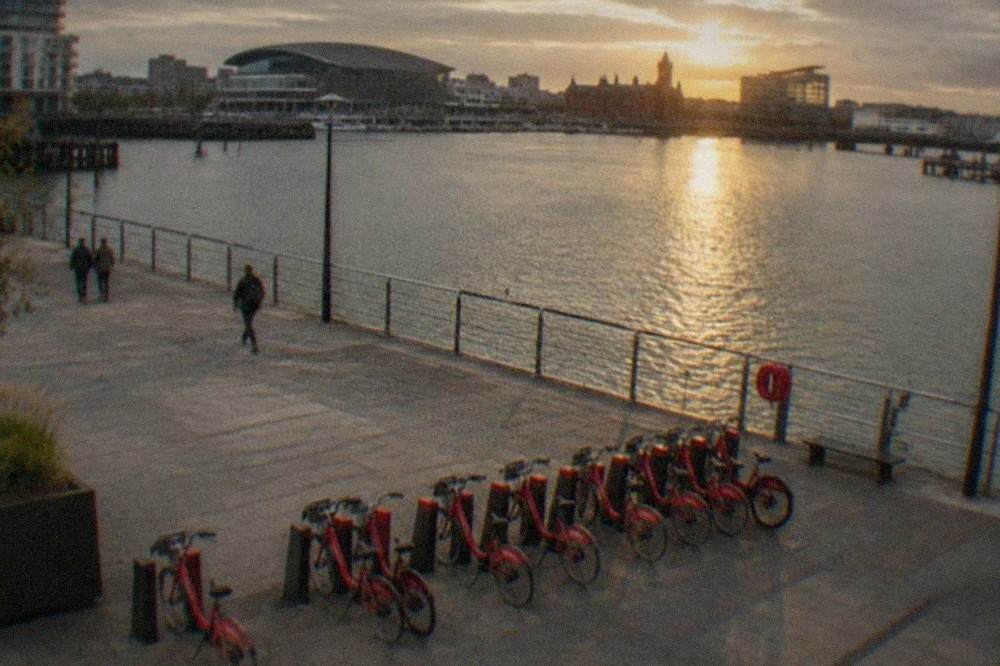
Cardiff Bus runs the city's main network, with the modern Cardiff Bus Interchange at the heart of it. The interchange, which opened in June 2024, handles 8,000 to 9,000 passengers daily with 58 buses per hour across 31 or more services. Fares are published on the operator's own fare pages, and riders aged 5 to 21 pay just £1 per single with a mytravelpass, a scheme extended to March 2027.
The interchange sits adjacent to Cardiff Central station, which means bus and rail connect in one movement. From there, services fan out across the city, including the routes that matter most to visitors: the Baycar into Cardiff Bay, cross-city services to Roath and Pontcanna, and the airport connection. The network is cashless-friendly, with contactless payment on board and app tickets available, after the old iff cards were phased out in late 2025.
Payment is simpler than it used to be. You tap a contactless card when boarding, buy tickets in the operator's app, or pay the driver directly. Fares rose in May 2026 for the first time in fourteen months, so check the operator's fare pages for the current single and day-ticket prices rather than relying on figures printed in older guides. Weekly tickets and app bundles work out cheaper per journey than singles if you will ride more than a few times.
For visitors, the bus earns its place on three specific jobs. First, the airport link, covered in full below. Second, the Baycar route between the centre and Cardiff Bay when you do not fancy the walk. Third, reaching outlying areas such as Roath Park or St Fagans without a car. St Fagans is free to enter, though parking there costs £7 for the day, so the bus saves real money if you are travelling light.
If your aim is simply to learn the city's layout on day one, a guided walk does that job better than any bus ride. The Cardiff City Highlights guided walking tour covers the castle quarter and arcades in around two hours, rated 4.8 across 127 reviews, and it doubles as an orientation session you can act on for the rest of your stay.
Between the walking tour and the wider selection below, it helps to see how the main guided options stack up against each other on duration and price. The table below compares the two formats most visitors choose between for a first day in the city, using the figures from each tour's own listing.
| Guided option | Duration | Rating | Starting price |
|---|---|---|---|
| Cardiff City Highlights guided walking tour | ~2 hours | rated 4.8 across 127 reviews | From from $24 |
| Guided cycle tours of Cardiff | Duration on the listing | rated 5 across 131 reviews | From from $34 |
| Doctor Who city walking tour | ~2 hours | rated 4.8 across 153 reviews | From from $26 |
Both formats sell out on peak summer weekends, and the cycle tour in particular has a smaller capacity than the walking tours, so booking a day or two ahead is sensible in July and August.
What About Trains And The Valley Lines?
Transport for Wales runs the rail network, and the visitor-relevant line is simple: Cardiff Central to Cardiff Bay, a few minutes' ride that links the two halves of the city. Beyond that, valley lines run out to places such as Caerphilly and Pontypridd. Fares vary by destination and date, so check live fares at booking time rather than expecting a fixed price.
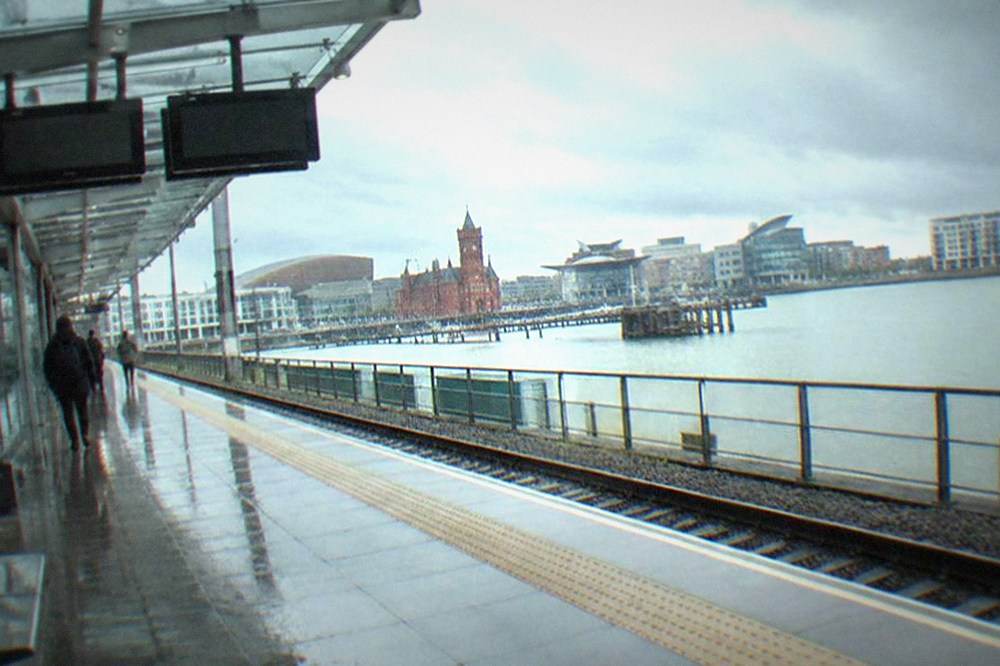
The Bay line is the one most visitors use. It runs frequently and connects the city centre directly to the waterfront at Cardiff Bay, sparing you a 45-minute walk each way. The bay itself, including the Senedd and the Wales Millennium Centre foyer, costs nothing to enter, so the train fare is your only expense for that half of the day.
The valley lines matter if you are staying longer. Caerphilly Castle, the largest castle in Wales, is reachable by train and its adult single-site admission is £12.90, with 5% off if you book online through Cadw. A joint ticket with Castell Coch, whose adult admission is £10.40, is also available. The train plus castle combination makes a genuinely car-free day trip workable.
Two big projects are reshaping rail in the city, and it is worth knowing about them so construction does not surprise you. A £140 million redevelopment of Cardiff Central station received final business case approval in December 2025, with construction beginning in 2026 and most work targeted for completion by 2028 to 2029; the station stays open throughout. Separately, the £100 million Cardiff Crossrail Phase 1, a tram-train link from Cardiff Central to the Bay via a new Loudoun Square station, moved into its construction phase in 2026.
Longer-distance rail also starts here. Great Western Railway runs hourly direct trains from London Paddington to Cardiff Central, averaging 1 hour 53 minutes with the fastest services nearer 1 hour 44 minutes, and advance singles often start in the £25 to £35 range when booked early. The full picture for arriving from the capital is in the London to Cardiff guide.
For live journey planning across bus, rail and coach in one place, Transport for Wales covers the rail side, and Traveline Cymru consolidates all public transport options for the region.
Is Cardiff Easy To Walk Around?
Yes, and walking is the best way to experience it. The city centre is compact enough that the castle, the arcades, the National Museum and Bute Park form a single connected walk, with the castle roughly eight minutes from Cardiff Central station. Cardiff recorded 143.5 million walking and wheeling trips in 2025, the most common travel mode among residents, and the terrain is gentle.
The classic walking spine runs from Cardiff Central up through the castle and into Bute Park, then back through the Victorian and Edwardian arcades to the museum quarter in the Civic Centre. Bute Park opens daily at 7:30am and closes thirty minutes before sunset, with the commuter route through the park open around the clock, so timing is flexible. Cardiff Market, open Monday to Saturday from 8:00 to 17:00 and closed on Sundays, sits right on that spine if you want a lunch stop.
Cardiff Bay is the one walk that needs a decision. The route from the centre along the Taff is pleasant and takes 45 minutes, or you can take the Baycar bus or the train and save your legs for the barrage. The Cardiff Bay Barrage itself is a free public walking and cycling route with no admission fee, and it connects the bay to Penarth on the far side, which makes a fine half-day loop with a seafront finish.
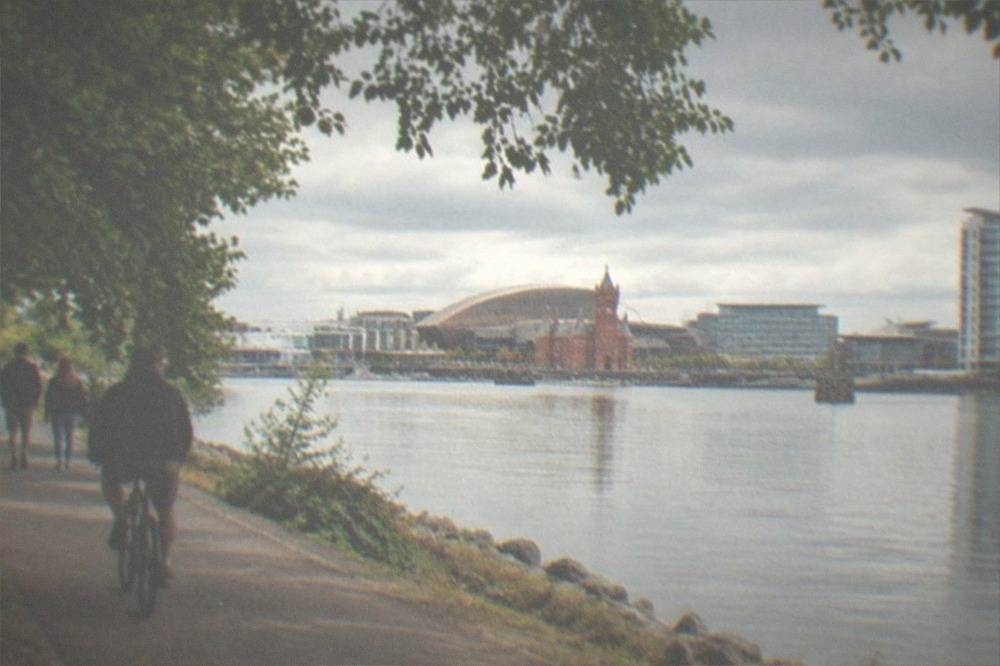
Cycling deserves a mention here because it compresses the same geography further. Guided cycle tours of the city, rated 5 across 131 reviews, cover the castle, the bay and the Taff Trail in a single outing with a local guide, and they suit visitors who want the orientation of a walking tour at a faster pace. The city has also been investing in segregated routes, including a proposed dedicated cycle loop around Roath Park lake that went to public consultation in 2026.
If you are weighing the cycle tour against exploring under your own steam, the comparison is straightforward. The guided ride handles the route-finding, the traffic-aware positioning and the pacing, and it bundles the castle, the bay and the riverside into one outing, which is harder to replicate on a hired bike without local knowledge of which lanes are quiet.
Where Can You Park And What Does It Cost?
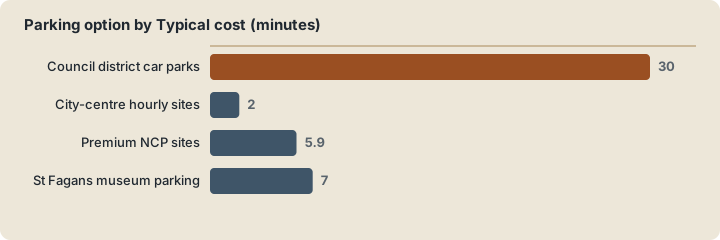
Cardiff Council district and neighbourhood car parks offer 30 minutes of free parking, then charge from 50p per hour, while city-centre hourly rates typically start £2 and reach £5.90 or more at premium NCP sites. Blue Badge holders park free in council car parks except on event days. A new 679-space multi-storey at Mermaid Quay, opened in June 2026, doubled parking capacity at Cardiff Bay.
The practical advice depends on why you have the car. If you are staying in the centre and using the car only on arrival and departure, compare your hotel's rate against the council car parks, because hotel parking in the centre is often the most expensive option of all. If you are day-tripping in by car, the district car parks with their 30 free minutes suit a short visit, and the Bay's new multi-storey, which is ticketless and cashless with ANPR, suits a waterfront day.
Event days change everything. When Principality Stadium hosts a match or a concert, parking restrictions tighten across the centre and prices climb. The stadium's 2026 calendar includes the Joshua versus Fury fight on 11 December and a small run of summer concerts, so check the events picture before you drive in. The parking in Cardiff guide goes deeper on zones and permits.
| Parking option | Typical cost | Best for |
|---|---|---|
| Council district car parks | 30 minutes free, then from 50p per hour | Short centre visits |
| City-centre hourly sites | From £2 per hour | All-day centre stays |
| Premium NCP sites | £5.90 and above per hour | Convenience near specific venues |
| Mermaid Quay multi-storey | Posted at the car park | Cardiff Bay visits |
| St Fagans museum parking | £7 for the day | Museum visits by car |
One more cost worth flagging: residential parking permits in the city rose to £35 per year for a first vehicle and £120 for a second in the 2025/26 round, and a surcharge for vehicles over 2.4 tonnes was approved in principle in October 2025. None of that touches visitors directly, but it explains why kerbside space in neighbourhoods like Pontcanna and Cathays is tight, which matters if you are considering street parking near a rental.
Getting From Cardiff Airport To The City Centre
Cardiff Airport sits 12 to 15 miles from the city centre, a 20 to 30 minute drive. The official T9 bus runs direct to the centre, and rail connections are available via nearby stations. From 1 July 2026, updated terminal drop-off and pick-up charges apply at the airport, starting from £4.50.
The airport itself is small, calm and improving. It welcomed over one million passengers in the twelve months to June 2026 and was named the UK's second-fastest-growing airport by the Civil Aviation Authority, with a 24% passenger increase in the first quarter of 2026. It also ranked fifth out of 27 assessed UK airports in a Which? survey published in September 2026, scoring 77%, and it retained a Very Good accessibility rating from the CAA for 2025/26.
For the transfer itself, the T9 bus is the simplest public option and the one the airport officially promotes, with journey planning available through the airport's own site and Traveline Cymru. A rail alternative runs via Rhoose Cardiff International Airport station with a shuttle connection, and integrated tickets through the Transport for Wales app combine both legs. Fares for the bus are published on the operator's own fare pages, so check the current figure when you book.
If you are flying into Bristol instead, the calculus changes. National Express coach service 216 runs multiple daily direct journeys between Bristol Airport and Cardiff, taking 1 hour 20 to 30 minutes, with fares from £7 to £21.50 depending on booking. The Bristol Airport to Cardiff transfer guide compares the full range of options.
| Transport mode | Coverage | Best for | Cost basis |
|---|---|---|---|
| Walking | Centre, Bute Park, arcades, riverside | Everything within a mile of the castle | Free |
| Cardiff Bus | City-wide, airport link, St Fagans | Bay trips, outlying areas | Fares on the operator's pages |
| Rail (TfW) | Cardiff Bay, valleys, Caerphilly | Bay visits, castle day trips | Live fares at booking |
| Guided cycle tour | Castle, bay, Taff Trail | Fast orientation | From from $34 per person |
| Car hire | Region-wide | Multi-stop rural day trips | Compare live quotes |
Money-Saving Tips For Getting Around Cardiff
The biggest savings come from the free attractions and the walking network that connects them. The National Museum Cardiff and St Fagans are both free to enter, Cardiff Castle is £16 for adults, and the Principality Stadium tour is £19.50 online. Pair those with the £1 single bus fare for ages 5 to 21 and the 30 minutes of free district parking, and a Cardiff day out can cost very little in transport.
Start with the free anchors. National Museum Cardiff, open Tuesday to Sunday from 10:00 to 17:00 with galleries closing 16:45, costs nothing and sits within the walking spine. St Fagans, open daily from 10:00 to 17:00, is also free, though parking there is £7 for the day, which makes the bus the budget choice. The Senedd and the Wales Millennium Centre foyer are free public spaces at the bay, and the barrage walk costs nothing.
For paid transport, timing matters. Bus app bundles work out cheaper per journey than singles, and the weekly ticket suits a full week of riding. Rail fares to the bay and the valleys vary by when you travel, so a little flexibility saves money. If you are driving in for a short visit, the district car parks' 30 free minutes can cover a quick stop, and the from-50p hourly rate after that undercuts the centre's premium sites.
The tour economy is also a transport economy. A guided day tour to the waterfalls, the Gower or the castles includes the travel itself, so you never buy a train ticket or fill a tank for those days. The day trips from Cardiff guide lists which destinations work best as tours versus independent travel, and the Cardiff on a budget guide covers the wider money picture, including typical daily spend.
One caution on figures: bus and rail prices move, and this site refreshes its numbers on a regular cycle rather than stamping a date on every price. The fares quoted here for parking, castle admission and the stadium tour come from the operators' own published pages, and the bus and rail advice points you to live sources precisely because those change most often.
For visitors who want a themed walk rather than a general orientation, the Doctor Who city walking tour is the standout option. It runs around two hours, is rated 4.8 across 153 reviews, and threads the TV locations through the same compact centre, so it doubles as a walking tour of the city for anyone with even a passing interest in the show.
Whichever themed walk you choose, the underlying advice stays the same: the city centre is small enough that any guided walk doubles as a map lesson, and by the end of it you will know your way from the castle to the bay without checking a phone.
Common Questions About Getting Around Cardiff
Do you need a car in Cardiff?
No. The centre is compact and walkable, the bus interchange connects 31 or more services, and trains link the centre to Cardiff Bay and the valleys. A car only earns its keep for multi-stop rural day trips, and guided tours cover most of those without you driving.
How much does the bus cost in Cardiff?
Single fares are published on the operator's own fare pages and rose in May 2026 for the first time in fourteen months. Riders aged 5 to 21 pay £1 per single with a mytravelpass, a scheme extended to March 2027, and app bundles and weekly tickets reduce the per-journey cost for heavier users.
Is there a train from Cardiff Central to Cardiff Bay?
Yes. Transport for Wales runs a short, frequent service linking the city centre directly to Cardiff Bay, sparing visitors a walk of 45 minutes each way. Fares vary, so check live prices at booking time.
How do I get from Cardiff Airport to the city centre?
The airport is 12 to 15 miles from the centre, a 20 to 30 minute drive. The official T9 bus runs direct, and a rail alternative connects via Rhoose Cardiff International Airport station with a shuttle link. Drop-off charges at the airport start from £4.50.
Is Cardiff a walkable city?
Very. The castle is about eight minutes on foot from Cardiff Central station, and the museum, arcades and Bute Park form one connected walk. Walking is the most common travel mode among residents, with 143.5 million walking and wheeling trips recorded in 2025.
Where is the cheapest parking in Cardiff?
Council district and neighbourhood car parks offer 30 minutes free and then charge from 50p per hour, compared with city-centre hourly rates from £2 up to £5.90 and above at premium sites. Blue Badge holders park free in council car parks except on event days.