Cardiff Market: What To See, Eat And Know Before You Go
Cardiff Market has traded on the same city-centre site for generations, and it is about to change shape: a twelve-month restoration of the glass roof and stonework begins at the end of September 2026, with every trader staying open throughout the works.
Short answer
Cardiff Market is an indoor Victorian market hall in the city centre, open Monday to Saturday 08:00-17:00 and closed on Sundays. Entry is free. A major restoration begins late September 2026 and runs about twelve months, but all traders remain open in an enclosed work area, so you can still shop and eat your way through it.
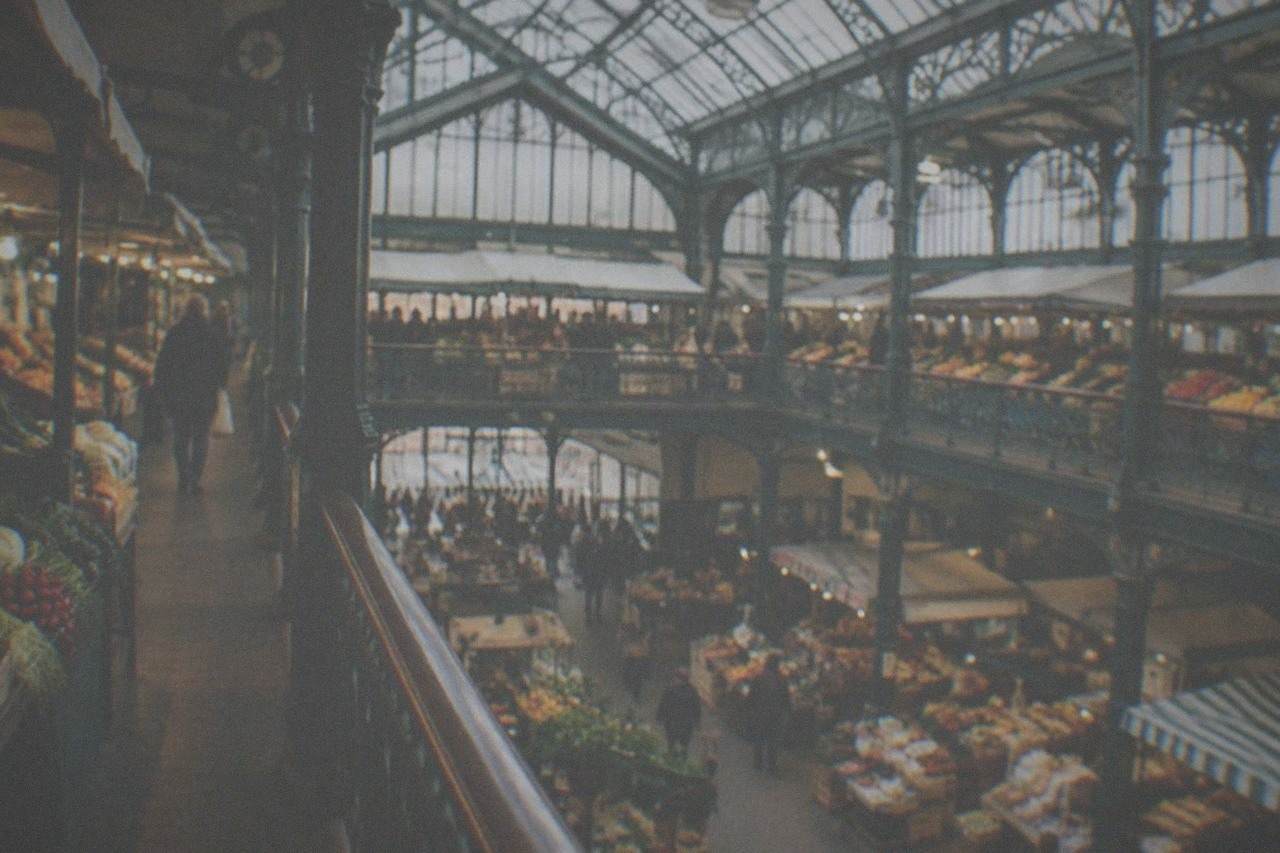
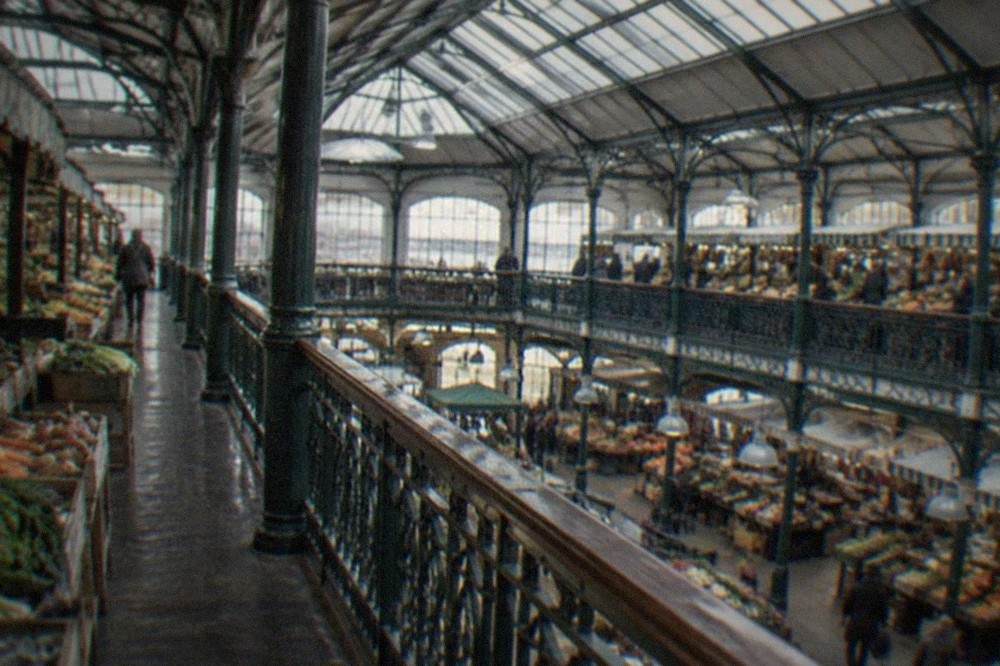
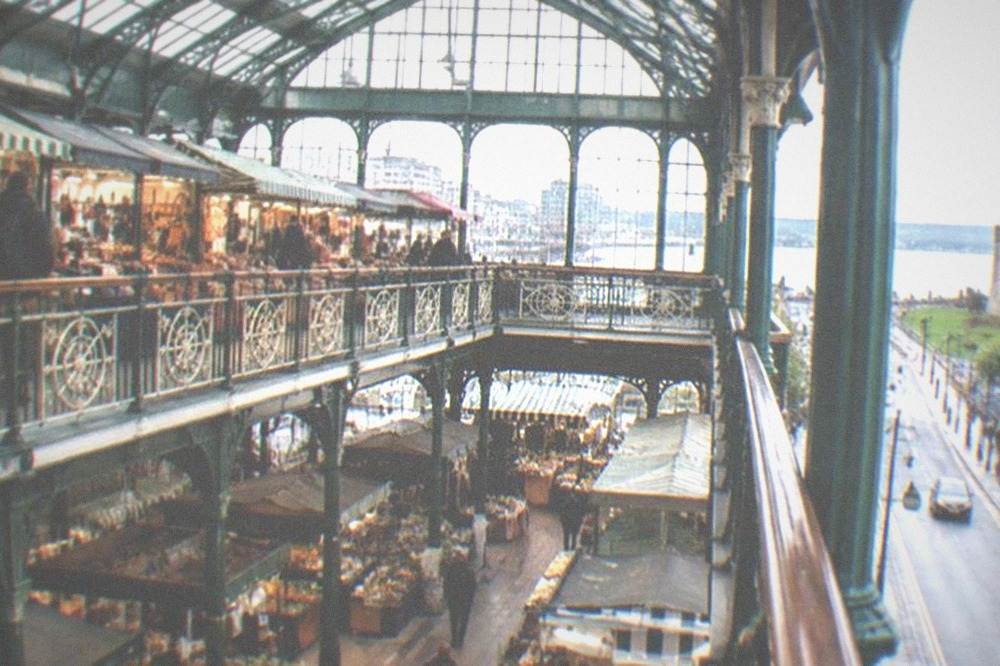
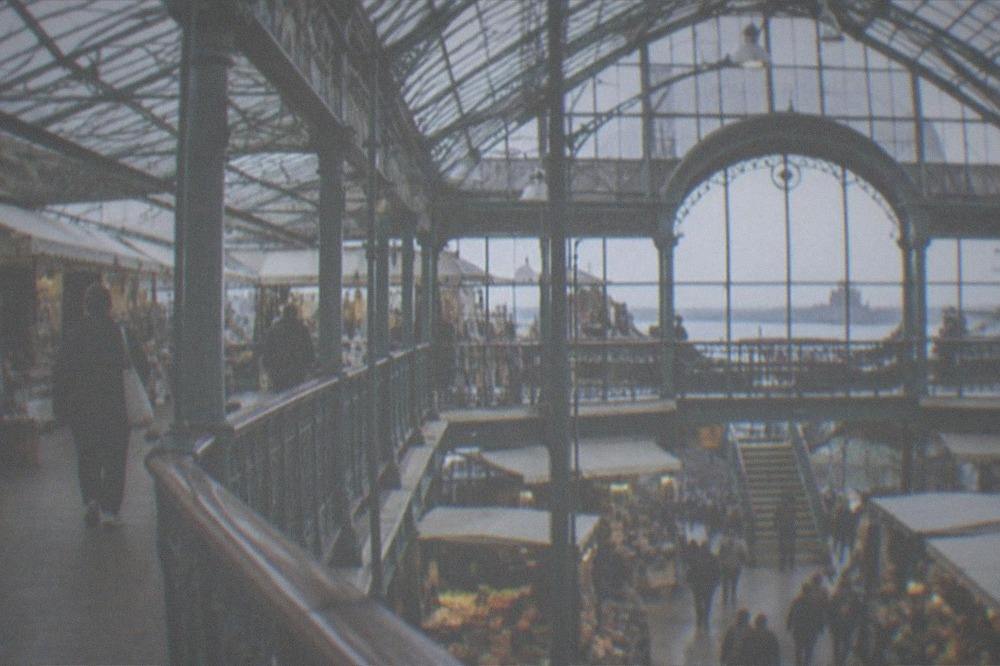
Cardiff Market sits between St Mary Street and Trinity Street in the heart of the city, a Victorian iron-and-glass hall that has been feeding Cardiff for generations. It is one of the few attractions in the city that costs nothing to enter and rewards an empty stomach more than a full itinerary. The building itself is the draw as much as the stalls: a soaring glass roof, cast-iron columns and a trading floor that has seen more than a century of change. This guide covers the practical essentials, what to eat, the restoration works that begin at the end of September 2026, and how to fold the market into a wider day in the Welsh capital.
What Is Cardiff Market And Why Do Visitors Go?
Cardiff Market is a covered Victorian market hall in Cardiff city centre, trading Monday to Saturday from 08:00 to 17:00 and closed on Sundays, with free entry and no ticketed admission of any kind. It is a working food and shopping market rather than a museum, and its stalls cover everything from fresh fish and Welsh produce to records and hot food, which makes it one of the most useful stops on any first visit to the city.
The hall occupies a site with a long commercial history: a market has traded on or near this spot since well before the current building, and the structure visitors walk through today is the Victorian successor, its glass roof and ironwork typical of the grand market halls built across Britain in that era. Unlike many of those contemporaries, it never stopped being a daily trading floor. Butchers, fishmongers and greengrocers sit alongside cafés, street-food counters, a well-known record stall and traders selling everything from cheese toasties to second-hand vinyl.
That mix is exactly why it appears on so many itineraries. Where a museum asks you to look, a market asks you to buy, eat and talk, and Cardiff Market is compact enough that an hour covers it comfortably. It is also genuinely central: the castle is a few minutes' walk to the north, the Victorian shopping arcades curl around it to the east, and Cardiff Central station sits ten minutes to the south, which makes it a natural mid-morning stop between the bigger sights.
What Are The Opening Times, And How Much Does It Cost?
Cardiff Market opens Monday to Saturday from 08:00 to 17:00 and is closed on Sundays, and there is no admission charge: you simply walk in off St Mary Street or Trinity Street. Individual stall hours can vary slightly, so 08:00 suits breakfast and fresh produce while mid-afternoon is better for a slow lunch. The market's own pages and the official visitor site carry the current hours.
The standard week is simple, and Visit Cardiff's listing confirms the Monday-to-Saturday, 08:00-17:00 pattern with the Sunday closure. Two practical points follow from it. First, Sunday visitors to Cardiff will find the market shut, and should plan around the arcades, Cardiff Castle or Cardiff Bay instead. Second, because the market closes at 17:00, it is a daytime attraction: this is not a night market, and the surrounding streets fill the evening shift instead.
| Day | Hours | Notes |
|---|---|---|
| Monday | 08:00-17:00 | Full trading day |
| Tuesday | 08:00-17:00 | Quieter midweek mornings |
| Wednesday | 08:00-17:00 | Regular stalls |
| Thursday | 08:00-17:00 | Regular stalls |
| Friday | 08:00-17:00 | Busiest lunch period |
| Saturday | 08:00-17:00 | Busiest overall |
| Sunday | Closed | Plan the arcades or Bay instead |
Getting there is straightforward. The market's main entrances face St Mary Street and Trinity Street, both level with the main pedestrian flow of the city centre. Cardiff Central station is roughly a ten-minute walk south, and the city centre around the market is flat, compact and walkable, as is most of central Cardiff. If you are arriving by train for the day, the market is arguably the first sensible stop: coffee, breakfast and shelter are all inside the doors within fifteen minutes of leaving the platform.
The market also earns its place on a rainy-day plan. Cardiff's weather is changeable at any time of year, and the hall is fully covered, which is why our rainy day itinerary pairs it with the covered arcades and the free National Museum Cardiff as the city's best wet-weather circuit. You can move from the market to Castle Arcade and High Street Arcade without ever putting a hood up.
What Should You Eat And Buy Inside?
Eat the Welsh classics first: the market is one of the best places in the city centre for traditional dishes such as cawl, Welsh rarebit, laverbread and bara brith, alongside fresh fish, local cheese and hot street food from counters that change their line-ups seasonally. Beyond food, the hall holds long-running stalls selling records, books and household goods, so it works as a browse even if you are not hungry.
The food is the headline. Cardiff Market's counters have long been the place in the city centre to find Welsh specialities served plainly and cheaply, and the market's role in the local food scene was underlined in September 2026, when Cardiff street food trader Cegin HalfnHalf, which runs a café on Cathedral Road, became the first trader to hold Welsh, British and European street food titles simultaneously after winning the European Street Food Awards. Traditional dishes remain the core offer: expect cawl (the Welsh lamb and root-vegetable broth), Welsh rarebit, laverbread (the seaweed cake with deep local roots) and bara brith, the fruited tea loaf, all of which appear across the market's cafés and hot-food stalls.
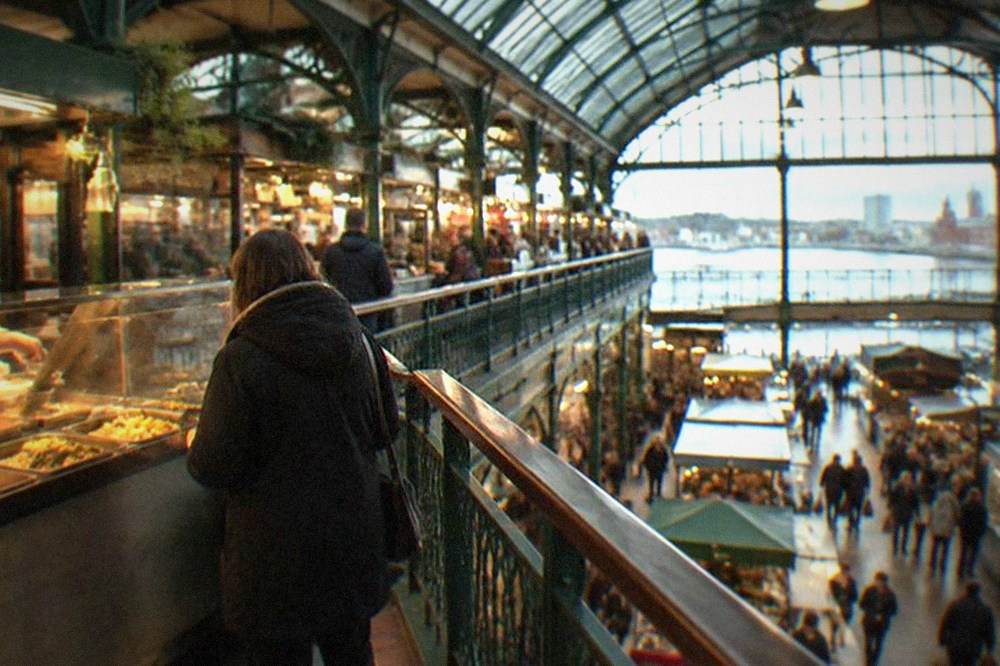
Around the food counters sit the traders who give the hall its texture. The record stall is a Cardiff institution, and the mix of haberdashery, hardware, jewellery and second-hand books means the market rewards a slow loop of the aisles rather than a direct line to lunch. Prices at individual stalls are set by the traders themselves and shift with the seasons, so treat any figure you see quoted online as a guide rather than a promise, and check at the counter.
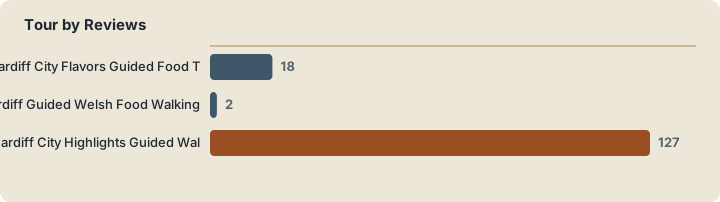
If you would rather have someone who knows the stalls make the choices, two guided food walks include the market in their routes. The Cardiff City Flavors Guided Food Tour runs about three hours and includes eight tastings, rated 4.9 across 18 reviews, and there is also a shorter Cardiff Guided Welsh Food Walking Tour, whose duration is given on the listing, which is newer and has only a couple of reviews so far. Both are bookable through the operator's live listing.
A comparison of the three walks most relevant to a market visit:
| Tour | Duration | Rating | Reviews | Focus |
|---|---|---|---|---|
| Cardiff City Flavors Guided Food Tour with 8 Tastings | ~3 hours | 4.9 | 18 | Food stalls and tastings |
| Cardiff Guided Welsh Food Walking Tour | On the listing | Too few reviews for a rating | 2 | Welsh food, shorter format |
| Cardiff City Highlights Guided Walking Tour | ~2 hours | 4.8 | 127 | City sights, market as a stop |
The third option matters if food is not your priority. The Cardiff City Highlights Guided Walking Tour, rated 4.8 across 127 reviews, covers the castle quarter and city-centre landmarks in about two hours, and the market works as a self-guided stop before or after it. You can Check availability alongside the market's own page when you plan the day.
What Are The Restoration Works, And Will They Affect A Visit?
A major restoration of Cardiff Market begins at the end of September 2026 and is scheduled to last around twelve months, covering glass roof repairs, new solar panels, lantern window work, lighting and electrical upgrades, refurbished ground-floor toilets and stonework and lead repairs to the Trinity Street façade. Traders remain open throughout, trading inside an enclosed work area, so the market stays visitable for the whole project.
This is the single most important planning fact for anyone visiting in late 2026 or 2027. The first phase, reported by Nation.Cymru and Insider Media in September 2026, is focused on the fabric of the building rather than the stalls: the glass roof that makes the hall so photogenic gets repaired, solar panels go on, the lantern windows are restored, and the lighting, electrics and ground-floor toilets are upgraded, along with stonework and lead repairs on the Trinity Street frontage. The works are expected to take roughly a year. Other pages covering the same trip are gathered on Cardiff Travel Guide.
The key reassurance is that the market does not close. Traders stay open inside an enclosed work area for the duration, which means you can still eat and shop, but you should expect scaffolding, hoardings and some noise during trading hours, and some photo angles of the famous roof will be obstructed. If your heart is set on the classic wide shot of the glass roof from the floor, that may be harder to get until the project finishes.
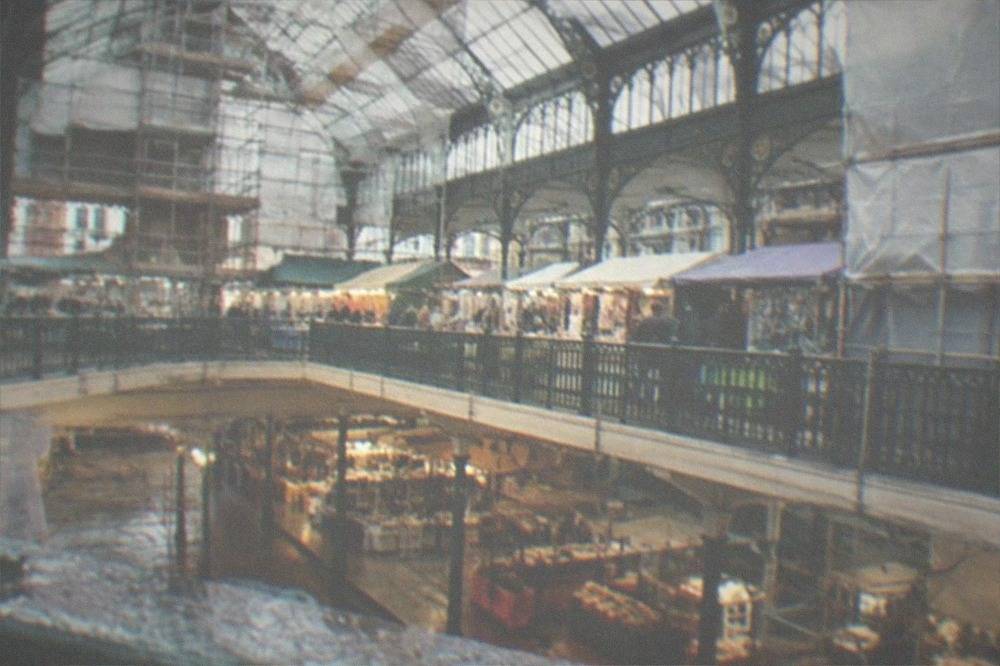
There is a reasonable argument for visiting during the works anyway. A twelve-month restoration is a rare chance to see a Victorian market hall being actively cared for, and the trader community staying open through it is part of the story. The alternative view is equally fair: if you want the market at its most atmospheric and unobstructed, plan around the completion of phase one. Either way, check the market's own news before you travel, since phasing dates within the year can move.
How Does Cardiff Market Fit Into A Day In Cardiff?
The market sits at the centre of a walkable cluster that takes in Cardiff Castle to the north, the Victorian arcades to the east and St Mary Street's pubs running south, so a natural day pairs a morning at the castle, a market lunch, an arcade afternoon and an evening walk to Cardiff Bay. Two days is comfortably enough for the city itself, with a third day for a day trip to Caerphilly Castle or Castell Coch.
The geography makes the planning easy. Cardiff Castle, with adult admission at £16 per its own pricing page, is a few minutes' walk north of the market, and the official Visit Cardiff one-day itinerary recommends allowing two to three hours for the castle and Bute Park combined. Walk south instead and you reach the castle-quarter arcades within minutes, then St Mary Street's pubs and the station. The market slots neatly into the middle of that loop as the lunch stop.
A sample structure for a single day looks like this:
| Time | Activity | Cost basis |
|---|---|---|
| 09:00 | Cardiff Castle and Roman walls | Adult £16 |
| 11:30 | Bute Park walk | Free |
| 12:30 | Cardiff Market lunch | Pay per dish |
| 14:00 | Castle and High Street Arcades | Free to browse |
| 15:30 | National Museum Cardiff | Free entry |
| 17:30 | Train or walk to Cardiff Bay | Barrage free to walk |
The museum stop deserves its line in the table. National Museum Cardiff, a short walk up from the castle end of the arcades, is free to enter and open Tuesday to Sunday 10:00-17:00 with galleries closing 16:45, closed Mondays, per its own visit page. Cardiff Bay rounds the day off: the barrage walk is a free public route, the Senedd offers free entry and free guided tours, and the Wales Millennium Centre's foyer is a free public space, with performances separately ticketed. The city's compactness is the reason it works: as our one day in Cardiff itinerary sets out, the whole circuit is walkable, and the market is the natural refuelling point in the middle of it.
For visitors with more time, the pattern extends rather than changes. Our two days in Cardiff plan gives the second day to St Fagans National Museum of History, which is free to enter, open daily 10:00-17:00 with parking at £7 for the day, and was named the UK's best free-to-visit day out in Which?'s 2026 analysis, drawing 570,207 visitors in 2025 to retain its title as Wales's most visited attraction for a third consecutive year.
What Is Near The Market For Free?
The market is ringed by free sights: the Victorian arcades are free to browse, Bute Park opens daily from 07:30, the National Museum Cardiff is free, and Cardiff Bay's barrage walk, the Senedd and the Wales Millennium Centre foyer all cost nothing to enter. Only the castle and the stadium tour carry standard admission charges among the market's immediate neighbours, which makes a low-budget day easy to build around a market lunch.
Start with the arcades, because they are closest. Castle Arcade, High Street Arcade, Morgan Arcade and the Royal Arcade form a chain of covered Victorian shopping galleries a minute or two from the market's doors, and they share the market's talent for independent traders: coffee, cheese toasties, records and small shops. The pairing is so natural that the market-plus-arcades loop is effectively one attraction in two parts, and it is fully covered, which is why it anchors the rainy-day plan as much as the sunny one.
Bute Park sits behind the castle, open daily from 07:30 until thirty minutes before sunset with locking times posted weekly, and it hosts events through the year, from the Feast On food festival to the Christmas light trails that drew 94,000 visitors across the 2025-26 season. The Animal Wall along its edge is one of the city's most photographed oddities. Further afield but still free, Roath Park, with its botanic gardens and lighthouse, was awarded Green Heritage Site Accreditation in 2026, one of only two such sites in Cardiff alongside Bute Park.
The paid neighbours are worth budgeting for rather than avoiding. Cardiff Castle's £16 adult ticket is the obvious one, and the Principality Stadium tour, at £19.50 for an adult booked online against £21 walk-up, is the other headline spend, running Monday to Saturday 10:00-17:00 and closed on match and event days. Cadw's Castell Coch and Caerphilly Castle, both reachable as half-day trips, charge £10.40 and £12.90 respectively for adults, with 5% off booked online and a joint ticket available across the pair.
Should You Take A Guided Tour That Includes The Market?
Yes, if you want the market's best stalls picked for you and Welsh food explained along the way. The Cardiff City Flavors tour runs about three hours with eight tastings and is rated 4.9 across 18 reviews, while the shorter Welsh food walking tour is newer with only a couple of reviews so far. Independent travellers can skip a guide, since entry is free and the hall is small enough to cover in an hour.
The case for a guide is context. Welsh food has a vocabulary, laverbread and cawl among the least self-explanatory, and a local guide translates the stalls into a story about the city rather than a list of lunches. The Cardiff City Flavors Guided Food Tour with 8 Tastings is the strongest fit for the market itself: about three hours, eight tastings, and rated 4.9 across 18 reviews, a small but consistently positive pool. The Cardiff Guided Welsh Food Walking Tour covers similar ground in a shorter format, with its duration given on the listing, but it has just two reviews, so there is not yet enough feedback to judge it by.
The case against is equally honest. The market is free, compact and signed, and nothing inside requires a reservation or a queue strategy. A general city walking tour, such as the Cardiff City Highlights tour rated 4.8 across 127 reviews, gives you the castle quarter, the arcades and a market stop in about two hours, which suits visitors who want the city's story more than its recipes. There is also a free option: the GuruWalk platform hosts a live English-language walking tour, Blodwen the Welsh Woman's Best Bits of Cardiff, rated 4.98 across 111 reviews, which operates on a tips-only basis, and you can See This Free Tour On GuruWalk for its current schedule.
Whichever way you go, book the food tours ahead. The tasting formats cap group sizes, and weekend slots in particular fill up, so check the operator's live listing for the dates you actually need rather than assuming same-day availability. Cancellation terms are shown at booking.
Common Questions About Cardiff Market
Is Cardiff Market open on Sundays?
No. The market trades Monday to Saturday from 08:00 to 17:00 and is closed on Sundays. Sunday visitors should head for the Victorian arcades, Cardiff Castle or Cardiff Bay instead.
How much does it cost to get into Cardiff Market?
Nothing. Entry is free and there is no ticketed admission; you simply pay for whatever you buy at the stalls.
Will the restoration works close Cardiff Market?
No. The first phase of restoration, beginning at the end of September 2026 and lasting around twelve months, keeps all traders open inside an enclosed work area. Expect scaffolding and some disruption, but the market remains visitable throughout.
What is the best time of day to visit Cardiff Market?
Mid-morning to early afternoon. The market opens at 08:00, but the hot-food counters and cafés hit their stride around lunchtime, and the hall closes promptly at 17:00.
What Welsh food should I try at Cardiff Market?
The traditional specialities are cawl, Welsh rarebit, laverbread and bara brith, and the market is one of the best places in the city centre to try all four alongside fresh fish and local cheese.
How far is Cardiff Market from Cardiff Castle?
A few minutes on foot. The market sits between St Mary Street and Trinity Street in the city centre, with the castle just to the north and Cardiff Central station roughly ten minutes to the south.