Where To Park In Cardiff: Car Parks, Prices And Park And Ride
Cardiff is compact enough that most visitors park once and walk everywhere, but the difference between a cheap day and an expensive one is knowing which car park to choose and which roads to avoid on event days.
Short answer
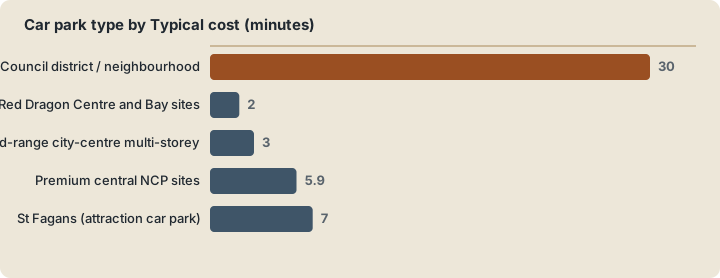
Cardiff city-centre car parks typically charge from £2 per hour at Bay and district options up to £5.90 or more at premium central NCP sites. Cardiff Council district car parks give 30 minutes free, then from 50p per hour. St Fagans charges £7 per day for parking despite free entry.
Driving into Cardiff is easy. Parking in Cardiff is easy too, provided you know which part of the city you are aiming at and which days to avoid. The city centre is small, walkable and well served by multi-storey car parks, but prices swing from under £2 an hour to nearly £6 at the premium sites, and on Principality Stadium event days the whole equation changes. This guide sets out what parking actually costs, where the free and cheap options sit, and how the council's own car park rules work, so you can plan a day behind the wheel without a nasty surprise at the pay machine.
Cardiff Council operates a split system: district and neighbourhood car parks on one side, city-centre and premium sites on the other. Since late 2025 the district car parks have offered 30 minutes of free parking, then charging from 50p per hour, a deliberate nudge toward short local trips. Blue Badge holders park free in council car parks, with the exception of event days. Residential permits rose for 2025/26 to £35 for a first vehicle and £120 for a second, and a surcharge for vehicles over 2.4 tonnes was approved in principle in October 2025, a signal of where city parking policy is heading.
The context matters too. A £100 million Cardiff Crossrail programme of enabling works began on 15 June 2026, bringing a new tram-train link from Cardiff Central to the Bay via a Loudoun Square station, and the footway beside the south wall of Cardiff Central station on the Penarth Road side closed temporarily from 23 September 2026. Construction affects kerbs, crossings and approach roads around the station, so allow a little extra time if your route touches that part of the city. For everything else, the advice below holds.
How Much Does Cardiff Parking Cost?
City-centre parking in Cardiff typically starts from £2 per hour at Bay and Red Dragon Centre options and climbs to £5.90 or more per hour at premium NCP sites in the core. Council district car parks are the budget alternative, giving 30 minutes free and then charging from 50p per hour, which suits short stops more than full days.
The spread is genuinely wide. A driver who parks at a district car park, walks twenty minutes and moves on pays a fraction of what a driver who slides into a premium central NCP multi-storey pays for the same hours. Neither choice is wrong, they just serve different trips. If you are visiting for a single meal or a quick shop, the district tariff with its free first half hour is hard to beat. If you are spending a full day at the castle, the arcades and the Bay, an all-day tariff at a mid-range site usually beats hourly rates.
Cardiff Council publishes the definitive tariff list and the rules for each car park on its own car parks page, and it is worth a look before you travel because event-day and seasonal variations are listed there first. The figures below are the planning ranges that recur across the city's own information and recent price surveys, not a promise from any operator.
| Car park type | Typical cost | Best for |
|---|---|---|
| Council district / neighbourhood | 30 min free, then from 50p per hour | Short stops, local errands |
| Red Dragon Centre and Bay sites | From £2 per hour | Cardiff Bay visits |
| Mid-range city-centre multi-storeys | £3-£4.50 per hour | Half-day sightseeing |
| Premium central NCP sites | £5.90 and above per hour | Convenience, short stays |
| St Fagans (attraction car park) | £7 per day | Museum visits |
Two groups get better deals. Blue Badge holders park free in council car parks except on event days, when stadium and arena traffic overrides the concession. And visitors to the National Museum Cardiff area will find the civic centre's pay-and-display bays sit in the middle of the range, convenient for the museum, the castle and Bute Park in one walk.
One trap worth naming: the cheapest petrol in Cardiff as of late September 2026 was 170.9p per litre at Asda Grangetown against an area average of 173.8p, so if you are combining a fuel stop with parking, a short detour to Grangetown saves a little on both counts. It is a marginal saving, but it adds up on a longer trip.
Where Can You Park For Free In Cardiff?
Genuinely free all-day parking close to the city centre is scarce, but the council's 30-minute free allowance in district car parks, free Blue Badge parking, and on-street options on the fringes of areas like Pontcanna and Cathays give workable free or near-free choices. Most visitors, though, park cheaply rather than free and walk in.
The honest answer is that Cardiff does not really do free central parking, and any guide claiming a magic free spot beside the castle is out of date. What the city does offer is a gradient. The council's district car parks start free for half an hour, which covers a coffee or a collection. Beyond that, the realistic play is to park in a cheaper district or Bay site and use the flat, compact centre on foot, which is exactly what the city's own transport planning encourages. Cardiff recorded 143.5 million walking and wheeling trips in 2025, the most common travel mode among residents, and the centre rewards it.
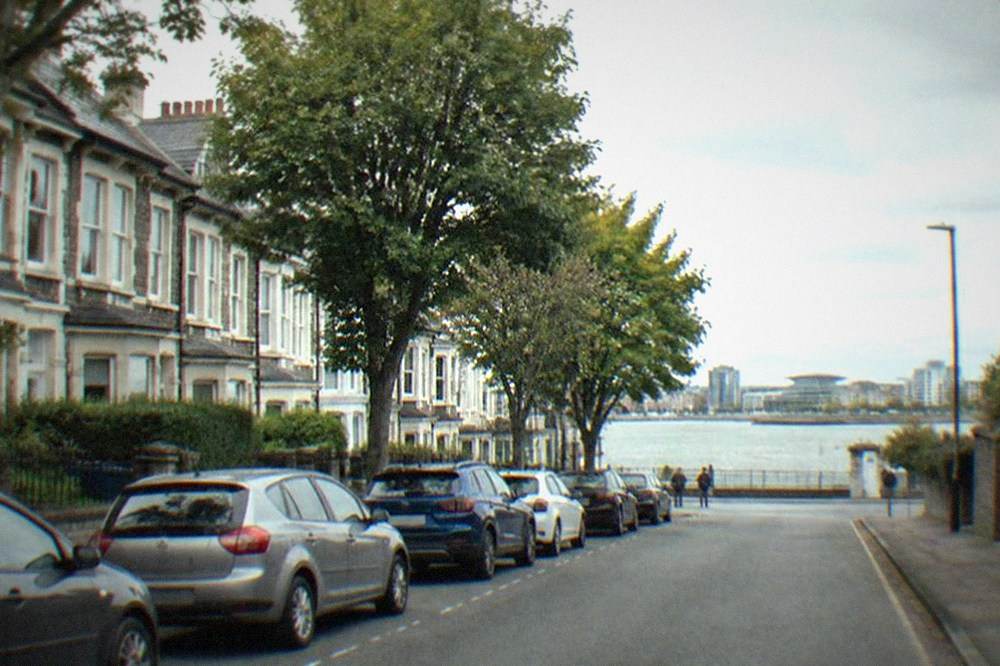
Residential streets deserve a caution. Pontcanna, Cathays and Roath have permit zones, and the residential permit system itself was repriced for 2025/26, with a first vehicle at £35 and a second at £120, precisely because non-residents were using those streets. Check the kerbside signage carefully, because a permit bay looks almost identical to a free bay until you read the plate. Enforcement is active and the fines are not trivial.
If your goal is a free-attraction day rather than free parking, the maths improve. The National Museum Cardiff and St Fagans National Museum of History are both free entry, so a £7 parking charge at St Fagans is your only unavoidable cost for a full family day out, and even that has a season ticket option for repeat visits. Our guide to free things to do in Cardiff builds a full itinerary around exactly this kind of low-spend day.
For a different flavour of car-free day, a guided option such as the Cardiff City Highlights Guided Walking Tour, rated 4.8 across 127 reviews on the live listing, removes the parking question entirely for a couple of hours.
Which Car Park Should You Use For Cardiff Castle And The City Centre?
For Cardiff Castle and the civic centre, the mid-range multi-storeys around the Hayes, St David's and the NCP sites near Westgate Street put you within a ten-minute walk of the castle gates. Expect £3 to £5.90 per hour in this zone, and check for early closures on castle concert dates before you commit to an evening tariff.
The castle sits at the western edge of the shopping core, which is the most expensive parking zone in the city. The trade-off is walkability: from a central multi-storey you can reach the castle entrance, the Victorian arcades, Cardiff Market and Bute Park without moving the car again. Cardiff Castle's own opening pattern runs to 18:00 in the Mar-Oct season with last entry at 17:00, and adult admission is £16, so a mid-afternoon arrival still gives you two solid hours inside if the last-entry window is open.
Concert and event dates change the picture. Cardiff Castle's own site publishes early and full closures for its summer concert series, with some June and July 2026 dates carrying last entries as early as 12:00, and those evenings pull thousands of extra cars into the centre. Bute Park closes its gates 30 minutes before sunset with locking times posted weekly, so the park is not an overflow solution. The practical move on those dates is to check the castle's times and prices page before choosing a car park, then decide whether the premium central rate is worth it.
| Central sight | Nearest parking character | Typical walk |
|---|---|---|
| Cardiff Castle | Premium multi-storeys, Hayes and Westgate area | 5-10 minutes |
| National Museum Cardiff | Civic centre pay-and-display bays | 2-5 minutes |
| Victorian arcades and Cardiff Market | Central shopping car parks | 5 minutes |
| Principality Stadium | Westgate Street and Central Square sites | 2-5 minutes |
| Bute Park | Castle-adjacent car parks or Sophia Gardens | 5-10 minutes |
A word on the station quarter. The £140 million Cardiff Central redevelopment received final business case approval in December 2025, with construction beginning in spring/summer 2026 and most work targeted for completion by 2028-2029, funded in part by £77.8 million from the UK Department for Transport. The station stays open throughout, but the surrounding streets, including the Penarth Road footway closure from 23 September 2026, are live worksites. If your satnav routes you through that pocket, expect cones, diversions and the odd hold-up rather than a smooth run to a car park barrier.
Where Do You Park For Cardiff Bay?
Cardiff Bay parking centres on Mermaid Quay, where a new 679-space, eight-floor ticketless car park opened in June 2026 and doubled the previous capacity, with Bay-area tariffs starting from £2 per hour. The Barrage itself is a free public walking and cycling route with no admission fee, so parking is the only cost of a waterfront day.
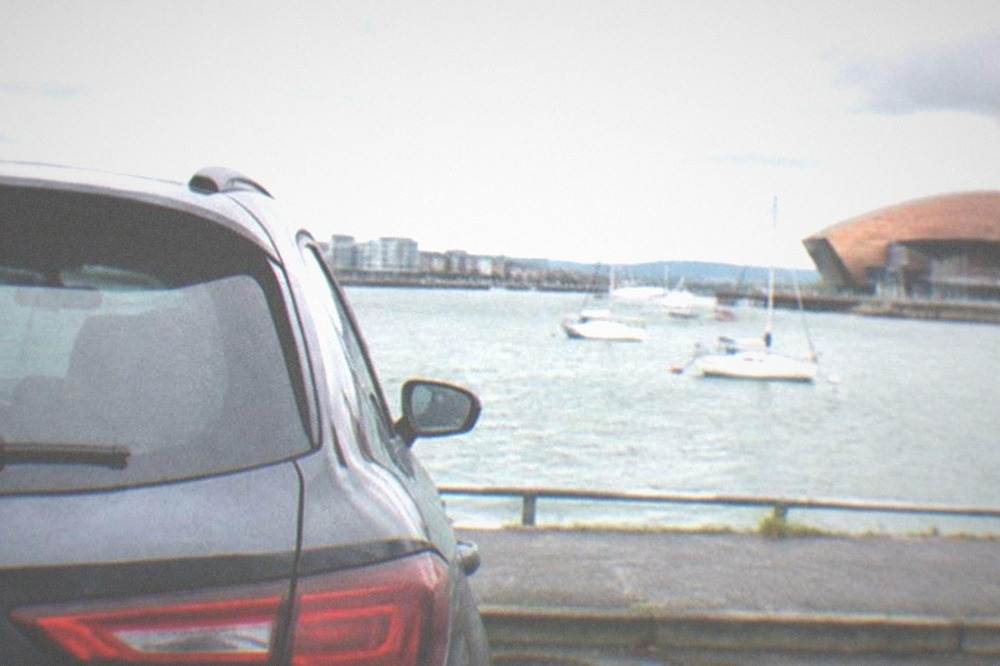
The Bay is the easiest parking proposition in the city. The new Mermaid Quay multi-storey runs on ANPR and cashless payment, so there is no ticket to display and no queue at a machine on the way out, and at 679 spaces it absorbs weekend demand far better than the old surface provision did. From the Quay you can walk the waterfront past the Wales Millennium Centre, whose foyer and concourse are free public spaces, and the Senedd, which offers free public visits and free guided tours, with opening hours of Mon-Fri 09:00-16:30 and Saturdays from 10:30. The rest of the planning pages sit on Cardiff Travel Guide.
The Barrage itself, the sea wall that turned the tidal bay into a permanent freshwater lake, carries no general admission fee and is open as a public walking and cycling route. A new calisthenics park, billed as the largest outdoor exercise area in a Cardiff park, began construction on the barrage in early August 2026, so expect some works fencing along part of the route. Parking for the Barrage end of the Bay sits in the same tariff band as the Quay, from £2 per hour.
For a fuller picture of the waterfront, including the £17 million Allas pool proposal for the Mount Stuart Graving Docks and the 16,500-capacity arena under construction at Atlantic Wharf with opening expected in 2028, read our guide to Cardiff Bay, which covers what the regeneration means for a visitor's day out.
If you would rather not move the car between the centre and the Bay at all, the Cardiff in a Day tour, which pairs the castle with the National Museum over roughly seven hours, does the routing for you, though with only 4 reviews so far it is too early to call it a proven quantity. You can Check availability if that format appeals.
What Are The Rules For Blue Badge Holders And Event Days?
Blue Badge holders park free in Cardiff Council car parks, except on event days, when the concession is suspended around the stadium and arena. Event days are announced in advance, so check the council's car park pages and the stadium's schedule before driving in on a rugby Saturday or a major concert night.
Event days are the single biggest variable in Cardiff parking. Principality Stadium sits in the middle of the city with a capacity of up to 80,000 for the biggest events, and on those days the streets within a mile of the ground fill hours before kick-off. The 2026 calendar includes the Anthony Joshua versus Tyson Fury fight on 11 December 2026, and Six Nations weekends in February and March bring their own surge. Our guide to Principality Stadium events lists what is coming up and what each event does to the city.
The standard advice on those days is to abandon central parking entirely. The park-and-ride sites that operate for major events, signposted from the M4 approach roads, exist precisely for this, and they are the difference between a relaxed arrival and an hour of circling. Public transport also steps up: the Cardiff Bus Interchange, opened in June 2024, handles 8,000 to 9,000 passengers daily across more than 31 services, and rail capacity into Cardiff Central and Cardiff Queen Street expands on match days. Fares are published on the operators' own fare pages, so check those rather than relying on a remembered number.
| Situation | Blue Badge in council car parks | Practical advice |
|---|---|---|
| Normal weekday | Free | Use designated bays, display badge and clock |
| Normal weekend | Free | Same, expect fuller bays in the centre |
| Stadium event day | Concession suspended | Use event park and ride instead |
| Arena event evening | Restricted near venue | Park outside the core and walk or use transit |
| Residential permit street | Not free | Permit rules override the badge |
For everyday accessible parking, the council's position is straightforward and the badge works as it does across the UK, with on-street concessions applying on single and double yellow lines where loading is permitted. The event-day exception is the one that catches people out, because it is announced rather than signposted: a bay that was free on Friday costs full price or is closed on Saturday. The stadium's own booking site lists the no-tour event days, and the council's car park pages carry the road-closure notices.
Should You Use Park And Ride Or Just Drive Into The Centre?
For a normal sightseeing day, driving into a mid-range central car park is usually the simplest choice, since Cardiff's core is small enough that one parking decision covers the castle, the arcades and the museum. For stadium event days, concert nights and December's Christmas market rush, park and ride is almost always the better call.
The calculus depends on how much of the city you plan to see. Cardiff's centre is compact: the castle is roughly eight minutes on foot from Cardiff Central station, the National Museum sits a short walk up the civic centre, and the Bay is a bus, bike or boat ride away. A single well-chosen car park plus walking covers a standard first day, which is the pattern our one day in Cardiff itinerary follows. If you are adding St Fagans, the valleys or the coast, the car earns its keep, and the question becomes where each stop's parking sits.
For day trips beyond the city, parking costs are modest and site-specific. St Fagans charges £7 for the day. The Gwaun Hepste car park for the Four Waterfalls walk in Bannau Brycheiniog, still widely known as the Brecon Beacons, charges £6 with limited spaces. The National Trust car park at Rhossili on the Gower charges £4 for up to two hours or £8 for longer, free for members, and it fills before noon on fine weekends. Cadw sites such as Castell Coch and Caerphilly Castle have their own car parking, and booking admission online saves 5% on the £10.40 and £12.90 adult tickets respectively, a small offset against the fuel.
Cycling is the quiet alternative. Guided cycle tours of Cardiff, rated 5 across 131 reviews on the live listing, take in the flat city centre and the Bay traffic-free along the Taff Trail, and the Taff Trail upgrade through Hailey Park, a 3.5-metre-wide path using no-dig construction to protect trees and waxcap fungi habitat, was targeted for completion in March 2026. If you are staying anywhere near the trail, a bike can replace the second parking decision of the day entirely.
What Parking Traps Catch Visitors Out?
The traps that cost visitors money in Cardiff are residential permit bays that look like free parking, event-day suspensions of Blue Badge concessions, castle concert closures that strand evening parkers, and the Penarth Road works around Cardiff Central that complicate station-quarter approaches. None are hidden, but all are easy to miss on a first visit.
The permit-bay trap is the most common. In Pontcanna, Cathays and Roath, the streets around the attractions look invitingly empty in the mornings, and the signage is small. The permit system was repriced in 2025/26 partly to manage exactly this pressure, and enforcement is regular. The rule is simple: read the plate before you leave the car, every time, in every residential-looking street.
The second trap is timing an attraction against its car park. Cardiff Market, for instance, opens Mon-Sat 08:00-17:00 and is closed Sundays, and its first phase of major restoration, glass roof repairs, solar panels and stonework work, begins at the end of September 2026 and runs about twelve months, with traders staying open throughout inside an enclosed works area. Parking for the market is ordinary central parking, but the surrounding streets on Trinity Street will host works traffic. Similarly, if you are parking for an evening at the Wales Millennium Centre, remember the centre's own hours run to 11pm on performance days but only 5pm otherwise, which changes which Bay tariff you should buy.
| Trap | What happens | How to avoid it |
|---|---|---|
| Residential permit bay | Penalty charge | Read the kerbside plate before leaving the car |
| Event-day Blue Badge suspension | Full charge or closed bay | Check event listings before driving in |
| Castle concert evening | Early last entry, crowded car parks | Check castle closure notices for your date |
| Station-quarter works | Diversions and delays around Central | Allow extra time, follow signed diversions |
| Rhossili weekend fill | Car park full before noon | Arrive early or book a Gower tour instead |
The third trap is assuming the cheapest headline rate is the cheapest day out. A £2-per-hour Bay car park for nine hours costs more than a premium site's all-day tariff, and a district car park's 50p hourly rate assumes you will be gone within the free half hour. Always compare the all-day tariff, not the first hour, when you are planning anything longer than lunch.
Finally, plan around the calendar. The Cardiff Christmas Market runs from Thursday 12 November to Wednesday 23 December 2026, with 70 stalls and hours of 10am-6pm Monday to Saturday, 10am-5pm Sundays and late Thursdays until 7pm in December. That is five weeks of elevated central demand on top of normal Saturday trade, and it is exactly the period when park and ride, or a train into Cardiff Central, beats any car park. Our Cardiff Christmas market guide has the full detail.
Common Questions About Parking In Cardiff
Is parking in Cardiff expensive?
Compared with London or Edinburgh, no. Hourly rates start from £2 at Bay and district options, climb to £3-£4.50 at mid-range central multi-storeys and reach £5.90 or more at premium NCP sites. Council district car parks give 30 minutes free and then charge from 50p per hour, which keeps short stops cheap.
Can you park for free in Cardiff city centre?
Not for a full day. The closest things are the 30 minutes free in council district car parks, free Blue Badge parking in council car parks on non-event days, and cheaper on-street options on the fringes of the centre. Most visitors park cheaply rather than free and walk in.
Where do you park for Cardiff Castle?
Use the multi-storeys around the Hayes, St David's and the Westgate Street area, all within a ten-minute walk of the castle gates. Expect premium rates in this zone, and check for early closures on castle concert dates, some of which carry last entries as early as 12:00.
Is there parking at Cardiff Bay?
Yes. A new 679-space, eight-floor ticketless car park opened at Mermaid Quay in June 2026, doubling previous capacity, with Bay-area tariffs starting from £2 per hour. The Barrage itself is a free public walking and cycling route.
Do Blue Badge holders park free in Cardiff?
Blue Badge holders park free in Cardiff Council car parks, except on event days around the stadium and arena, when the concession is suspended. On-street concessions apply as elsewhere in the UK, and residential permit streets still require a permit.
Should you drive into Cardiff on a stadium event day?
Generally not. Principality Stadium holds up to 80,000 for the biggest events, and central streets fill hours before. Use the event park-and-ride sites signposted from the M4, or take the train into Cardiff Central or Queen Street, both of which add capacity on match days.