Cardiff Vs Bristol: Which City Should You Visit?
Two of Britain's most visited western cities sit barely an hour apart, and travellers weighing a weekend in one against the other are choosing between very different propositions.
Short answer
Cardiff wins on castles, free national museums and value on the ground, with Cardiff Castle at £16, the National Museum free and St Fagans free entry. Bristol wins on sheer volume of attractions, nightlife and direct flight links. Daily travel costs run higher in Cardiff, £188 per day against Bristol's £114, though Cardiff's headline sights cost less to enter.
Cardiff and Bristol sit 50 miles apart on either side of the Severn Estuary, and they compete for the same weekend travellers from London, the Midlands and beyond. The comparison is a fair one to make, because both are compact, walkable cities with strong food scenes and big-name venues. The honest answer is that they reward different kinds of trips, and the deciding factors are usually cost, castles and how much of the visit you want to spend indoors.
This guide compares the two cities on the things that actually change a weekend: what entry fees add up to, which free attractions punch above their weight, how easy each city is to reach, and what the food and drink money buys. Figures come from official operator pricing pages and current comparison data, and where something varies by season or booking method, that is flagged rather than smoothed over.
Which City Is Better To Visit, Bristol Or Cardiff?
For castles, free national museums and a quieter, cheaper base, Cardiff is the stronger pick; for nightlife, shopping depth and flight connections, Bristol edges it. Cardiff's headline sights cost less to enter, with Cardiff Castle at £16 and both the National Museum Cardiff and St Fagans free, while Bristol counters with more attractions overall and a livelier evening economy.
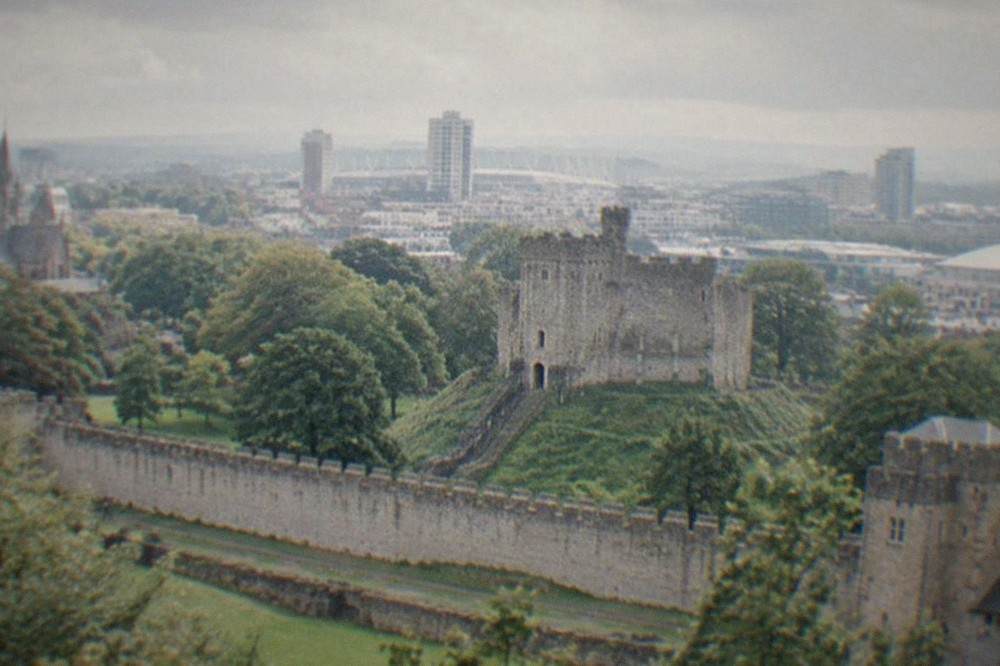
The comparison depends heavily on what the trip is for. A first-time visitor whose list reads "castle, museum, waterfront walk, good dinner" will find Cardiff delivers all four at lower cost and in a smaller, easier footprint. The castle sits in the middle of the city, the National Museum Cardiff is a ten-minute walk up the civic centre, and Cardiff Bay is a short hop by train or boat. Bristol spreads its appeal across Clifton, the harbourside, Stokes Croft and the centre, which rewards a longer stay and more walking.
Bristol's defenders point to scale. Comparison sites consistently rate Bristol ahead on the raw number of attractions, museums, family activities and shopping options, while noting that Cardiff is the stronger base for castles and natural beauty. That last point matters more than it might seem: from Cardiff you can reach Caerphilly Castle, the largest castle in Wales, in under half an hour by train, and the Bannau Brycheiniog, still widely known as the Brecon Beacons, in roughly an hour to an hour and a half by car.
Cardiff also has the quieter-weekend advantage. Visitor guides repeatedly note it is significantly less crowded than Edinburgh, Bath or York in summer, and the same logic applies against Bristol, which draws heavy weekend footfall from across the South West. In 2025 Cardiff recorded 18.69 million visitors, up 4.4 per cent year on year, yet the centre rarely feels packed outside event weekends at the Principality Stadium.
How Do The Two Cities Compare On Price?
Cardiff is the cheaper city at the till, with castle entry at £16, free national museums and lower typical spend on food, while Bristol's daily costs look lower on paper only because its attraction list skews free and outdoor. Independent comparison data puts average daily travel costs at £188 per person in Cardiff against £114 in Bristol, but Cardiff's paid attractions cost less per visit.
The headline daily-cost figures deserve unpacking, because they can mislead. The comparison aggregates accommodation, transport, food and activities, and Cardiff's average is pulled up by its longer, pricier day-tour market: eight-hour guided excursions into the Valleys, Gower and the waterfalls country are a big part of what visitors there spend money on. A visitor who skips guided tours and self-guides around the castle, museums and Bay will spend noticeably less than that average.
On the fixed, checkable costs, Cardiff is straightforward to budget. The table below uses official operator pricing for the main paid sights, all in pounds sterling, the currency used across both cities.
| Cost item | Cardiff | Notes |
|---|---|---|
| Cardiff Castle adult admission | £16 | Standard castle ticket |
| Principality Stadium tour (adult, online) | £19.50 | Walk-up price £21 |
| National Museum Cardiff | Free | Special exhibitions may charge |
| St Fagans National Museum of History | Free | Parking £7 per day |
| Caerphilly Castle (Cadw, adult) | £12.90 | 5% off booking online |
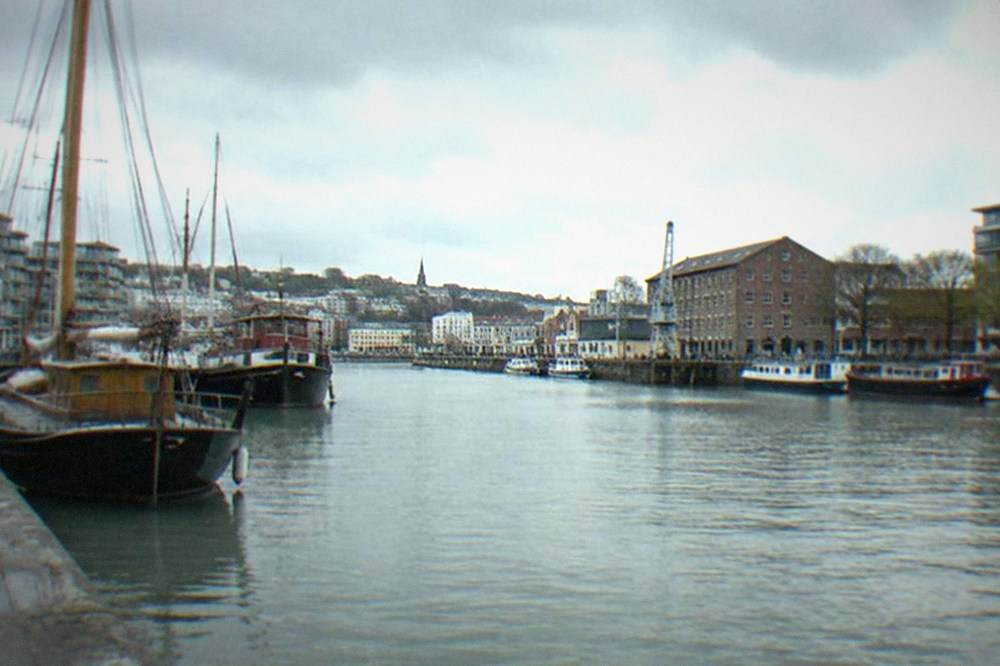
Bristol's paid attractions are fewer and cheaper on average, with much of the classic visit, the harbourside, Clifton Suspension Bridge views, street art in Stokes Croft, costing nothing. But its hotel rates run higher on weekends, and eating out in the most popular quarters is pricier than central Cardiff's equivalent. For a two-night weekend built around one castle visit, two museums and a stadium tour, Cardiff keeps the paid side of the bill short, since both museums are free and only the castle and the stadium tour carry an admission charge.
Accommodation is where Bristol usually wins the budget argument, and where Cardiff's averages climb. Both cities have a wide spread, but Cardiff's city-centre hotel stock tightens badly on rugby internationals and stadium concert nights, when prices spike. Anyone booking a Cardiff trip should check the stadium events calendar before committing to dates.
What About Castles, Museums And Free Attractions?
Cardiff wins the heritage contest outright: it has a major castle in its centre, two free national museums, and the largest castle in Wales a short train ride away, while Bristol's historic strengths lie in maritime and Georgian architecture rather than castles. St Fagans is Wales's most visited attraction, drawing 570,207 visitors in 2025, and both it and the National Museum Cardiff charge no entry fee.
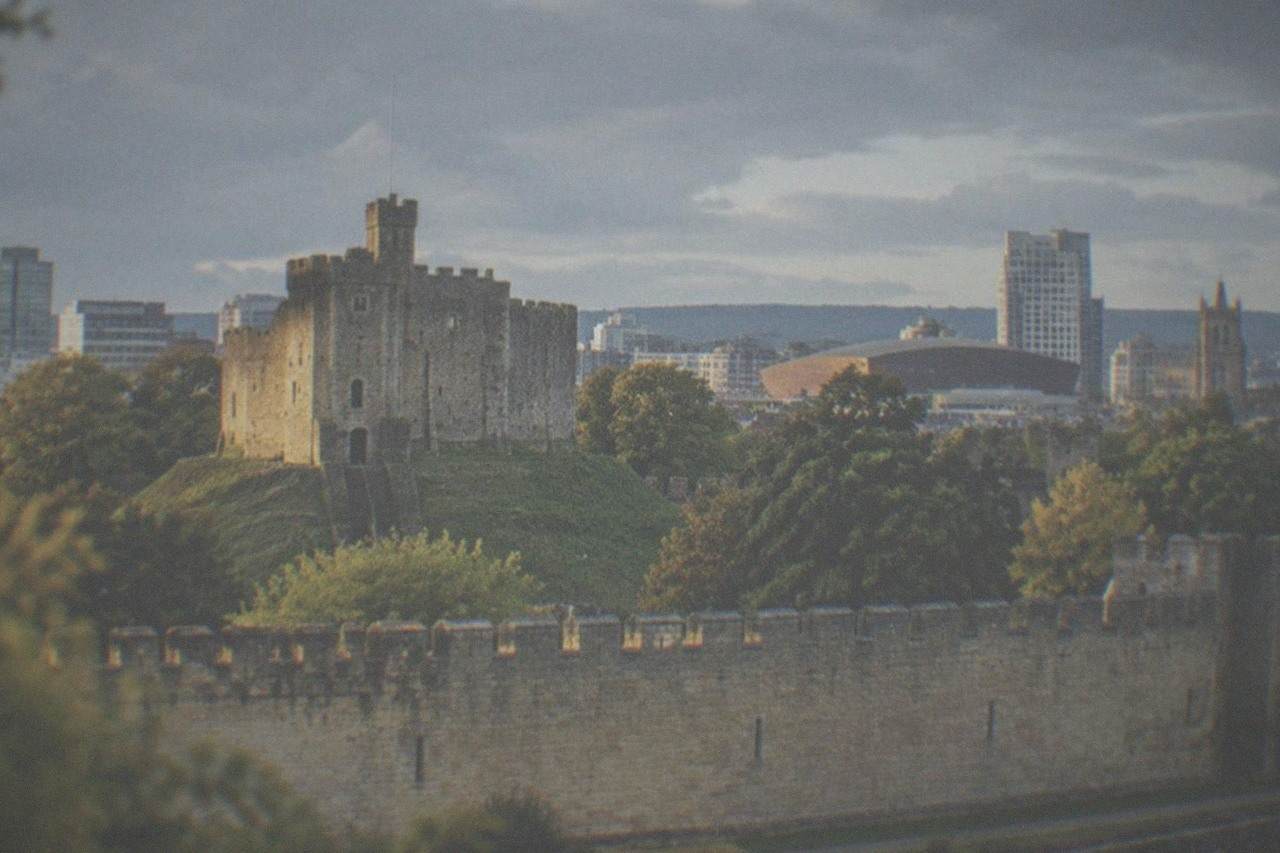
Cardiff Castle is the city's defining sight and the most famous thing in the city by most measures. Adult admission is £16 for the standard castle ticket, which covers the Victorian apartments, the Norman keep and the Roman wall remains. Opening hours run longer in summer, from March to October, with last entry at 17:00 and an 18:00 close on weekdays, and the castle closes entirely on Christmas Day, Boxing Day and New Year's Day. Concert season brings early closures on specific dates, so it is worth checking the castle's own times and prices page before a summer visit.
The free offering is where Cardiff separates itself from almost every UK city break. The National Museum Cardiff, open Tuesday to Sunday 10:00-17:00 and closed Mondays, holds Welsh art alongside Turner, Monet and the dinosaurs of the Evolution of Wales gallery, all free under Welsh Government funding. St Fagans National Museum of History, a short bus ride west, is an open-air museum of relocated historic buildings with craft demonstrations and farm animals; it recorded 570,207 visitors in 2025, making it Wales's most visited attraction for the third consecutive year, and a 2026 Which? analysis named it the UK's best free-to-visit day out. Parking there costs £7 per day, but entry costs nothing.
Bristol's museum story is different rather than worse. The city's maritime heritage, its Georgian terraces and the Clifton Suspension Bridge give it a strong free-to-roam character, and its museum quarter is well regarded. But it has nothing to match a castle you can walk through in the middle of town, and nothing equivalent to St Fagans. Visitors who want castles often use Bristol as a base for Bath instead, which adds day-trip cost and time.
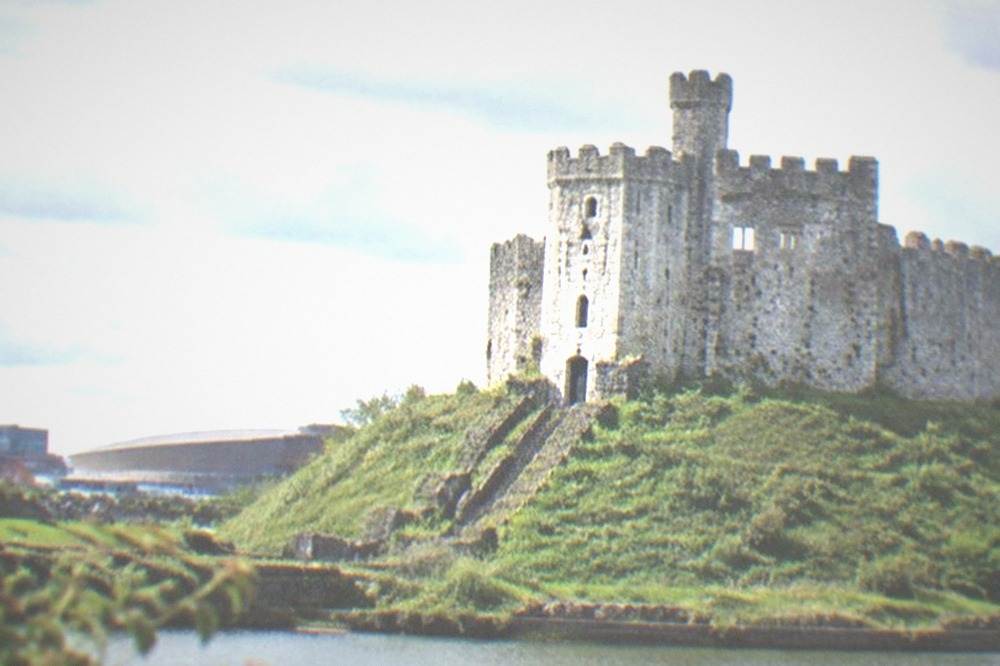
Beyond the city itself, Cardiff's hinterland is castle-dense. Caerphilly Castle, the largest in Wales and second largest in Britain, reopened its Great Hall in 2025 after a two-year, £8 million conservation programme with new digital exhibits, and adult admission is £12.90 with 5 per cent off for booking online through Cadw's own site. Castell Coch, the fairytale castle above Tongwynlais, is £10.40, and a joint ticket covering both is available.
Which City Is Easier To Reach And Get Around?
Both cities are about two hours from London by train, but Bristol has the stronger airport and a denser motorway network, while Cardiff is smaller, flatter and easier to walk end to end, with its castle about eight minutes on foot from Cardiff Central station. Bristol Airport is bigger, though Cardiff Airport is closer to its city, 20 to 30 minutes by car.
Rail links are near-identical in quality. Great Western Railway runs frequent direct trains from London Paddington to Cardiff Central with the fastest journeys around one hour 50 minutes, and Bristol Temple Meads sits on the same corridor closer to London. Between the two cities themselves, trains take 47 minutes with fares from £11, and coaches from £3 make the hop one of the cheapest intercity links in Britain. That proximity is worth exploiting: some travellers stay in one and day-trip to the other, and a day trip to Bristol from Cardiff is entirely practical.
Cardiff Airport handled 963,000 passengers in 2025, up 9 per cent on the previous year, and a 2026 Which? survey ranked it fifth out of 27 UK airports with a 77 per cent score. It lies 12 to 15 miles from the city centre, a 20 to 30 minute drive, served by the official T9 bus. Bristol Airport is substantially larger with a wider route network, which matters for inbound international visitors choosing between the two cities. Neither airport's drop-off is free: Cardiff introduced a £3 charge for ten minutes in 2025, against Bristol's £7.
Once in the city, Cardiff's compactness is its best transport feature. Walking is the most common way residents travel, and the main sights cluster within a 15-minute radius of the castle. Cardiff Bus runs the urban network, with the interchange opened in 2024 handling thousands of passengers daily across dozens of routes; fares are published on the operator's own fare pages and should be checked there rather than relied on from memory. Bristol is walkable too, but its attractions spread across Clifton, the centre and Stokes Croft, and its hills are real.
| Journey or link | Cardiff | Bristol |
|---|---|---|
| Fastest London train | ~1h 50m from Paddington | ~1h 30m from Paddington |
| Airport passengers (2025) | 963,000 | Substantially larger network |
| Airport to city centre | ~20-30 min drive | ~30-40 min drive |
| Airport drop-off charge | £3 for 10 minutes | £7 for 10 minutes |
| Train between the two cities | ~47 minutes, fares from ~£11 | Same service, same fare |
How Do Food, Drink And Nightlife Compare?
Bristol has long held the reputation for the stronger food and nightlife scene, with more restaurants, more venues and a bigger club culture, but Cardiff has closed the gap sharply at the top end: it now has a Michelin-starred restaurant, Gorse in Pontcanna, and a rapidly deepening independent scene in Pontcanna and Canton that outperforms its size.
The fine-dining scoreboard shifted in Cardiff's favour in 2025, when Gorse in Pontcanna became the city's first Michelin-starred restaurant, serving modern Welsh tasting menus built on produce like Gower salt marsh lamb. Since then the momentum has continued: Lofft, a 12-seat chef's counter also in Pontcanna, opened in February 2026 and within months had earned three AA rosettes and a Michelin Guide listing, and Ogof in Canton made Condé Nast Traveller's Top New Restaurants 2026 list. For a city of 383,919 people, that is a serious concentration of recognition in a single year. Other pages covering the same trip are gathered on Cardiff Travel Guide.
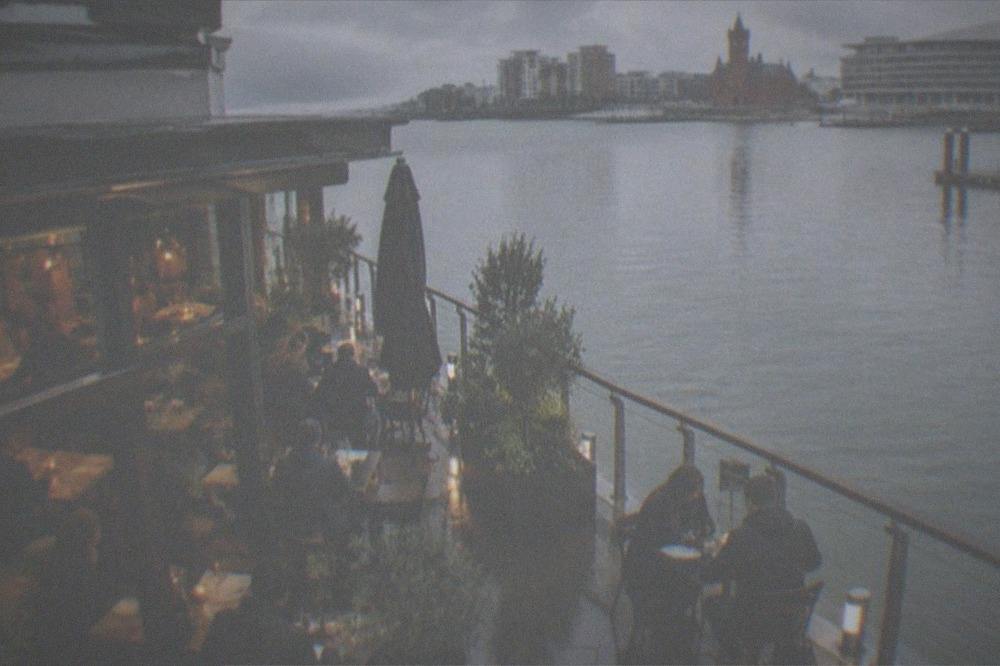
The everyday eating comparison favours Bristol on variety but Cardiff on value. Bristol's food scene spans the harbourside, Clifton Village, Gloucester Road and Wapping Wharf, with more restaurants than Cardiff across every price band. Cardiff counters with a tight, high-quality independent strip along Cowbridge Road East in Canton and Pontcanna's restaurant row, plus the Welsh classics, cawl, Welsh rarebit, laverbread and bara brith, served in the city centre at places like The Welsh House. In 2026 a Cardiff street food trader, Cegin HalfnHalf, won the European Street Food Awards, the first to hold Welsh, British and European titles simultaneously.
Nightlife is Bristol's clearest win. Its club scene, live music circuit and bar density outscale Cardiff's, though Cardiff holds its own on specific nights: Clwb Ifor Bach and Tramshed book serious touring acts, the city runs the Cardiff Music City Festival across the first half of October, and the pub scene earned eight new entries in the CAMRA Good Beer Guide 2027, including the Blue Bell and the Prince of Wales in the centre. Queens Vaults opposite the Principality Stadium was named the best place in Wales for a pint of Guinness in the 2026 Guinness Harp Guide.
| Category | Cardiff | Bristol |
|---|---|---|
| Michelin star | Gorse (since 2025) | None currently starred |
| Best-known food area | Pontcanna and Canton | Wapping Wharf and Gloucester Road |
| Live music anchor venues | Clwb Ifor Bach, Tramshed | O2 Academy, Bristol Beacon |
| Beer guide standing | 8 new CAMRA entries for 2027 guide | Long-established craft scene |
| Nightlife scale | Smaller, concentrated centre | Larger, spread across several districts |
Which City Suits Which Traveller?
Choose Cardiff for a first castle-and-museum break, for rugby weekends, for families using free attractions, and for day trips into the Welsh valleys and coast; choose Bristol for a longer stay built around nightlife, street art, shopping and a bigger airport's flight network. Couples after a food-led weekend can justify either, but the tasting-menu scene currently tilts to Cardiff.
The family case for Cardiff is unusually strong because so much of the visit is free. St Fagans alone, with its reconstructed historic street, craft demonstrations, farm animals and play areas, can absorb a full day at zero entry cost, and the National Museum's dinosaurs do the same on a wet afternoon. Add the castle and a Principality Stadium tour at £19.50 for adults online, and a family of four can build a two-day itinerary with only two paid entries. The Cardiff with kids guide covers the full family shortlist.
Bristol suits the traveller whose weekend is anchored on evenings out, on the street art of Stokes Croft, or on shopping, where St David's in Cardiff competes but Bristol's independent retail scene is broader. It is also the more sensible fly-in choice for international visitors, since Bristol Airport's route network dwarfs Cardiff's, even though Cardiff's airport scored higher in the 2026 Which? satisfaction survey.
The sports question barely needs asking. Anyone travelling for a Wales rugby international, or wanting to see the stadium that hosts it, is going to Cardiff, and match weekends transform the city's atmosphere and its hotel prices. The Cardiff vs Swansea comparison covers the intra-Wales angle for those weighing Welsh options.
Day Trips: Where Does Each Base Take You?
Cardiff's day-trip range is the more dramatic: the Bannau Brycheiniog (Brecon Beacons) 40 to 50 miles and one to one and a half hours away by car, the Gower Peninsula's beaches, and a string of Cadw castles, while Bristol's range centres on Bath, the Cotswolds and the Somerset coast, which are excellent but more conventional.
The Welsh capital's hinterland is its trump card. Within 90 minutes you can stand on Pen y Fan's summit ridge, walk behind a waterfall on the Four Waterfalls trail in the Bannau Brycheiniog, or eat ice cream on Rhossili Bay, the Gower beach repeatedly ranked among Britain's best. Cadw's castle network fans out from the city too: Caerphilly and Castell Coch are both under half an hour, and Tintern Abbey in the Wye Valley is an easy drive. Big Pit National Coal Museum, with its underground mine tours, pairs with the Blaenavon UNESCO World Heritage Site for an industrial-history day.
Bristol's day trips are strong in a different register. Bath is 20 minutes by train, Wells and Cheddar Gorge are short drives, and the Cotswolds begin within the hour. For travellers who want the classic English heritage circuit, Bristol is the better base. For coastline, mountains and castles, Cardiff wins comfortably, and that difference decides the argument for many visitors.
| Day trip | From Cardiff | From Bristol |
|---|---|---|
| Major castle | Caerphilly, under 30 min by train | None equivalent; Bath day trip instead |
| National park | Bannau Brycheiniog, 1-1.5 hrs by car | Exmoor, ~1.5 hrs by car |
| Best beach | Rhossili Bay, Gower, under 2 hrs | Somerset coast, ~1 hr |
| Heritage showpiece | Big Pit and Blaenavon UNESCO site | Bath, 20 min by train |
| Signature walk | Four Waterfalls trail | Cheddar Gorge |
Other Ways To Spend A Day From Cardiff
If the comparison sends you to Cardiff, the city's guided options cover the ground efficiently: a castle-and-museum day tour pairs the two headline sights in one booked outing, and a free tip-based walking tour with a local guide covers the city centre story at no fixed price. Neither tour involves Bristol; they are ways to spend a day in and from Cardiff.
The Cardiff in a Day tour, combining the castle and the National Museum, is the natural fit for a first visit on a tight schedule. It is a newer listing with only a handful of reviews so far, too few for a reliable star rating, so judge it on its itinerary and the operator's live listing rather than review scores. For travellers who prefer to pay what they think a walk was worth, Blodwen the Welsh Woman's Best Bits of Cardiff on GuruWalk is a free, tip-based city walk rated 4.98 across 111 reviews, one of the strongest review profiles of any walk in the roster. See This Free Tour On GuruWalk
Beyond the city itself, the guided day-tour market is where Cardiff differs most from Bristol. Eight-hour small-group tours run from the capital into the Gower Peninsula, the waterfalls country of the Bannau Brycheiniog and the castle-studded Valleys, with ratings consistently in the 4.7 to 4.9 range across large review pools. Bristol's equivalent market skews toward Bath and Stonehenge, competent but familiar.
For a shorter first taste of the city centre, the Cardiff City Highlights guided walking tour, around two hours and rated 4.8 across 127 reviews, covers the castle quarter and arcades with a local guide, and pairs well with a free afternoon in the museums. Check availability
Visitors with a television-shaped reason for choosing Cardiff have a dedicated option too: the Doctor Who city walking tour, about two hours and rated 4.8 across 153 reviews, visits the locations used by the long-running series that is filmed in and around the city. The old Doctor Who Experience attraction in Cardiff Bay closed permanently in 2017 and has not reopened, so the walking tour is now the main way to engage with the show's geography.
Common Questions About Cardiff Vs Bristol
Which City Is Better To Visit, Bristol Or Cardiff?
Cardiff is better for castles, free museums and value on the ground; Bristol is better for nightlife, shopping and flight connections. Cardiff's castle, two free national museums and proximity to the Bannau Brycheiniog make it the stronger heritage and outdoors base, while Bristol offers more attractions overall.
Is Cardiff Cheaper Than Bristol?
Cardiff's paid attractions cost less, with castle entry at £16 and both national museums free, but average daily travel costs run higher in Cardiff, £188 against Bristol's £114, largely because of its pricier guided day-tour market. Self-guided visitors in Cardiff typically spend less than the average suggests.
How Far Apart Are Cardiff And Bristol?
The cities are 50 miles apart. Trains between Cardiff Central and Bristol take 47 minutes with fares from £11, and coaches run from £3, making it easy to visit one from the other on a single day trip.
Which City Has Better Food, Cardiff Or Bristol?
Bristol has the broader restaurant and nightlife scene, but Cardiff holds the region's only current Michelin star at Gorse in Pontcanna, and its Pontcanna and Canton neighbourhoods have earned dense Michelin Guide and AA rosette recognition in 2026.
Is Cardiff Or Bristol Better For Families?
Cardiff, mainly because so much of a family visit is free: St Fagans, Wales's most visited attraction, charges no entry, and the National Museum Cardiff is free. Add the castle and a stadium tour and a family can fill two days on two paid entries.
Which Airport Should I Fly Into?
Bristol Airport has the larger route network and suits international visitors. Cardiff Airport is smaller but scored higher in a 2026 Which? satisfaction survey, ranking fifth of 27 UK airports, and lies only 20 to 30 minutes from the city centre.