Cardiff City Centre: What To See, Do And Skip In The Heart Of The Welsh Capital
Cardiff city centre packs a medieval castle, Victorian arcades, free national museums and a stadium that shakes on match days into a space you can walk end to end in half an hour. Here is what matters when you plan your visit.
Short answer
Cardiff city centre is compact, walkable and centred on Cardiff Castle, which costs £16 for an adult ticket. The National Museum Cardiff is free, the Principality Stadium tour is £19.50 online, and most of the centre's main sights sit within a 15 minute walk of Cardiff Central station.
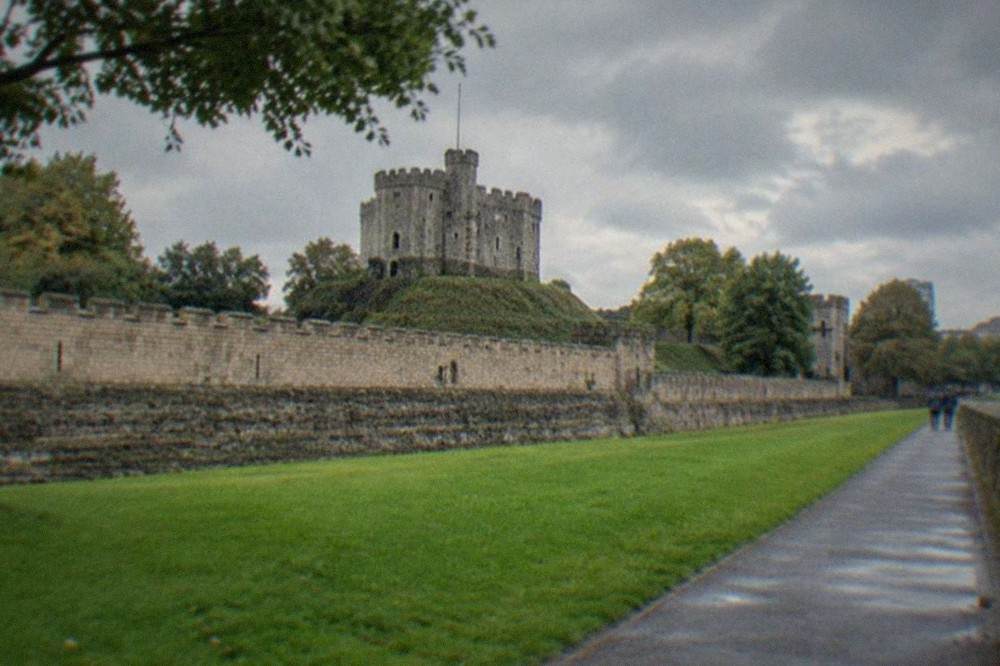
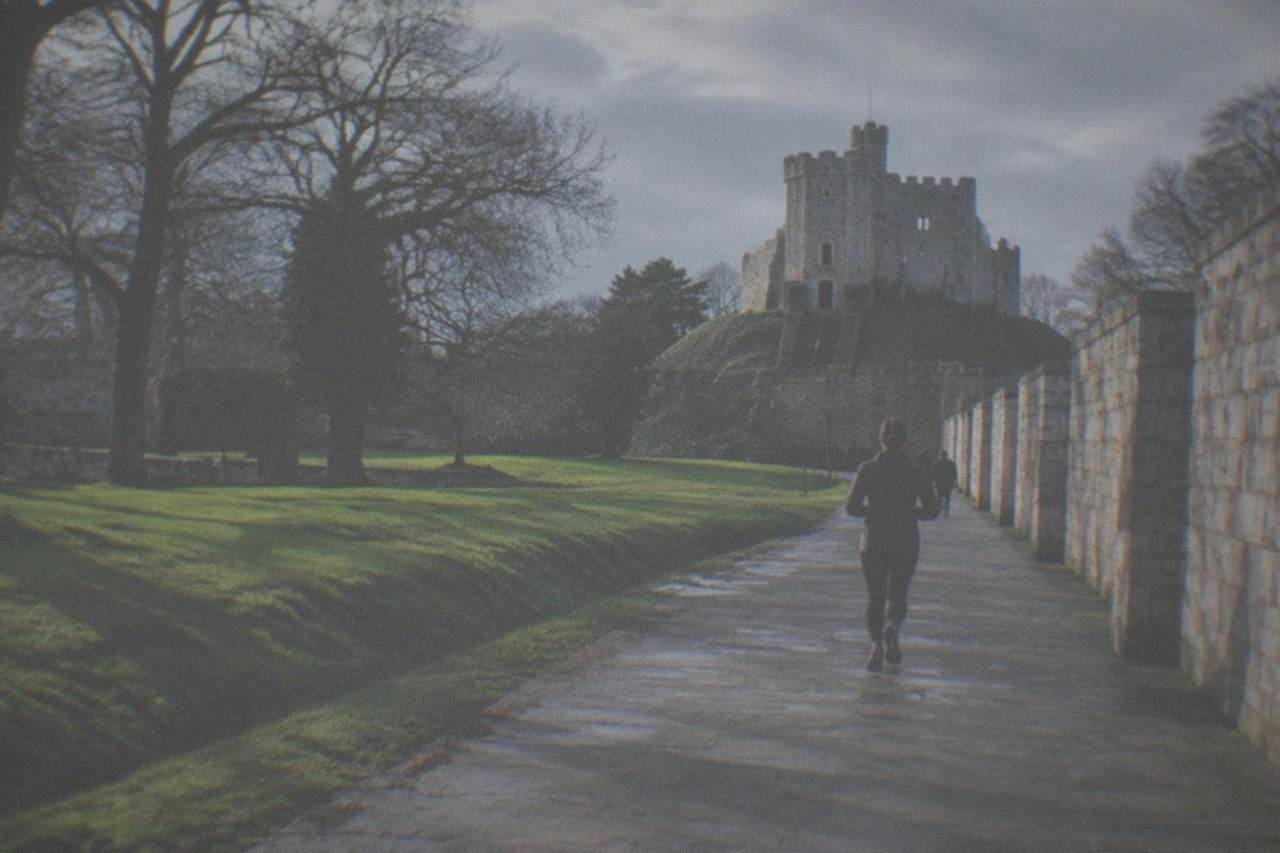
Cardiff city centre is unusual among British city centres for one simple reason: it has a genuinely ancient castle at its heart, not on its edge. Cardiff Castle's walls sit directly on the main shopping streets, and the city has grown around them in every direction since Roman times. The result is a centre where a 2,000 year old fort, a Victorian shopping arcade, a civic quarter of Portland stone and a national rugby stadium all sit within about a mile of each other.
The centre is also small. A local population of 383,919 makes Cardiff one of the smaller capitals in Europe, and the visitor-facing core is smaller still. You can walk from Cardiff Central station to the castle in about eight minutes, from the castle to the National Museum in about ten, and from the museum down to the river Taff in five. Almost nothing a first-time visitor wants to see requires a bus.
This guide walks through the centre district by district: what each part offers, what it costs, where the free options are, and how to structure a day or two without wasting time. Prices quoted are the standard adult figures published by each attraction; hours shift seasonally, so treat the numbers here as planning figures and confirm on the day for anything time-critical.
What Counts As Cardiff City Centre?
The centre is the area bounded roughly by Cardiff Central station to the south, the civic quarter and Cathays Park to the north, the river Taff to the west and the Cardiff Bay edge at Callaghan Square, all walkable in under 30 minutes end to end and anchored by Cardiff Castle in the middle. Most visitors never need to leave this zone, because the castle, the arcades, the National Museum, the stadium, Bute Park and the main shopping streets all sit inside it.
Understanding the centre's layout is mostly about understanding its axes. St Mary Street and Queen Street form the main commercial spine, running roughly north to south and east to west respectively. The castle and Bute Park sit at the western edge of that spine, the Victorian arcades thread between the two streets, and the civic quarter with the National Museum, City Hall and the law courts sits a short uphill walk to the north. The Hayes, a pedestrianised stretch below the castle, is where most of the independent shopping happens.
Cardiff Central station sits at the southern tip, and the walk from its concourse up St Mary Street to the castle is the standard arrival route for anyone coming by train. That walk takes in the Principality Stadium's western flank, the brewery quarter and a dense run of pubs and restaurants, so it doubles as an orientation walk. If you want a deeper look at how the whole arrival and transport system works, the getting around Cardiff guide covers buses, trains and the new interchange in detail.
The centre is also where the city's regeneration money is currently focused. A £140 million redevelopment of Cardiff Central station received final business case approval in December 2025, with construction beginning in 2026 and the station remaining open throughout. The first phase of the £100 million Cardiff Crossrail tram-train project, linking the centre to Cardiff Bay, moved into construction in June 2026. Neither should disrupt a visit, but both explain the hoardings you may encounter near the station.
What Are The Main Sights In The Centre?
The five anchor sights are Cardiff Castle (£16 adult), the National Museum Cardiff (free), the Principality Stadium tour (£19.50 online), the Victorian arcades (free to browse) and Bute Park (free), all within a 15 minute walk of one another and combinable into a single very full day. Add Cardiff Market and St John the Baptist Church and you have the complete centre checklist without straying far from St Mary Street.
Cardiff Castle is the obvious starting point and the reason most visitors come to the centre at all. The site's history runs from a Roman fort through a Norman keep to the lavish Victorian apartments created for the Bute family, and an adult ticket costs £16 for standard castle entry. Seasonal hours run longer in summer: from March to October the castle opens 10:00 on weekdays and 09:00 on weekends, with last entry at 17:00 and closing at 18:00, while winter closes earlier. The castle closes entirely on Christmas Day, Boxing Day and New Year's Day, and summer concert dates can trigger early or full closures, so check ahead if visiting in June or July. The castle's own pricing page carries the current detail: cardiffcastle.com.
The National Museum Cardiff sits at the top of the civic quarter and is one of the best value stops in Britain, because entry to the permanent galleries is free, funded by the Welsh Government. The collection spans Welsh art, European paintings including works by Monet and Turner, and the Evolution of Wales natural history galleries with their dinosaur skeletons and woolly mammoth. Opening hours are Tuesday to Sunday 10:00-17:00, with galleries beginning to close from 16:45, and the museum is closed on Mondays apart from most bank holidays. Some special exhibitions charge separately, so check what is on during your dates.
The Principality Stadium, home of Welsh rugby, sits right on the western edge of the centre and runs public tours on most non-event days. The adult online tour price is £19.50, rising to £21 if you walk up on the day, with tours typically running Monday to Saturday from 10:00 to 17:00. Tours do not run on match days, event days or over Christmas, and specific November 2026 event days are already excluded from the tour calendar. The stadium also hosts the Stadium Walk roof experience and a zip line for anyone wanting a more adrenal version of the visit, covered in more detail in the Principality Stadium attraction guide.
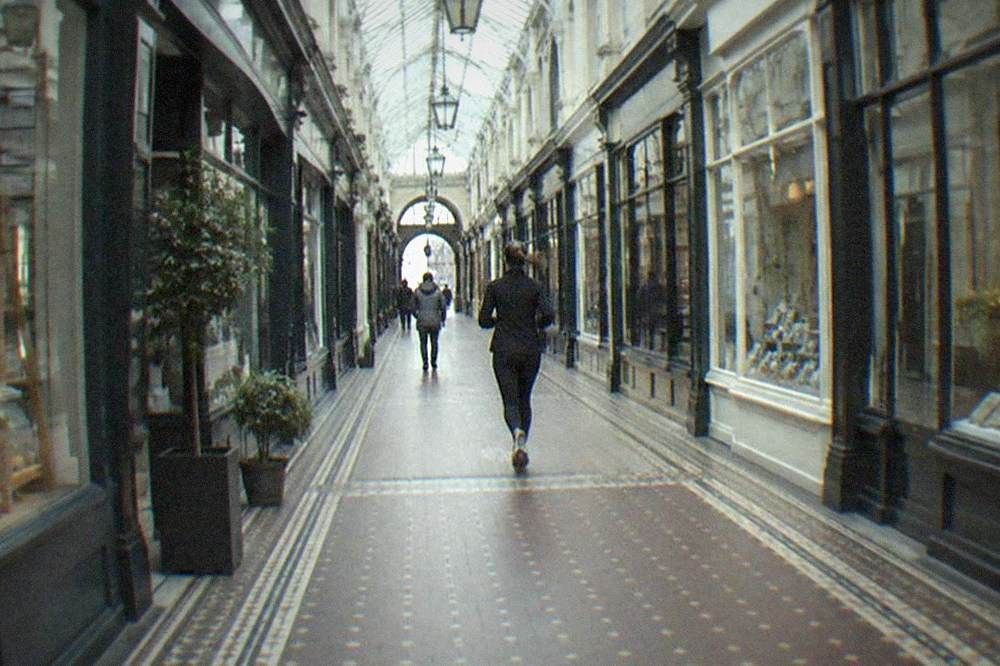
The Victorian and Edwardian arcades are the centre's connective tissue and its most distinctive shopping experience. Around seven arcades, including Castle Arcade, High Street Arcade, Morgan Arcade and the Grand Arcade, thread between St Mary Street, Queen Street and The Hayes, housing independent shops, coffee houses and some of the city's best small bars. They are free to wander, sheltered from the rain, and genuinely historic, dating from the Victorian expansion of the city. Most arcade shops close 17:30 on weekdays and Saturdays with reduced Sunday hours, so treat the arcades as a daytime activity.
| Sight | Adult price | Hours (typical) | Notes |
|---|---|---|---|
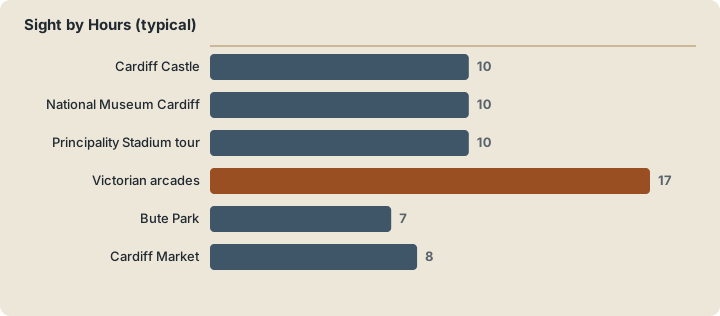
| Cardiff Castle | £16 | Mar-Oct 10:00-18:00, weekends from 09:00 | Closed 25-26 Dec, 1 Jan; concert closures in summer |
| National Museum Cardiff | Free | Tue-Sun 10:00-17:00 | Closed Mondays; some exhibitions charge |
| Principality Stadium tour | £19.50 online | Mon-Sat ~10:00-17:00 | No tours on event days |
| Victorian arcades | Free | Most shops to ~17:30 | Sheltered, independent retail |
| Bute Park | Free | Daily 07:30 until before sunset | Commuter route open 24 hours |
| Cardiff Market | Free to enter | Mon-Sat 08:00-17:00 | Closed Sundays; restoration underway |
Bute Park deserves more attention than most visitors give it, partly because it is simply there, attached to the castle's western wall. The park runs north along the river Taff, opens daily from 07:30 until 30 minutes before sunset, and contains the Sophia Gardens cricket ground on its far side. A commuter route through the park stays open 24 hours. The park also hosts events through the year, including the Christmas light trail, which drew 94,000 visitors across the 2025-26 season.
Cardiff Market, the Victorian cast-iron and glass structure on St Mary Street, rounds out the centre's list. It opens Monday to Saturday 08:00-17:00 and is closed on Sundays. A major restoration of the roof, stonework and facilities began at the end of September 2026 and is scheduled to run 12 months, with traders remaining open in an enclosed work area throughout, so you can still visit, just expect some scaffolding. Street food and traditional stalls make it a good cheap-lunch stop.
How Much Does A Day In Cardiff City Centre Cost?
A day in the centre can cost as little as £16 per person, covering just the castle, with everything else free, or around a slightly higher amount per person adding a stadium tour, lunch and a museum special exhibition, making Cardiff one of the cheaper UK city-centre days out. The two national museums cost nothing, the arcades cost nothing, Bute Park costs nothing, and the biggest paid items are the castle and the stadium tour.
The maths works in Cardiff's favour because so much of the core offer is publicly funded and free. A family of two adults and two children can do the National Museum, the arcades, Bute Park and a walk along the river Taff for nothing beyond lunch and coffees. Add the castle and the bill starts at £32 for two adults before child tickets. Add a stadium tour and you are at £72 for two adults across the two paid headline sights.
Food is where budgets flex. Cardiff Market offers street food and traditional stalls at modest prices, the arcades have coffee shops and cake, and the St Mary Street and Caroline Street strip runs the full range from cheap takeaway to sit-down dining. For a fuller picture of the eating options, the restaurants in Cardiff guide breaks the city down by budget and neighbourhood, and the budget guide covers the cheapest end of the spectrum in detail.
| Budget level | What it covers | Rough cost per person |
|---|---|---|
| Minimal | Castle only, free museums, arcades, park, market food | £16 plus food |
| Moderate | Castle, stadium tour, lunch, coffee | a moderate daily total |
| Comfortable | Castle, stadium tour, nice lunch, exhibition ticket | a comfortable daily total |
| Premium | Private guided tour, fine dining, evening show | Price on request |
Transport within the centre costs nothing on foot, which is the honest answer to most getting-around questions. Buses exist and the new Cardiff Bus Interchange, opened in June 2024, handles 8,000-9,000 passengers a day, but a visitor staying central will rarely need one. Fares are published on the operator's own fare pages and change periodically, so check there rather than relying on a figure printed in a guide. For journeys further out, to the Bay or to St Fagans, see the dedicated transport guides.
One cost trap worth flagging: parking. City-centre hourly rates typically start from £2 at the cheaper Bay and Red Dragon Centre options and run up to £5.90 or more at premium city-centre sites. Cardiff Council district car parks offer 30 minutes free from late 2025, then from 50p an hour, which helps for quick stops. The parking in Cardiff guide covers the cheapest options in detail. If you arrive by train, none of this applies and the centre is yours on foot.
Where Should You Eat And Drink In The Centre?
The centre's best eating splits between the Victorian arcades for independent coffee and small plates, Cardiff Market for cheap street food, St Mary Street and Westgate Street for pubs and pre-stadium dining, and The Hayes for chains, with the truly celebrated restaurants sitting just outside the centre in Pontcanna and Canton. For most visitors, arcade lunches and market food cover the daytime, and the pub strip near the stadium covers the evening.
The arcades are the centre's food highlight for anyone who likes independents. Castle Arcade holds small kitchens and a well-known candlelit wine bar, High Street Arcade has coffee and cake, and the Grand Arcade area has expanded its food offer in recent years. The market is the budget option: Welsh cakes baked on the griddle, street food traders, and a working market atmosphere that has survived the 2026 restoration start. The market's own traders have been the backbone of cheap centre lunches for decades.
St Mary Street and its side alleys carry the heavier evening trade. Queens Vaults on Westgate Street, opposite the stadium, was named the best place in Wales for a pint of Guinness in the 2026 Guinness Harp Guide, and the street fills completely on match days. Eight Cardiff pubs entered the CAMRA Good Beer Guide 2027, including city-centre entries Blue Bell, Owain Glyndwr and Prince of Wales, so real ale drinkers are well served. The best pubs in Cardiff guide lists them all with notes.
For the food scene beyond the centre, the short version is that Cardiff's most talked-about restaurants sit a 15 to 20 minute walk west in Pontcanna and Canton. Gorse, the city's first Michelin-starred restaurant, opened on Kings Road in Pontcanna, and Lofft, a 12 seat chef's counter that opened in February 2026, earned three AA rosettes within months. The centre itself is not where that action is, and that is fine: the centre feeds you well and cheaply, the neighbourhoods feed you memorably. The where do locals eat in Cardiff piece covers the local favourites in more depth.
How Walkable Is The Centre Really?
The centre is one of the most walkable in Britain: the castle is about eight minutes from Cardiff Central station, the National Museum about ten minutes further uphill, and Cardiff Bay 25 minutes on foot or a short hop by train or bus, with walking the most common way residents themselves travel. Cardiff recorded 143.5 million walking and wheeling trips in 2025, making walking the city's dominant travel mode, and the flat terrain makes it easy.
The walkability has practical consequences for planning. You do not need to think about the centre in transport terms at all, only in time terms. Station to castle is eight minutes. Castle to arcades is two. Arcades to museum is eight to ten uphill. Museum back down to the river and Bute Park is five. The whole loop, done slowly with stops, is a comfortable half day on foot. The wider set of guides lives on Cardiff Travel Guide.
The one walk worth knowing in detail is the route down to Cardiff Bay, because the Bay is technically a separate area but feels like a natural extension of a centre day. The walk from the castle end of town to the Bay takes 25 minutes along the riverside or through Callaghan Square. Alternatively, a train from Cardiff Queen Street to Cardiff Bay takes a few minutes, and the Cardiff Bay boat tour, rated 3.8 across 427 reviews, runs on the water itself. The Cardiff Bay area guide covers the waterfront district in full.
| Walk | Time on foot | What you pass |
|---|---|---|
| Cardiff Central station to castle | ~8 minutes | Principality Stadium flank, brewery quarter |
| Castle to National Museum | ~10 minutes uphill | Civic quarter, City Hall lawns |
| Castle to Cardiff Market | ~4 minutes | St Mary Street shops |
| Centre to Cardiff Bay | ~25 minutes | Riverside path, Callaghan Square |
| Castle to Principality Stadium | ~6 minutes | Westgate Street pubs |
Accessibility is generally good. The centre is flat, the main streets have level pavements, and the castle offers step-free routes to most areas even if the Norman keep itself involves steep steps and uneven surfaces. The new Crossrail scheme and the Kingsway public square project, approved for tender in 2026, both include step-free crossings and improved pedestrian and cycle infrastructure, continuing a direction of travel the city has pursued for several years.
What Is There To Do Beyond The Main Sights?
Beyond the castle, museum and stadium, the centre offers the Doctor Who walking tour, ghost walks, an immersive prison cocktail experience, the Wales Millennium Centre a short hop away, and a dense calendar of events from Six Nations rugby to the Christmas market, so a second or third day fills quickly. None of these require leaving the central zone.
The Doctor Who connection is genuinely a centre attraction in its own right. The long-running revival of the series has been based at Cardiff, and the Doctor Who City Walking Tour, about two hours long and rated 4.8 across 153 reviews, visits filming locations around the centre. Note that the Doctor Who Experience attraction in Cardiff Bay closed permanently in 2017 and has not reopened, so the walking tour is the way to engage with the show's geography now. The Doctor Who Experience answer page explains the history.
For something darker, the Cardiff Ghost Walk with Paranormal Investigation, rated 4 across 9 reviews, runs evenings from the centre. For something stranger still, the Alcotraz Immersive Prison Cocktail Experience, rated 4.9 across 16 reviews, has you smuggled into a prohibition-era prison setting for bespoke cocktails. And for the stadium from a different angle, the Stadium Walk roof experience, rated 4.6 across 5 reviews, and the zip line, rated 4.7 across 7 reviews, put you above the pitch rather than on it.
The events calendar is the centre's hidden depth. Six Nations home fixtures in February and March transform the whole central grid into a rugby festival, with match tickets from £43 in the cheapest categories for 2026 fixtures. The Christmas market runs 12 November to 23 December 2026, with 70 stalls and hours of 10:00-18:00 Monday to Saturday and 10:00-17:00 on Sundays, late until 19:00 on December Thursdays. Cardiff Music City Festival takes over venues across the centre from 2 to 17 October 2026. The Cardiff events guide tracks the annual rhythm.
Where Should You Stay In The Centre?
The centre is the best area for first-time visitors to stay, with hotels clustered around Central station, Westgate Street and St David's, and the trade-off being noise on match and event weekends, when stadium-area rooms sit close enough to hear the crowd through the walls. The Angel Hotel and the Parkgate on Westgate Street sit closest to the stadium action, both with long hospitality histories.
The centre's hotel stock spans the range. Around Cardiff Central station and Callaghan Square sit the business-oriented chains, convenient for early trains and the Bay walk. Westgate Street and St Mary Street carry the historic railway-era hotels and newer boutique options, closest to the castle and stadium. Further north, near the civic quarter, quieter options sit within a short walk of the museum and park. The where to stay in Cardiff guide breaks down every district with price bands.
Match weekends deserve a specific warning. When Wales play at home, the centre's population swells sharply for the afternoon, hotels price up, and rooms within earshot of the stadium are not for light sleepers. The same applies to the big summer concerts at the stadium and the castle. If your dates are flexible, check the fixture list before booking, and if they are not, ask for a room on the quieter side of whatever building you choose. The Six Nations in Cardiff guide covers match weekends in detail.
For longer stays or self-catering, the centre works less well than the neighbourhoods. Pontcanna, a 20 minute walk west, is the foodie quarter and was named one of the best places to live in the UK in 2026. Roath, east of the centre, has the park and a strong independent high street. Both trade centre convenience for neighbourhood character, and both are covered in their own area guides.
What Are The Best Day Trips From The Centre?
The best day trips from the centre are Caerphilly Castle (£12.90 adult, 30 minutes away), Castell Coch (£10.40, 20 minutes), the Bannau Brycheiniog National Park 40 to 50 miles north, and the Gower Peninsula to the west, all reachable by car, and most by public transport with a little planning. None require an overnight, and all return you to the centre in time for dinner.
Caerphilly Castle is the headline day trip, and it is a short one. The largest castle in Wales and second largest in Britain sits 30 minutes from the centre, and its Great Hall reopened after two years of conservation work with new digital exhibits. Adult single-site admission is £12.90, with 5% off booking online and a joint ticket with Castell Coch available. Cadw, the Welsh heritage body that runs both, publishes current hours on its site: cadw.gov.wales.
Castell Coch, the fairytale Gothic revival castle in the woods at Tongwynlais, is even closer and pairs naturally with Caerphilly on a castle day. Adult admission is £10.40, again with 5% off online. The Bannau Brycheiniog National Park, still widely known as the Brecon Beacons, lies 40 to 50 miles north, about one to one and a half hours by car, and covers everything from Pen y Fan to the Four Waterfalls walk, where parking at Gwaun Hepste costs £6. The day trips from Cardiff guide covers the full range.
For guided options, several full-day tours run from the centre, and they suit visitors without a car. The Gower Peninsula tours, the waterfalls tours of Bannau Brycheiniog and the Wye Valley and Brecon trip all depart centrally and run around eight hours. The Brecon Beacons day trip guide and the Gower Peninsula guide detail what each route includes.
| Day trip | Adult entry | Travel time from centre | Best for |
|---|---|---|---|
| Caerphilly Castle | £12.90 | ~30 min | Castle scale, easy trip |
| Castell Coch | £10.40 | ~20 min | Fairytale architecture |
| Bannau Brycheiniog | Free (parking fees apply) | 1-1.5 hours | Mountains, waterfalls |
| Gower Peninsula | Free (Rhossili parking £4-£8) | ~1-1.5 hours | Beaches, coastal walks |
| St Fagans | Free, parking £7 | ~20 min | Welsh history, families |
St Fagans National Museum of History deserves a special mention because it is both a day trip and the most visited attraction in Wales, drawing 570,207 visitors in 2025, the third consecutive year it topped the Welsh list. Entry is free, parking is £7 for the day, and it was named the UK's best free-to-visit day out in a 2026 Which? analysis. It sits 20 minutes west of the centre, and the St Fagans attraction guide covers what to see there.
How Should You Structure Your Time In The Centre?
One day covers the castle, the arcades and either the museum or the stadium tour; two days covers all of them plus Cardiff Bay and a relaxed pace; three days adds St Fagans or a castle day trip, which is why most visitors find two to three days the sweet spot for the centre and its surroundings. A single day works for a first taste if you arrive by train and keep the itinerary tight.
The classic one-day structure, and the one the official city itineraries follow, runs: morning at Bute Park and the castle allowing two to three hours, midday in the arcades and market for lunch, afternoon at the National Museum or on a stadium tour, and late afternoon walking down to Cardiff Bay for the waterfront and dinner. That is a full but achievable day, and it hits every headline sight. The one day in Cardiff itinerary gives it hour by hour.
A second day opens options. The official weekend itinerary pairs the city-centre day with a St Fagans day, which is a natural fit because the museum is free and genuinely half a day or more. Alternatively, day two can go deeper into the centre: the Doctor Who tour, the market, a longer Bute Park walk north along the Taff, and an evening at the Wales Millennium Centre, whose foyer is free to enter even when you have no show tickets. The weekend in Cardiff itinerary builds the two-day version.
The honest advice on timing is that the centre itself is a one to two day proposition, and pushing it to three centre-only days risks repetition. The third day is better spent outward: St Fagans, Caerphilly, the coast at Penarth 15 minutes away, or the national park. Cardiff rewards visitors who treat the centre as a base rather than a container. For the full breakdown by trip length, the how many days in Cardiff answer covers the trade-offs.
Season matters less in Cardiff than in most British cities, because so much of the centre's offer is indoors or under glass. Rainy days reroute naturally into the arcades, the National Museum and the market, which is exactly what the rainy day in Cardiff itinerary is built around. The best weather window runs late June to early September, when average highs reach 20°C, but the centre's structure means no month is a write-off.
Common Questions About Cardiff City Centre
Is Cardiff city centre walkable?
Yes, highly. The castle is about eight minutes from Cardiff Central station, the National Museum about ten minutes further, and Cardiff Bay 25 minutes on foot. Walking is the most common travel mode among residents, with 143.5 million walking and wheeling trips recorded in 2025, and the terrain is flat throughout.
How much does it cost to visit Cardiff Castle?
Standard adult admission is £16 for a castle ticket. Seasonal hours run longer from March to October, with 10:00 weekday openings and 09:00 weekend openings, last entry at 17:00 and an 18:00 close. The castle closes on Christmas Day, Boxing Day and New Year's Day, and summer concerts can force early or full closures.
Is the National Museum Cardiff free?
Yes, entry to the permanent galleries is free, funded by the Welsh Government. The museum opens Tuesday to Sunday 10:00-17:00 and is closed on Mondays apart from most bank holidays. Some special exhibitions and events charge separately, and an AR gallery experience is available to hire for £7 per hour.
What is the best way to get from Cardiff Central station to the castle?
Walk. The castle is roughly eight minutes from the station concourse up St Mary Street, passing the Principality Stadium's western flank on the way. No bus or taxi is needed, and the walk doubles as an orientation route through the centre's main commercial spine.
Where is the best place to shop in Cardiff city centre?
The Victorian and Edwardian arcades, including Castle, High Street and Morgan Arcades, hold the independent shops, coffee houses and small bars that give the centre its character, while St David's Dewi Sant carries the mainstream chains. The arcades are sheltered and free to browse, with most shops closing 17:30 on weekdays and Saturdays.
Is Cardiff city centre safe?
Cardiff's 2026 overall crime rate was 80 crimes per 1,000 people, placing it among the top 20 safest UK cities nationally despite being the highest in South Glamorgan. The centre is busy and policed through the day and evening; the usual city-centre care applies late at night around the southern end of St Mary Street and Caroline Street on weekends.