3 Days In Cardiff: A Practical Itinerary
Three days is the sweet spot for Cardiff: two days for the city centre and the Bay, plus one day for a castle or countryside day trip. Here is how to split it up.
Short answer
Spend Day 1 on Cardiff Castle, Bute Park and the arcades, Day 2 on the National Museum and Cardiff Bay, and Day 3 on a day trip to Caerphilly Castle, Castell Coch or the Bannau Brycheiniog. Budget £16 for the castle, £19.50 for a stadium tour and nothing at all for the two national museums.
Cardiff rewards a slow pace. The city centre is compact enough that the castle, the arcades and the National Museum sit within a fifteen minute walk of each other, yet the moment you step outside the centre you are in coal-country valleys, waterfalls or on a beach. That combination is exactly why three days works so well here: two days cover the city at a comfortable speed, and the third opens up the part of South Wales most visitors miss.
This itinerary is built around what things actually cost and how long they actually take. Cardiff Castle's own pricing page lists adult admission at £16, the National Museum Cardiff and St Fagans are free entry, and the Principality Stadium tour is £19.50 booked online. Those four numbers shape the whole plan, because the paid sights are concentrated on Day 1 and the free ones fill the gaps.
How Should You Split 3 Days In Cardiff?
The strongest way to split 3 days in Cardiff is to spend Day 1 in the city centre, devote Day 2 to Cardiff Bay and the National Museum, and reserve Day 3 for a day trip beyond the city. This pacing keeps your itinerary balanced, giving you central sights, waterfront attractions, and a change of scenery before you head home. This mirrors the official three-day structure used by Wales tourism bodies, which places the Civic Centre and National Museum on the first day, the castle on the second and St Fagans on the third. Swapping the order is fine, but keep the day trip on the final day so you are not hauling luggage through a castle. The reasoning is that the centre's sights cluster together, the Bay deserves its own half day, and the third day is your one taste of the wider country.
The logic behind the split is simple. The castle, the arcades, Bute Park and the stadium all sit within one walkable cluster around the city centre, so they belong together. Cardiff Bay is a short hop south and deserves its own half day, with the National Museum filling the other half. Day 3 is where you choose your flavour of Wales: medieval castles, waterfalls, or the Gower coast.
One honest caveat about pacing. Cardiff is small by capital-city standards, home to 383,919 people in the ONS mid-2024 estimate, and the centre is genuinely walkable. The temptation is to compress everything into two days and leave. Resist it. The third day, spent outside the city, is the one most visitors remember.
| Day | Focus | Anchor sights | Rough spend per adult |
|---|---|---|---|
| Day 1 | City centre | Cardiff Castle, Bute Park, arcades, Principality Stadium tour | £16 castle plus £19.50 stadium tour |
| Day 2 | Museum and Bay | National Museum Cardiff, Cardiff Bay, Senedd, barrage walk | next to nothing |
| Day 3 | Day trip | Caerphilly Castle, Castell Coch, Bannau Brycheiniog or Gower | £12.90 plus travel |
If you would rather have someone else handle the Day 1 logistics, the trio below covers the two most common approaches: a guided castle-and-museum day, a full countryside day trip, and a cheap Bay boat tour for the evening.
What Should You Do On Day 1 In The City Centre?
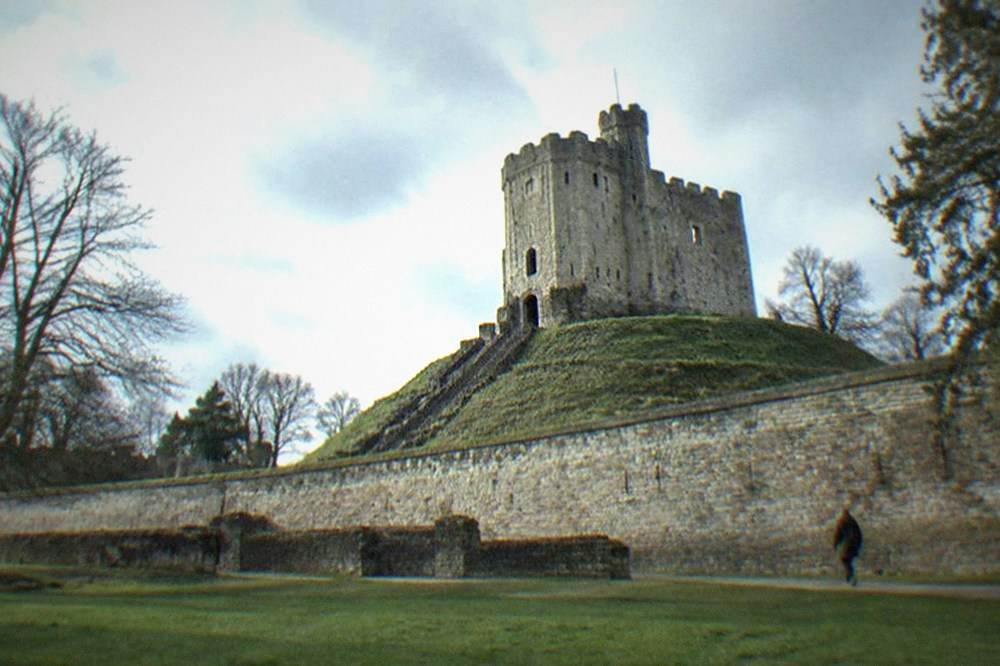
Begin your first day at Cardiff Castle right when it opens so you can beat the crowds, then stroll through the neighbouring Bute Park to unwind among the greenery. In the afternoon, wander the Victorian arcades for shops and cafés, and cap things off with a tour of Principality Stadium to see the city's sporting heart up close. The castle opens 10:00 on weekdays and 09:00 on weekends between March and October, with last entry at 17:00 and an 18:00 close. Arriving at opening is the single best timing decision you can make in Cardiff, because the castle grounds fill with tour groups by late morning, and the keep stairs are far pleasanter with fewer people on them.
Adult castle admission is £16 for the standard ticket. What you get is unusual: Roman wall remains, a Norman keep you can climb, and Victorian apartments whose interiors are among the most extravagant in Britain. Give it two to three hours, more if you want the guided house tour. The castle closes on Christmas Day, Boxing Day and New Year's Day, and summer concert dates can trigger early closures, so check the castle's own opening-times page before you set your heart on a June afternoon visit.
From the castle's north gate you step straight into Bute Park, open daily from 7:30am until half an hour before sunset. Even a short loop along the Taff river through the park connects you to Llandaff Cathedral, about an hour's return walk northwest, or you can simply cut back south towards the centre. The park's Animal Wall on the castle boundary is the classic photo stop.
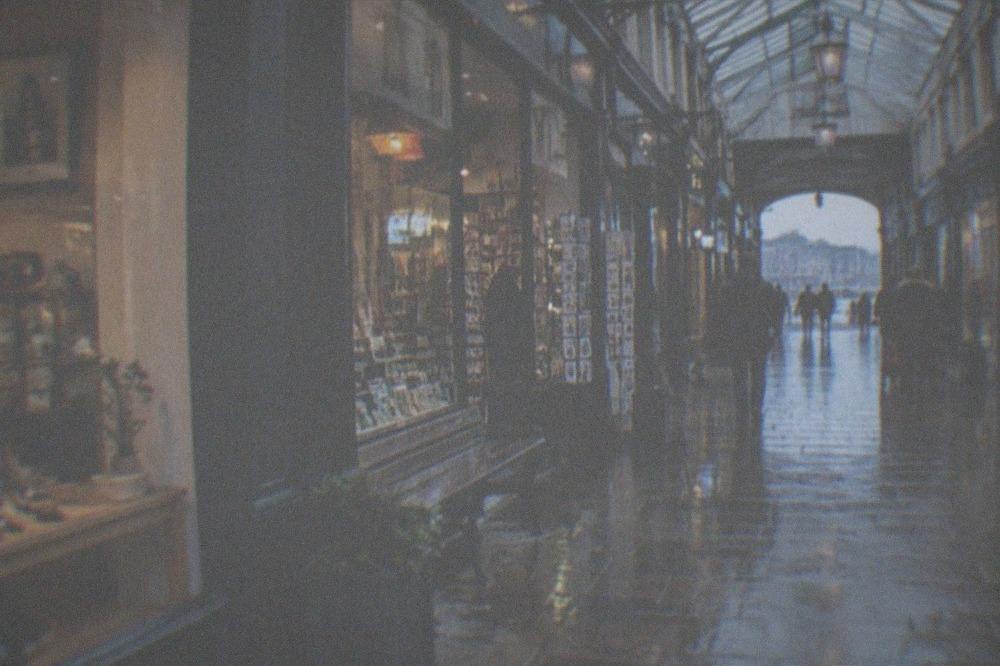
The afternoon belongs to the arcades. Cardiff's Victorian and Edwardian arcades, Castle Arcade, High Street Arcade, Morgan Arcade and the Grand Arcade among them, form a sheltered chain of independent shops, coffee houses and bookshops running behind the main streets. They also happen to be the city's best bad-weather plan, a point worth remembering given Welsh weather. Cardiff Market, open Monday to Saturday 08:00-17:00 and closed Sundays, sits at the eastern end of the chain and works well for a cheap lunch.
Finish with the stadium. The Principality Stadium tour is £19.50 online, £21 on the walk-up, running typically Monday to Saturday through the day. Tours do not run on match days or event days, and the stadium goes quiet over Christmas. Booking the last slot of the afternoon pairs nicely with an evening in the city centre, since the stadium sits directly opposite the pubs of Westgate Street.
| Day 1 stop | Admission | Time needed | Notes |
|---|---|---|---|
| Cardiff Castle | £16 adult | 2-3 hours | Opens 10:00 weekdays, 09:00 weekends in season |
| Bute Park | Free | 30-90 min | Closes 30 min before sunset |
| Victorian arcades | Free | 1-2 hours | Sheltered, ideal if rain arrives |
| Cardiff Market | Free entry | 30-45 min | Closed Sundays |
| Principality Stadium tour | £19.50 online | 1 hour | No tours on match or event days |
If you prefer a guided introduction to the city rather than finding the route yourself, a two-hour highlights walking tour rated 4.8 across 127 reviews covers the castle quarter, the arcades and the Bay direction in one loop, leaving you the afternoon free.
What Should You Do On Day 2 Around The Museum And The Bay?
Spend your morning at the National Museum Cardiff, then take the train or bus to Cardiff Bay after lunch to explore the waterfront at a relaxed pace. In the late afternoon, walk the Cardiff Bay Barrage for open views across the water, and finish the day with dinner at one of the restaurants around the bay. The museum is free entry, funded by the Welsh Government, open Tuesday to Sunday 10:00-17:00 with galleries closing 16:45, and closed on Mondays. That Monday closure is the single most common Day 2 planning mistake, and it is worth checking the calendar before you lock the plan. The Bay half needs no booking at all.
The museum's collection punches well above the city's size: Impressionist paintings including works by Monet, Welsh artists, and the Evolution of Wales gallery with its dinosaurs and mammoth remains. Two hours is a reasonable minimum. Because it is free, there is no sunk-cost pressure to stay all day, which is exactly why it pairs so well with a half-day at the Bay.
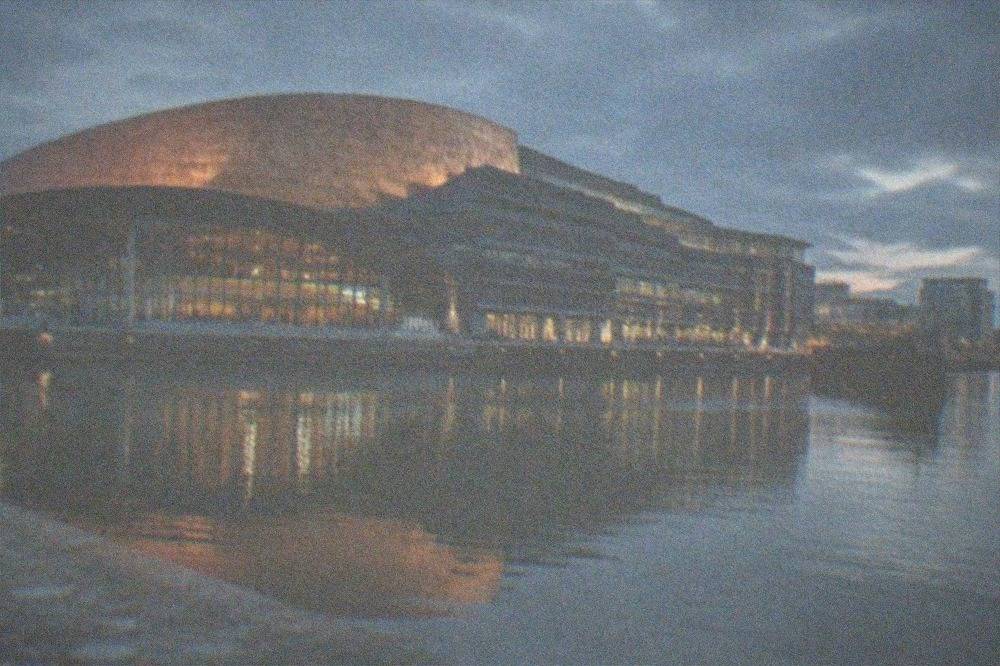
Cardiff Bay is a short hop from the centre by train, bus or a 40 minute walk along the Taff. The Bay's headline buildings cost nothing to enter. The Wales Millennium Centre's foyer and concourse are free public spaces, open from 9am on performance days and until 11pm on show nights. The Senedd, home of the Welsh Parliament, offers free public visits and free guided tours, generally Monday to Friday 9:00-16:30 and weekends from 10:30, with last entry at 16:00. Mermaid Quay handles the food and drink, and a new 679-space multi-storey car park opened there in June 2026 if you are driving.
The barrage walk is the Bay's best free hour. The Cardiff Bay Barrage is an open public walking and cycling route with no admission fee, stretching roughly a mile across the mouth of the Bay with the Bristol Channel on one side. The Bay itself is tidal water held at a constant level, and the barrage's lock gates still operate for boats passing between the impounded lake and the estuary. Allow an hour out and back at a stroll, longer if the weather is kind.
For a different angle on the water, a Cardiff Bay boat tour, rated 3.8 across 427 reviews and priced from £22, is a short, inexpensive way to see the waterfront from the harbour side. It is a modest tour rather than a headline one, but it fits neatly into a late-afternoon gap.
Should Day 3 Be A Castle Day Or A Countryside Day?
Choose a castle day if you want history within half an hour of the city, with grand halls and gardens you can reach easily and still be back for dinner. Choose a countryside day if you would rather stand under a waterfall, walk a cliff path, and spend your time outdoors, accepting a longer drive to get there. Both work as Day 3 because neither requires an early start beyond 9am, and both return you to Cardiff by early evening. The honest answer is that the two best castle day trips, Caerphilly and Castell Coch, are close enough to combine with a half-day of countryside in a single booked tour, which is why many visitors end up doing a bit of both.
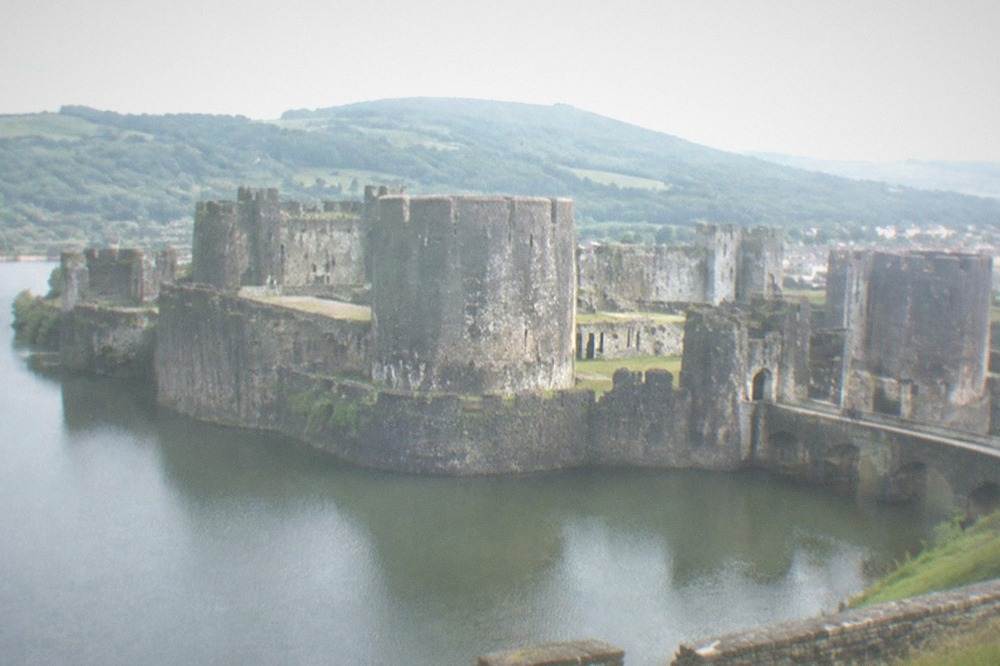
The castle option is the easiest to self-run. Caerphilly Castle is a short train ride from Cardiff and is the largest castle in Wales, with adult admission of £12.90 through Cadw, or 5% less booked online. Its Great Hall reopened after two years of conservation work with new digital exhibits. Castell Coch, the fairytale Victorian reconstruction in the woods north of the city, is £10.40 adult admission, and Cadw sells a joint ticket covering both castles if you plan to do the pair. Both close 24-26 December and 1 January, and both run reduced winter hours from November to February.
The countryside option means the Bannau Brycheiniog, still widely known as the Brecon Beacons, 40-50 miles and one to one and a half hours' drive from Cardiff. Waterfall country at the park's southern edge is the classic day out: the Four Waterfalls walk is a 4.5 to 5.3 mile circuit depending on your starting car park, with parking at Gwaun Hepste costing £6. Do not quote me a train fare for any of this; Transport for Wales fares vary by date and destination, so check live fares at booking time.
If you would rather not drive, a Wye Valley and Bannau Brycheiniog full-day trip, rated 4.9 across 169 reviews, covers Tintern Abbey as well as the national park in one booked day. Tintern Abbey itself is a Cadw site, adult admission £9.40 with a 10% reduction in place while scaffolding repairs continue. A guided valleys tour, rated 4.8 across 149 reviews, is the cheaper alternative that stays closer to the city.
That booked-countryside option leaves the castle-and-museum pairing as the other main way to spend a structured day, and for travellers who want the city's two headline sights handled in one outing, the guided Cardiff-in-a-day tour below is the direct match.
How Much Does 3 Days In Cardiff Actually Cost?
A couple following this itinerary independently should budget roughly a fair outlay per person for admissions and food, before accounting for accommodation and travel to Cardiff. That figure covers the main attractions and meals over three days, though your final spend will vary depending on how many paid sites you visit and where you choose to eat. The paid entries are few: the castle at £16, the stadium tour at £19.50, and either £12.90 for Caerphilly or a booked day trip on Day 3. The two national museums, the Senedd, the barrage, Bute Park and the arcades all cost nothing, which is what keeps the total low for a European capital. Anyone stretching to a fourth day adds almost nothing in admission fees, since St Fagans is free too.
Food is where budgets swing. Street food at Cardiff Market or the Bay's Tiger Yard court keeps lunch in the £8-£15 range, while dinner at a Pontcanna or Canton independent, the neighbourhoods where locals actually eat, runs higher. Cardiff's first Michelin-starred restaurant, Gorse in Pontcanna, sits at the top of that scale, and the city also has a strong bottomless-brunch scene with options from £30 per person if that is your Day 2 lunch plan.
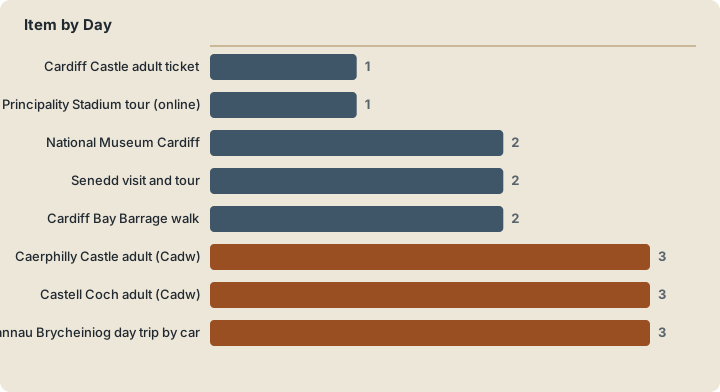
| Item | Cost | Day |
|---|---|---|
| Cardiff Castle adult ticket | £16 | Day 1 |
| Principality Stadium tour (online) | £19.50 | Day 1 |
| National Museum Cardiff | Free | Day 2 |
| Senedd visit and tour | Free | Day 2 |
| Cardiff Bay Barrage walk | Free | Day 2 |
| Caerphilly Castle adult (Cadw) | £12.90 | Day 3 |
| Castell Coch adult (Cadw) | £10.40 | Day 3 alternative |
| Bannau Brycheiniog day trip by car | Fuel plus £6 waterfall parking | Day 3 alternative |
Accommodation depends heavily on where you base yourself, a decision covered in detail on our where to stay in Cardiff guide. The short version: the city centre wins for first-time visitors, Cardiff Bay for the waterfront, Pontcanna for the food scene. Parking in the centre starts from £2 per hour at the cheaper car parks, and our parking in Cardiff guide breaks down the council and private options.
What If It Rains, Or Something Is Closed?
Yes, Cardiff handles rain and closures well. The arcades, the National Museum, Cardiff Market and the Wales Millennium Centre foyer are all sheltered, and three of the four are free, so a wet afternoon or an unexpected closure rarely derails a visit. Cardiff's weather is a real factor in any three-day plan, with the warmest and driest window running late June to early September and February the coldest month. Build one flexible half day into the plan rather than a rigid hour-by-hour schedule, and treat the Day 2 and Day 3 swap as your main safety valve when the forecast turns against you.
Closures matter more than weather. The National Museum shuts on Mondays, Cardiff Market on Sundays, and the stadium tours stop on event days. The castle's summer concert calendar triggers early closures on specific June and July dates, sometimes with last entries as early as noon. If a Monday falls on your Day 2, swap it with Day 3 and do the day trip on the Monday instead.
For a full wet-weather plan, our rainy day in Cardiff itinerary lists the indoor options in order of merit. Techniquest, the science discovery centre on the Bay, is the strongest paid indoor option for families at £17 adult admission, open term-time afternoons and all day at weekends, and daily during school holidays.
Should You Replace Day 3 With St Fagans?
Yes, replace Day 3 with St Fagans if you have children, if the weather is poor, or if you would rather not travel far. St Fagans is free, open daily from 10:00 to 17:00, and was named the UK's best free day out in 2026, so it is an easy choice when Cardiff's other options feel like too much effort. It is also Wales' most visited attraction, drawing 570,207 visitors in 2025, the third consecutive year it topped the national list. Parking costs £7 for the day, which is the only mandatory spend. The trade-off is that it replaces a day in the actual Welsh countryside with a day in a museum about it, and that choice is genuinely personal rather than obvious.
St Fagans is an open-air museum of relocated and reconstructed Welsh buildings, from farmhouses to a workers' institute, spread across parkland with craft demonstrations and farm animals. It needs at least half a day, and a full one if you are travelling with children, because the play areas and the animal enclosures absorb time in the way museums with display cases do not.
The trade-off is real, though. St Fagans is a museum about Wales; the Bannau Brycheiniog and the Gower are Wales. If this is your only trip to the country, the countryside wins on Day 3, and St Fagans becomes the reason to come back. If you have visited Wales before, or you are travelling with young children in unpredictable weather, the museum is the safer and cheaper call.
Common Questions About Three Days In Cardiff
Is 3 Days In Cardiff Enough?
Yes. Two days cover the castle, the arcades, the National Museum and Cardiff Bay, and the third day reaches Caerphilly Castle, the Bannau Brycheiniog or the Gower. Visitors who want St Fagans as well as a countryside day trip should add a fourth day.
What Is The Best Order For The Three Days?
Do the city centre on Day 1, the museum and Bay on Day 2, and the day trip on Day 3. Keep the National Museum off any Monday, since it is closed then, and check the stadium tour calendar for event-day closures before fixing Day 1.
How Much Money Do I Need For 3 Days In Cardiff?
Roughly a fair outlay per person for admissions and eating out, before accommodation. The castle is £16, the stadium tour £19.50 online, Caerphilly Castle £12.90, and the National Museum, St Fagans, the Senedd, Bute Park and the barrage are all free.
Do I Need A Car For 3 Days In Cardiff?
No for Days 1 and 2, since the centre and the Bay are walkable and linked by train and bus. A car helps on Day 3 for the waterfalls and the Gower, though Caerphilly Castle is reachable by train and guided day tours cover the countryside without driving.
What Is The Best Day Trip From Cardiff For Day 3?
Caerphilly Castle is the easiest, the largest castle in Wales and a short train ride away. The Bannau Brycheiniog, still widely known as the Brecon Beacons, suits walkers, and the Gower Peninsula suits anyone who wants beaches and coastal cliffs, at roughly an hour and a half to two hours' drive.
If three days turns out not to be enough, the natural extensions are a fourth day for St Fagans or a weekend in Cardiff compressed plan, and our day trips from Cardiff guide lists every option in detail. For the full picture of the city before you commit to dates, start with the Cardiff Travel Guide homepage and work inward.