Where To Stay In Cardiff: Best Areas And Hotels
Cardiff's compact centre means most visitors spend less time commuting and more time exploring, but the right base still shapes the trip. This guide compares the city's main overnight neighbourhoods, typical hotel styles, and the practical factors that matter for a first visit.
Short answer
First-time visitors are usually best placed in Cardiff city centre, where Cardiff Castle, Bute Park, the arcades and Principality Stadium sit within walking distance. Cardiff Bay suits waterfront stays, Pontcanna offers a quieter food-focused base, and the eastern neighbourhoods work best for longer stays. Hotel rates rise sharply on event weekends.
Where To Stay In Cardiff: Best Areas And Hotels
Where Should First-Time Visitors Stay In Cardiff?
First-time visitors are best served by Cardiff city centre, where the castle, Bute Park, Principality Stadium, Victorian arcades, and most of the city's restaurants sit within a 15-minute walk. A central base removes the need for late-night taxis after a concert or rugby match and makes a short visit feel less rushed.
Cardiff city centre is the most logical base for a first visit, and not just because it is central. The area around Cardiff Castle, Queen Street and St Mary Street holds most of the city's hotels, restaurants and covered arcades in a compact grid. A guest who stays here can walk from the train station to a hotel, drop a bag, and be inside the castle grounds before lunch. The official Visit Cardiff itinerary builds a full day around exactly these central landmarks.
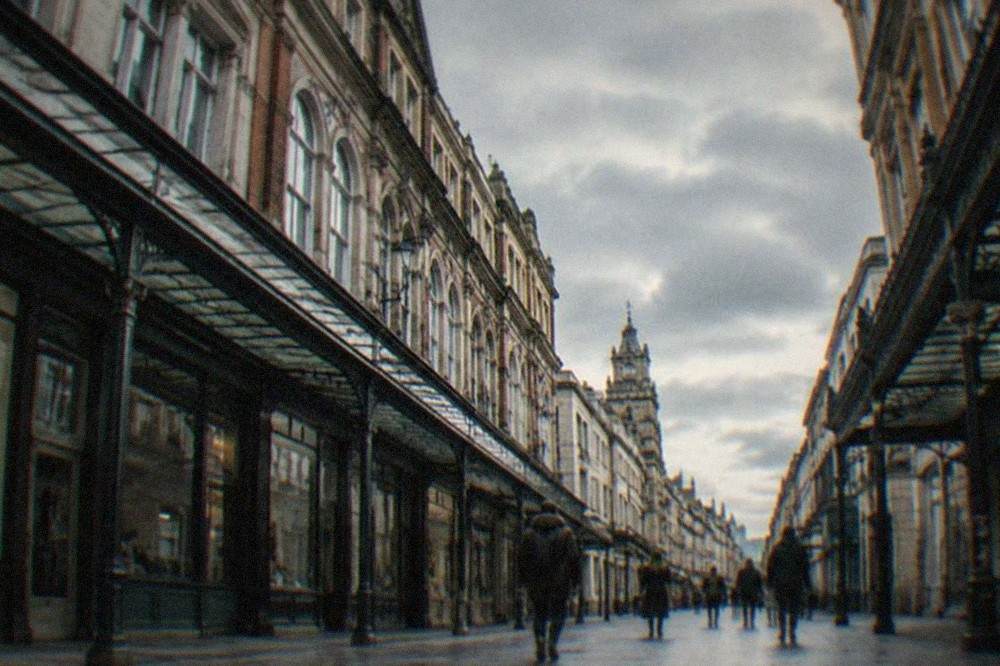
This condensed geography is also why the one-day route mapped by Cardiff Travel Guide starts and ends near the centre. The city's compactness means most central stays need no more than a walking and public transport plan. One caveat applies. On Six Nations weekends, major stadium concerts and big events at Cardiff Castle, central rates climb and quieter rooms sell out first. Visitors who arrive by train will also appreciate that Cardiff Central station sits at the western edge of the centre, so even a hotel near Queen Street requires only a short flat walk with a suitcase. The main shopping streets are pedestrian-friendly during the day, and the concentration of chain hotels, boutique conversions and guesthouses means there is a room type for almost every budget. For a short break, staying central removes the need to plan transport at all, which is a real advantage when a packed itinerary already includes the castle, the National Museum and a stadium tour.
Cardiff City Centre Or Cardiff Bay: Which Area Is Better?
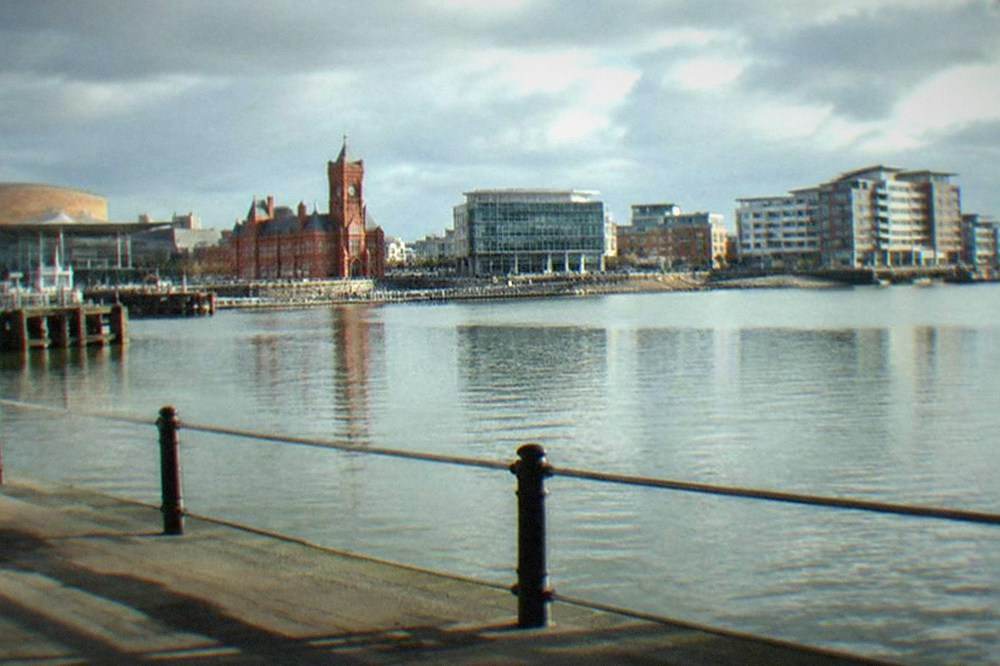
Choose Cardiff city centre for shopping, castle access, rugby weekends and the widest selection of places to eat within a few blocks. Choose Cardiff Bay for modern waterfront hotels, the Wales Millennium Centre, Mermaid Quay, boat trips and a calmer evening atmosphere. Both are well connected, but the Bay adds a short train, bus or waterside walk to most central sights.
The decision between the two areas is less about quality and more about the kind of evening you want. The centre stays lively around St Mary Street and the arcades, while the Bay settles into a calmer rhythm after the day-trip boats and visitor attractions close. A hotel near Mermaid Quay tends to feel more modern, and most of the waterfront's bars and restaurants face the water rather than the high street. Full details of the waterfront's attractions sit in the Cardiff Bay area guide.
| Factor | Cardiff City Centre | Cardiff Bay |
|---|---|---|
| Best for | First-time visitors, short breaks, event weekends | Waterfront stays, Wales Millennium Centre performances, calmer evenings |
| Typical hotel style | Chain hotels, boutique conversions, guesthouses | Modern four-star properties, serviced apartments |
| Key nearby landmarks | Castle, Bute Park, Stadium, arcades | Wales Millennium Centre, Senedd, Mermaid Quay, barrage |
| Journey to castle | 5 to 15 minute walk | 25 to 35 minute walk or short train/bus |
One practical way to test the Bay while keeping a central base is to book a short guided experience early in the trip. The three options below cover the castle and museum, the city centre on foot, and the Bay from the water, which is useful for anyone torn between the two hotel zones. Cardiff Bay's hotels tend to be a little newer and quieter, but the central cluster offers more choice for late-night food and faster access to the stadium and the castle's summer event programme. The Bay's public spaces, including the barrage and the Wales Millennium Centre foyer, stay open into the evening and give a waterfront stay a distinctly different character from the shopping streets. Transport between the two is frequent and inexpensive, so the decision usually comes down to whether you prefer nightlife or a horizon of water.
Where Are The Best Hotels In Cardiff Bay?
Cardiff Bay's hotel stock clusters around Mermaid Quay, the Wales Millennium Centre and the waterfront, with modern four-star properties and serviced apartments dominating the area. The Bay is the strongest choice for travellers who want a quieter base near the barrage, boat tours and waterside restaurants, and it scores well for solo safety.
Cardiff Bay's strongest selling point is the combination of water and culture with a slower pace. The Wales Millennium Centre's free foyer and the Senedd's free public areas sit close to the main hotel cluster, and the barrage offers a flat, traffic-free walking route along the water. The Senedd runs free public visits and guided tours. Drivers also benefit from the new 679-space multi-storey car park that opened at Mermaid Quay in June 2026.
| Stay type | Where it clusters | Best if you want |
|---|---|---|
| Mainstream hotel | Mermaid Quay and waterfront | Walkable restaurants and harbour views |
| Serviced apartment | Near the Wales Millennium Centre | Longer stays with a kitchen |
| Boutique independent | Around the inner Bay | Quieter local character |
| Budget guesthouse | Edge of the Bay | Lower rates with a short walk |
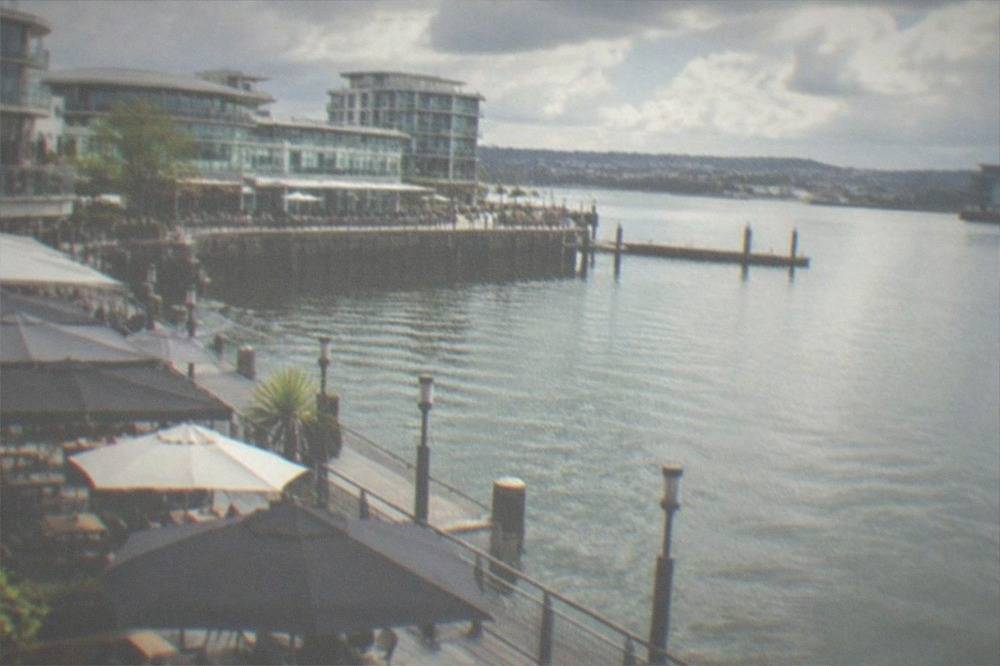
For visitors staying in the Bay who still want the central castle and museum without juggling buses, a focused day tour makes that easy. The Bay's newer residential blocks and hotel conversions mean many rooms have a view across the water, and the walk to the Senedd or the Wales Millennium Centre takes only a few minutes. Solo travellers often rate the Bay well for safety, and the presence of well-lit public areas around Mermaid Quay and the barrage helps. The main trade-off is that the Bay's evening life thins out earlier than St Mary Street, so those who want a wide choice of late-night bars and music venues will find the centre more convenient.
A day tour also helps first-time visitors decide whether the Bay's calm is worth the short commute back and forth to the centre. Most Bay hotels are compact enough that the extra travel time is easy to manage.
Which Cardiff Neighbourhoods Suit Families And Longer Stays?
Pontcanna, Roath and Llandaff offer the quiet residential feel, park access and fewer late-night crowds that many families and longer-stay visitors prefer. Pontcanna is the food-focused choice next to Bute Park, Roath pairs its lake and gardens with good local amenities, and Llandaff feels more like a village within the city.
Pontcanna has become Cardiff's most distinctive place to stay for food-focused travellers. The Sunday Times named Pontcanna one of the best places to live in the UK in 2026, with an average house price of around £352,000, which gives the streets a settled, residential feel far removed from the stadium crowds.
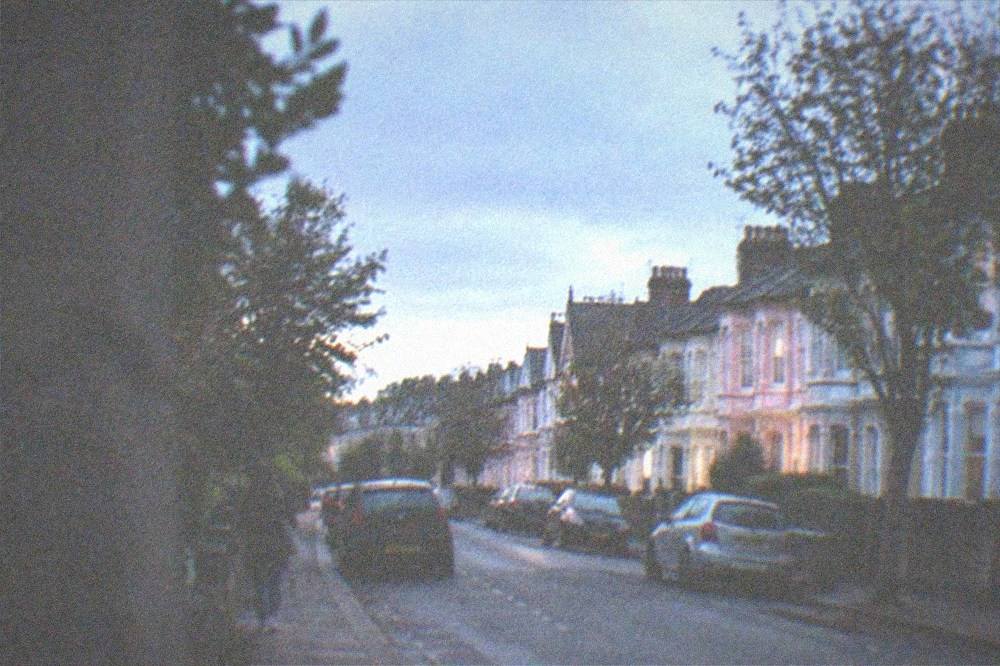
Roath is the greener budget-conscious alternative, built around a lake, botanic gardens and the recently accredited Green Heritage Site. Llandaff feels like a village, with the cathedral's services and Candlelight concerts drawing visitors throughout the year. Pontcanna's appeal lies in its concentration of independent restaurants and cafes, many of them in Victorian terraces that open directly onto quiet tree-lined streets. It is also one of the closest residential areas to Bute Park, so families can walk to the park's play areas and riverside paths without crossing the city centre. Roath Park's lake, botanic gardens and newly widened paths make Roath a favourite for longer stays with children, while Llandaff offers a quieter, heritage-led atmosphere around the cathedral and its surrounding green spaces. All three areas have good bus links into the centre, though they are far enough from the stadium to remain quiet on event nights.
| Area | Vibe | Nearby highlight | Better for |
|---|---|---|---|
| Pontcanna | Leafy, food-focused, residential | Bute Park and independent restaurants | Couples and food lovers |
| Roath | Green, calm, local | Roath Park lake and gardens | Families and longer stays |
| Llandaff | Village-like, historic | Llandaff Cathedral | Quiet heritage base |
Staying in Pontcanna means your morning coffee is likely to come from a small, owner-run spot where the pastries are baked on site and the tables spill onto the pavement. The area’s Victorian and Edwardian houses, many painted in soft pastels or retaining original brickwork, create a streetscape that feels more like a prosperous village than a city suburb. Because so few properties are hotels, most accommodation here is in self-catering flats or guesthouses tucked into these residential rows, which gives visitors an immediate sense of everyday local life. On a typical Saturday, the pace is set by people walking dogs towards Llandaff Fields, couples browsing the deli counters for Welsh cheeses, and cyclists heading into Bute Park’s network of paths. The park itself stretches north from the castle, following the River Taff, and its broad lawns, formal flower beds and arboretum mean you can spend a full afternoon without leaving green space. For families, the playground near the Sophia Gardens entrance is well maintained, and the adjacent sports pitches often host casual games that children can join. Evenings in Pontcanna revolve around food: the restaurant scene is dense with small plates, wood-fired pizzas and modern Welsh cooking, and many places take reservations only a few days ahead, so planning a meal becomes part of the stay’s rhythm. The area’s bus routes run frequently along Cathedral Road and Cowbridge Road East, putting the central shops and Cardiff Castle within a ten-minute ride, yet the return journey after dark feels calm, with street lighting that is soft rather than glaring and pavements wide enough for buggies.
Roath offers a different kind of calm, one shaped by water and mature trees. Roath Park’s lake is the centrepiece, a large, shallow body of water with a promenade that circles its edge, dotted with benches and overlooked by a lighthouse-like memorial. Families gravitate here because the park packs several experiences into one walk: the botanic garden with its glasshouse and seasonal bedding displays, the wildflower banks that attract butterflies in summer, and the playgrounds spaced at intervals so small legs do not have to cover too much ground at once. The recent Green Heritage Site accreditation has brought additional care to the park’s historic features, including restored railings and clearer signage about the planting schemes. The streets immediately around the park, particularly those off Ninian Road and Ty Draw Road, are lined with substantial Edwardian semis and terraces, many of which now house families who have lived there for decades. This gives the area a settled, unhurried character: you are more likely to hear the sound of a basketball bouncing in a driveway than any late-night noise. Local amenities cluster on Albany Road and Wellfield Road, where you find a butcher, a greengrocer, several bakeries and a handful of cafes that stay busy with parents after the school run. For longer stays, the practicalities matter: there is a large supermarket within walking distance, a library with children’s activities, and a leisure centre with a pool. Buses from Roath into the centre run along Newport Road and Albany Road, taking about fifteen minutes, and the route passes the edge of the city centre so you can step off near Queen Street station. Because Roath sits slightly east of the main event footprint, match-day footfall rarely reaches its streets, and the only crowds you might encounter are those at the park’s ice cream van on a sunny Sunday.
Llandaff’s appeal rests on its sense of separation from the modern city. The cathedral, with its twin towers and sprawling churchyard, anchors the area physically and socially. Services draw a regular congregation, and the Candlelight concerts held inside the nave bring a stream of visitors who arrive early to walk the surrounding lanes. The cathedral green, bordered by ancient yews and a scattering of old stone cottages, feels genuinely removed from Cardiff’s commercial centre, even though the city’s edge is less than two miles away. Accommodation here tends towards bed-and-breakfasts in converted coach houses or rooms above village pubs, which suits travellers who prefer a quieter base and do not mind a short bus or taxi ride to the museums and shops. The High Street has a butcher, a small supermarket, a bookshop and a couple of tea rooms, enough to cover the essentials without needing a car. For families, the draw is often the combination of open space and gentle history: children can run on the cathedral green, explore the ruined Bishop’s Palace next door, or follow the path along the River Taff that links Llandaff to Bute Park and the city centre. This riverside walk, shaded by alders and willows, takes about forty minutes on foot to reach the castle, and cyclists use it as a safe, traffic-free corridor. Buses from Llandaff run along Cardiff Road and Western Avenue, with services every ten to fifteen minutes during the day, and the journey into the centre passes through the university campus and past the hospital, so it rarely feels isolated. On event nights, the area is entirely unaffected by stadium noise, and the only sound after dark is often the cathedral bells marking the hour.
If you are staying in a quieter neighbourhood, a two-hour city highlights walking tour helps you connect the central sights without moving hotels.
How Much Should You Budget For Accommodation In Cardiff?
Prices in Cardiff follow event demand more than season. Expect the most expensive nights around Six Nations home fixtures, Principality Stadium concerts, and major events at Cardiff Castle. Book furthest ahead for those dates, and check cancellation terms before committing. For everyday stays, budget travellers should compare city-centre guesthouses, university-area rooms and waterfront serviced apartments rather than assuming one area is always cheaper.
A useful planning figure is the city's average daily travel cost, often cited £82 per person for budget and mid-range spending combined. That figure covers transport, food and a bed, but not event-night premiums, which can be substantial. The table below shows when demand pushes rates hardest. This pricing pattern has a direct link to the city's event calendar, so it is worth checking the best time to visit Cardiff before locking in dates.
| Event period | Typical demand driver | Smart booking move |
|---|---|---|
| Six Nations home matches | Stadium weekends fill central hotels | Book as soon as fixtures land |
| Castle concerts and summer events | June to July early closures and evening crowds | Check hotel cancellation terms |
| Autumn internationals and stadium concerts | High demand in city centre | Stay in Cardiff Bay or Pontcanna |
| Christmas market weeks | November to December weekends | Book midweek for lower pressure |
One of the most practical add-ons for a Bay stay is a short boat tour, which gives a different angle on the waterfront and the barrage without a full day out. Budget travellers should also remember that Cardiff's free attractions, including the National Museum Cardiff and St Fagans, help offset accommodation costs on longer trips. The average figure of £82 per day is a planning range, not a fixed promise, and event weekends can double that for a central room. For the best value, look for guesthouses in the student-friendly streets north of Queen Street or serviced apartments around the Bay's outer edge, and avoid checking in on the same day as a stadium event.
Where To Stay For Easy Access To Cardiff Airport And Day Trips?
Visitors flying into Cardiff Airport or planning day trips to the Brecon Beacons, Vale of Glamorgan and the South Wales coast should think about access before choosing a hotel. Cardiff Airport sits 12 to 15 miles from the city centre, a 20 to 30 minute drive, and the central train and bus connections make both Cardiff Bay and the city centre workable bases.
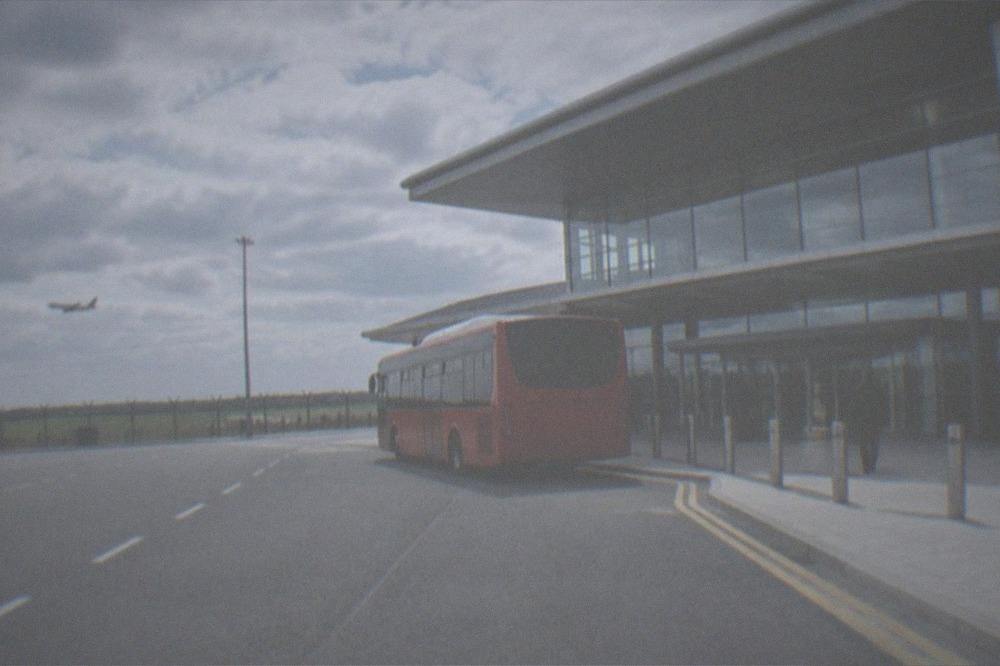
Cardiff Airport's official site confirms the direct T9 bus to the city centre, and rail connections run via nearby stations. For more on arrivals, see the Cardiff Airport guide. Drivers heading west to Bannau Brycheiniog or the Gower coast often prefer a base on the edge of the centre, where parking is easier and the M4 is quicker to reach.
Whichever corner of the city you choose, the same handful of guided experiences can anchor the stay and make the most of Cardiff's compact layout.
Common Questions About Where To Stay In Cardiff
What is the best area to stay in Cardiff?
Cardiff city centre is the best base for most first-time visitors because it puts the castle, museum, arcades, stadium and main rail station within walking distance. Cardiff Bay is the strongest waterfront alternative, while Pontcanna suits a quieter, food-led stay.
Where not to stay in Cardiff?
Visitors looking for a calm, walkable base should be cautious about the southern end of St Mary Street and the eastern postcodes such as Splott and Tremorfa, which record higher crime rates and more late-night anti-social behaviour.
How many days in Cardiff is enough?
Two full days comfortably covers the city centre and Cardiff Bay, with time for the castle, National Museum, arcades and a waterfront walk. Add a third day for day trips such as Caerphilly Castle or Castell Coch.
Is Cardiff a walkable city?
Yes, the centre is compact and highly walkable, with the castle roughly an eight minute walk from Cardiff Central station. Most central hotel bases require no more than a short walk or a single bus ride to reach the Bay.
Where do locals eat in Cardiff?
Pontcanna and Canton are known for independent restaurants and cafes, with Gorse in Pontcanna the city's first Michelin-starred restaurant. The Spanish Triangle on Westgate Street and Kings Road Yard in Pontcanna also attract locals for casual dining.