Roath Park: Cardiff's Lake And Botanic Garden Explained
Roath Park is the green heart of east Cardiff: a lake with pedalos, botanic gardens, a lighthouse monument and a walking loop that locals treat as their everyday escape from the city centre.
Short answer
Roath Park is a free public park about two kilometres east of Cardiff city centre, in the Roath neighbourhood. It centres on a large lake with seasonal pedalo hire, botanic gardens and a lighthouse monument. In 2026 it received Green Heritage Site Accreditation, one of only two such sites in Cardiff alongside Bute Park. Entry costs nothing and it is open year round.
Roath Park sits quietly in the east of Cardiff while the castle and the stadium take the headlines, and that is exactly why it deserves a place on your list. The park received Green Heritage Site Accreditation in 2026, making it one of only two accredited sites in the city alongside Bute Park, and one of just 14 across the whole of Wales. For a park that many visitors never reach, that is a serious endorsement from the bodies that assess green space quality in Britain.
The park is the centrepiece of the Roath neighbourhood, a residential area of terraced streets and independent cafés that sits between the city centre and Cyncoed. Its full title, Roath Park and Lake, hints at the layout: a long stretch of water at the centre, botanic gardens running alongside it, and a well used network of paths looping the whole site. On a Saturday morning the lake path fills with runners, families and dog walkers, and the atmosphere is local rather than touristy.
This guide covers what the park actually contains, what it costs, when to go, how to get there and how it compares with the better known Bute Park on the other side of the centre. It also suggests ways to fill the rest of your day in Cardiff, because Roath Park rewards a relaxed half day rather than a rushed hour, and the surrounding neighbourhood is worth lingering in.
What Is Roath Park And Why Do Locals Rate It?
Roath Park is a large public park and lake in the Roath area of east Cardiff, roughly two kilometres from the city centre, and it is free to enter. It combines a sizeable lake with botanic gardens, a lighthouse monument on the water, and wide paths used daily by the surrounding neighbourhood. In July 2026 it was awarded Green Heritage Site Accreditation for the first time, one of only two such sites in Cardiff.
The accreditation matters more than it might sound. Green Heritage Site Accreditation recognises parks that both maintain high environmental standards and actively manage their historic landscape, so the award tells you the park is not just pleasant but actively cared for. Cardiff as a city retained all 21 of its Green Flag Awards in the same announcement, which is a useful signal of how seriously the council takes its green spaces in general. Roath Park earning heritage status for the first time in 2026 was the local headline of that round of awards, joining Bute Park as one of just 14 accredited sites across Wales.
The park also launched a new Heritage Trail as part of the 2026 accreditation, which gives first time visitors a structured way to explore rather than wandering aimlessly. The trail is the kind of addition that rewards a slow loop of the site, and it pairs naturally with the botanic gardens, which hold planted displays that change through the seasons.
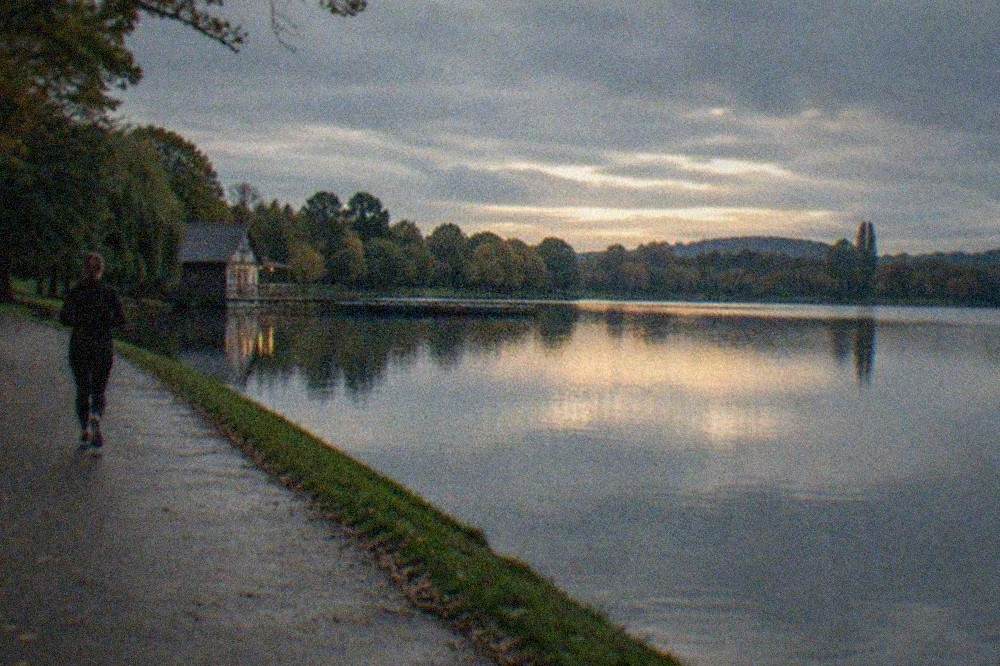
What locals value most, judging by how the park is used, is the everyday scale of the place. The lake path works as a running loop, a pram walk and a cycle route, and the southern edge was widened in 2024 specifically to accommodate a cycle path. A public consultation ran in July 2026 on a proposed dedicated cycle route around the western and eastern sides of the lake, aimed at safety, which tells you the park's footfall has grown to the point where the council is rethinking how people move around it.
What Can You See And Do At Roath Park?
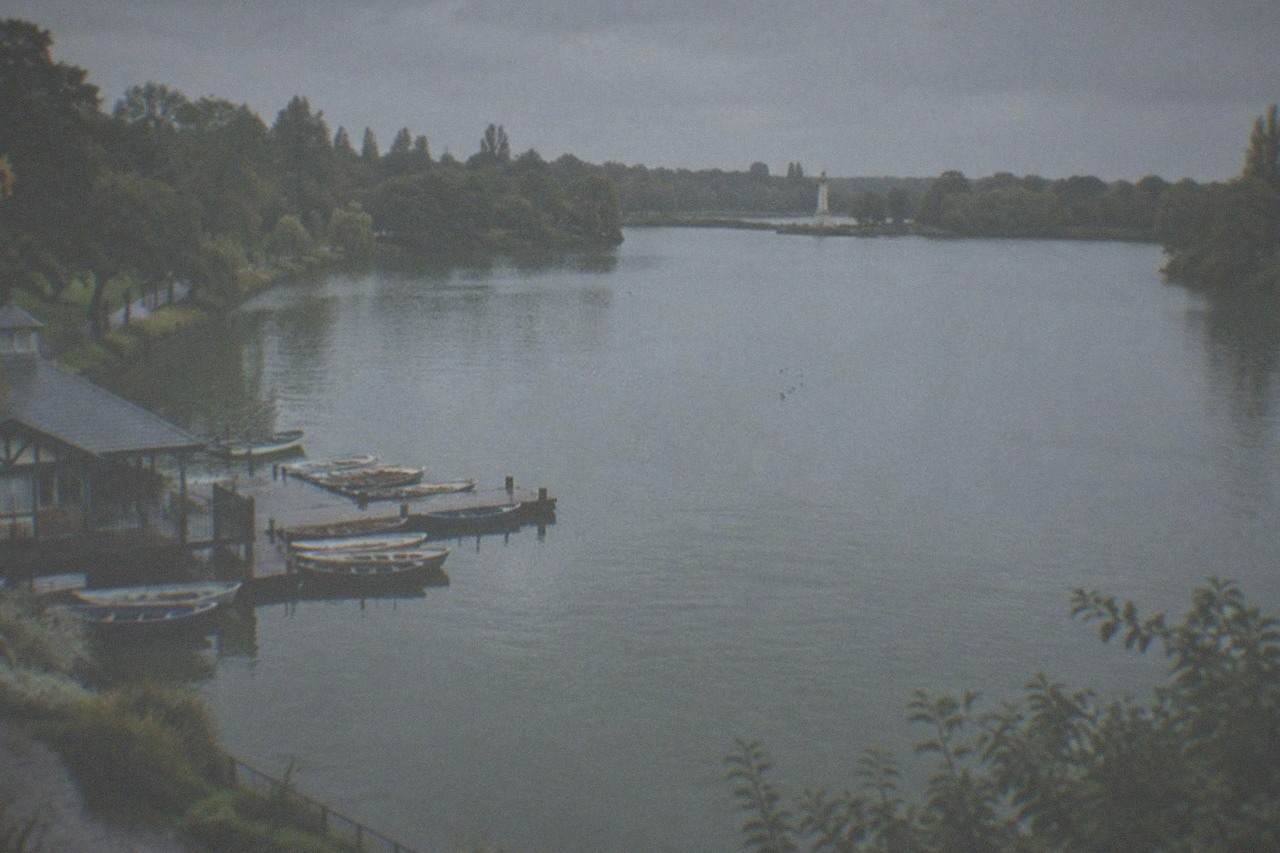
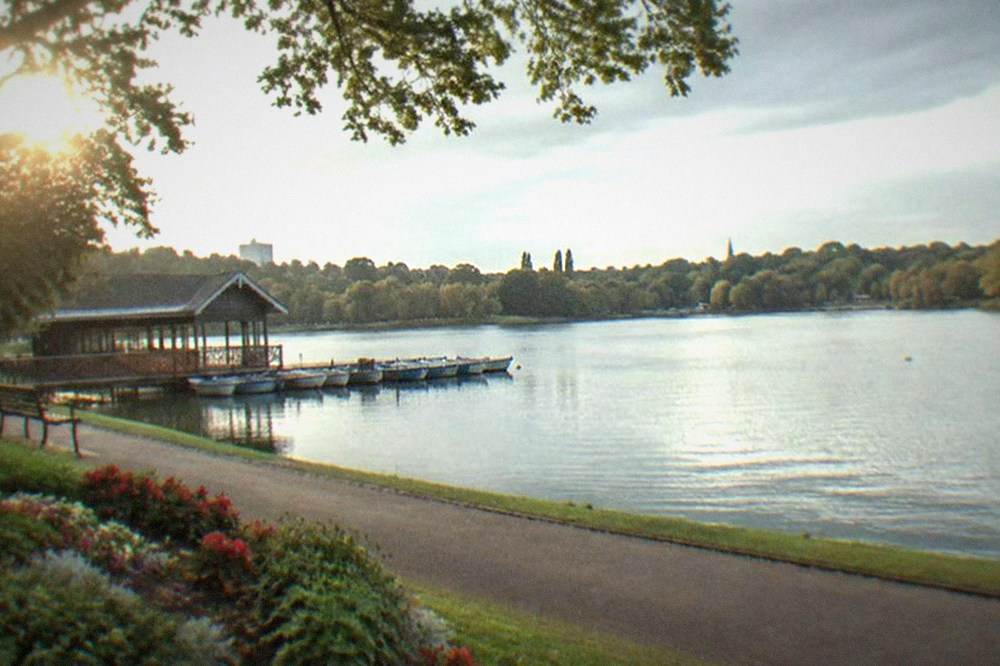
The park's core attractions are the lake, the botanic gardens and the lighthouse monument at the western end of the water. Pedalos operate from the Boat House in the warmer months, weather permitting, typically from 11:00 to 19:00 with last hire at 18:15. The paths around the lake form a flat, accessible loop suitable for walking, running and cycling, and the botanic gardens hold seasonal planted displays.
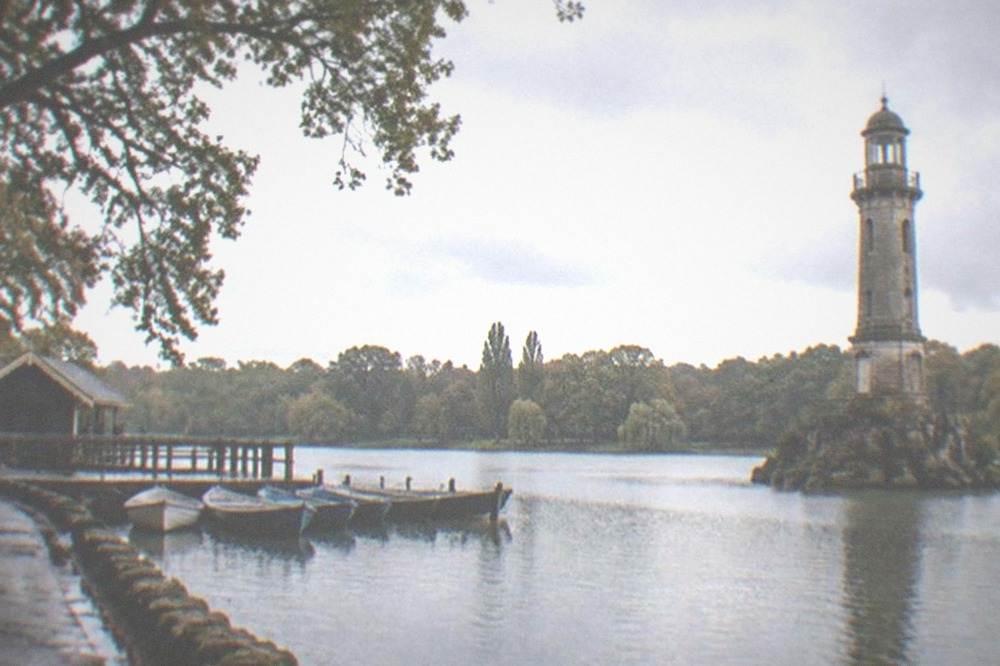
Start with the lake, because it is the reason most people come. The water is big enough that the far side feels like a proper destination, and the lighthouse monument at the western end is the park's most photographed feature, a stone tower standing in the water that gives the whole site a distinctive silhouette. Photographers gather there in the later afternoon when the light comes across the lake.
The botanic gardens run alongside the water and are the horticultural heart of the park. Expect formal bedding displays, mature trees and quieter corners than the lake path, and expect the planting to look completely different in spring versus late summer. The gardens are also where the park's heritage management is most visible, with labelled specimens and maintained beds rather than the wilder margins you find around the lake.
For families, the pedalos are the main draw. Hire runs from the Boat House during the warmer part of the year, and the 2026 season saw pedalos available daily, weather permitting, from 11:00 to 19:00 with the last hire at 18:15. That schedule reflects the Easter holidays period, so treat it as a guide to the busy season rather than a year round promise, and check at the Boat House on the day. One important caveat for anyone planning a boat outing: the boat stage at the lake was closed until further notice in mid August 2026 after blue-green algae was detected in the water. Algae closures are seasonal and are lifted once water quality returns to safe levels, so verify the current status before promising children a pedalo.
The rest of a visit is made up of the simple pleasures of a good city park: the flat loop around the water, benches with lake views, and the sense of being in a genuinely local space. The neighbourhood around the park, covered in our guide to the Roath area, adds independent cafés and Wellfield Road's small shopping strip within easy walking distance.
| Area of the park | What you will find | Best for |
|---|---|---|
| The lake | Open water, lighthouse monument, lakeside paths | Walking, photography, pedalos |
| Botanic gardens | Seasonal bedding, mature trees, labelled plantings | Garden lovers, quiet corners |
| Boat House | Pedalo hire point, seasonal opening | Families with children |
| Southern lake path | Widened in 2024 for a cycle route | Cycling, running, commuting |
| Surrounding streets | Independent cafés and shops in Roath | Coffee, lunch, browsing |
If your Cardiff plans are still taking shape and you want ideas beyond the park itself, these are two popular ways to spend a day from the city, one free and one private.
How Much Does Roath Park Cost To Visit?
Entry to Roath Park is free, as it is for all of Cardiff's council run parks, and there is no admission charge for the lake path, botanic gardens or Heritage Trail. The only costs you are likely to face are optional: pedalo hire from the Boat House in season, refreshments from nearby cafés, and transport to reach the park. Parking arrangements are on street in the surrounding neighbourhood.
The free entry is worth stating plainly because visitors from countries where urban parks charge admission sometimes assume otherwise. Cardiff's council parks, from Bute Park to Roath Park, are open public spaces with no gate and no ticket. The city's free attractions extend well beyond green space: the National Museum Cardiff and St Fagans National Museum of History are both free to enter as well, which makes a Cardiff day out unusually kind to the budget. Our roundup of free things to do in Cardiff covers the full list.
The pedalo hire is the one in park cost, and the Boat House sets its own rates, so check the current price at the kiosk rather than relying on any figure printed in advance. Hire is seasonal and weather dependent, and as noted above the boat stage was closed in August 2026 because of algae in the water, with reopening dependent on water quality tests. When the stage is open, expect the busiest queues on weekend afternoons in fine weather.
Getting there costs depend on your mode. Cardiff is a notably walkable city, and the park is reachable on foot from the centre in well under an hour, or faster by bike using the improved southern path. Bus services run through Roath towards Cyncoed and Pengam, but fares are published on the operator's own fare pages and change periodically, so check the current rates at the time you travel rather than planning around a fixed figure. If you are basing yourself in the centre, our guide to getting around Cardiff covers the options in full.
What Are The Gardens And Lake Like Through The Year?
The botanic gardens change character completely across the seasons, from spring bedding displays to late summer colour and bare structured winter planting, while the lake stays constant as the park's anchor. Pedalo season runs in the warmer months, roughly Easter through early autumn. The lake itself occasionally closes its boat stage for blue green algae, as happened in August 2026, so water activities are the one element that cannot be guaranteed in advance.
Spring is arguably the park's best moment. The botanic gardens are replanted for the season, the trees around the lake come into leaf, and the combination of blossom and open water makes the whole site photograph well. It is also when the pedalo season gets going, with the Easter holidays marking the point where daily hire becomes reliable rather than weekend only.
Summer brings the fullest use of the park. The lake path fills with runners early and late in the day, families occupy the pedalos through the afternoon, and the long summer evenings mean the park stays pleasant well after six. The algae risk is a summer phenomenon too, since blue green algae blooms thrive in warm, still water, which is why the boat stage closure in August 2026 was not a surprise to anyone who follows the park closely. The closure did not affect the paths or gardens, only the water activities.
Autumn is the quiet connoisseur's season. The mature trees in the botanic gardens turn colour, the crowds thin once schools go back, and the lake path becomes one of the more atmospheric walks in the city. Winter strips the park back to its structure: the lake, the lighthouse monument and the bare outlines of the gardens, with hardy regulars keeping the loop busy. The park's heritage status means the winter landscape is managed rather than neglected, so even the off season visit has something to look at.
When Is The Best Time Of Day To Visit Roath Park?
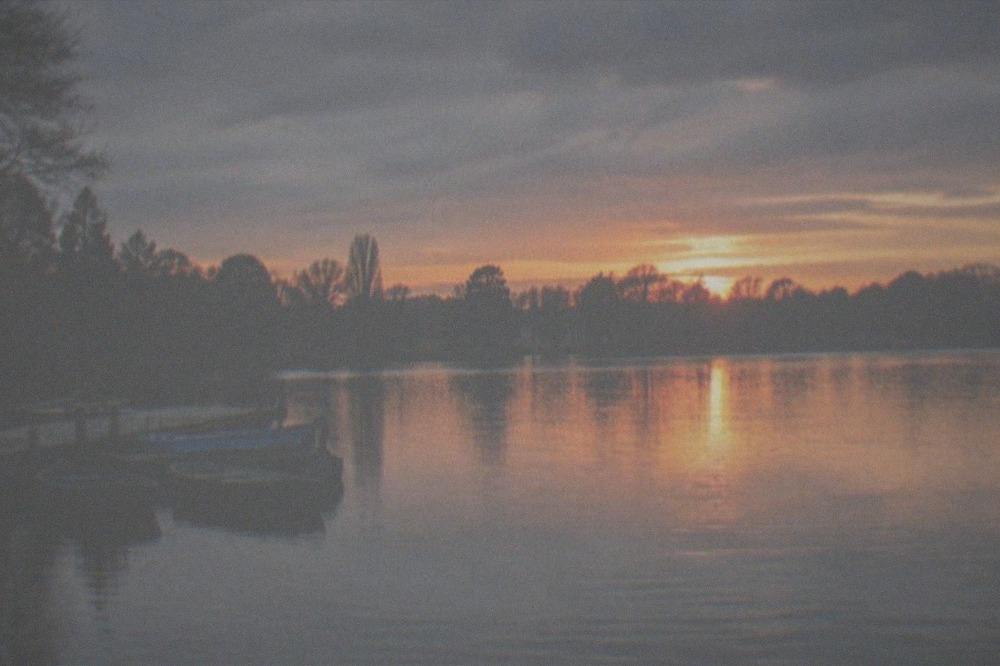
Early morning and late afternoon are the best times to visit for atmosphere and light. Mornings belong to runners and dog walkers before the crowds build, while the hour before sunset puts the best light on the lake and the lighthouse monument for photographs. Weekend afternoons are the busiest period, especially when pedalos are running, so visit on a weekday if you want the paths to yourself.
The morning shift is a genuine Cardiff ritual. The flat lake loop is one of the east of the city's most popular running routes, and from around seven onwards it carries a steady stream of locals getting their exercise in before work. If you are an early riser, this is the park at its most local: very few visitors, low light on the water, and the botanic gardens almost empty. The rest of the planning pages sit on Cardiff Travel Guide.
Midday and the early afternoon are the family hours. Pedalo queues form at the Boat House, the benches around the lake fill, and the cafés in the surrounding streets do their busiest trade. This is the liveliest and most sociable time to be there, and if you have children it is when the park works best, but it is not the moment for a quiet loop or serious photography.
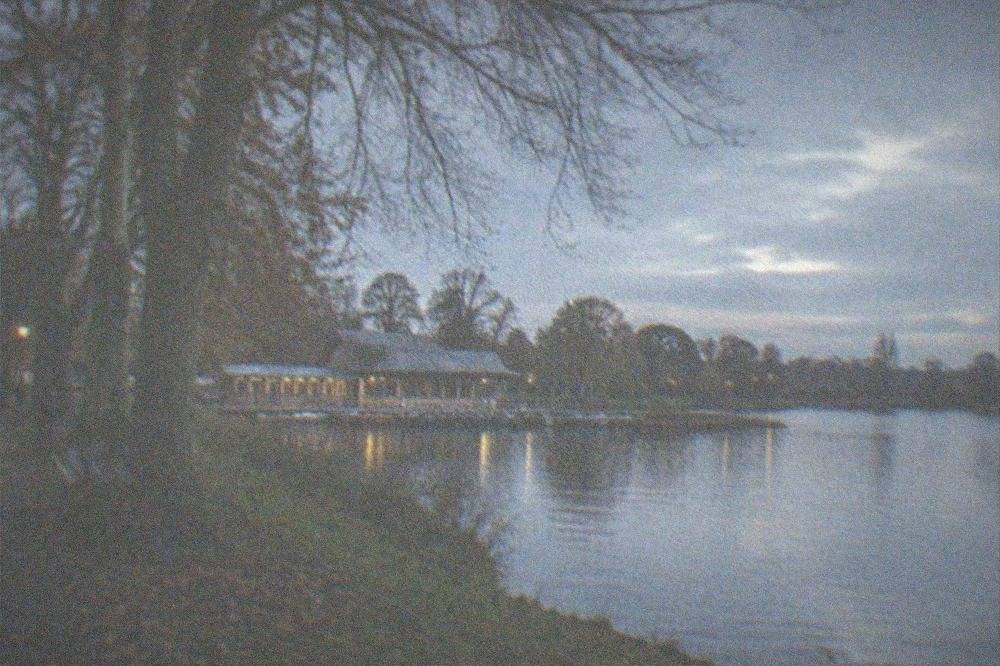
Late afternoon into early evening is the sweet spot for photographers. The lighthouse monument sits at the western end of the lake, which means the low sun lights it directly in the later part of the day, and the water picks up the colour. In summer, when the park stays light until late, you can have the best of both worlds: warm evening air and thinning crowds.
If your Cardiff time is short and you are deciding how to split a day, a morning in the city centre followed by a late afternoon at the lake is a satisfying pattern. A guided walk is a good way to handle the centre efficiently, and the two hour Cardiff City Highlights walking tour covers the core sights in a single loop.
How Do You Get To Roath Park From The City Centre?
Roath Park is in east Cardiff, roughly two kilometres from the city centre, and is reachable on foot in well under an hour, by bike via the improved southern lake path, or by bus along the corridors through Roath towards Cyncoed. There is no rail station at the park itself. Most visitors staying centrally either walk, take a short bus ride, or combine the park with a longer walk through the city's eastern neighbourhoods.
Walking is the simplest option and one of the pleasures of the trip. Cardiff is a genuinely walkable city, with the castle around eight minutes from Cardiff Central station and the main central sights clustered tightly together, and the extension out to Roath adds a pleasant stretch through residential streets rather than a slog along main roads. Approaching from the centre, you pass through the edges of the Roath neighbourhood, which gives the walk a point of interest at both ends.
Cycling suits the park particularly well since the southern path was widened in 2024 to accommodate a cycle route. The council's July 2026 consultation on a dedicated cycle route around the western and eastern sides of the lake signals that cycling access is only going to improve. If you are using the park as part of a longer ride, the lake loop connects into the wider network of routes through east Cardiff.
Bus services run along the main roads through Roath, connecting the city centre with the eastern suburbs, and stops within a short walk of the park are served by several routes. Fares are published on the operator's own fare pages and are subject to change, so check the current rates when you plan rather than relying on a fixed figure. For anyone arriving from further afield, Cardiff Central station is the main rail hub, and the park is a straightforward onward journey from there by any of the modes above.
| Way to reach the park | Approximate effort | Notes |
|---|---|---|
| On foot from the centre | Under an hour | Pleasant route through eastern neighbourhoods |
| By bike | Fastest local option | Southern lake path widened for cycling in 2024 |
| By bus | Short ride | Fares on the operator's own pages, check before travel |
| By car | Street parking nearby | Residential streets, busiest on weekend afternoons |
Roath Park Or Bute Park: Which Suits Your Day?
Bute Park is bigger, sits directly behind Cardiff Castle and acts as the city's central green corridor, while Roath Park is the quieter local favourite in the east with the lake, pedalos and botanic gardens. Bute suits visitors packing the castle and museum into one day. Roath suits anyone with a spare half day, families who want the water, and visitors who have already seen the central sights and want the city as locals use it.
Bute Park's advantage is position. It opens out from the castle's western edge, which means you can walk the grounds, cross into the park and be in the Victorian arcades within minutes, all without really planning a route. It is also the larger and wilder space, running along the River Taff with mature woodland and wide lawns. Its opening hours run daily from 7:30 in the morning until thirty minutes before sunset, with the exact locking times posted weekly and varying through the year.
Roath Park's advantage is character. The lake gives it a focal point that Bute lacks, the botanic gardens give it horticultural interest, and the location in a residential neighbourhood means it feels discovered rather than delivered. Both parks are free, both hold Green Heritage status, and both are open year round, so the choice is genuinely about which end of the city your day is anchored to rather than about quality.
For a first visit to Cardiff, do Bute Park: it pairs with the castle and the museum too neatly to pass up. For a second day, or for a longer stay, Roath Park is the better reward, especially combined with lunch in the neighbourhood. Families with children should lean Roath for the pedalos, with the algae caveat above, and runners will find the flat measured lake loop more useful than Bute's longer riverside stretches.
| Roath Park | Bute Park | |
|---|---|---|
| Location | East Cardiff, Roath neighbourhood | City centre, behind Cardiff Castle |
| Water feature | Lake with pedalos and lighthouse monument | River Taff along the boundary |
| Gardens | Botanic gardens with seasonal planting | Woodland and lawns |
| Green Heritage status | Accredited 2026 | Accredited, one of two in Cardiff |
| Best paired with | Roath cafés, Wellfield Road | Cardiff Castle, arcades, National Museum |
| Best for | Families, photographers, local atmosphere | First time visitors, castle itineraries |
Other Ways To Spend A Day From Cardiff
Roath Park fills a relaxed half day, and the rest of your time in Cardiff is best spent either in the centre or out in the surrounding South Wales countryside. Guided walking tours cover the city's core in around two hours, while full day trips run from Cardiff to the Gower Peninsula, the waterfalls of Bannau Brycheiniog and the castles of the Valleys. None of these tours visit Roath Park itself, so treat them as complements to a park visit.
In the centre, a guided walk is the most efficient way to absorb the city's story. The free Blodwen walk, "Blodwen the Welsh Woman's Best Bits of Cardiff", is run through GuruWalk and has rated 4.98 across 111 reviews, a remarkably strong score for a tips based city walk. The character led format is a deliberate contrast to the standard headsets and flag carrying guide, and because it is free to book with tips at the end, it fits even a tight budget. You can See This Free Tour On GuruWalk and check the current schedule on the listing.
For a private alternative, the Cardiff Private Walking Tour with a Local runs around two hours with a guide arranged for your group alone, rated 4.6 across 57 reviews. It suits visitors who want to set their own route and pace, perhaps folding in questions about neighbourhoods like Roath along the way. You can Check availability on the operator's live listing.
Beyond the city, the roster of day tours from Cardiff is one of the strongest of any British city its size. The Gower Peninsula trips, such as the Cardiff and Swansea Gower cliffs and Mumbles day tour rated 4.9 across 266 reviews, reach coastline that consistently ranks among the best in Britain. The South Wales mountains and waterfalls tours explore Bannau Brycheiniog, still widely known as the Brecon Beacons, 40 to 50 miles and one to one and a half hours drive from the city. Castle themed days take in Caerphilly, whose adult admission is £12.90 with 5% off booking online, alongside other Cadw sites. These are full days out, roughly eight hours, so they pair naturally with a park visit on a separate day rather than the same one.
Whichever mix you choose, the pattern that works best is simple: parks and neighbourhoods for your slower days, guided walks for your first orientation, and one big day trip for the scenery that sits within an hour or two of the city. Roath Park slots into the first of those categories as comfortably as anything in Cardiff, and its new heritage status means it is only likely to improve.
Common Questions About Roath Park
Is Roath Park free to enter?
Yes. Roath Park is a council run public park with no admission charge for the lake path, botanic gardens or Heritage Trail. The only optional costs are pedalo hire from the Boat House in season and any refreshments you buy in the surrounding neighbourhood.
Can you still hire pedalos at Roath Park?
Pedalo hire normally runs from the Boat House in the warmer months, weather permitting, typically from 11:00 to 19:00 with last hire at 18:15. However, the boat stage was closed until further notice in mid August 2026 after blue green algae was detected in the lake, so check the current status before promising a boat trip.
How far is Roath Park from Cardiff city centre?
The park is in the Roath neighbourhood of east Cardiff, roughly two kilometres from the city centre. It is walkable in well under an hour, quicker by bike using the southern lake path that was widened in 2024, or a short bus ride along the routes through Roath.
What is the lighthouse at Roath Park?
The lighthouse monument stands in the lake at the park's western end and is the park's most recognisable feature, appearing in most photographs of the site. It is best photographed in the late afternoon when the low sun comes across the water towards it.
Is Roath Park worth visiting compared with Bute Park?
Both are free and both hold Green Heritage Site Accreditation, making them the only two such sites in Cardiff. Bute Park sits behind Cardiff Castle and suits first time visitors packing in the central sights. Roath Park suits families who want the lake and pedalos, photographers, and anyone who has already seen the centre and wants the city as locals use it.
When did Roath Park get Green Heritage status?
Roath Park received Green Heritage Site Accreditation in July 2026, the first time the park has held the status, joining Bute Park as one of only two accredited sites in Cardiff and 14 in Wales. The park also launched a new Heritage Trail as part of the accreditation.