Cardiff Vs Swansea: Which Welsh City Should You Visit?
Cardiff and Swansea are Wales's two biggest cities, and they suit very different trips. One is a capital packed with castles, museums and stadium-scale events; the other is a compact coastal city sitting on the edge of the Gower Peninsula. Here is how they compare on price, sights and day-trip potential.
Short answer
Cardiff wins for first-time visitors: it has the castle, the free national museums and the bigger events calendar, and it is roughly an hour from Swansea by train. Swansea suits travellers who want beach time on the Gower, with Rhossili Bay and the Mumbles on the doorstep. Two days in Cardiff plus one on the coast covers both comfortably.
Cardiff and Swansea sit barely 40 miles apart on the South Wales coast, yet they feel like different countries. Cardiff is a capital of 383,919 people, built on coal money and rugby noise, with a castle at its centre and a parliament on its waterfront. Swansea is smaller and more laid back, a city that treats the sea as its front garden and the Gower Peninsula as its back yard. Travellers planning a South Wales trip almost always ask which one deserves the hotel booking, and the honest answer depends on what the trip is for.
The comparison matters more than it used to. Cardiff pulled in 18.69 million visitors in 2025, up 4.4 per cent year on year, and its tourism economy grew 6.7 per cent to £1.86bn on the back of castle concerts and a packed events calendar. Swansea, meanwhile, trades on access rather than volume: it is the practical base for one of Britain's finest stretches of coast. This guide compares the two cities on the things that actually decide a trip: cost, sights, food, coastline and day-trip reach.
Is Cardiff Or Swansea Better For A City Break?
Cardiff is the stronger city break for most visitors, and it is not especially close. It holds Wales's flagship attractions: Cardiff Castle at £16 adult entry, the free National Museum Cardiff, the free St Fagans open-air museum and the £19.50 Principality Stadium tour. Swansea's own city centre is thinner on headline sights, though it compensates with sea air, lower prices and the Gower on its doorstep.
The case for Cardiff rests on density. You can walk from Cardiff Central station to the castle in about eight minutes, and the main sights chain together easily: Bute Park behind the castle walls, the Victorian arcades off St Mary Street, then a short hop to Cardiff Bay. The official one-day itinerary from Visit Cardiff covers exactly that arc, and most visitors find it fills a full day without strain. Swansea's centre, rebuilt after wartime bombing, has fewer pre-war streets to wander, though the Maritime Quarter and the sweep of Swansea Bay give it a genuinely maritime character Cardiff cannot match.
Swansea's defenders point to pace. It is quieter in the evenings, cheaper at the table and, crucially, positioned so that the beach is part of the city rather than a bus ride away. If your ideal break involves a swim before breakfast and a coastal path after it, Swansea is the more natural fit. If you want museums, a castle and a big match or concert in the same weekend, Cardiff takes it.
There is a third answer that suits many travellers: stay in Cardiff and visit the coast. The two cities are linked by a roughly hourly rail service along the Swansea Bay line, and a string of guided day tours run from Cardiff out onto the Gower, which removes the need to choose at all.
How Do The Two Cities Compare On Size And Price?
Cardiff is roughly twice Swansea's size and noticeably dearer to live in and visit. Average monthly rent runs £1,157 in Cardiff against £833 in Swansea, and average house prices sit £266,000 versus £197,000. For a visitor, that gap shows up mainly in hotel rates and restaurant bills, while the headline attractions in both cities are either free or modestly priced.
The price difference is real but not dramatic for a short stay. Cardiff's paid sights are cheap by capital-city standards: £16 for the castle, £19.50 for the stadium tour, £10.40 for Castell Coch and £12.90 for Caerphilly Castle, with 5 per cent off both Cadw sites when booking online. Swansea's marquee coastal attractions cost even less: Oystermouth Castle in the Mumbles charges adults £6, and the National Trust car park at Rhossili, gateway to the finest beach in the region, charges £4 for up to two hours or £8 for longer.
| Measure | Cardiff | Swansea |
|---|---|---|
| Population (approx.) | 383,919 | Around half that |
| Average monthly rent | £1,157 | £833 |
| Average house price | £266,000 | £197,000 |
| Visitors (2025) | 18.69 million | Not published on a comparable basis |
| Headline castle | Cardiff Castle, £16 adult | Oystermouth Castle, £6 adult |
| Signature free sight | St Fagans National Museum of History | Swansea Bay seafront and beach |
On the free side, both cities punch above their weight. Cardiff's two national museums, the National Museum Cardiff and St Fagans, cost nothing to enter thanks to Welsh Government funding, and St Fagans was ranked the UK's best free-to-visit day out in Which?'s 2026 analysis with a 94 per cent score. Swansea's seafront costs nothing at all, and the five-mile curve of the bay from the Maritime Quarter to Mumbles is one of the great free walks in Wales.
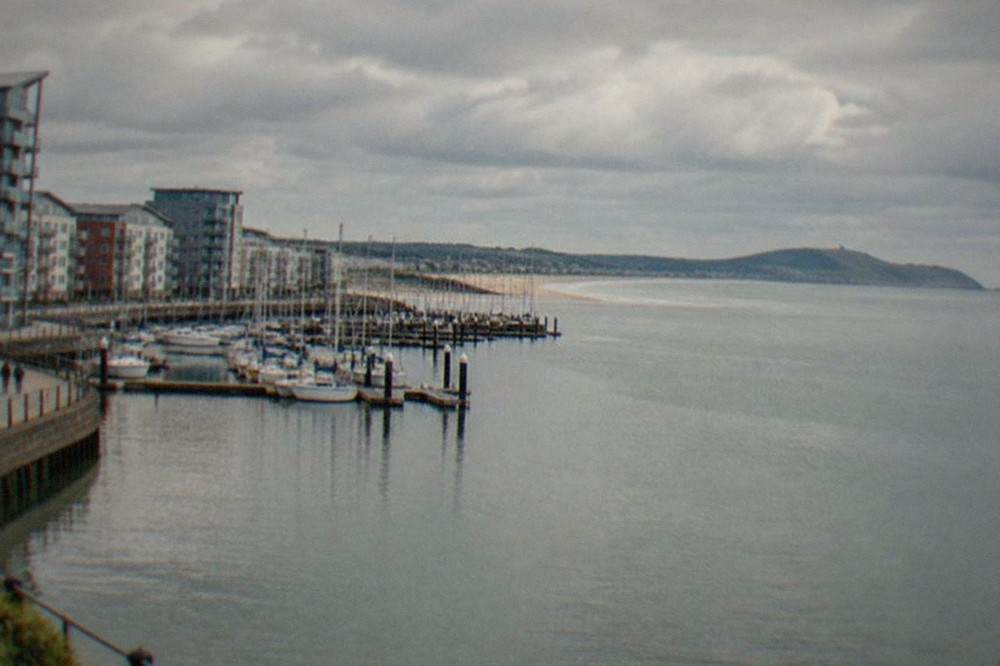
For a practical budget, a day in either city can be run cheaply. Cardiff's free museums plus a castle ticket plus a market lunch comes in at well under £30 per person before drinks. Swansea's cheapest day, walking the bay to the Mumbles and back, costs the price of an ice cream. The difference arrives at night: Cardiff's hotel stock fills on stadium weekends and prices climb accordingly, so check the events calendar before booking.
If comparing the two cities in person appeals more than reading about it, a guided day tour covers both sides of the argument in one trip.
What Can You See In Cardiff In A Day?
A single Cardiff day covers the castle, the arcades, the National Museum and Cardiff Bay, all linked by a 15-minute walk or a short train hop. Cardiff Castle anchors the morning at £16 for adults, the free National Museum fills the early afternoon, and the Bay, with its free Senedd and Wales Millennium Centre foyers, closes the day.
Start at the castle, because everything else radiates from it. The site packs a Roman wall, a Norman keep and extravagantly decorated Victorian apartments into one ticket, and the opening hours reflect its popularity: from March to October it opens at 10:00 on weekdays and 09:00 on weekends, with last entry at 17:00. Give it two to three hours, then exit through Bute Park rather than the front gate to walk off the crowds along the Taff.
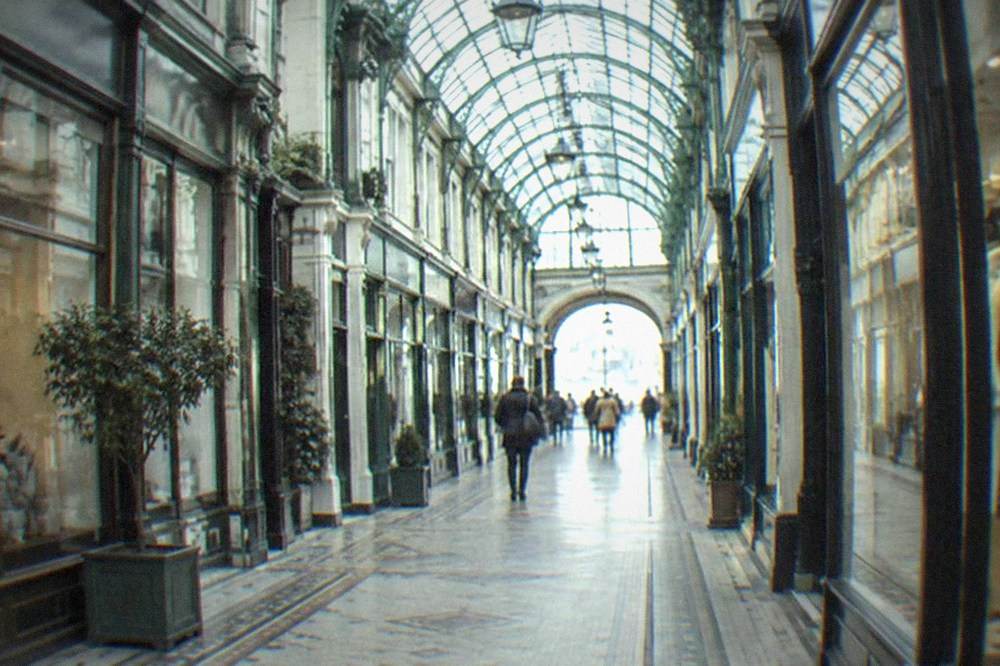
From the park's southern edge you are two minutes from the Victorian and Edwardian arcades, Cardiff's most distinctive shopping streets. These glazed passageways shelter independent shops and cafés, and they double as the city's best wet-weather route. Cardiff Market, open Monday to Saturday 08:00 to 17:00, sits just off the arcades and works as a cheap lunch stop; note that a major restoration programme began at the end of September 2026 and will run for around a year, with traders staying open throughout.
The afternoon splits cleanly. Culture-first visitors head to the National Museum Cardiff, free to enter and open Tuesday to Sunday 10:00 to 17:00, closed Mondays. Its galleries hold Turner, Monet and Welsh artists alongside the dinosaur-filled Evolution of Wales display. Rugby pilgrims instead take the Principality Stadium tour at £19.50 online, which runs 10:00 to 17:00 Monday to Saturday and closes on match and event days. Full sight-by-sight detail is in our guide to spending one perfect day in Cardiff.
| Cardiff sight | Adult entry | Opening pattern |
|---|---|---|
| Cardiff Castle | £16 | Mar-Oct 10:00-18:00 weekdays, 09:00 weekends, last entry 17:00 |
| National Museum Cardiff | Free | Tue-Sun 10:00-17:00, closed Mondays |
| Principality Stadium tour | £19.50 online, £21 walk-up | Mon-Sat, closed match and event days |
| Senedd | Free | Mon-Fri 09:00-16:30, Sat 10:30-16:30 |
| Wales Millennium Centre foyer | Free | Daily, longer hours on performance days |
| Cardiff Bay Barrage | Free | Open public walking and cycling route |
Finish at Cardiff Bay. The train from Queen Street or a water bus from the city centre gets you there in minutes, and the waterfront rewards the trip: the Senedd's public spaces are free, the Wales Millennium Centre's foyer is open to all, and the barrage offers a flat waterside walk with no admission fee at all. On a warm evening it is the best free seat in the city.
What Can You See In Swansea And The Mumbles?
Swansea's essential day runs along the bay to the Mumbles, a five-mile seafront stretch with a Victorian pier, an oyster castle and ice cream stops, all reachable on foot, by bus or by land train. Oystermouth Castle charges adults £6, the seafront itself is free, and the Maritime Quarter's museums fill any rainy hours.
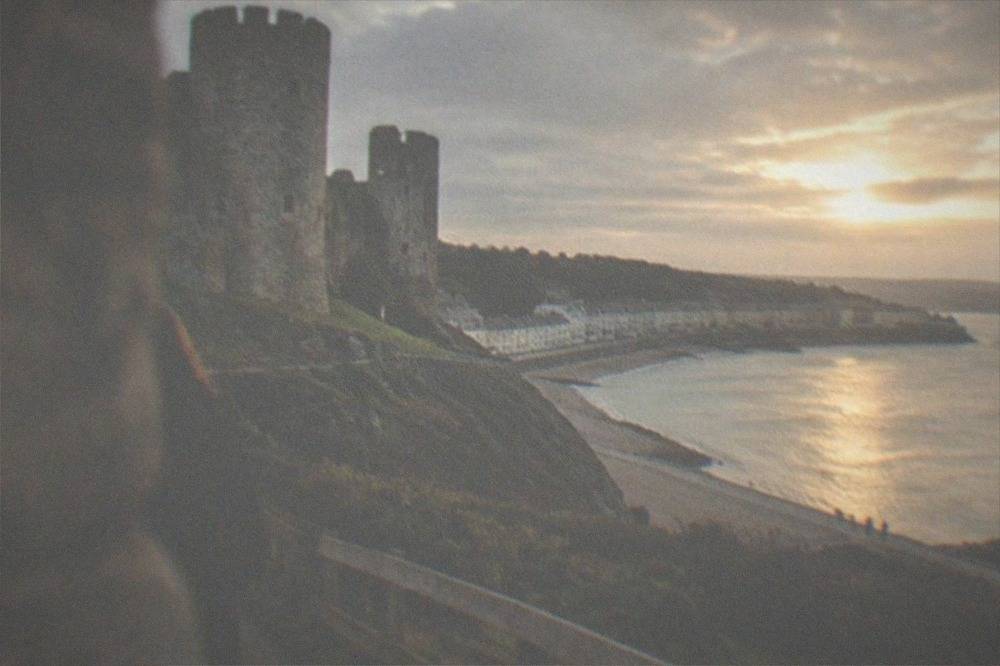
The Mumbles is Swansea's signature outing, and it is gloriously simple. The promenade follows the entire bay from the city centre to the old fishing village at its western end, where Oystermouth Castle sits above the water. The castle, open daily 11:00 to 17:00 from late March to the end of September and weekends only in October, charges adults £6 with a family ticket at £18. The Swansea Bay Rider land train covers the Blackpill to Mumbles stretch if the walk feels long, at £7.50 for an adult hop-on hop-off fare. The full index of guides sits on Cardiff Travel Guide.
Back in the centre, the Maritime Quarter is the city's most attractive corner, a basin of old docks now holding boats, flats and cafés. Dylan Thomas, Swansea's most famous son, was born in the city, and his childhood haunts still draw literary visitors. The city's markets and cafés keep the day cheap; Swansea has never tried to compete with Cardiff on grandeur, and its restaurant prices show it.
What Swansea does compete on, decisively, is the sea. The Gower Peninsula begins at the Mumbles' western edge, and its beaches, from Caswell Bay to the vast sweep of Rhossili, are the finest within easy reach of either city. Rhossili was recognised with a 2026 Traveller's Choice award and is regularly described as one of the best beaches in Britain. The National Trust car park there charges £4 for up to two hours or £8 beyond that, free for members, and it fills before noon on sunny weekends, so arrive early. Our Swansea and Mumbles day trip guide covers the full route.
A guided option removes the parking question entirely. The Mumbles and Gower tour from Cardiff runs around eight hours, is rated 5 across 119 reviews, and handles the driving while you watch the coast go by.
Which Coastline Wins: Cardiff Bay Or The Gower?
The Gower wins on natural coastline, and it is not a contest: Rhossili Bay's three-mile sweep of sand is a national landmark, while Cardiff Bay is a freshwater lake formed by the barrage, best enjoyed for its buildings and bars rather than its swimming. But Cardiff's coast has its own card: Penarth and its Victorian pier sit 15 minutes away, and Barry Island's Whitmore Bay holds a 2026 Seaside Award.
Cardiff Bay is the product of one of Europe's largest engineering projects, the barrage that dammed the Taff and Ely rivers to create a 200-hectare freshwater lake. The result is a handsome waterfront of cultural buildings, restaurants and apartment blocks, with the Wales Millennium Centre's bronze facade as its icon. It is a place to eat, drink and watch boats, not to swim. The barrage itself is a free public walking and cycling route, popular with runners and families, and it links the Bay to Penarth on the far shore.
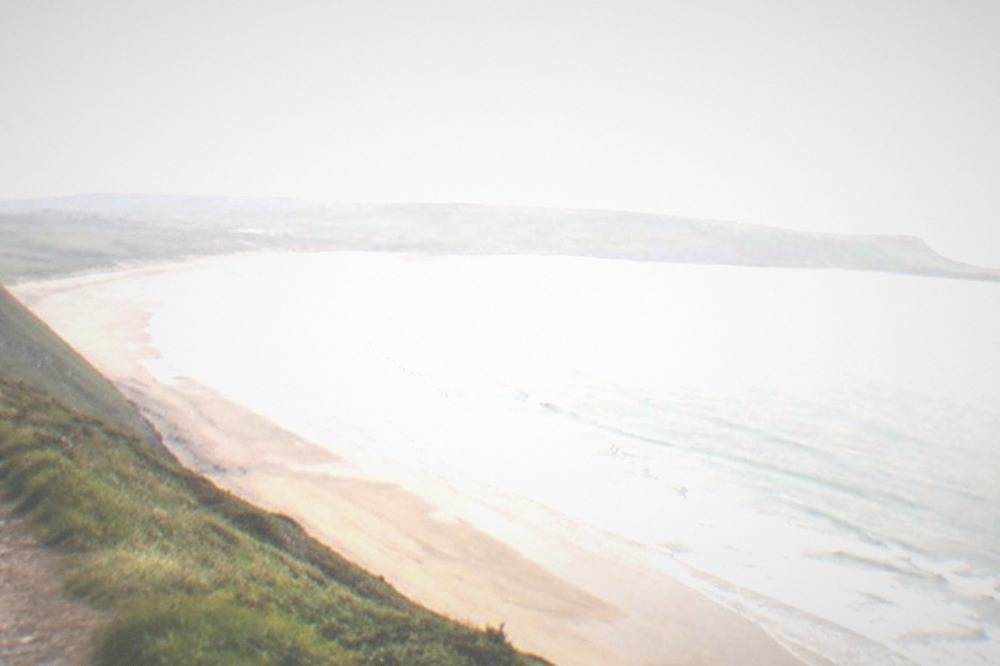
The Gower, by contrast, is the real thing. Designated the UK's first Area of Outstanding Natural Beauty, it delivers limestone cliffs, hidden coves and beaches that need no qualification. Three Cliffs Bay, with its arch and ruined chapel, is the photographers' favourite; Worm's Head, the tidal island at Rhossili, can be crossed for around two and a half hours either side of low water, though access to the Outer Head is restricted from 1 February to 31 July each year to protect nesting seabirds. Check tide tables locally before any crossing, and never attempt it as the tide turns.
For a fair fight, the Cardiff side deserves its day in court. Penarth's pier and esplanade make an easy evening trip, and Penarth Beach held a "good" bathing water classification for 2025. Barry Island, a 30-minute drive or a short rail hop, offers classic seaside kitsch on Whitmore Bay, which secured its Seaside Award status for 2026. Our beaches near Cardiff guide maps the full set.
The practical verdict: base yourself in Cardiff and the Gower is a day trip of about an hour each way; base yourself in Swansea and it is your back garden. That single fact drives most people's choice between the two cities.
Where Should You Base Yourself For Day Trips?
Cardiff is the better base for castle and valley day trips, with Caerphilly Castle, Castell Coch and the Bannau Brycheiniog National Park all within an hour's drive, while Swansea is unbeatable for coastal trips on the Gower and west toward Tenby. Both cities sit on the same rail line, so neither locks you out of the other's territory.
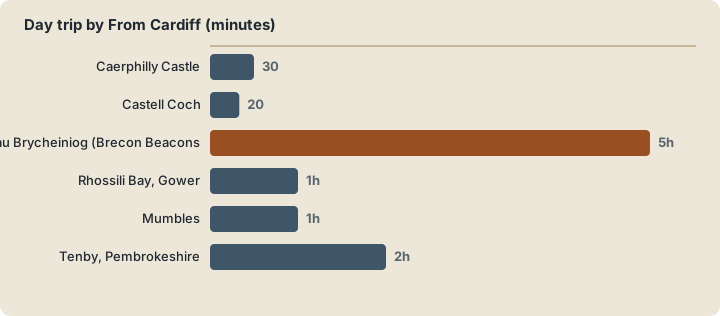
Cardiff's day-trip roster is deep. Caerphilly Castle, the largest in Wales, is a short train ride north and charges adults £12.90, with its newly reopened Great Hall drawing fresh attention after two years of conservation work. Castell Coch, the fairytale Gothic revival castle in the woods at Tongwynlais, is closer still at £10.40 adult admission. The Bannau Brycheiniog, still widely known as the Brecon Beacons, lies 40 to 50 miles and one to one and a half hours' drive north, with waterfalls, Pen y Fan and Big Pit's coal mine tours among the draws.
| Day trip | From Cardiff | From Swansea | Adult entry |
|---|---|---|---|
| Caerphilly Castle | ~30 min by train | ~1 hr by rail via Cardiff | £12.90 |
| Castell Coch | ~20 min drive | ~50 min drive | £10.40 |
| Bannau Brycheiniog (Brecon Beacons) | 1-1.5 hr drive | ~1.5 hr drive | Free to visit, parking varies |
| Rhossili Bay, Gower | ~1 hr drive | ~30 min drive | Car park £4-£8 |
| Mumbles | ~1 hr drive or tour | On the doorstep | Oystermouth Castle £6 |
| Tenby, Pembrokeshire | ~2 hr drive | Around an hour and a quarter | Beach free |
Swansea's advantage compounds as you head west. Tenby's walled town and harbour sit closer to Swansea than to Cardiff, and the whole Pembrokeshire coast opens up from there. Within the Gower itself, Swansea-based travellers can hop between beaches at will, while Cardiff-based visitors must commit to one stretch per day.
The guided-tour market reflects the split. Nearly every commercial day tour in the region departs from Cardiff, covering the Gower, the waterfalls, the valleys and the castles, which means Cardiff-based visitors can reach Swansea's best scenery without a car. Swansea-based travellers heading to Cardiff's sights simply take the train; the two cities are connected by a roughly hourly service, and the fare is best checked live at booking time rather than assumed.
For travellers without a car, that asymmetry matters. Cardiff with tours and trains covers most of South Wales; Swansea without a car covers the bay, the Mumbles and the Gower's eastern beaches by bus, but the western peninsula gets fiddly. Our day trips from Cardiff guide lists the full menu.
One tour neatly bridges the divide, picking up in Cardiff and spending its day among the Gower's cliffs and the Mumbles before returning to the capital.
Cardiff Or Swansea For A Weekend: The Verdict
Choose Cardiff for a first visit to Wales: it has the castle, the free national museums, the stadium and the bigger choice of tours, restaurants and places to stay, all in a walkable centre. Choose Swansea if the trip is really about the coast, if you are travelling on a tighter budget, or if you have seen Cardiff already and want the Gower without the driving.
The weekend arithmetic favours Cardiff for variety. A Saturday can pair the castle and arcades with an evening in Pontcanna, whose restaurants include Gorse, the city's first Michelin-starred venue, and a Sunday can take in St Fagans before the journey home. Swansea's weekend is simpler and cheaper: the bay walk on Saturday, the Mumbles and a Gower beach on Sunday, with money saved on the hotel spent on a long seafood lunch.
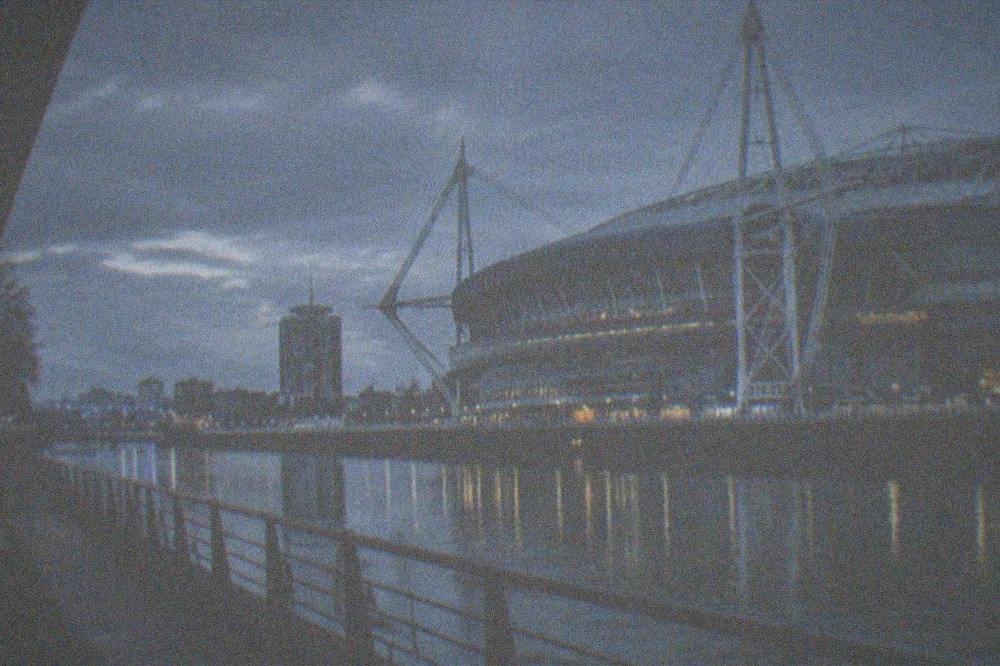
Event travellers should check the calendar before deciding anything. Principality Stadium hosts Wales rugby internationals and major concerts, and on those weekends Cardiff's hotels sell out and prices spike; the Joshua v Fury fight scheduled for 11 December 2026 is a case in point. Swansea has its own draws, including the Swansea Half Marathon and food festivals on the seafront, but nothing that tightens the hotel market the way a stadium weekend does.
For a longer South Wales holiday, the strongest plan uses both: two or three nights in Cardiff for the city and its castle country, then a night or two in Swansea or on the Gower for the coast. The rail link makes the transfer simple, and the contrast between the two is the point. Wales is small enough that choosing one city over the other is a matter of emphasis, not exclusion, and the train between them traces the bay the whole way.
Common Questions About Cardiff Vs Swansea
Is Cardiff or Swansea better for tourists?
Cardiff suits most tourists better on a first visit, with the castle, two free national museums, the Principality Stadium tour and a bigger tours-and-restaurants scene. Swansea suits travellers whose priority is the coast, especially the Gower Peninsula and the Mumbles, and it is cheaper for accommodation and eating out.
Is Swansea cheaper than Cardiff?
Yes. Average monthly rent runs £833 in Swansea against £1,157 in Cardiff, and average house prices are £197,000 versus £266,000. For visitors the gap shows mainly in hotel and restaurant prices; the headline attractions in both cities are free or inexpensive.
Can you visit Swansea from Cardiff in a day?
Yes. The two cities are linked by a roughly hourly rail service along Swansea Bay, and the journey is short enough for a comfortable day trip. Guided day tours from Cardiff also cover the Mumbles and the Gower in around eight hours, which removes the need to drive or navigate.
Which city is closer to the Gower Peninsula?
Swansea, by a wide margin. The Gower begins at Swansea's western edge and Rhossili Bay is roughly half an hour's drive from the city centre. From Cardiff, allow about an hour each way by car, or take a guided Gower day tour.
Does Cardiff have a beach?
Not in the city itself, but Penarth's Victorian seafront is 15 minutes away, and Barry Island's Whitmore Bay, which holds a 2026 Seaside Award, is 30 minutes by car or rail. Cardiff Bay itself is a freshwater lake behind the barrage, best for waterfront walks rather than swimming.
How many days do you need for Cardiff and Swansea together?
Three days is comfortable: two in Cardiff covering the castle, museums, arcades and Bay, then one for Swansea and the Mumbles or a Gower day trip. Add a fourth day if you want Caerphilly Castle or the Bannau Brycheiniog as well.