Swansea And Mumbles Day Trip From Cardiff
The Mumbles is the seaside village end of Swansea Bay, close enough to Cardiff for an easy day out and varied enough to fill one.
Short answer
The Mumbles sits at the western end of Swansea Bay, roughly an hour from Cardiff by car or train via Swansea. Oystermouth Castle charges £6 adult admission, the promenade and pier are free to wander, and several guided day tours from Cardiff include the Mumbles alongside Gower Peninsula stops.
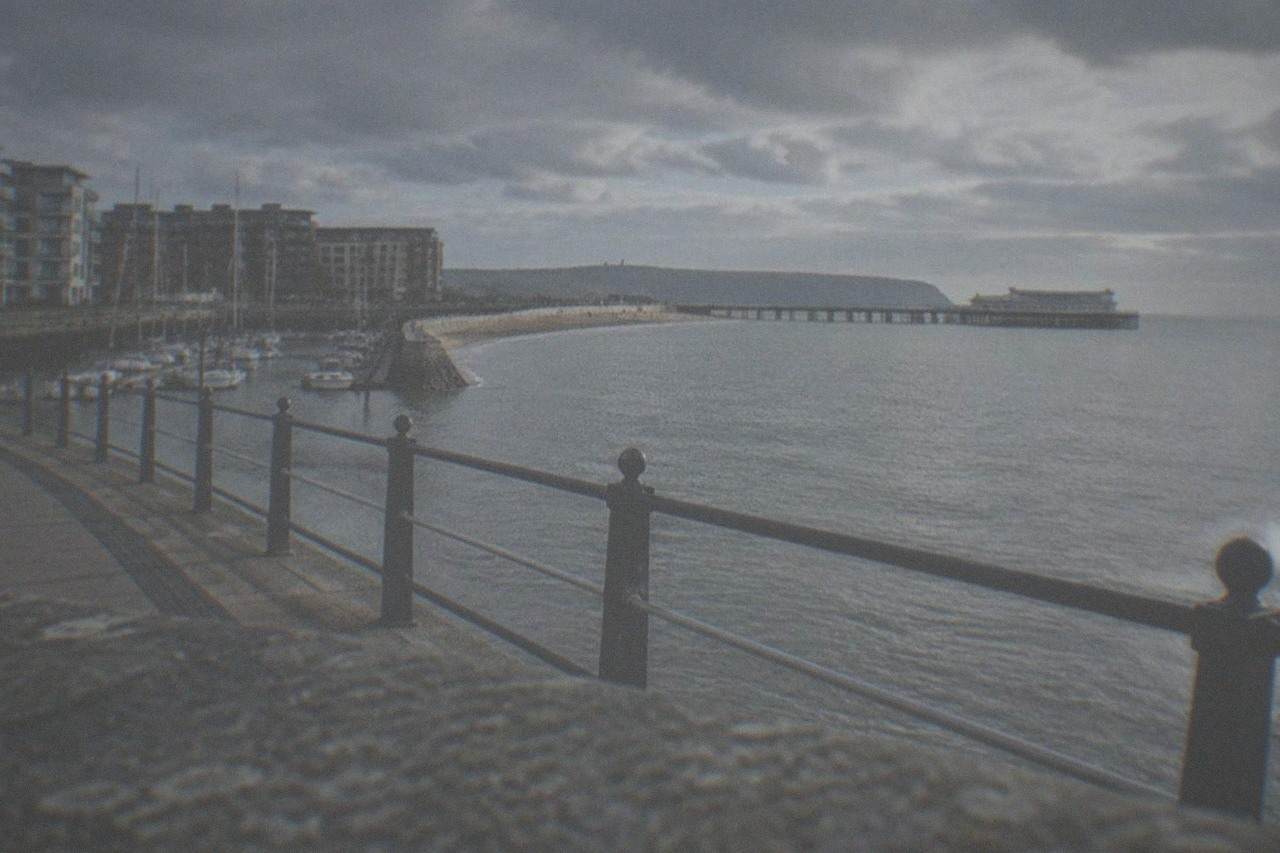
The Mumbles is the village that sits at the tip of Swansea Bay, a strip of promenade, a Victorian pier and a hilltop castle that looks back along the water towards Swansea city. For visitors based in Cardiff it is one of the most straightforward seaside days out available: no passport, no flight, and a bay that people have been walking end to end for well over a century. This guide sets out how to get there, what the entry costs actually are, and which guided options from Cardiff include the Mumbles on their route.
How Do You Get From Cardiff To The Mumbles?
Getting to the Mumbles from Cardiff means travelling to Swansea first, then continuing along the bay. Direct trains run from Cardiff Central to Swansea, and from Swansea the Mumbles is a short bus, taxi or bike ride along the seafront. Drivers follow the M4 west and then the coast road.
Rail is the relaxed option. Great Western Railway operates the Cardiff to Swansea route, and the journey time and fare both depend on when you travel, so check live fares at booking time rather than trusting a fixed figure. Once you arrive at Swansea station, the bay opens up to the south, and the Mumbles road runs along its full length.
For drivers, the M4 westbound is the main artery, and the final stretch along the coast into the Mumbles is the scenic part of the drive. Parking in the Mumbles itself is a mix of on-street and off-street car parks, and it fills quickly on sunny weekends, so arriving before late morning is the single best piece of planning advice for this trip. Cyclists can use the flat, traffic-free promenade path that runs the length of Swansea Bay, one of the most pleasant city-to-sea rides in Wales.
If you would rather not organise any of this yourself, a guided day tour removes the transport question entirely. The trio below all run from Cardiff and include the Mumbles on their route.
What Makes The Mumbles Worth The Trip?
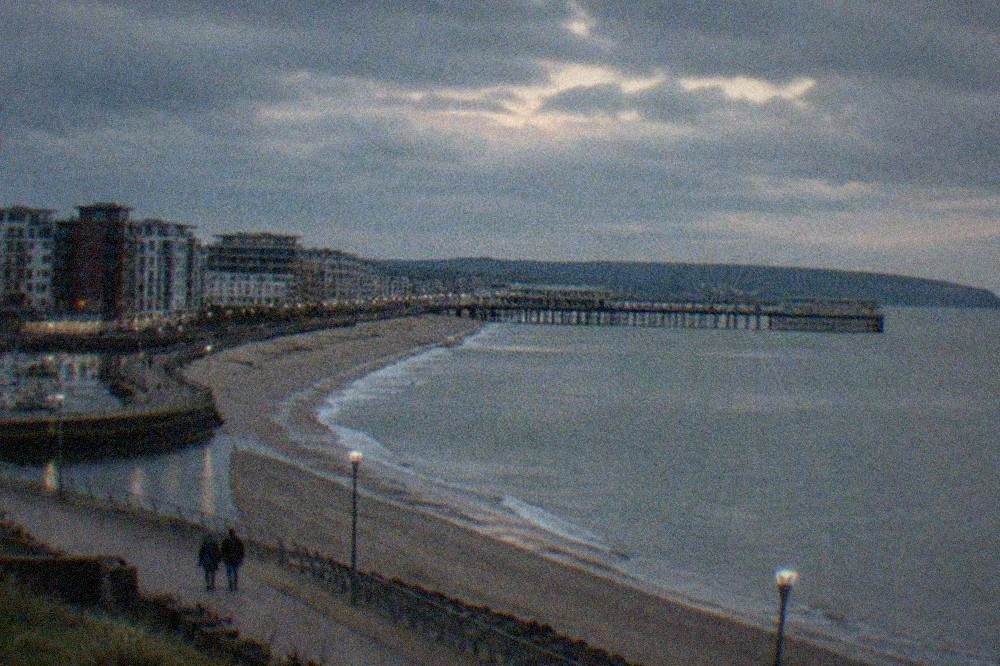
The Mumbles pairs a classic Welsh seaside promenade with a genuine medieval castle, a pier under refurbishment and a food scene punchier than its size suggests. Entry to the village, promenade and seafront is free, and the whole stretch is walkable in a few hours.
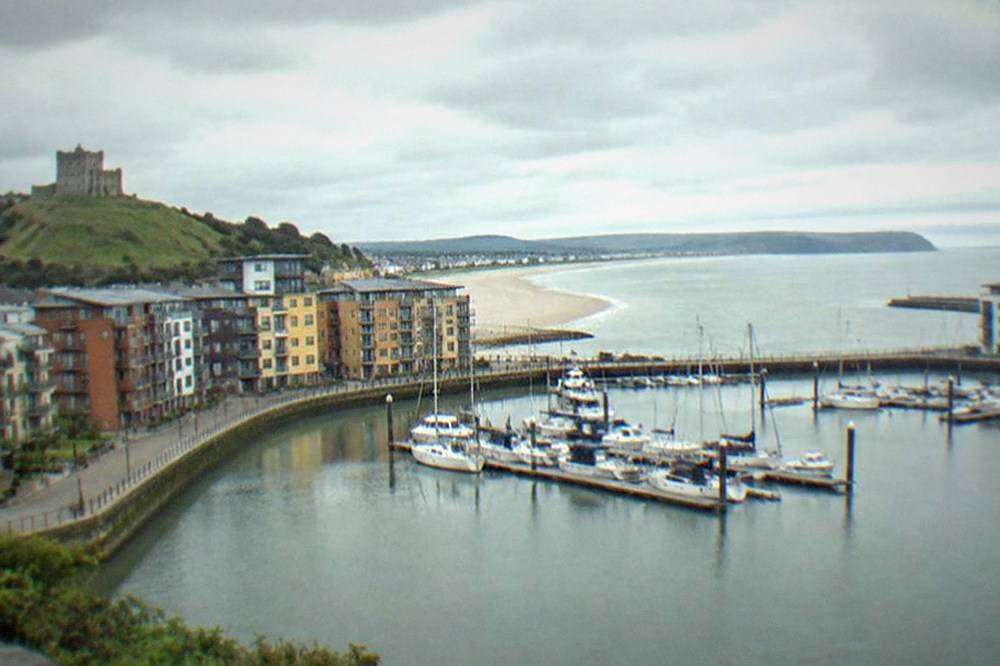
The headline stop is Oystermouth Castle, the Norman fortress on the hill above the village. Cadw's Swansea Bay tourism partners list it as open daily from late March to the end of September, 11:00 to 17:00, with last admission at 16:30, and weekends only in October. Admission is £6 for adults, £4 for concessions and £18 for a family of two adults and up to three children. Those prices are a guide published by the local tourism body, so confirm on the castle's own channels on the day.
Below the castle, the seafront runs along to Mumbles Pier, which is undergoing a long-term refurbishment but remains open daily except Christmas Day. The promenade between them is flat, free and strollable, with ice cream shops and seafood stalls doing steady trade. The village's food reputation has grown in recent years, and it is a place where a simple lunch of local catch competes seriously with anything in the city.
For background reading on the wider coastline the Mumbles guards, our Gower Peninsula day trip guide covers the beaches and clifftops to the west, and the Rhossili Bay guide details National Trust parking charges, currently £4 for up to two hours or £8 for longer stays at Rhossili itself.
| Stop in the Mumbles | Admission | Hours (2026 season) | Notes |
|---|---|---|---|
| Oystermouth Castle | Adult £6, concession £4, family £18 | Daily 11:00-17:00, 28 Mar-30 Sep; weekends only Oct | Last admission 16:30 |
| Mumbles Pier | Free to walk | Open daily except Christmas Day | Long-term refurbishment ongoing |
| Promenade and seafront | Free | Always open | Flat, traffic-free, cycle-friendly |
| Swansea Bay seafront | Free | Always open | Runs the full length of the bay |
A sensible walking order is to start at the pier end and finish at the castle, saving the climb for last, since the hill above the village rewards you with views back across Swansea Bay. The castle grounds are grassy and uneven in places, so wear shoes you don't mind walking on gravel and old stone with. If you are visiting with children, the open lawn inside the castle walls gives them room to run while adults read the interpretation boards about the castle's Norman and medieval past.
Timing matters more here than in bigger resorts. The promenade, ice cream shops and seafood stalls are busiest on warm weekend afternoons, so an early morning or late afternoon visit gives you the same stretch of seafront with far fewer people, and the light across the bay is often at its best then. Because everything listed above sits within walking distance of each other, you can do the whole circuit without a car once you arrive, which keeps the day simple and inexpensive.
Which Guided Tour From Cardiff Covers The Mumbles?
Several full-day tours from Cardiff include the Mumbles, and the most direct fit is the From Cardiff Mumbles and Gower Peninsular Tour, rated 5 across 119 reviews, which pairs the village with the Gower coast in a single roughly eight-hour day.
That tour, bookable through Check availability on its live listing, is the one this site points most visitors towards when the Mumbles is the specific goal rather than a passing stop. The perfect rating comes from a review pool of 119 guests, a solid base for a day tour of this kind, and the itinerary logic is simple: the Mumbles and the Gower Peninsula are neighbours, so covering both in one day wastes no travel time.
The alternative approach is a broader Swansea Bay and Gower circuit. The Cardiff Swansea Gower Peninsula's Cliffs & Mumbles Day Tour, rated 4.9 across 266 reviews, runs roughly eight hours and frames the Mumbles within a wider cliffs-and-coast day, which suits visitors who want scenery above all. A near-identical route is sold through a second operator's listing, rated 4.8 across 71 reviews, so comparing the two live listings on pickup point and itinerary detail is worthwhile before booking.
There is also a maritime-flavoured option, the Golden Gower Coast, Maritime & Mumbles Day Tour, rated 4.8 across 211 reviews, which leans into the area's seafaring history rather than its beaches. Whichever direction you choose, all of these are full-day commitments, so plan for an early start from Cardiff.
What Is There To Do In Swansea Itself?
Swansea is Wales's second city and worth an hour or two on the way through, with a redeveloped maritime quarter, a lively market and the Dylan Thomas connection. Most Mumbles day-trippers treat Swansea as the gateway rather than the destination, and that is a reasonable call.
The city's Maritime Quarter is the obvious stop, a dockland regeneration around boats, cafes and museums, sitting directly between the station and the bay. Swansea Market is the traditional indoor heart of the city, and it is where the local food reputation is earned daily rather than curated for visitors. The poet Dylan Thomas was born in Swansea, and the city does not let you forget it, with his name attached to various sites and trails.
The honest framing is this: if your day is built around the Mumbles, Swansea is where you change trains or park the car, and you give it a lunch stop at most. If you want a city-and-sea day, then splitting your time between the Maritime Quarter in the morning and the Mumbles promenade in the afternoon works well, because they sit on the same continuous stretch of waterfront.
For a sense of how this trip compares with other options from the capital, our day trips from Cardiff overview ranks the Mumbles and Gower route alongside castles, waterfalls and valleys alternatives.
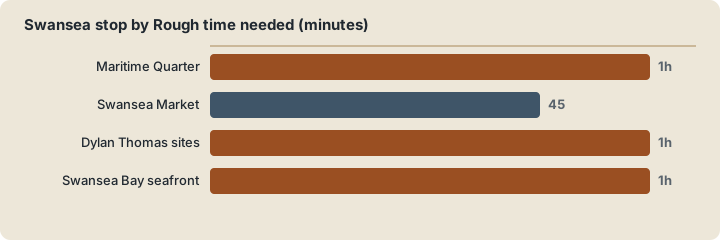
| Swansea stop | Type | Best for | Rough time needed |
|---|---|---|---|
| Maritime Quarter | Waterfront district | Coffee, boats, a walk | 1 hour |
| Swansea Market | Indoor market | Welsh cakes, local produce | 45 minutes |
| Dylan Thomas sites | Literary heritage | Fans of the poet | 1 hour |
| Swansea Bay seafront | Promenade | Cycling, walking to the Mumbles | 1 hour or more |
How Long Do You Need For The Trip?
A Mumbles and Swansea day trip from Cardiff works as a full day, roughly eight hours door to door if you travel independently, and guided tours run to about the same length. Trying to compress it into a half day is possible but rushed.
The travel alone takes a meaningful bite out of the day. By train you need to get to Swansea and then onward along the bay; by car the M4 stretch plus the coast road adds up. Once there, Oystermouth Castle deserves at least an hour, the promenade and pier another hour or two at a stroll, and lunch somewhere in between. Add a Swansea stop and you have comfortably filled a full day. The rest of the planning pages sit on Cardiff Travel Guide.
Guided tours solve the arithmetic for you: the From Cardiff Mumbles and Gower Peninsular Tour runs approximately eight hours, as do the cliffs-and-castles alternatives, and that duration reflects the genuine distance involved rather than padding. If you are travelling independently and want a shorter day, skip Swansea entirely, drive or train straight to the Mumbles, and treat the village as the whole destination.
What Should A One-Day Itinerary Look Like?
A sensible independent itinerary runs: arrive in Swansea mid-morning, a short Maritime Quarter or market stop, then along the bay to the Mumbles for castle, promenade and lunch, returning to Cardiff by early evening. Guided tours follow essentially the same shape with the Gower added.
Here is a realistic shape for the day. Leave Cardiff mid-morning at the latest, because the Mumbles car parks and the seafront fill by noon on good-weather days. Reach Swansea around midday, and either stop for an hour in the Maritime Quarter and market or press straight on along the bay. Arrive in the Mumbles for early afternoon: castle first while energy is high, then the promenade and pier, then a late lunch of something local.
Afternoon options fork here. Families with time to spare often push on to Barry Island on other trips, but on this route the natural extension is west onto the Gower, where Rhossili Bay and its National Trust car park sit under two hours from the Mumbles by road. If you have already walked a few miles of promenade, the clifftop view at Rhossili is a fitting finale, though it does make for a long day.
The alternative to all of this planning is a tour that strings the coast together for you.
| Time | Activity | Cost notes |
|---|---|---|
| 10:00 | Depart Cardiff | Train or car, fares vary by time of booking |
| 11:30 | Swansea Maritime Quarter and market | Free to wander |
| 13:00 | Oystermouth Castle | Adult £6, family £18 |
| 14:30 | Promenade and pier | Free |
| 15:30 | Late lunch in the Mumbles | Independent cafes, prices vary |
| 17:00 | Return to Cardiff | Arrive early evening |
What Does The Trip Cost?
Budget £6 per adult for Oystermouth Castle, plus your Cardiff to Swansea return travel, plus food, if you go independently. Guided tours bundle transport and guiding into one price shown on each live listing, which is often the better value once parking and time are counted.
The castle is the only fixed admission cost on the route, at £6 adult, £4 concession or £18 for a family ticket, per the prices published by the local tourism body for the 2026 season. Everything else, the promenade, the pier approach, the seafront and Swansea's waterfront, is free to enjoy. Travel is the variable: rail fares between Cardiff and Swansea change with demand and timing, so check live fares at booking, and drivers should budget for Mumbles parking, which is charged by the hour in most car parks.
Food is where budgets flex. The Mumbles trades on its food scene, from ice cream on the promenade to proper seafood restaurants, and prices are broadly in line with any popular Welsh seaside village. A conservative independent day for two adults, castle entry plus travel plus a modest lunch, lands somewhere in the region of a moderate outlay depending on rail fares and appetites, a planning range rather than a promise.
When Is The Best Time Of Year To Go?
The Mumbles season runs from late March to the end of September for the castle, so those months are the practical window. July and August bring the warmest weather and the thinnest parking, while May, June and September offer the best balance of open facilities and space.
Oystermouth Castle's daily opening runs 28 March to 30 September, shifting to weekends only in October, which makes the castle the seasonal anchor for the trip. Outside that window the village and promenade remain free and open year-round, but a Mumbles day without the castle is a diminished one, and winter weather on an exposed bay can be unforgiving.
Summer weekends are the busiest time, and the seafront parking situation reflects that. The shoulder months give you the same promenade, the same pier and the same views with noticeably more room, and the seafront businesses that close for winter are largely open from Easter. For tide-aware visitors, the Bristol Channel has one of the largest tidal ranges in the world, so the bay's appearance changes dramatically through the day, worth knowing before you judge a beach by its low-tide look.
Is The Mumbles Good For Families And Casual Walkers?
Yes, the flat promenade, free seafront and modest castle admission make the Mumbles one of the more family-friendly seaside days reachable from Cardiff, and the walking is easy rather than strenuous throughout. Nothing on the route demands boots, maps or serious fitness.
The promenade is the key asset: it is level, paved and separated from traffic, which makes pushchairs, small bikes and reluctant walkers all viable. The castle adds a genuine ruin to clamber around, with steps and walls that children enjoy and parents of toddlers should supervise closely. The pier and ice cream shops supply the traditional seaside rituals, and the whole circuit fits inside a relaxed afternoon.
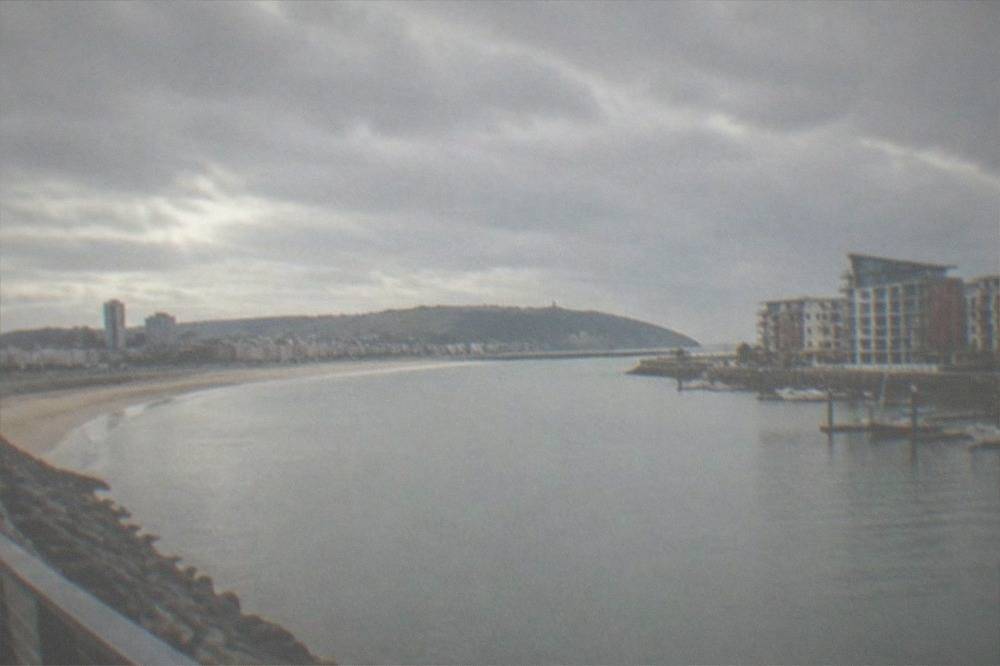
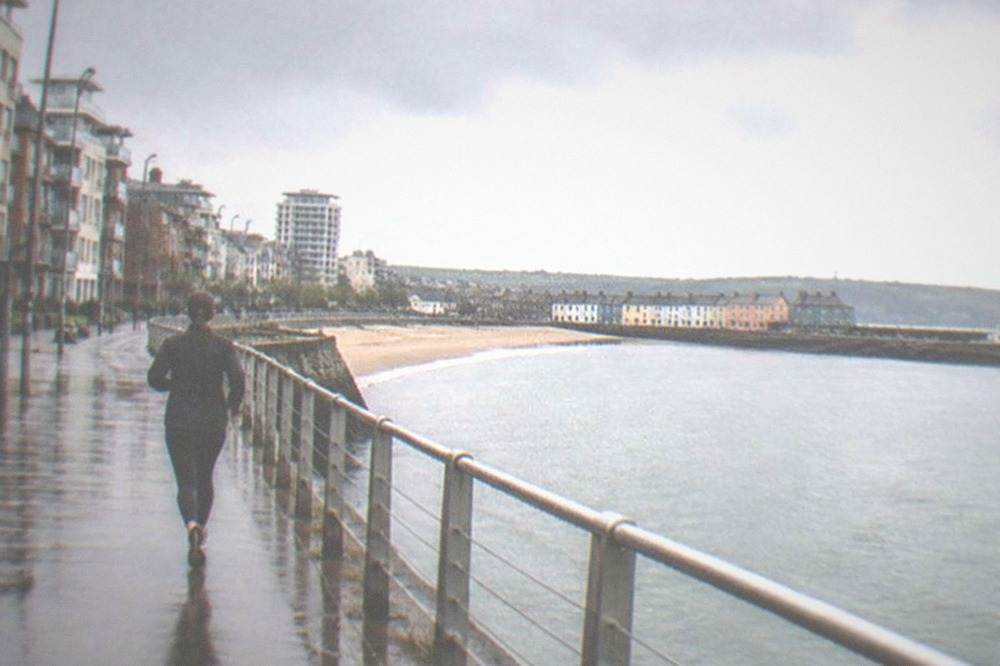
For walkers who want more, the Swansea Bay path extends for miles in both directions from the Mumbles, and the Wales Coast Path continues west around the Gower headlands for anyone with serious mileage in mind. The contrast with hillier Cardiff-area walks is stark, and on a clear evening the walk back along the bay towards Swansea as the light drops is the kind of free experience that justifies the train fare on its own.
Families travelling without a car should not feel excluded either. The seasonal Swansea Bay Rider land train, hop-on-hop-off at £7.50 for adults or £18 for a family, runs between Blackpill and the Mumbles, which turns the bay itself into part of the day out rather than a corridor to be endured. Combined with a train arrival into Swansea, it is possible to build a car-free Mumbles day that still covers the castle, the promenade and the pier without any parking anxiety at all.
If a coastal walk rather than a seaside sit-down is your aim, our walks near Cardiff guide covers closer alternatives, including the Taff Trail, whose Hailey Park section has been resurfaced as a wide, tree-protected path.
Common Questions About The Mumbles
How do I get from Cardiff to the Mumbles?
Travel to Swansea first, by train from Cardiff Central or by car via the M4, then continue along Swansea Bay to the Mumbles by bus, taxi, bike or a short drive. The whole journey is doable in a morning.
How much does Oystermouth Castle cost?
Adult admission is £6, concessions £4 and a family ticket covering two adults and up to three children is £18 for the 2026 season, with the castle open daily from late March to the end of September.
Can you visit the Mumbles and the Gower in one day?
Yes, and guided tours from Cardiff do exactly that, pairing the Mumbles promenade and castle with Gower Peninsula stops in a roughly eight-hour day. Independent travellers can manage both by car but should start early.
Is the Mumbles worth visiting in winter?
The promenade, pier approach and village remain free and open year-round, but Oystermouth Castle drops to weekends only in October and closes outside the main season, so a winter visit is a walk-and-lunch day rather than a full sightseeing day.
Do any tours from Cardiff include the Mumbles?
Several full-day tours from Cardiff include the Mumbles, most pairing it with the Gower Peninsula. The From Cardiff Mumbles and Gower Peninsular Tour is rated 5 across 119 reviews and runs approximately eight hours.
Before you lock in independent travel, compare it against the guided options: the tour trio below covers the Mumbles with the Gower, the cliffs or both, each bookable from Cardiff with a single booking.