Cardiff To Bristol Day Trip Guide
Bristol sits under an hour from Cardiff by train, which makes it one of the easiest day trips you can build from the Welsh capital. This guide covers the transport options, the costs, a realistic one-day route and what to do if you would rather stay on the Welsh side of the Severn.
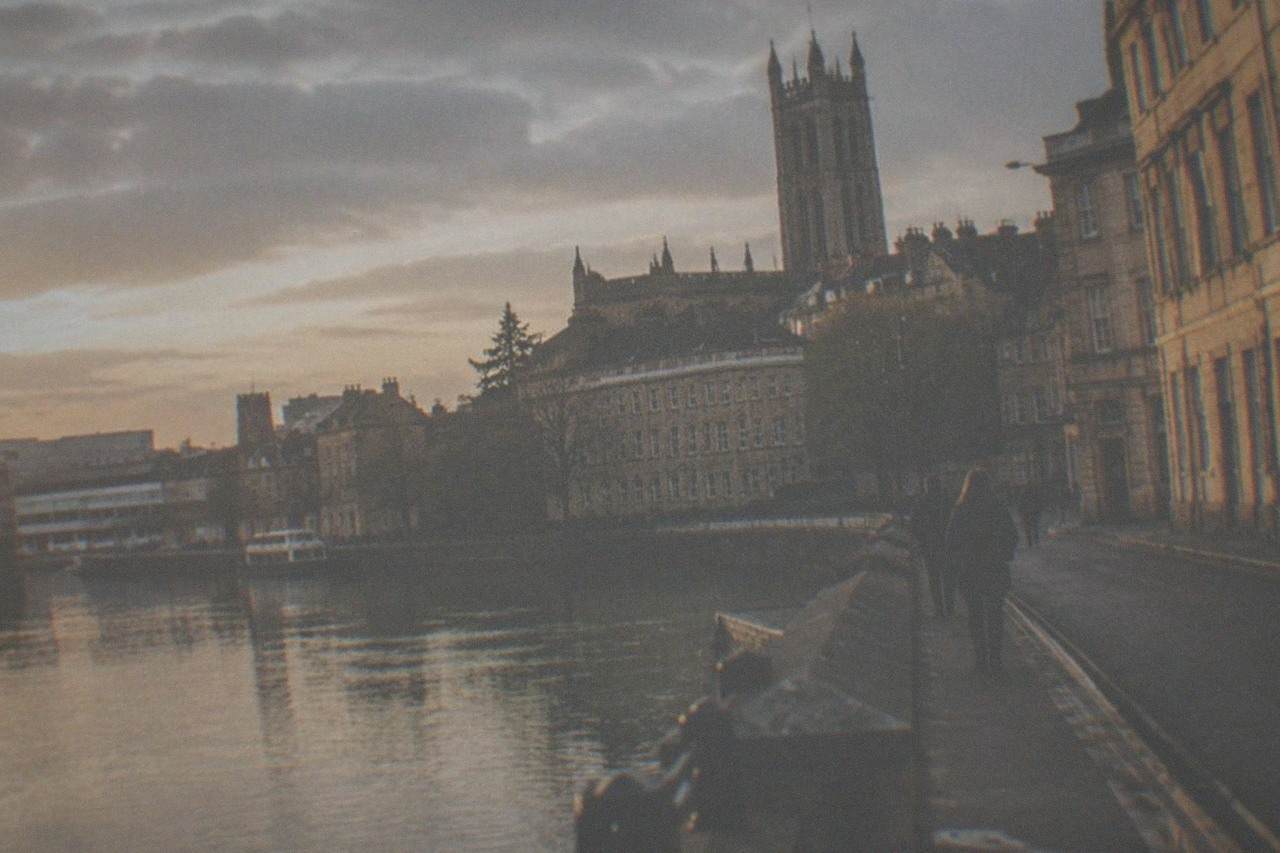
Short answer
Trains from Cardiff Central to Bristol Temple Meads take 47 minutes, with advance singles from £11, and coaches run from £3. A day trip works well: arrive mid-morning, walk the harbourside, the Clifton Suspension Bridge and St Nicholas Market, and return in the evening. Budget around a moderate day-trip outlay per person excluding shopping.
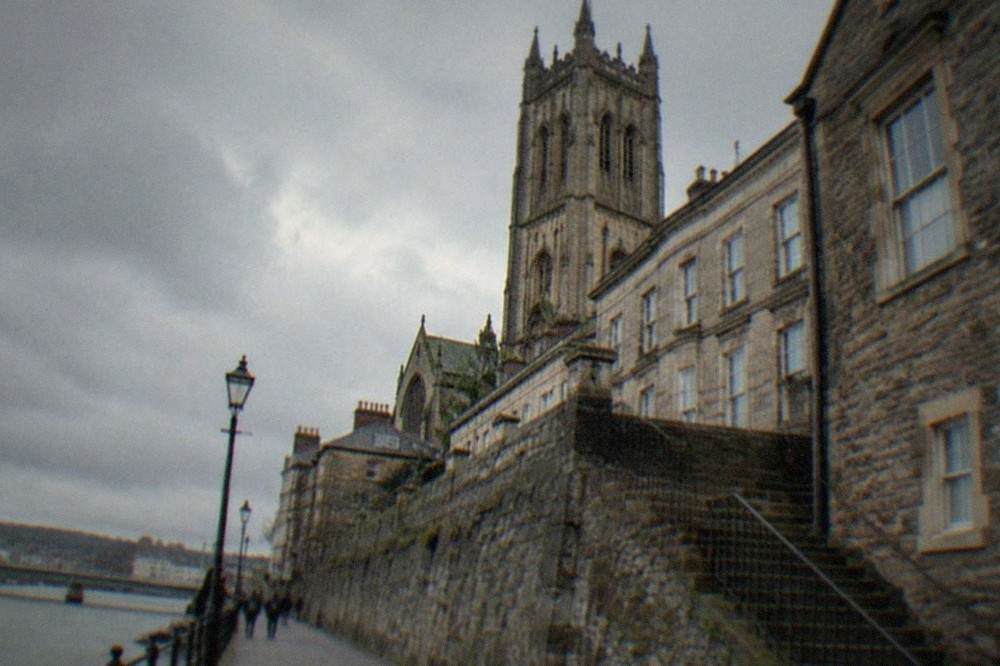
Bristol is the closest major English city to Cardiff, close enough that commuters travel between the two every working day. For a visitor using Cardiff Travel Guide as a base, that proximity is an opportunity: you can be standing on the Clifton Suspension Bridge roughly ninety minutes after leaving your hotel, without a car, a border crossing or a long journey either way. The two cities bookend the Severn Estuary, and the rail line that connects them crosses the water at the Severn Tunnel, one of the older engineering feats on the British network.
This guide is written for the traveller who is using Cardiff as a base and wondering whether Bristol deserves one of their days. The short answer is that it does, provided you plan the timing. It also covers the honest costs, the things that are genuinely worth the walk, and what to do instead if you would rather spend your day in Wales, because a Bristol day trip is not the only option competing for your time.
How Do You Get From Cardiff To Bristol?
Direct trains from Cardiff Central to Bristol Temple Meads take 47 minutes on the fastest services, with dozens of departures across the day, and advance singles start from £11. Coaches are the budget alternative, with fares from £3 and journey times of 23 to 50 minutes depending on the service and traffic. Most visitors should take the train.
The rail route is operated by CrossCountry and other operators, and the frequency is the real advantage: you are not planning around two or three departures, you are choosing between services that run throughout the day. Booking in advance is what unlocks the cheaper singles; a walk-up fare bought on the day of travel will cost noticeably more, so if your dates are fixed, buy early. Check live fares at booking time rather than relying on any fixed figure, because rail pricing moves with demand.
Coaches from National Express and FlixBus run the corridor too, with a very large number of daily departures and the lowest headline fares. The trade-off is traffic: the Severn crossings and the Bristol approach roads can add time, and the cheapest coach fares usually attach to less convenient departure slots. For a day trip, where your hours in the destination are the scarce resource, the train's reliability usually justifies the extra few pounds.
| Option | Typical journey time | Fare guide | Notes |
|---|---|---|---|
| Train, Cardiff Central to Bristol Temple Meads | ~47 min | Advance singles from ~£11 | Dozens of daily departures; book ahead for the best price |
| Coach, Cardiff to Bristol | ~23-50 min | From ~£3 | Cheapest option; subject to road traffic on the Severn crossings |
| Car | ~1 hour | Fuel plus bridge toll westbound | Parking in central Bristol adds cost; avoid if you can |
Driving is the option this guide would talk you out of. Bristol's central parking is expensive and the city's congestion makes the last mile slow, while the train deposits you at Temple Meads, a station within reasonable walking distance of the harbourside. If you are already exploring Wales by car, our South Wales road trip itinerary explains how to structure a wider loop, but Bristol itself is a rail day trip.
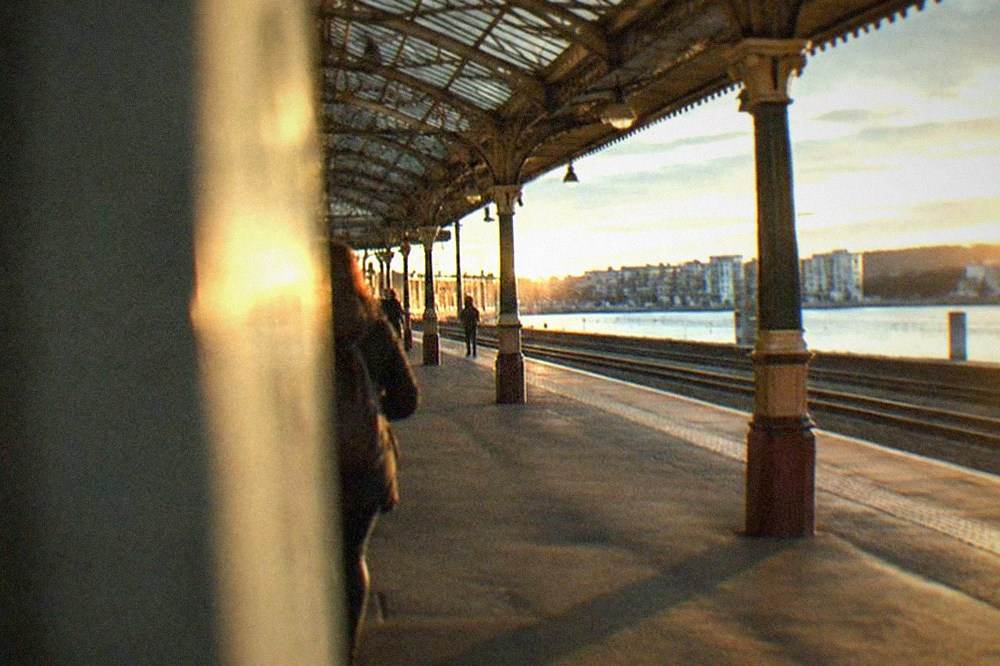
Is Bristol Worth A Day Trip From Cardiff?
Yes, for most travellers. Bristol packs a distinctive set of sights into a walkable centre: the Clifton Suspension Bridge, the harbourside, street art in the old city and St Nicholas Market, all reachable on foot or with a short bus ride. The city offers more museums, nightlife and shopping than Cardiff, which is exactly why some visitors cross the water for a day.
The honest framing is that Bristol is bigger and busier than Cardiff, with a wider retail and dining scene, while Cardiff wins on castles and access to open country within an hour. Our Cardiff versus Bristol comparison breaks the two cities down in detail, and the short version is that they complement rather than replace each other. A day in Bristol after a day or two in Cardiff gives you both sides of the estuary.
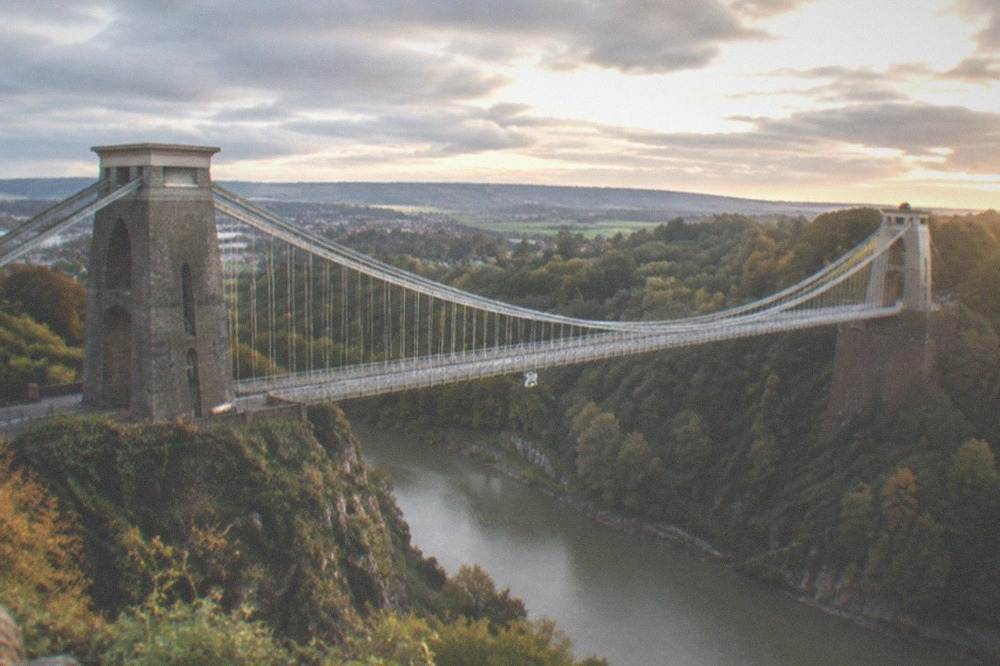
What Bristol does uniquely well is its waterfront. The harbourside is a working dock turned into a public space, with museums, boats and places to eat arranged around the water, and it connects on foot to the old city and its medieval churches. Clifton, on the western hill, is a different atmosphere again: Georgian terraces, a village feel and the suspension bridge spanning the Avon Gorge. You can do both halves in one day if you start early.
If your heart is set on Wales rather than England, the same day could go the other way. Two of the strongest guided options departing Cardiff are the Caerleon, Tintern Abbey and three castles tour, rated 5 across 43 reviews, and the Wye Valley and Bannau Brycheiniog full-day trip, rated 4.9 across 169 reviews, both of which we cover in full below.
To be clear, neither of those tours visits Bristol; they are alternative ways to spend a day from Cardiff, aimed at travellers who would rather see castles and river valleys than an English city. If Bristol is what you want, read on.
What Are The Best Things To Do In Bristol In One Day?
Start at Bristol Temple Meads, walk to the harbourside, then take in St Nicholas Market and the old city before heading west to Clifton and the suspension bridge. That sequence covers Bristol's four signature experiences in a logical line, needs no car, and leaves the late afternoon for food or a museum. Expect to walk several miles.
The bridge is the one unmissable sight. Isambard Kingdom Brunel's Clifton Suspension Bridge spans the Avon Gorge and is free to walk across, with viewing areas on the Leigh Woods side. Give it an hour, including the walk up through Clifton's terraces, and go in the morning or late afternoon when the light on the gorge is at its best. The visitor centre on the Bristol side explains the bridge's long and troubled construction history.
The harbourside comes next. The M Shed museum tells the city's story, and the historic ships moored along the water include the SS Great Britain, Brunel's iron-hulled passenger ship and one of the most important vessels in maritime history. If you only have time for one paid attraction, the SS Great Britain is the strongest choice; if you are watching the budget, the harbourside walk itself costs nothing and is the best free experience in the city.
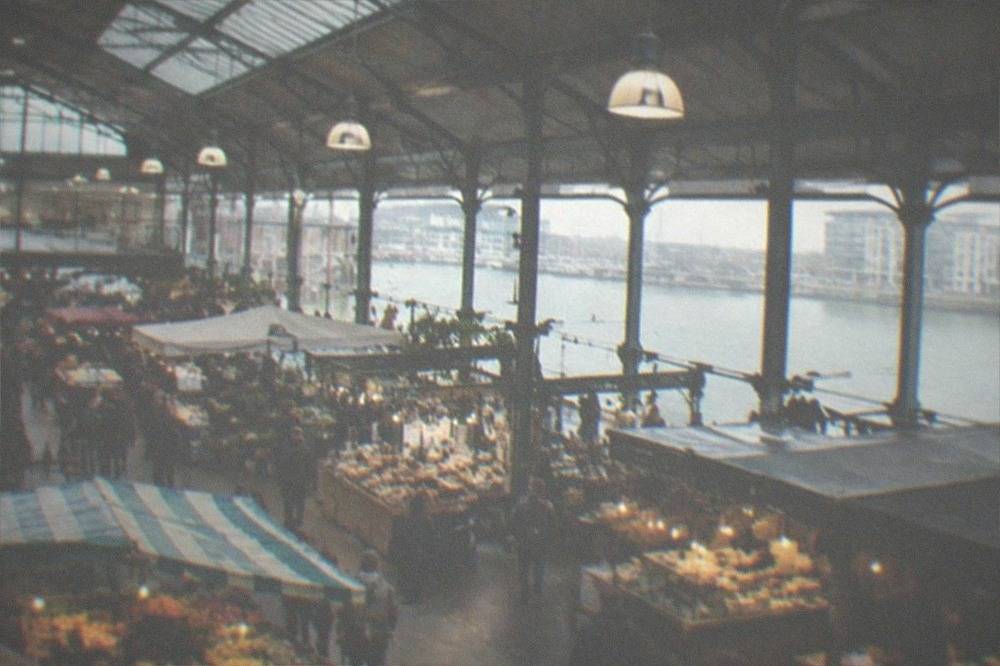
St Nicholas Market, in the old city near the surviving medieval churches, is the lunch stop. The covered arcade of independent stalls does food from several continents at street-food prices, and the surrounding streets hold the largest concentration of Bristol's street art. Bristol is the home city of the artist Banksy, and pieces survive around the centre; a self-guided wander finds several of them without a tour.
| Time | Activity | Cost guide |
|---|---|---|
| 09:30-10:15 | Arrive Temple Meads, walk to harbourside | Train fare |
| 10:15-12:00 | Harbourside walk, M Shed or SS Great Britain | SS Great Britain ticketed; harbourside free |
| 12:00-13:30 | St Nicholas Market and old city, street art wander | Street food prices |
| 13:30-14:00 | Bus or walk up to Clifton | Bus fare or free on foot |
| 14:00-15:30 | Clifton Suspension Bridge and gorge views | Free |
| 15:30-17:00 | Clifton Village, coffee, return to centre | Variable |
| 17:00-18:00 | Early dinner, then train back to Cardiff | Variable |
That timetable is deliberately conservative. Bristol rewards slow wandering, and if you find yourself still in the old city at two in the afternoon, you have not failed; you have simply discovered that the city is pleasant to be in. The one thing to avoid is arriving late: the bridge and Clifton are the far end of the route, and leaving them until the evening means rushing the best part.
One honest note for comparison shoppers: if a day of bridges and boats sounds less appealing than a day of Roman ruins, ruined abbeys and working castles, the guided option above spends its time at Caerleon's Roman amphitheatre, Tintern Abbey and a chain of Welsh castles, all with a driver and guide handling the logistics. It is a different kind of day, and for many visitors to Wales it is the more memorable one.
How Much Does A Cardiff To Bristol Day Trip Cost?
Budget roughly a moderate day-trip outlay per person for the day: an advance return train fare from £22, a paid attraction such as the SS Great Britain, lunch at the market and a coffee. Trim it under £30 by walking everywhere, skipping paid attractions and taking the coach, or push it higher with a sit-down dinner before the return train.
The transport line is the most variable. Advance singles from £11 each way are the planning range; bought on the day, the fare can be substantially more, so the single biggest saving available on this trip is booking the rail leg early. The coach alternative starts from £3 in the right circumstances, but those fares attach to specific departures and sell out first.
Food is where Bristol can quietly drain a wallet. St Nicholas Market keeps lunch cheap, and the harbourside has mid-range options, but the restaurants around Clifton and the centre run to full English city prices. If you are doing the day on a strict budget, eat at the market and treat dinner as something to have back in Cardiff, where the evening food scene around Pontcanna and the centre will cost you less.
| Expense | Budget | Mid-range |
|---|---|---|
| Return transport | ~£6-£10 coach | ~£22+ advance rail return |
| Attraction | Free (bridge, street art, harbourside) | One ticketed site |
| Lunch | Street food at the market | Cafe or sit-down lunch |
| Coffee and snacks | ~£3-£5 | ~£6-£10 |
| Estimated total | ~£25-£35 | ~a moderate day-trip total |
Where Should You Eat In Bristol On A Day Trip?
St Nicholas Market is the default answer for lunch, with dozens of independent food stalls under one glass arcade at street-food prices. For a sit-down meal, the harbourside and Clifton Village hold the widest choice, from casual cafes to higher-end dining, and the old city has historic pubs if you want a proper break between sights.
The market stalls turn over, which is part of the appeal: you are eating whatever the city's small traders are cooking that week, from West African to vegan bakeries. Arrive before half twelve if you want a seat at peak time, because the arcade fills with office workers and the standing room goes quickly.
If the weather is kind, the harbourside is the better place to sit with food. Several takeaways and market-adjacent options let you carry lunch to the water's edge, and the quayside benches are free. Clifton Village, up the hill, is the coffee-and-cake stop: smaller, quieter and more expensive, but a good reward after the walk up from the centre.
For the train home, buy food before you reach Temple Meads rather than relying on station options at evening prices. And if you find yourself comparing Bristol's food scene unfavourably with what you left behind, that is a fair reaction: Cardiff's restaurant scene has earned national attention recently, and our guide to eating well in Cardiff makes the case that you may not need to cross the water for a good meal at all.
What If You Would Rather Stay In Wales?
Several of the best days out from Cardiff never leave Wales, and the strongest guided options are a castles-and-abbeys tour through Caerleon, Tintern and the border castles, rated 5 across 43 reviews, and a Wye Valley and Bannau Brycheiniog trip rated 4.9 across 169 reviews. Both run about eight hours with a driver-guide, removing the transport planning entirely.
The castles tour is the closest thing South Wales has to a greatest-hits route. Caerleon holds one of the best Roman remains in Britain, Tintern Abbey is the ruin that inspired poets and painters for two centuries, and the castle chain along the border includes some of the most photographed stonework in the country. Cadw, the Welsh heritage body, runs Tintern Abbey, and its own pages list an adult admission of £9.40, reduced by 10 percent while conservation scaffolding remains on the site, with family tickets available; Cadw's Tintern Abbey page carries the current figures and seasonal hours.
The Wye Valley and Bannau Brycheiniog trip, Bannau Brycheiniog being the national park still widely known as the Brecon Beacons, is the landscape day: river gorges, forest and upland country 40 to 50 miles and one to one and a half hours' drive from Cardiff. Doing it as a guided tour rather than self-drive means the driver handles the narrow valley roads while you look at the scenery, which is a genuine benefit on routes where passing places are limited. You can Check availability on the Wye Valley trip before committing.
A third option worth naming is the waterfalls tour of the South Wales valleys, rated 5 across 34 reviews on its live listing, which walks the waterfall country of the southern edge of the national park. It suits travellers who want a walking day rather than a sightseeing day, and it pairs well with a rest day in Cardiff afterwards.
How Does A Bristol Day Trip Compare With Other Days Out From Cardiff?
Bristol is the culture-and-shopping day; Caerphilly Castle is the castle day; Bath is the Georgian-architecture day; and the national park is the landscape day. Bristol wins on ease, since the train takes under an hour, while the Welsh options reward the longer journeys with sights you cannot find in England. Choosing is mostly about what kind of day you want.
Caerphilly Castle, the largest castle in Wales and the second largest in Britain, sits a short hop from Cardiff and charges £12.90 adult admission with 5 percent off for booking online through Cadw. Its Great Hall has reopened after two years of conservation work with new digital exhibits inside. Bath, another rail day trip, is covered in our Bath day trip guide, and its Roman Baths and Georgian crescents make it the most classically handsome of the easy options.
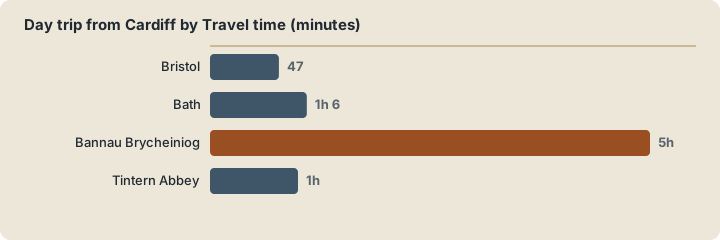
| Day trip from Cardiff | Travel time | Best for | Entry cost anchor |
|---|---|---|---|
| Bristol | ~47 min by train | City culture, street art, shopping | Bridge and street art free |
| Bath | ~1h 6m by train | Georgian architecture, Roman Baths | Roman Baths ticketed |
| Caerphilly Castle | Short local journey | Medieval castles | £12.90 adult, 5% off online |
| Bannau Brycheiniog | 1-1.5h drive | Mountains and walking | Mostly free access |
| Tintern Abbey | ~1h drive | Ruined abbey, Wye Valley | £9.40 adult |
The pattern to notice is that the English cities cost more once you are inside them, while the Welsh heritage sites charge admission but sit in cheaper surroundings. A Bristol day can be done cheaply if you stick to the free sights, and a castle day can be done cheaply if you walk the exterior and skip the interior, but the satisfying version of each costs money somewhere. Decide where you would rather spend it.
What Should You Know Before You Go?
Book the train in advance, start early enough to reach Clifton by mid-afternoon, and check whether anything you want to visit is closed on the day you have chosen. Bristol's main sights cluster in two walkable areas, so comfortable shoes matter more than clever planning. Finally, keep your return journey loose enough that you are not sprinting for a specific train.
Mondays are the weakest day for the trip, since some independent stalls and smaller venues close and the city feels thinner. Saturday is the busiest and most atmospheric, especially around the market, but the trains fill with shoppers and fares sit higher. A Tuesday to Friday visit is the sweet spot for most travellers.
Weather matters less than you might think, because Bristol has enough covered attractions to rescue a wet day, but the bridge and the gorge views are the trip's best moments and they are outdoor ones. If the forecast is bad, consider swapping to a museum day in Cardiff instead: the National Museum Cardiff is free to enter and open Tuesday to Sunday, which is a hard price to beat.
Finally, do not over-plan the return. Trains back from Temple Meads run late into the evening, and one of the small pleasures of the day is an unhurried dinner in Bristol before crossing back over the Severn in the dark, watching the estuary lights go by. If you have built your whole trip around Wales, that hour of England at the end of the day is a pleasant change of scene rather than a detour.
For travellers weighing Bristol against a guided Welsh day, the two strongest tours from Cardiff remain the castles-and-abbeys route and the Wye Valley and Bannau Brycheiniog trip, both covered above, and both bookable with free cancellation on their live listings so you can hold a seat while you make your mind up. The tour cards above link straight to each live listing for current prices and departure days.
Common Questions About A Bristol Day Trip
How long is the train from Cardiff to Bristol?
Direct trains from Cardiff Central to Bristol Temple Meads take 47 minutes on the fastest services, with dozens of departures spread across the day. Advance singles start from £11, but walk-up fares cost more, so book ahead if your dates are fixed.
Is Bristol or Bath better for a day trip from Cardiff?
Bath takes about an hour and six minutes by train and offers Roman Baths and Georgian architecture; Bristol is quicker and better for street art, shopping and the harbourside. Bath is the more beautiful city, Bristol the more energetic one. Our Bath day trip guide covers that option in full.
Can you do Bristol without a car?
Yes, and you should. Temple Meads station is within walking distance of the harbourside, the old city and, with a longer walk or a short bus ride, Clifton and the suspension bridge. A car adds parking cost and congestion with no real benefit for a day visitor.
What is the cheapest way to get from Cardiff to Bristol?
Coaches from National Express and FlixBus run the route with fares from £3, though the cheapest tickets attach to specific departures and sell out first. The train is faster and more reliable; the coach is the budget choice when timing is flexible.
Do any tours from Cardiff go to Bristol?
The guided tours featured on this site do not visit Bristol; they are alternative days out from Cardiff covering castles, the Wye Valley and the national park. Bristol is best done independently by train, which is straightforward and takes under an hour.