South Wales Road Trip: The Full Route, Stops And Costs
A south Wales road trip packs castles, waterfalls, mountains and some of Britain's best beaches into a loop you can start from Cardiff. Here is the route, the costs and the stops worth your time.
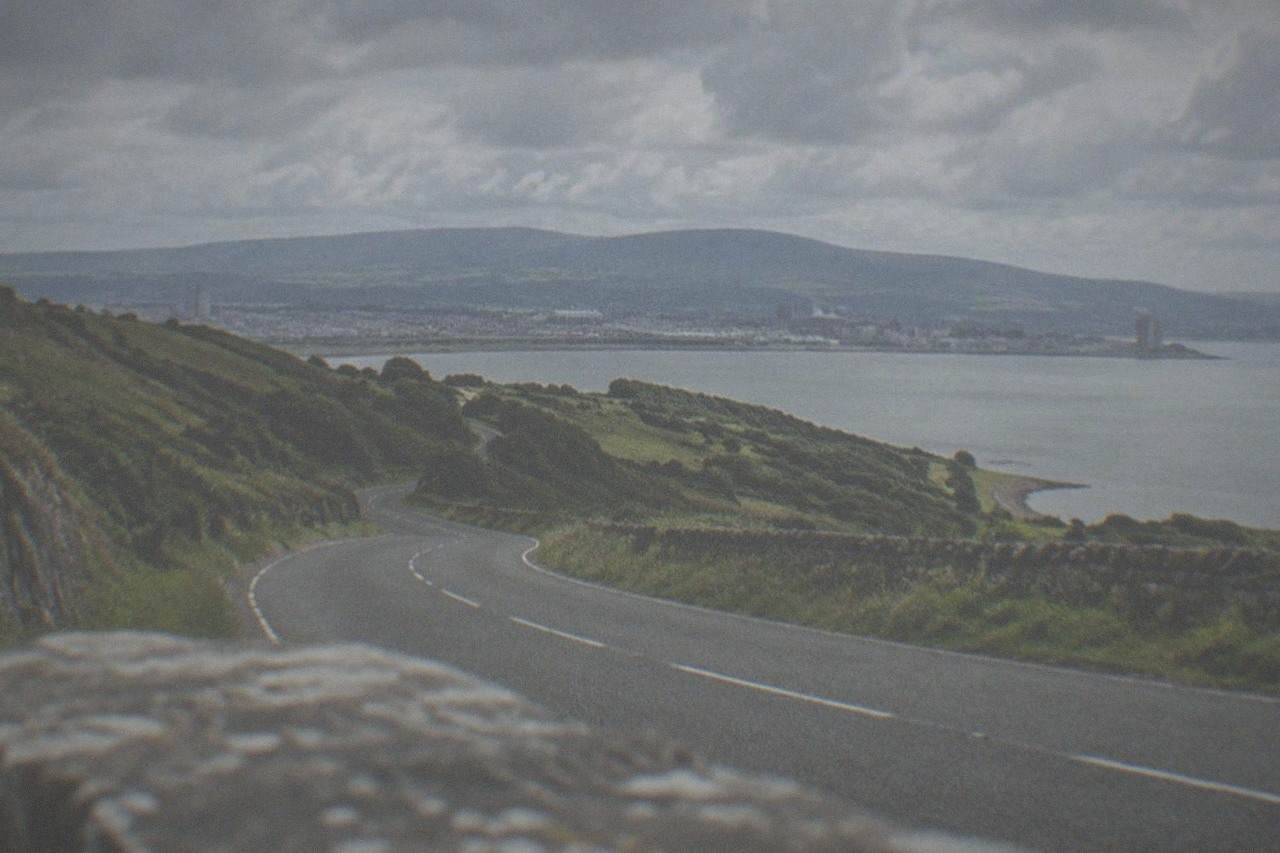
Short answer
The classic south Wales road trip runs 255 miles over three to five days, starting in Cardiff, crossing Bannau Brycheiniog, still widely known as the Brecon Beacons, and finishing on the Gower coast. Key costs: Caerphilly Castle £12.90, Big Pit free entry with £5 underground tours, Rhossili car park from £4.
Wales is small enough that a road trip across its southern half never feels like a slog. Cardiff sits within an hour of mountains, within ninety minutes of waterfalls, and within two hours of a beach repeatedly ranked among the best in Britain. The whole classic loop, the one most local planners sketch out, covers 255 miles and takes three to five days at a comfortable pace, which is short by American or Australian road trip standards and generous by British ones.
This guide lays out that route in full. It covers where to stop, what each stop costs, how the driving breaks down day by day, and where the plan gets tight if you try to compress it. Every admission figure below comes from the operator's own pricing pages, and where something is free, it says so plainly, because south Wales is unusually generous with free attractions.
Why A South Wales Road Trip Works So Well From Cardiff?
Cardiff makes an ideal base because the entire southern half of Wales sits within a two-hour drive: Bannau Brycheiniog, still widely known as the Brecon Beacons, is 40 to 50 miles away, Caerphilly Castle is a short hop north, and the Gower Peninsula is reachable in well under two hours. A city of 383,919 people, it is compact, well connected by rail, and surrounded by the best of the Welsh countryside.
That density is the whole argument. On a single loop you can stand on a Norman castle wall in the morning, walk behind a waterfall after lunch, and watch the sun drop into the Atlantic the same evening. Few regions in Britain offer that spread without long transfers between them.
The practical side helps too. Cardiff has the rail links, the car hire desks and the hotel stock of a capital, so you can arrive by train, pick up a vehicle, and be on open road within an hour of landing in the country. The Cardiff Travel Guide covers the city itself in depth; this itinerary is about what lies beyond it.
One honest caveat: the roads are not fast. Many are single-carriageway, and in the national park and on the Gower they narrow to lanes where passing places do the work of a second lane. Budget your driving time on realistic average speeds, not motorway maths.
What Is The Classic South Wales Road Trip Route?
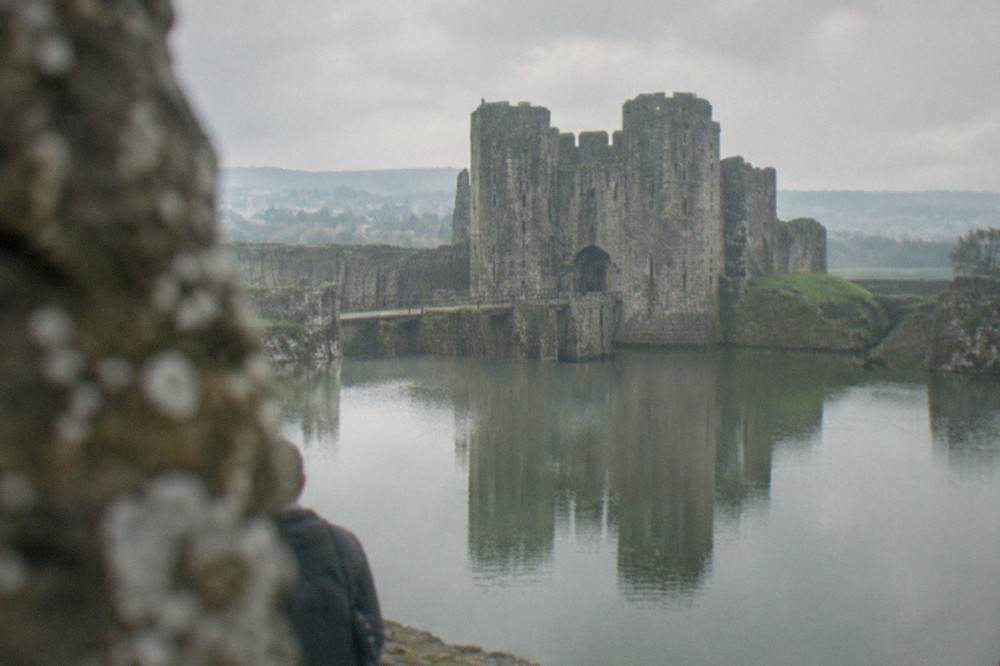
The standard route runs Cardiff to Caerphilly Castle, north into Bannau Brycheiniog for mountains and the Four Waterfalls area, west to Big Pit at Blaenavon or down to the coast, then across to the Gower Peninsula with stops at Mumbles and Rhossili Bay, returning east along the coast through Barry Island or Penarth. Driven as a loop it totals 255 miles over three to five days, best between May and October.
Most travellers run it clockwise, hitting Caerphilly first while legs are fresh and saving the beaches for the end, when the weather has the best chance of cooperating. Running it anti-clockwise swaps castle energy for beach energy, which suits families travelling in the school holidays who want the coast while the weather is warmest.
The route divides naturally into three driving days and a set of optional add-ons. Day one is short: Cardiff to Caerphilly is barely twenty minutes, and Caerphilly to the Brecon Beacons area adds under an hour. Day two is the mountain and waterfall day with minimal driving. Day three is the long one, the run west to the Gower, which takes around ninety minutes from the waterfall country depending on the route you choose.
| Day | Route | Driving time | Anchor stops |
|---|---|---|---|
| 1 | Cardiff to Caerphilly to Bannau Brycheiniog | ~1 hour total | Caerphilly Castle, mountain viewpoints |
| 2 | Waterfall country loop | ~1-2 hours | Four Waterfalls Walk, Pen y Fan area |
| 3 | North to Big Pit, west to Swansea Bay | ~2 hours | Big Pit, Mumbles |
| 4 | Gower Peninsula loop | ~1-2 hours | Rhossili Bay, Three Cliffs Bay |
| 5 | Coast return to Cardiff | ~1-1.5 hours | Barry Island or Penarth |
If five days is too many, the compressible parts are Big Pit and the second Gower day. Three days covers Caerphilly, one mountain or waterfall stop, and Rhossili, and it works, but you will spend day three entirely in the car between them.
If you would rather have someone else handle the driving for at least part of the trip, three guided options cover the same ground. The castles-and-mountains heritage tour, the Caerleon and Tintern Abbey castles route, and the Gower and Mumbles coastal day trip each replace a self-drive day with a guided one.
How Many Days Do You Actually Need?
Three days is the realistic minimum for the core loop, five is comfortable, and four is the sweet spot for most travellers. In three days you can cover Caerphilly Castle, one waterfall or mountain stop and the Gower, but every day runs full. Five days lets you add Big Pit, a second Gower beach and a slow coastal return, with time for weather that refuses to cooperate.
The honest constraint is not distance, it is opening hours and daylight. Caerphilly Castle closes at 17:00 for most of the year, with last admission thirty minutes before. The Four Waterfalls Walk takes most of a day done properly. Rhossili deserves a full afternoon, not a drive-by. Stack three of those into two days and you are driving in the dark on lanes that reward full attention.
Season matters more than most visitors expect. The National Trust's Rhossili car park was filling before noon over the early September bank holiday weekend, and that is a quiet month by Gower standards. In July and August, plan coastal stops for early morning or late afternoon, and treat the middle of the day as driving time.
There is also the question of whether to drive at all, at least for the mountain legs. The Bannau Brycheiniog roads are narrow, the parking at popular trailheads is limited and paid, and a guided tour removes both problems. For the castles-and-mountains core of the route, Check availability on the operator's listing and compare it against a day of self-driving before you commit.
The castles, mountains and Welsh heritage day tour runs around eight hours from Cardiff and covers the inland half of the route in one guided block. It suits travellers who want the mountain scenery without planning a single B-road, and it pairs well with a self-drive day on the Gower afterwards.
What Are The Driving Times And Road Conditions Like?
Expect slow, scenic roads rather than fast ones: Cardiff to Caerphilly takes about twenty minutes, the run into the national park around an hour, the waterfall country to the Gower roughly ninety minutes, and the coastal return to Cardiff between one and one and a half hours. Most of the route is single-carriageway, and the Gower and national park sections include narrow lanes with passing places.
The numbers look trivial on a map and feel different in person. A forty-mile stretch through the Bannau Brycheiniog can take over an hour because the road follows the valleys rather than cutting through them. That is not a complaint, the views are the point, but it means you should plan stops by driving time, not straight-line distance.
Fuel is easy to find in the towns and scarce in the park and on the Gower. Fill up in Merthyr Tydfil, Aberdare or Swansea rather than counting on a village pump. Parking at the popular natural stops is paid and limited: Gwaun Hepste car park for the waterfalls charges £6, and the National Trust car park at Rhossili charges £8 for stays over two hours, £4 for up to two, with free scanning for members.
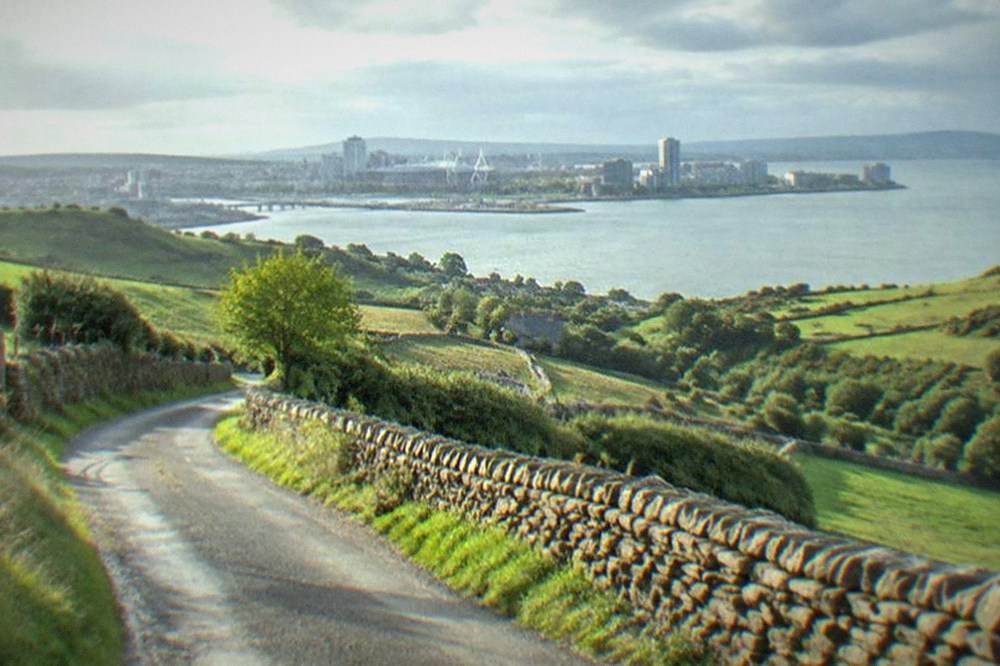
One planning note worth flagging: mountain rescue in the Central Beacons recorded 182 callouts in 2025, its busiest year in six decades of operation. That is not a reason to avoid the park, but it is a reason to take proper shoes, a map and a weather check seriously if you plan to walk rather than view. The park authority's own guidance is the source to trust for trail conditions.
For a deeper look at the inland leg, see the Bannau Brycheiniog day trip guide, which covers the mountain stops in the detail this route summary cannot.
If a guided mountain day appeals more than driving the lanes yourself, the South Wales mountains and waterfalls day tour is rated 4.9 across 255 reviews and runs about eight hours from Cardiff, covering the same waterfall country this route crosses on day two.
Which Castles And Heritage Stops Are Worth The Time?
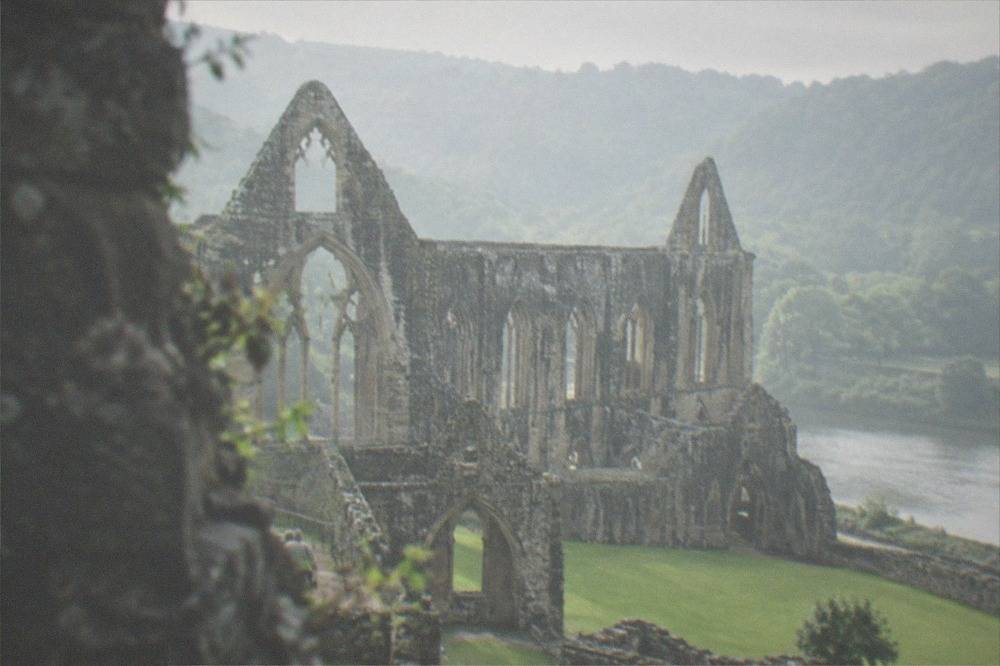
Caerphilly Castle is the essential inland stop, the largest castle in Wales at £12.90 adult admission with 5% off booked online, and its Great Hall has reopened after a two-year conservation programme with new digital exhibits. Castell Coch adds a fairytale silhouette north of Cardiff at £10.40, and Tintern Abbey, at £9.40 with a current 10% reduction for ongoing repairs, is the natural stop on the eastern variant of the route.
Caerphilly earns its place on any list. It is the biggest castle in Wales and the second largest in Britain, and the restored Great Hall, reopened after conservation work, now carries digital exhibits that explain the building without turning it into a theme park. Time Out named it one of the UK's best things to do in 2026, which is unusual praise for a Cadw site, but the scale justifies it. Cadw's official page carries the current hours and prices.
Big Pit National Coal Museum at Blaenavon is the other essential heritage stop, and it is free. The underground tour, led by former miners, costs £5 on arrival or £8 as a timed advance ticket, parking is £5 per day, and the museum is open daily from 9:30 with last entry at 16:00. Blaenavon as a whole is a UNESCO World Heritage Site, which gives the stop more depth than a single attraction usually offers.
For a full rundown of the castle options within reach of the city, the castles near Cardiff guide ranks them all, including the joint Caerphilly and Castell Coch ticket that saves money if you plan to do both.
| Stop | Adult admission | Hours summary | Notes |
|---|---|---|---|
| Caerphilly Castle | £12.90 | 09:30-17:00 Sep-Oct | 5% off online; joint ticket available |
| Castell Coch | £10.40 | 09:30-17:00 Sep-Oct | 5% off online; under-5s free |
| Tintern Abbey | £9.40 | 09:30-17:00 Sep-Oct | 10% reduction during repairs |
| Big Pit | Free entry | Daily 09:30-17:00 | Underground tour £5-£8; parking £5 |
| Cardiff Castle | £16 | 10:00-18:00 Mar-Oct | Start or finish point of the loop |
What Does The Gower Peninsula Leg Look Like?
The Gower Peninsula, Britain's first Area of Outstanding Natural Beauty, delivers the coastal climax of the route: Rhossili Bay's three-mile sweep of sand, the village of Mumbles at the peninsula's eastern end, and smaller bays like Three Cliffs that reward the narrow lanes required to reach them. Rhossili Bay holds a 2026 Traveller's Choice award and sits under two hours' drive from Cardiff.
Start at Mumbles if you want food and easy charm before committing to the lanes. Oystermouth Castle there is open daily through the season, 11:00 to 17:00, at £6 adult admission, and the seafront gives you the first proper look at Swansea Bay. Then work west.
Rhossili is the headline. The National Trust car park charges £4 for up to two hours and £8 beyond that, with free entry for members, and the shop opens 10:00 to 16:00. Note one access restriction that catches visitors out: the Outer Head of Worm's Head is closed to walkers from 1 February to 31 July each year to protect nesting seabirds. The view from the cliff top is unaffected.
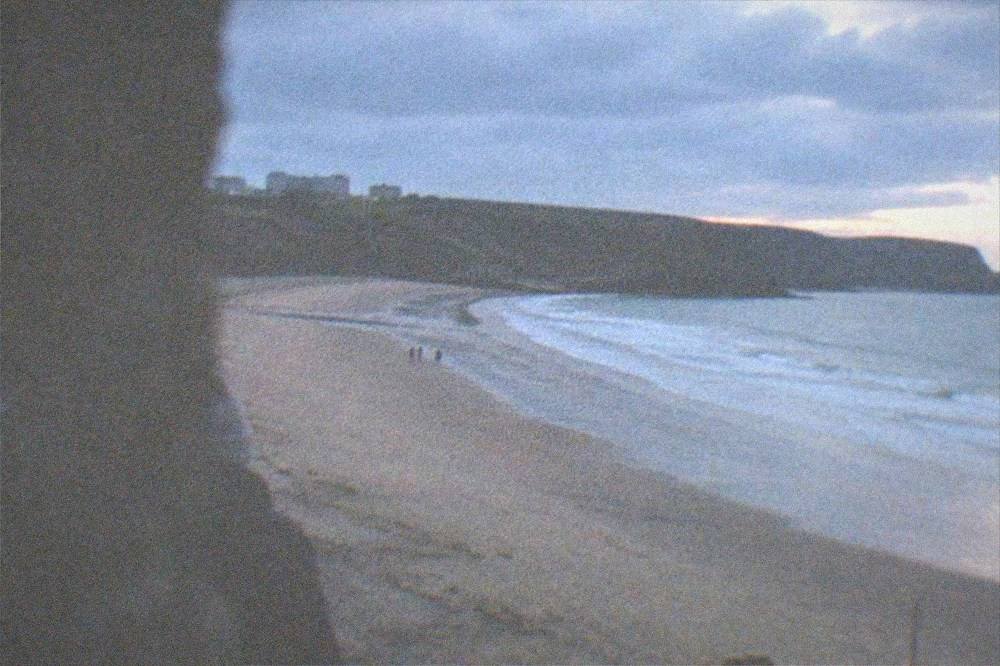
The practical warning is parking pressure. Rhossili's car parks were filling before noon on the September bank holiday weekend, and July and August are busier. Arrive before 10:00 or after 16:00 in peak season, or use the smaller bays, which absorb overflow better than the headline beach does. The National Trust's Rhossili page is the source for current charges and closures.
If the coastal half of the trip appeals more than the mountains, the Gower and Mumbles day tour from Cardiff is rated 4.9 across 266 reviews and covers the peninsula's cliffs and coastline in a single guided day, a sensible swap for a self-drive Gower leg if the lanes put you off.
What Does A South Wales Road Trip Cost?
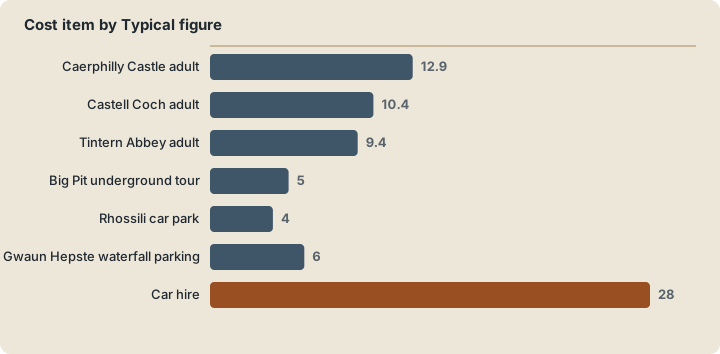
Budget roughly a moderate daily outlay per person per day on top of accommodation and fuel: the paid attractions on the route total £50 per adult if you do Caerphilly, Castell Coch, Tintern and a Big Pit underground tour, while the National Museum Cardiff, St Fagans, Big Pit's surface exhibits and every beach on the route are free. Parking adds £5 to £8 per stop at the natural sites.
The attraction spend is genuinely optional in a way most destinations cannot match. Two of the best stops on the entire route, Big Pit's surface museum and Rhossili Bay, cost nothing beyond parking. If you skip the paid castles entirely and lean on the free museums and the coast, a four-day trip can run on fuel, food and beds alone.
| Cost item | Typical figure | Notes |
|---|---|---|
| Caerphilly Castle adult | £12.90 | 5% off booked online |
| Castell Coch adult | £10.40 | Joint ticket with Caerphilly available |
| Tintern Abbey adult | £9.40 | 10% reduction during repairs |
| Big Pit underground tour | £5-£8 | Museum entry free; parking £5/day |
| Rhossili car park | £4-£8 | Free for National Trust members |
| Gwaun Hepste waterfall parking | £6 | Limited spaces, arrive early |
| Car hire | ~£28-£45/day | Cheapest period is typically February |
Fuel is the wildcard, and the figure that varies most is accommodation: Gower and Brecon lodging in high summer books out early and prices accordingly. Check current forecourt prices in the towns before you set off, since the cheapest pumps sit well outside the park and the peninsula.
When Should You Do This Road Trip?
May to October is the reliable window, with late June to early September the warm stretch, July averaging 20°C daily highs and February bottoming out near 8°C. Rainfall peaks in November and dips in April, so spring and autumn trade warmth for quieter roads and emptier car parks, which on the Gower is a genuinely better deal than a warm August weekend spent circling for parking.
The shoulder months deserve more credit than they get. September and early October keep most attraction hours at their summer settings, the sea is at its warmest, and the Rhossili car park that fills by noon in August has space mid-morning. The trade is weather risk, and the Met Office's station-level climate averages for the Cardiff area are the reference to check before you pick your dates.
Winter driving is possible and quiet, but the waterfall trails and the Worm's Head path in particular are not winter-novice terrain, and several Cadw sites run reduced hours from November, with Castell Coch and Caerphilly both closing at 16:00 through the winter months. Both close entirely over 24 to 26 December and 1 January.
Should You Drive Or Take A Guided Tour Instead?
Drive if you want flexibility on the Gower and in the national park, where the best stops are hard to reach on a schedule; take guided tours if the narrow lanes, paid parking and route-planning appeal less than the scenery itself. A hybrid works well: one or two guided days for the inland legs, one self-drive day for the coast, and no need to commit to a full week of either.
The guided options are strong on this route because the terrain is exactly what a driver-guide earns their fee on. The Caerleon, Tintern Abbey and Three Castles tour is rated 5 across 43 reviews and covers the eastern castle variant at around eight hours, while the Wye Valley and Bannau Brycheiniog full-day trip, rated 4.9 across 169 reviews, handles the inland scenery. Neither replaces the Gower, which is where self-driving genuinely wins.
For the full range of guided options from the capital, the day trips from Cardiff guide ranks every reachable destination, guided and self-drive, and is worth a read before you finalise the route.
However you split it, the trio below covers the three legs of this itinerary: the castles and mountains inland, the eastern castles variant, and the Gower coast. Check availability on whichever leg you would rather not drive yourself.
Common Questions About A South Wales Road Trip
How long does a South Wales road trip take?
Three days is the minimum for the core loop of Cardiff, Caerphilly, the Brecon Beacons and the Gower. Four to five days is comfortable, adding Big Pit and a second Gower beach without rushing any stop.
What is the best month for a South Wales road trip?
May to October is the reliable window. Late June to early September is warmest, with July averaging 20°C daily highs, while September offers quieter roads and easier parking on the Gower.
Do you need a car for a South Wales road trip?
Not entirely. Guided day tours from Cardiff cover the castles, mountains, waterfalls and the Gower, so a hybrid of guided days and one or two self-drive days works well. Pure self-driving suits travellers who want flexibility on the narrow Gower lanes.
Is the South Wales road trip expensive?
It can be remarkably cheap. Big Pit's surface museum, the National Museum Cardiff, St Fagans and every beach are free, and the paid stops top out at Caerphilly Castle's £12.90 adult ticket. Budget mainly for fuel, food and accommodation.
Where does the South Wales road trip start?
Cardiff is the standard start and end point, with direct trains from London Paddington taking under two hours and car hire available in the city. The loop runs 255 miles back to the capital.