Cardiff To Bath: A Practical Day Trip Guide
Bath is one of the easiest English day trips from Cardiff, with direct trains running roughly hourly and a compact city centre that fits into a single afternoon. This guide explains the route, the likely costs and what to see without overloading the day.
Short answer
Bath is a workable day trip from Cardiff by direct train in about an hour and six minutes each way. The journey is straightforward, but the visit rewards a clear plan: focus on the Roman Baths, the Royal Crescent and the compact city centre, and be ready for higher costs than a day in Cardiff.
How Do You Get From Cardiff To Bath?
Direct trains are the easiest option. Great Western Railway services leave Cardiff Central for Bath Spa roughly hourly through the day, with the fastest journeys 1 hour 3 minutes and a typical run 1 hour 6 minutes. Coaches offer a cheaper alternative, though the road journey is longer and usually closer to 2 hours 45 minutes depending on the service.
For most visitors, this is a straightforward intercity hop rather than a complicated excursion, and Cardiff Travel Guide recommends booking the train early if you want the cheapest fares. The direct services from Cardiff Central to Bath Spa run hourly, according to the route timings published for the line. You will step off at Bath Spa station, which is a short walk from the main sights, so there is no need to plan a taxi or a second connection.
Cardiff Central is well connected, and the Bath route avoids the crowds that can build up on the shorter Bristol hop. The train is the best choice for most people because it puts you into the city centre around lunchtime if you take a mid-morning service. Coaches are the budget choice, with an example journey time 2 hours 44 minutes on some departures. Current coach comparisons start near £10. If you are watching costs, the coach can free up money for the Roman Baths or a longer lunch, but it eats into sightseeing time.
Driving is also possible, though parking in Bath is expensive and the centre is not designed for quick car access. Many drivers prefer to park outside the city and use a park and ride or simply take the train to avoid the hassle. The city is small enough that once you arrive, everything on a compact day trip can be done on foot. You do not need a detailed transport plan beyond the mainline journey.
The route is useful even if you are not staying in Bath. Because the train station is central, a short visit still works if you keep your expectations modest. You can see the Abbey area, walk up to the Royal Crescent and be back at the station in a few hours. That ease is exactly what makes Bath a better day trip than many more remote destinations.
How Long Does The Train From Cardiff To Bath Take?
The fastest direct trains make the trip in 1 hour 3 minutes, while the average scheduled run is 1 hour 6 minutes. There is no change required on direct services, and trains leave at least hourly from Cardiff Central. Early morning departures and late evening returns keep the day flexible, although last trains can fall before midnight.

The timing is one of the main reasons Bath works as a day trip. Unlike a journey into the deeper Welsh countryside or out to the Gower, this route is a mainline connection with frequent services. You can leave Cardiff after breakfast, spend five or six hours in Bath, and still be back for an evening meal. The fastest timetable shows 1 hour 3 minutes, and the average scheduled run is 1 hour 6 minutes. The exact time depends on which service you catch and whether it stops at fewer intermediate stations.
One thing to check before you travel is the return leg. Some evening trains can be busy with commuters and leisure travellers, and services thin out after the evening peak. A flexible approach works well: aim for a specific early service out, then choose your return once you know how long you want to stay. Because Bath Spa station is right in the town, you do not need to leave early just to allow for a long transfer.
The direct trains are frequent enough that you can afford to miss one without ruining the day. If you leave on an early train, you will usually have more empty seats and a quieter walk from the station into the centre. The mid-morning trains are still comfortable, but they arrive when the city is beginning to fill with other day trippers. An early start is the single best way to make Bath feel calm rather than crowded.
For visitors who would rather not organise the route themselves, a guided day trip from Cardiff handles the driving and planning. These departures do not go to Bath, but they are other ways to spend a day from Cardiff.
The timetable is stable enough to plan around, but it still pays to check on the day for engineering works or reduced services. Cardiff Central and Bath Spa are both staffed stations, so help is available if a connection changes. A small amount of preparation, mainly booking the outward journey, makes the whole day run more smoothly.
How Much Does A Day Trip To Bath Cost?
Budget £25 to £28 for an advance single train fare, with cheap coach seats sometimes starting near £10. A return by train can therefore land in the a typical advance-return range range if booked as two advance singles or an off-peak return, but walk-up fares run higher. Add food, entry fees and any local travel once you arrive.
The biggest cost is almost always the train. Advance singles are usually the cheapest way to travel, and the earlier you book, the better your chance of a seat at the lower end. Walk-up fares remain available, but they can make the trip feel expensive for what is only a little over an hour on the train. Coaches are a genuine money saver for solo travellers or groups who do not mind the slower journey.
| Option | Typical one-way cost | Typical journey | Notes |
|---|---|---|---|
| Train | £25 to £28 | 1 hour 3 minutes to 1 hour 6 minutes | Book ahead for the lowest fares |
| Coach | from £10 | 2 hours 44 minutes, varies | Slower, budget friendly |
The fare comparison above uses figures published for the route. Your exact ticket price will depend on the date, the time you travel and how far in advance you buy. It is better to think of the train as a time-saving expense and the coach as a budget fallback rather than a direct competition on speed. Families should price a group of seats before deciding, because a single cheap coach ticket can look misleading if you need to fit the whole group's schedule.
Railcard holders should check the discount options on the operator's booking page. A Two Together or Senior Railcard can reduce the cost on many Great Western Railway services, which is especially useful if Bath is one of several day trips during your stay. Split ticketing is not usually necessary on this short direct route, but booking two advance singles can be cheaper than a walk-up return.
You can keep the day affordable by booking the train early, eating a casual lunch instead of a sit-down meal and walking between the sights. Bath is compact, so there is no need to budget for taxis. If you want to add the Roman Baths, check the current admission price online before you go, because entry is a separate cost from the journey. A railcard can also reduce the train fare for those who qualify, so it is worth checking before the booking screen.
If your journey begins in London rather than Cardiff, the London to Cardiff guide covers the Paddington route before you connect. That longer trip changes the budget and the timing, so it is best treated as a separate plan rather than an add-on to this day trip.
What Should You See In Bath On A Day Trip?
A focused Bath day trip works best around the Roman Baths, the Royal Crescent and Pulteney Bridge, all walkable from Bath Spa station. You can add the Assembly Rooms or a short river walk without needing another train journey. Because the city centre is compact, the sightseeing fits into a morning and early afternoon.

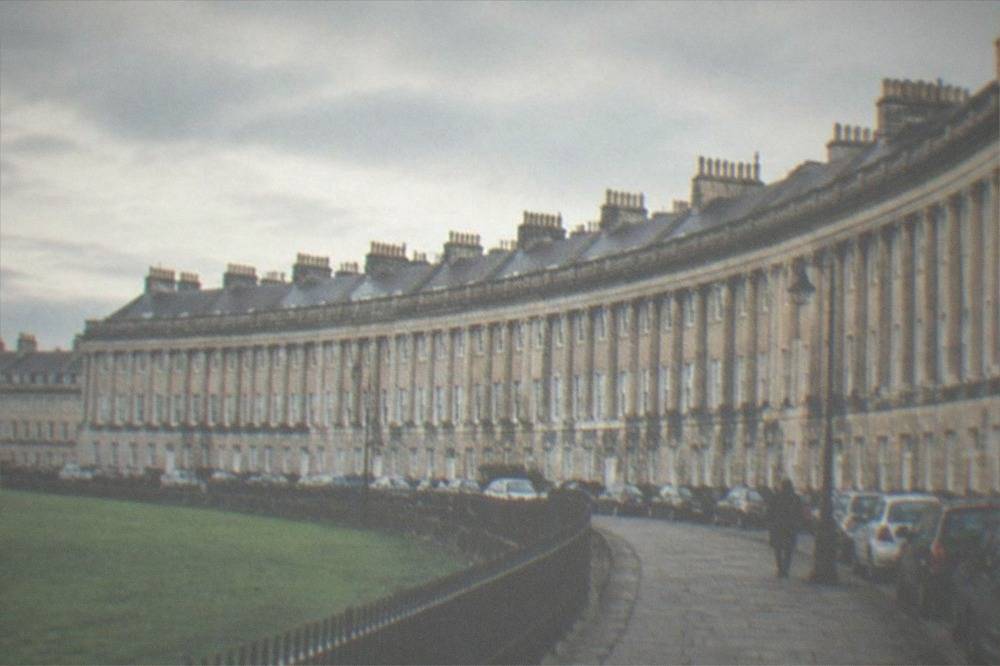
Start at the Roman Baths if you are visiting for the first time. The site is the reason many travellers make the trip, and the audio guide makes it easy to move at your own pace. After the baths, the Abbey and the nearby square are a natural next stop, followed by a slow walk north towards the Circus and the Royal Crescent. The Georgian terraces are a short uphill walk, but the view is one of the most recognisable in the city.
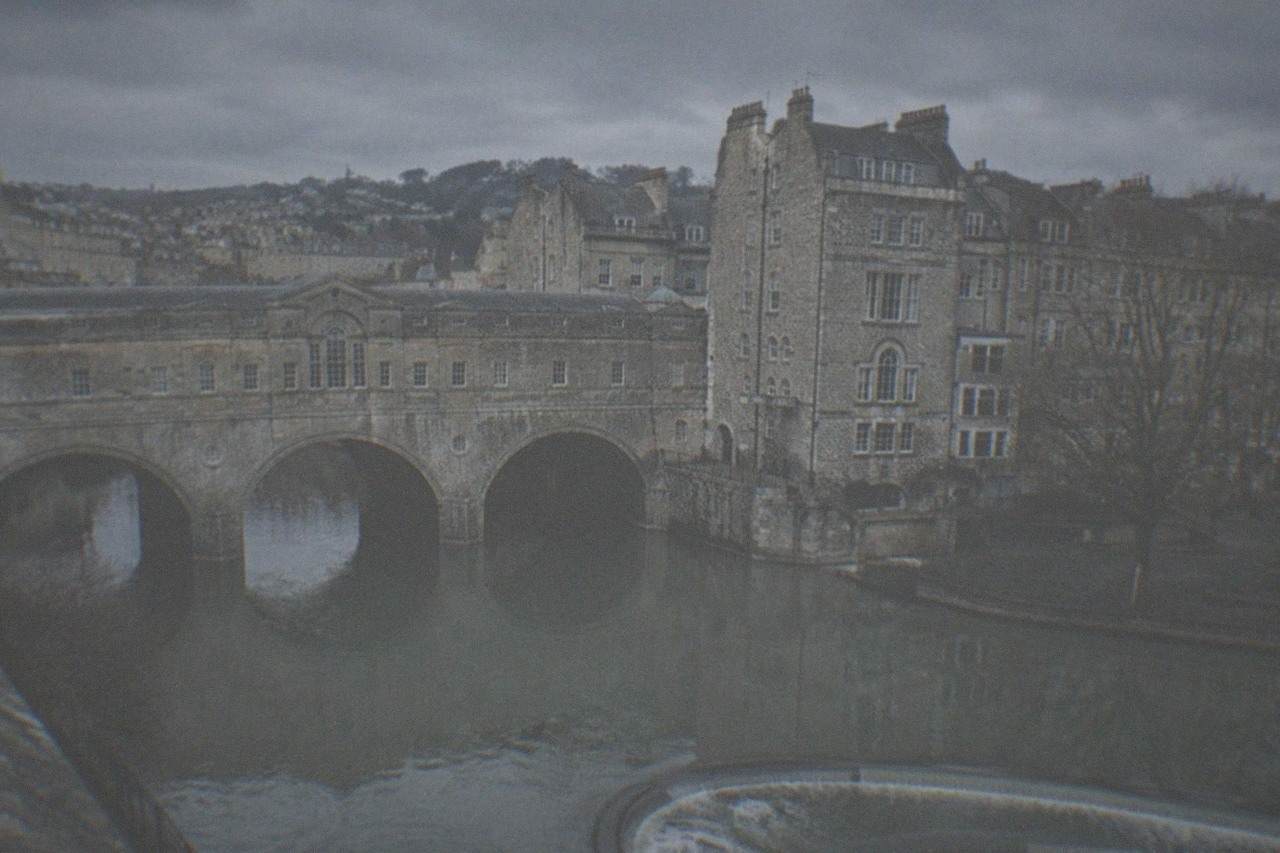
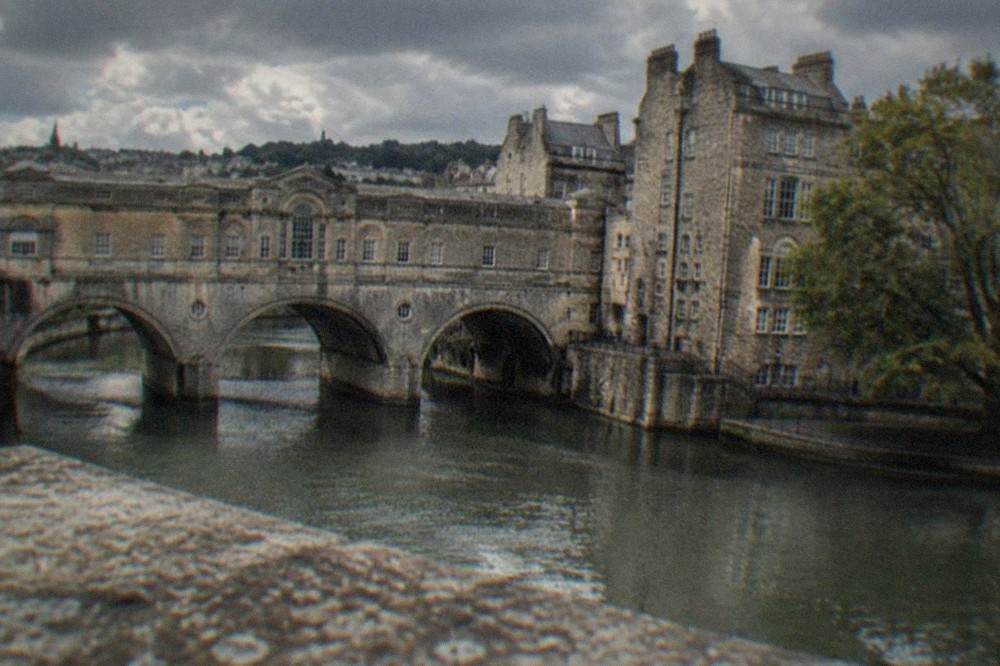
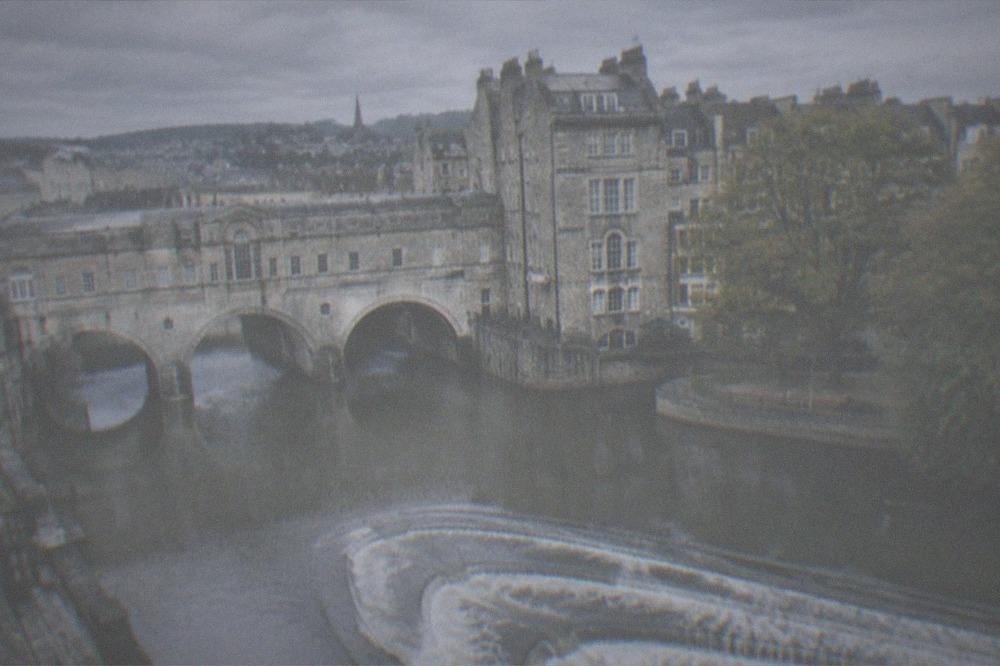
Pulteney Bridge is best seen from the riverside path just downstream. It is a few minutes from the Abbey and makes an easy final stop before you turn back towards the station. The Weir below the bridge is especially striking after rain, though the river path can be slippery in wet weather.
| Time | Stop | Notes |
|---|---|---|
| 09:30 | Arrive Bath Spa station | Walk five to ten minutes into the centre |
| 10:00 | Roman Baths | Allow 90 minutes to two hours |
| 12:00 | Lunch near the Abbey | Casual cafés are close to the square |
| 13:15 | The Circus and Royal Crescent | Short uphill walk, Georgian architecture |
| 14:30 | Pulteney Bridge and the Weir | Riverside photo stop |
| 16:00 | Return to Bath Spa | Aim for an afternoon train back |
This order avoids backtracking and leaves room to browse the independent shops near the centre. Bath is not a theme park, so the best day trips leave a little slack time for a coffee or a detour down a side street. If the weather turns, the Roman Baths and the Assembly Rooms offer indoor shelter. The city is built for wandering, but the main route above keeps the day on track.
If you would rather leave the planning to someone else, a guided day trip from Cardiff is an alternative. It does not visit Bath, so it suits visitors who want to see the Wye Valley, Tintern Abbey or the Welsh Valleys instead of a second English city.
The city centre is easy to cover on foot, but comfortable shoes are essential because the walk up to the Royal Crescent and back adds more elevation than it looks on a map. A light rain jacket also helps, since Bath can be damp even when Cardiff is dry.
Is Bath Worth A Day Trip From Cardiff?
Bath is worth the trip if you want a compact, historic English city without an overnight stay. The direct train makes it easier than many coastal or countryside day trips, and the city centre rewards a few unhurried hours. It is not the cheapest option, but the Roman heritage and Georgian streetscape justify the fare for most visitors.
Cardiff has plenty of its own attractions, so the decision comes down to what you want from the day. Bath offers a very different texture: a compact English spa town with Roman remains and formal Georgian architecture. If you have already spent time in Cardiff Castle and the National Museum, Bath is a good contrast. If you are looking for dramatic landscapes, a day trip into Bannau Brycheiniog or to the coast might suit you better.
The journey is shorter than many popular alternatives from Cardiff. A day trip to Bristol is slightly quicker by train and has more of a modern city feel, while Bath is smaller and more museum-like. Neither is a poor choice, but Bath is the stronger fit for travellers who want a tidy, walkable historic centre and are less interested in shopping or nightlife.
| Day Trip | Direct Train Time | Typical Advance Fare |
|---|---|---|
| Bath | 1 hour 3 minutes to 1 hour 6 minutes | £25 to £28 |
| Bristol | 47 minutes | from £11 |
Season also affects the experience. Bath is at its most appealing from late spring to early autumn, when the riverside paths and the streets around the Abbey stay busy but comfortable. Winter visits are quieter and the city lights can be lovely, but the shorter daylight hours reduce how much you can pack in before the last direct train.
Cost is the main reason some visitors hesitate. The train fare and the entry fee for the Roman Baths can add up, especially for a family. Coaches soften the transport cost, but they lengthen the day. One way to make the decision easier is to compare the total against a guided coach tour from Cardiff that covers a similar amount of time but heads into the countryside instead.
The Tintern Abbey day trip is a popular alternative for history lovers who want a monastic ruin rather than a spa town. Both make a good day out, but they feel completely different once you arrive. Bath is polished and busy; Tintern is quieter and more exposed to the weather. Your choice should depend on whether you want refined city architecture or a more windswept historic site.
What Else Should You Know Before You Go?
Check train times on the day and book advance tickets early because walk-up fares are higher. Bath Spa station is central, so you will not need a taxi for the main sights. The city is busiest in summer and at weekends, so an early train gives you a quieter first hour before tour groups arrive.
One advantage of the Cardiff to Bath route is that the station sits right on the edge of the centre. You can walk from the platform to the Abbey in ten minutes or less, and the route is step-free for the most part. This means you do not need to juggle buses or luggage on a day trip. A small day pack is enough, and there are cafés and luggage lockers nearby if you are continuing elsewhere.
Food in Bath ranges from quick pasties and sandwich shops near the station to more formal tearooms and gastropubs. There is no need to book far ahead for a casual lunch, but if you want a specific table, booking a day or two before can help. The day trip is short enough that a sit-down meal rarely makes sense unless you are using the train back as a rest before the journey.
If Bath is not the right fit, the From Cardiff Wye Valley and Brecon Beacons Full-Day Trip heads in the opposite direction, into the Wye Valley and Bannau Brycheiniog. It is rated 4.9 across 169 reviews and is one of the most reliably reviewed day tours from Cardiff.
The From Cardiff Caerleon, Tintern Abbey and Three Castles Tour is a longer, history-heavy option rated 5 across 43 reviews. It also leaves from Cardiff, not Bath, and suits visitors who want Roman and medieval sites in one day.
For a closer look at the Valleys, the From Cardiff Guided Tour of Welsh Valleys offers a different perspective and is rated 4.8 across 149 reviews. This is a good fallback if you prefer industrial heritage and landscapes to Bath's city centre.
Whichever way you spend the day, Cardiff's rail links make a return trip realistic. The key is deciding early whether you want an independent city visit or a guided route that leaves the driving to someone else.
Common Questions About Cardiff To Bath
Is Bath worth a day trip from Cardiff?
Yes, Bath is worth a focused day trip if you want a compact historic city and do not mind the train fare. The Roman Baths, Royal Crescent and riverside setting are enough to fill a short visit without an overnight stay.
How long is the train from Cardiff to Bath?
The direct train takes 1 hour 3 minutes at the fastest and 1 hour 6 minutes on average. Services run roughly hourly from Cardiff Central to Bath Spa.
How much does a day trip to Bath cost?
Advance single train fares are commonly £25 to £28, with coach seats sometimes starting near £10. The total depends on how early you book and what you choose to see once you arrive.
Can you visit Bath and Bristol in one day from Cardiff?
It is possible, but the day becomes rushed. Bath deserves at least four or five hours, and adding Bristol means less time at each. A single-city visit is usually more comfortable.
What is the best time to visit Bath from Cardiff?
An early train on a weekday outside school holidays gives you the quietest first hour. Summer and weekends are busier, but the city handles crowds well around the main sights.