Is It Better To Stay In Cardiff Or Swansea?
A practical comparison of staying in Cardiff or Swansea, covering costs, attractions, transport links and which city suits which kind of trip.
Is It Better To Stay In Cardiff Or Swansea?
Is It Better To Stay In Cardiff Or Swansea?
For most visitors, Cardiff is the better base: it is a capital with a castle at its centre, free national museums, a walkable core and direct trains to London in under two hours. Swansea suits travellers whose real destination is the Gower coast, since it puts beaches like Rhossili Bay on your doorstep at noticeably lower nightly costs than the capital.
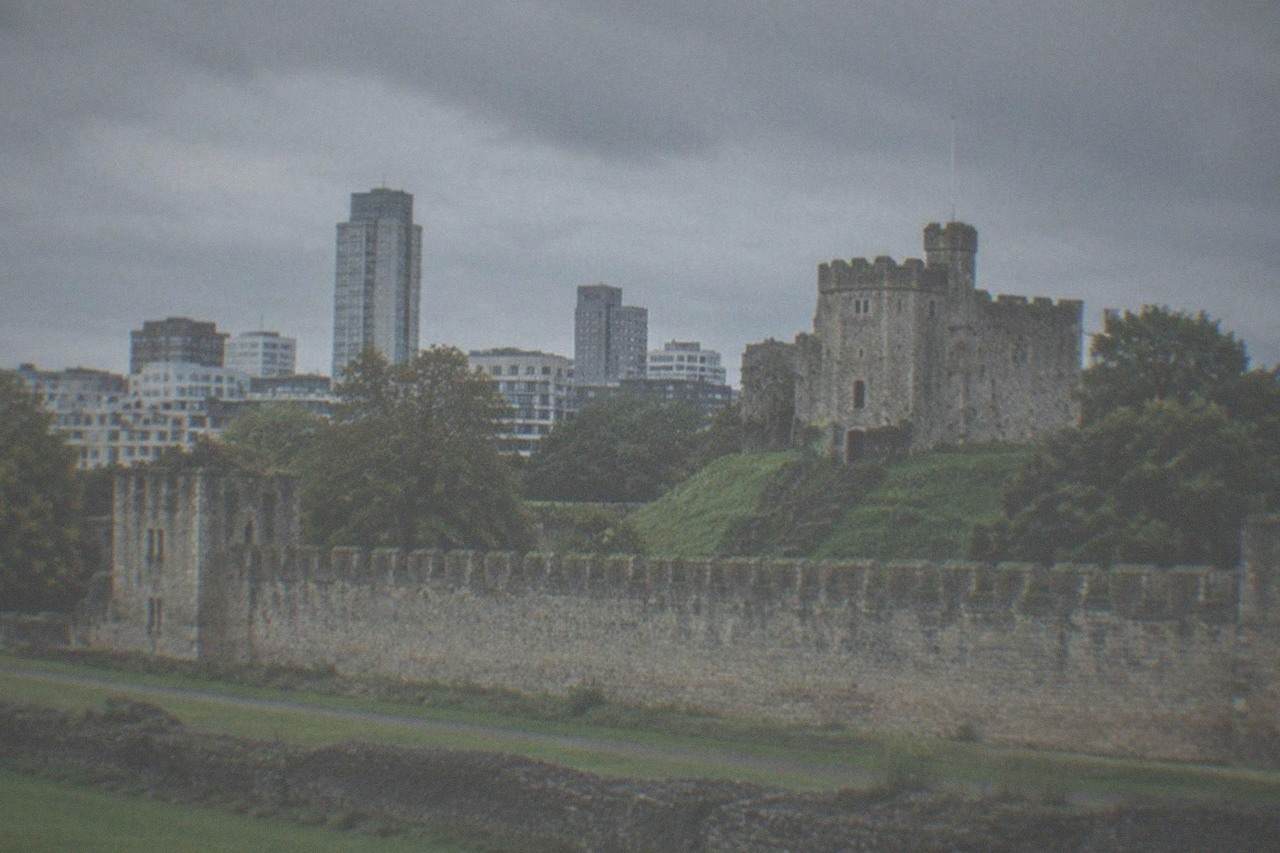
The honest answer depends on what the trip is for. Cardiff is a city-break destination in its own right, with a population of 383,919 and the attractions to match: Cardiff Castle charges £16 for a standard adult ticket, while the National Museum Cardiff and St Fagans National Museum of History cost nothing to enter, a generosity few capitals extend. St Fagans alone drew 570,207 visitors in 2025, making it the most visited attraction in Wales for the third consecutive year.
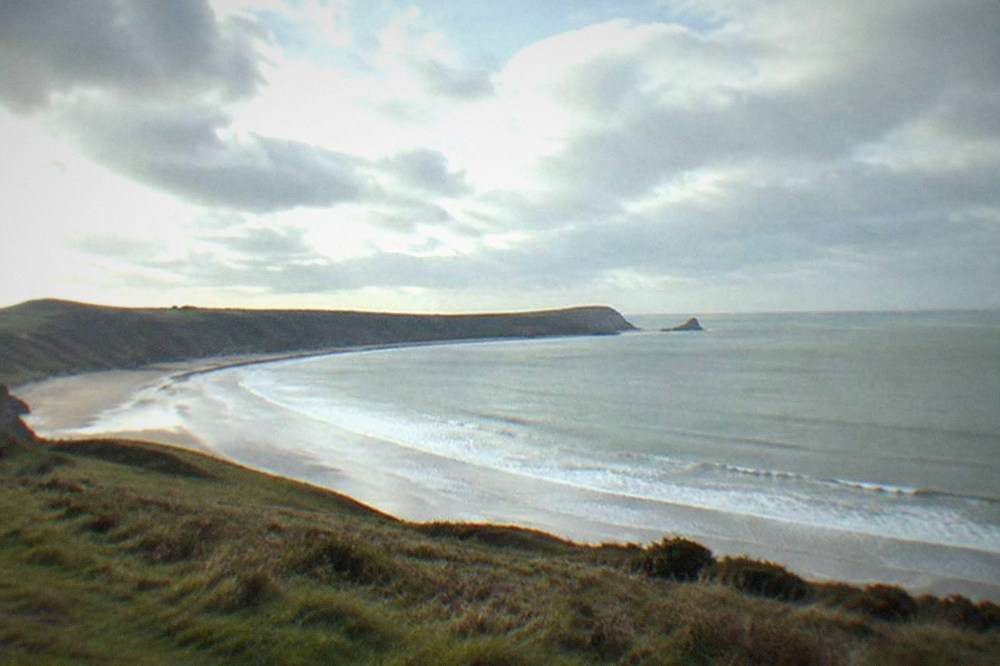
Swansea, by contrast, is quieter as a sightseeing city. Its trump card is geography. The Gower Peninsula, with Rhossili Bay and the fishing-village charm of Mumbles, lies immediately to its west, and the city functions best as a launchpad for that coast rather than as the destination itself.
How Do The Two Cities Compare On Cost?
Swansea is clearly cheaper to sleep and eat in. Recent comparison data puts average monthly rent at £833 in Swansea against £1,157 in Cardiff, and average house prices at £197,000 versus £205,383, a gap that filters through into hotel and restaurant pricing. Cardiff compensates with free entry to its two national museums, which softens the daily sightseeing budget considerably.
That rent gap of £324 per month is the single most useful number for travellers, because hotel rates in a city broadly track local property costs. A mid-range room in Swansea typically costs less than its Cardiff equivalent, and the same tends to hold for casual dinners and pints. Budget estimates for Cardiff place average daily spending at £82 per person, and Swansea generally sits below that.
The offset is what you get for free. In Cardiff, the National Museum Cardiff and St Fagans cost nothing, the Senedd is free to visit, and the Cardiff Bay Barrage is an open public walking and cycling route with no admission fee. Swansea's flagship paid sights, such as Oystermouth Castle in Mumbles at £6 for an adult, are cheap, but the free list is shorter.
| Cost factor | Cardiff | Swansea |
|---|---|---|
| Average monthly rent | £1,157 | £833 |
| Average house price | £205,383 | £197,000 |
| Flagship castle adult ticket | £16 (Cardiff Castle) | £6 (Oystermouth Castle) |
| National museums | Free entry (two sites) | Fewer equivalents |
| Typical daily budget feel | Higher, offset by free museums | Lower across the board |
Which City Has More To See?
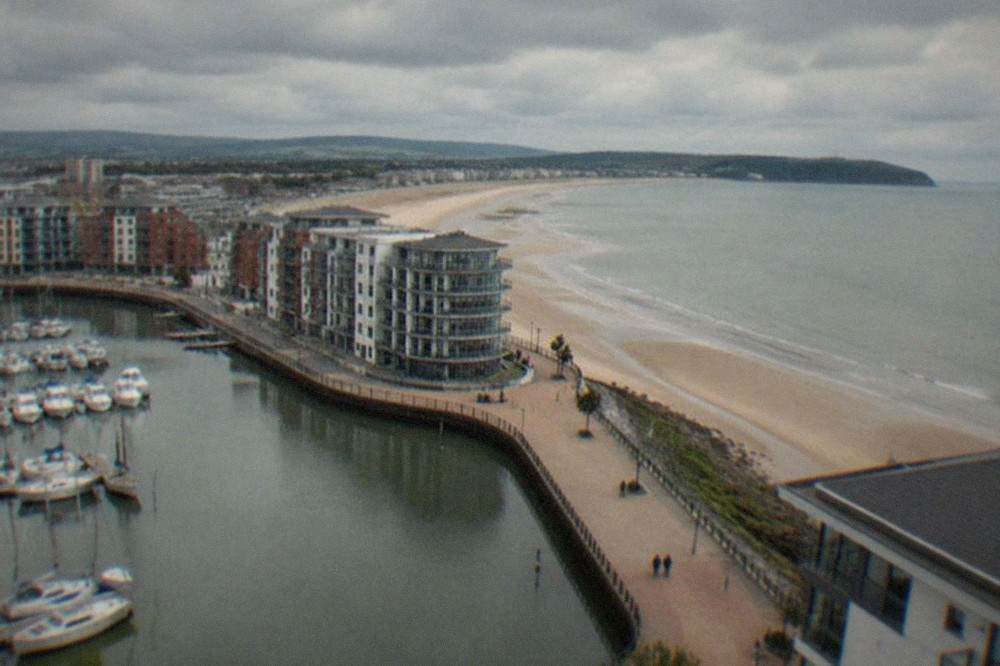
Cardiff wins on density of sights. Within a compact centre it stacks up Cardiff Castle, the Principality Stadium, the Victorian arcades, the Wales Millennium Centre and Cardiff Bay, all reachable on foot or a short hop. Swansea spreads thinner, though its maritime quarter and the nearby Mumbles pier repay a slower, seaside pace.
Cardiff's centre is genuinely walkable, with the castle about eight minutes from Cardiff Central station, and the city recorded 18.69 million visitors in 2025, up 4.4 per cent year on year. The stadium tour costs £19.50 online for an adult, and the castle's 2,000-year span from Roman fort to Victorian interiors gives the city a depth Swansea cannot match. For a fuller breakdown of the two cities' rivalry, the Cardiff versus Swansea guide covers the comparison in detail.
Swansea's appeal is different in kind. It is a working city with a long maritime history and a wide sweep of bay, and its real sights sit outside the centre: the Mumbles headland, the Gower's limestone cliffs and the big sandy beaches beyond. If your days will be spent on Rhossili Bay, where National Trust parking runs £4 for up to two hours or £8 for longer stays, being based in Swansea saves you a daily drive. The wider set of guides lives on Cardiff Travel Guide.
| Sightseeing factor | Cardiff | Swansea |
|---|---|---|
| Core sights within walking distance | Castle, stadium, arcades, museum, Bay | Maritime quarter, waterfront, bay sweep |
| Visitor volume (2025) | 18.69 million, up 4.4% | Smaller, less tourist-heavy |
| Standout nearby coast | Penarth, 15 minutes away | Gower and Rhossili Bay, on the doorstep |
| Principality Stadium tour (adult, online) | £19.50 | No equivalent venue |
| Best suited to | First-time city-break visitors | Coast-focused, slower-paced trips |
Can You Day Trip Between Them Easily?
Yes, easily. Cardiff and Swansea are linked by frequent direct trains along the South Wales main line, so you can base in one and visit the other, or take a guided day tour that covers the Swansea coast and Gower from Cardiff in around eight hours.
That connectivity is why the either/or question matters less than it first appears. A traveller staying in Cardiff can reach Swansea and the Gower without a car, and the Cardiff/Swansea Gower Peninsula's Cliffs & Mumbles Day Tour, rated 4.9 across 266 reviews over 8 hours, does exactly that, pairing the peninsula's cliffs with time in Mumbles before returning to the capital. It suits visitors who want the coast without changing hotels.
In the other direction, a Swansea base pairs naturally with Cardiff for a day. The castle, the arcades and the free museums fill a day comfortably, and the one day in Cardiff itinerary sequences them sensibly. If you would rather sleep in the capital and sample the coast, the Swansea and Mumbles day trip guide covers the route from Cardiff.
What About Food And Nights Out?
Cardiff has the stronger and broader food scene, from its first Michelin-starred restaurant in Pontcanna to a dense spread of independent places in Canton and the city centre. Swansea holds its own on seafood and waterfront dining, and Mumbles adds a seaside strip of cafés and ice cream that Cardiff cannot replicate.
In Cardiff, the Pontcanna and Canton neighbourhoods carry the independent weight, and the city's Michelin-starred Gorse sits at the top of a surprisingly deep dining list. The Victorian arcades shelter smaller cafés and coffee spots, and Cardiff Market has hosted traders in the city centre for generations, though a major restoration programme beginning in late 2026 will run for around twelve months with traders staying open throughout.
Swansea's eating identity is tied to the sea. The waterfront and the Mumbles strip do relaxed, family-friendly meals well, and the city is a comfortable place to eat without the capital's price tags. For a first stay, the best area to stay in Cardiff is worth reading alongside this comparison, since where you sleep within either city matters as much as which city you choose.
Common Questions About Cardiff Or Swansea
Is it better to stay in Cardiff or Swansea?
Cardiff is the better base for a city break, with more sights, free national museums and stronger transport links. Swansea is better if the Gower coast is your real destination, since it puts beaches like Rhossili Bay nearby at lower nightly cost.
Is Swansea cheaper than Cardiff?
Yes. Average monthly rent runs £833 in Swansea against £1,157 in Cardiff, and average house prices are £197,000 versus £205,383, a gap that carries through to hotels and restaurants.
Can you visit the Gower from Cardiff?
Yes. Direct trains link the two cities, and guided day tours from Cardiff cover the Gower Peninsula and Mumbles in around eight hours, so a coastal day out does not require a Swansea hotel.
Is Cardiff walkable for visitors?
Very. The castle sits about eight minutes from Cardiff Central station, and the arcades, museum and stadium are all within an easy walk of the centre.
Which city has better food?
Cardiff, on breadth and depth. It has the region's Michelin-starred restaurant plus dense independent scenes in Pontcanna and Canton, while Swansea is stronger on waterfront and seaside dining.