Cardiff Airport To City Centre: Every Way To Make The Journey
Cardiff Airport sits 12 to 15 miles west of the city, and the run into the centre takes 20 to 30 minutes by road. Here is how the bus, the rail link via Rhoose, taxis and hire cars compare, and which one makes sense for which kind of trip.
Short answer
Cardiff Airport is 12 to 15 miles from the city centre, a 20 to 30 minute drive. The official T9 bus runs direct to the centre, the train via Rhoose Cardiff International Airport station connects at Cardiff Central, and taxis or pre-booked transfers cost the most but door to door. Most solo travellers and couples do best on the bus or train.
Landing at Cardiff Airport puts you close to one of Britain's most compact capital cities, but the airport itself sits in the Vale of Glamorgan, well outside the built-up centre. The distance is modest, 12 to 15 miles depending on your exact destination, and a drive without traffic clears it in 20 to 30 minutes. The question is not whether the journey is hard, it is which of four quite different ways of making it suits your budget, your luggage and your schedule. This guide walks through all of them, with the honest numbers, the trade-offs and a few things the airport's own signage does not tell you.
The airport has had a strong run recently. It welcomed over one million passengers in the twelve months to June 2026 and was named the UK's second-fastest-growing airport by the Civil Aviation Authority, with passenger numbers up 24 percent in the first quarter of 2026 against the previous year. More flights mean more people facing this exact decision, so it is worth getting right before you land.
How Far Is Cardiff Airport From The City Centre?
Cardiff Airport sits 12 to 15 miles west of the city centre, and the drive takes 20 to 30 minutes in normal traffic on the roads into Cardiff Bay or the central streets. There is no rail station at the terminal itself; the nearest station, Rhoose Cardiff International Airport, is a short shuttle or taxi hop away and connects to Cardiff Central in around half an hour on the Vale of Glamorgan line.
Those bare numbers hide some texture. The main link road into the city is largely free-flowing and scenic in parts, running along the coast of the Bristol Channel with views across to Somerset on a clear day, but it feeds into Cardiff's inner road network, which slows around match days at Principality Stadium and the evening rush. If Wales are playing at home, or a major concert is on at the stadium, allow double the driving time into the centre.
The other thing worth knowing is that the airport's position actually helps for some day trips. It sits on the coastal side of the city, which means Penarth, Barry Island and the heritage coast of the Vale of Glamorgan are all closer to the terminal than central Cardiff is. Travellers with a late flight out sometimes spend their final morning on the coast rather than in the city, then drive twenty minutes to the airport. For more on that coastline, see our guide to the beaches within reach of Cardiff.
For context on the airport itself, including what to expect inside the terminal and where it flies to, read our full Cardiff Airport guide.
What Are Your Transport Options From The Airport?
There are four realistic ways to make the journey: the official T9 airport bus direct to the city centre, the train via Rhoose Cardiff International Airport station with a shuttle connection, a taxi or pre-booked private transfer, or a hire car picked up at the terminal. The bus is the cheapest and simplest for most visitors, while taxis or transfers win on convenience late at night or with heavy luggage.
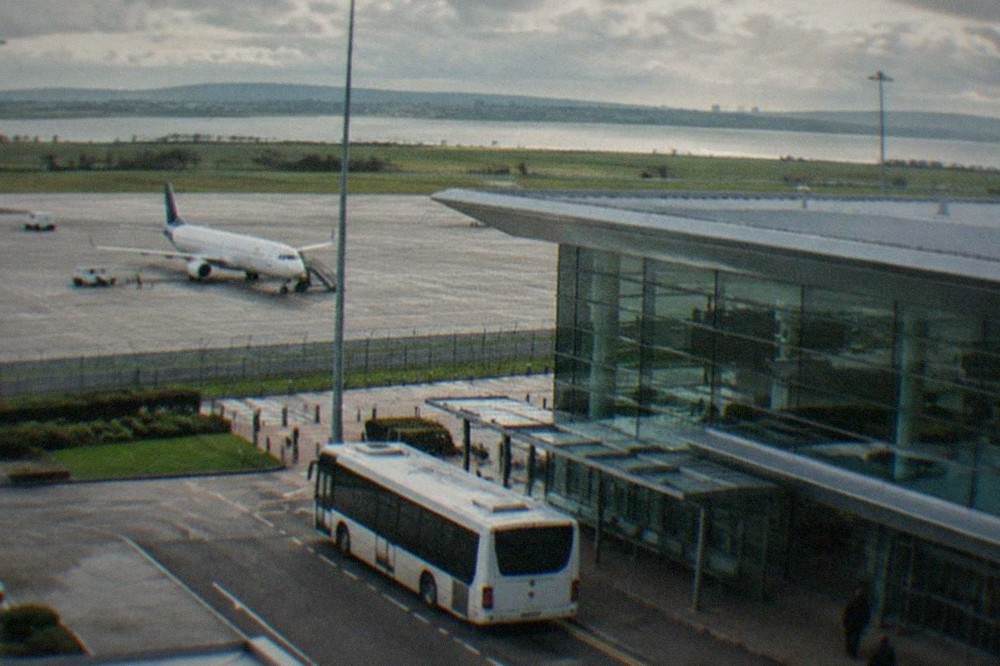
The table below sets out the headline comparison. Fares for the local bus and train vary and are published on the operators' own pages, so treat the figures as planning ranges and confirm at booking time rather than as fixed prices.
| Option | Approximate journey time | Ballpark cost per adult | Best for |
|---|---|---|---|
| T9 airport bus | 30-45 minutes to the centre | Lowest of the four; check the operator's live fare page | Solo travellers, couples, tight budgets |
| Local bus (304 route) | 1 hour 20 to 1 hour 30 | £4 in recent timetables; confirm at booking | Very tight budgets, travellers with time |
| Train via Rhoose | Shuttle plus 30 minutes by rail | Varies by date and time; check live fares | Rail users, onward travel beyond Cardiff |
| Taxi or private transfer | 20-30 minutes door to door | The most expensive, priced per vehicle | Late arrivals, families, heavy luggage |
| Hire car | 20-30 minutes driving | Daily rate plus fuel and city parking | Coastal exploring, multi-stop trips |
One structural point that surprises first-time visitors: because the airport is small, none of these options involves the long walks or transfer trains you find at Heathrow or Gatwick. The bus stop, the taxi rank and the hire car desks are all within a couple of minutes of the arrivals door. The trade-off is frequency. This is a regional airport, so services are timed around flight banks rather than running constantly through the night, and it is worth checking the last departure of the day against your landing time before you travel.
If you are still shaping the rest of your trip after sorting the transfer, these guided options are a good starting point.
Is The T9 Bus The Best Value Way Into Cardiff?
The T9 is the airport's official direct bus service into central Cardiff, and for most visitors it is the sensible default: it runs from the terminal to the city centre without changes, it is the cheapest realistic door-to-centre option, and the journey is short enough that the comfort trade-off barely matters. Fares are published on the operator's own pages rather than quoted here, because they change with ticket type and how you pay.
The T9 exists specifically to serve the airport, which matters in practice. General local buses in the Vale of Glamorgan can reach the city eventually, but they wander through Barry and the western suburbs and can take well over an hour. The T9 is the express product, aimed at people with suitcases and a plane to catch or a hotel to reach.
The practical advice is straightforward. Check the timetable against your arrival before you fly, especially for evening or Sunday landings, because a regional airport's bus schedule thins out outside peak banks. If your flight lands late and the last T9 has gone, the calculus changes completely and a taxi starts looking reasonable rather than indulgent. Current timetable and fare details are on the airport's own travel pages, which are the authoritative source.
There is also a slower local alternative on the 304 route, run by First South and West Wales, which connects the airport with central Cardiff in roughly an hour and twenty to an hour and a half. Recent timetables show adult fares £4, though this figure should be confirmed at booking because it comes from timetable data rather than a directly verified fare page. It suits travellers with time to spare and a very tight budget, and it drops you in the city centre at Customhouse Street, a short walk from the central hotels.
Once the bus has delivered you into the centre, the city opens up on foot. Cardiff is genuinely walkable, with the castle roughly eight minutes from Cardiff Central station, and a two-hour guided walk is an efficient way to get oriented on day one. The Cardiff City Highlights walking tour, rated 4.8 across 127 reviews, covers the main central sights in a single loop, and you can Check availability for your first afternoon.
Should You Take The Train Via Rhoose Instead?
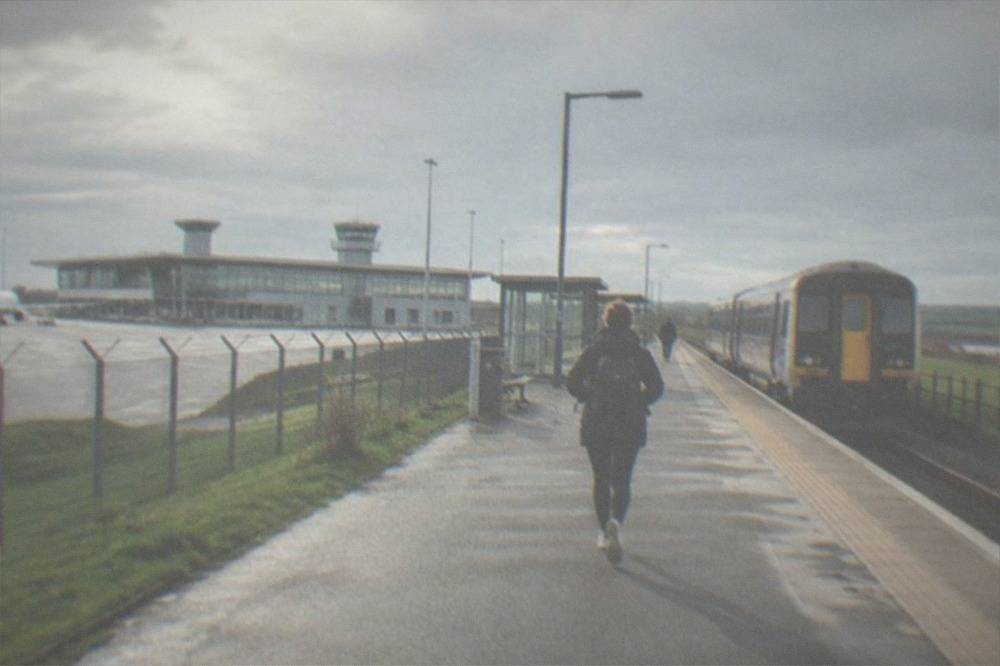
The train is a two-step journey: a shuttle or short taxi ride from the terminal to Rhoose Cardiff International Airport station, then a rail connection on the Vale of Glamorgan line into Cardiff Central, typically 30 minutes on the train itself. It is the right choice for rail pass holders, anyone heading onward from Cardiff Central, and travellers who simply prefer trains, but it is not faster than the direct bus and involves a transfer with luggage.
The shuttle link between terminal and station is the piece of the journey people underestimate. It is short, but it adds waiting time, and with a family's worth of suitcases the seamless-seeming rail option can become a shuffle. Against that, Cardiff Central is a genuinely useful place to arrive: it sits at the western edge of the centre, within walking distance of the castle quarter, and it connects to the wider Welsh rail network for onward trips.
Fares on Transport for Wales services vary by destination, date and time of booking, so check live fares at the point of booking rather than relying on any fixed figure quoted in a travel article. The operator's own fares and ticketing pages are the place to do that. As a general rule, advance singles booked early are cheaper than turn-up fares, exactly as on the wider UK network.
One planning note: Cardiff Central itself is mid-way through a major, station-open redevelopment, so the arrival experience is more construction-hoarding than grand concourse at present. The works are scheduled with the majority targeted for completion by 2028-2029. None of it affects the airport decision, but it explains why the station approach looks like a building site. Our Cardiff Central Station guide covers what to expect.
If you arrive by rail and want to compress the sightseeing into your first day rather than spending it planning, a full-day guided tour does the heavy lifting.
How Much Does A Taxi Or Private Transfer Cost?
Taxis and pre-booked private transfers are the fastest and most expensive way to reach the centre, priced per vehicle rather than per person, with the drive taking 20 to 30 minutes depending on traffic. They make sense for late-night arrivals, families or groups where the per-person cost divides down, and travellers with heavy luggage; for a solo traveller on a daytime flight, the bus is usually the better call.
The rank sits directly outside arrivals, and because this is a small airport there is rarely a long queue. The pricing logic is the same as anywhere: a metered or fixed fare into the centre will be a multiple of the bus fare, but you are paying for door-to-door service and a departure the moment you have your bags.
The group arithmetic is what changes the decision. A party of four splitting a transfer can find the per-person gap versus the bus small enough to be worth it, particularly at 11pm with a 6am start the next day. Solo travellers almost never reach that threshold. Families with car seats should pre-book rather than rely on the rank, since a guaranteed child seat is a booking conversation, not a kerbside assumption.
Pre-booked private transfers also remove the payment friction: the price is agreed in advance, the driver meets you in arrivals, and there is no meter anxiety in unfamiliar territory. For travellers who value that certainty after a delayed flight, it is money well spent. For everyone else, the advice is to price the transfer, look at the T9 timetable, and be honest about how much the twenty extra minutes on the bus actually costs you.
The table below summarises how the decision typically falls for different traveller types.
| Traveller type | Recommended option | Why |
|---|---|---|
| Solo traveller, daytime arrival | T9 bus | Cheapest direct route, no transfer needed |
| Couple, light luggage | T9 bus or train via Rhoose | Both cheap; pick by timetable fit |
| Family with children | Pre-booked transfer | Guaranteed child seats, door to door |
| Group of four or more | Shared transfer or taxi | Per-person cost divides down |
| Late-night arrival | Taxi or pre-booked transfer | Last bus may already have departed |
| Rail pass holder | Train via Rhoose | Pass covers the rail leg |
| Onward travel beyond Cardiff | Train via Rhoose | Cardiff Central connects the network |
Is Hiring A Car At Cardiff Airport Worth It?
A hire car is the right choice only if Cardiff is one stop on a wider Welsh road trip, because the city centre itself is walkable and parking there costs money and effort. If your plan includes the Gower Peninsula, Bannau Brycheiniog, still widely known as the Brecon Beacons, or the Pembrokeshire coast, picking the car up at the airport saves a city-centre collection and puts you on the road west within half an hour of landing.
The geography works in the driver's favour here. The airport sits on the coastal, western side of the region, which means a car collected at the terminal can head straight for the Vale of Glamorgan heritage coast or join the main roads towards the city without threading central streets first. Daily hire rates in Cardiff vary by month and company, with February typically the cheapest period, so it pays to compare across providers and book early for summer.
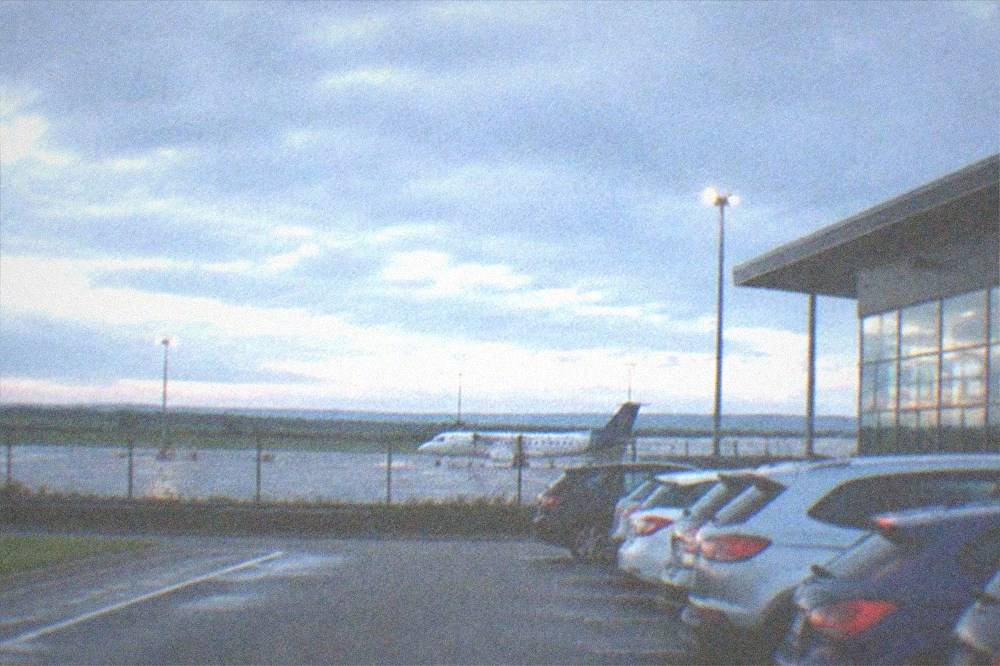
The counter-argument is strong if you are staying in the city. Cardiff's centre is compact, walking is the primary way residents get around, and the council's car parks charge by the hour, with city-centre rates starting £2 per hour and rising steeply at premium sites. Our parking in Cardiff guide has the detail, and our getting around Cardiff guide covers the bus and rail network you would use instead of a car.
A sensible middle path used by many visitors: take the T9 or a transfer into the city, enjoy Cardiff car-free for a day or two, then collect a car from a city-centre location only for the coastal or mountain leg of the trip. That sequencing keeps the cheap transfer and still gets you the wheels where they earn their keep. For inspiration on where those wheels might take you, our South Wales road trip itinerary sketches a route that starts in Cardiff and loops through the national park and the Gower.
The comparison below shows how the hire-car decision interacts with the rest of a Welsh trip.
| Trip type | Car needed? | Suggested transfer on arrival |
|---|---|---|
| City break, 1-3 days in Cardiff | No | T9 bus |
| Cardiff plus Cardiff Bay only | No | T9 bus or train via Rhoose |
| Cardiff plus one coastal day trip | Optional | T9 bus, collect car later |
| Multi-day South Wales road trip | Yes | Hire car at the airport |
| Cardiff then London by train | No | Train via Rhoose to Cardiff Central |
What Is The Airport Itself Like On Arrival?
Cardiff Airport is small, calm and quick to pass through, and it was named one of the UK's best airports in the latest Which? survey, scoring 77 percent and ranking fifth out of 27 assessed airports. It also retained a "Very Good" accessibility rating from the Civil Aviation Authority for 2025/26, which matters if you are travelling with reduced mobility and want reassurance about the arrival experience.
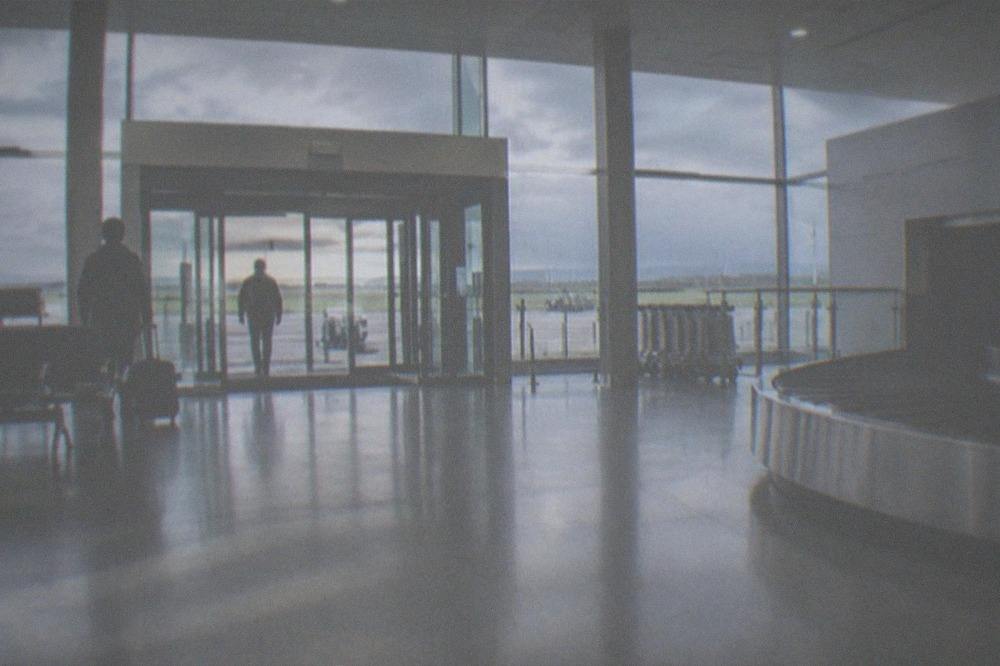
Small translates directly into time saved. From stepping off the aircraft to standing at the bus stop or taxi rank, the walk is measured in minutes, not the half-hour marathons of larger hubs. Baggage reclaim is compact, and the arrivals hall funnels you straight outside to all four transport options clustered within sight of each other.
One cost to factor in if someone is collecting you by car: the terminal's drop-off and pick-up zone charges apply from 1 July 2026 at a starting rate of £4.50. Anyone meeting you should check the current charging structure on the airport's site before setting off, because the free alternatives involve short-stay or off-terminal parking with a walk.
The growth has consequences for your planning. More routes mean more flight banks, which in turn supports more frequent bus departures timed to arrivals, but it also means busier peak periods at the small terminal. Arriving mid-afternoon on a summer Saturday now feels different from the near-empty airport of a few years ago, so build a little slack into any tight onward connection.
Which Option Should You Actually Choose?
For most visitors the T9 bus is the right answer: it is direct, cheap and timed to flights. Choose the train via Rhoose if you hold a rail pass or are continuing beyond Cardiff, a taxi or transfer if you land late or carry serious luggage, and a hire car only if the city is a base for a wider Welsh tour. Families of four or more should price a transfer per person before assuming the bus wins.
The decision rarely takes longer than the baggage reclaim wait. If your flight lands between 6am and 10pm, the bus will almost certainly be running and will cost the least. If it lands outside those hours, check the last departure first and let that decide between a taxi and an unexpected airport hotel night.
It is also worth saying what this journey is not. It is not a Heathrow-style ordeal requiring advance strategy, seat reservations and contingency planning. It is a 20 to 45 minute hop on a quiet coastal road, and every one of the four options will get you into the centre comfortably. The choice is about cost and convenience, not about avoiding a bad one.
Once you are in, the city rewards not planning too hard. Cardiff Castle's adult admission is £16, the National Museum Cardiff next to the civic centre is free entry, and both sit within a short walk of the central hotels, so a first afternoon can be improvised on arrival. Our one day in Cardiff itinerary sequences the castle, the arcades and Cardiff Bay for anyone landing with the whole day ahead of them.
For travellers who would rather hand the sequencing to a guide, a full-day tour that pairs the castle with the National Museum does exactly that, and it is a newer listing with only a handful of reviews so far, so read the description carefully and check current pricing on the castle and museum day tour page.
Television fans have a third option worth knowing about: the Doctor Who walking tour, rated 4.8 across 153 reviews, which spends two hours on the filming locations scattered around the centre. Cardiff was the production base for the revived series, and the tour is an easy first-evening activity for anyone arriving with a free afternoon.
Wherever you rest your head, the practical base matters as much as the transfer. Our where to stay in Cardiff guide compares the centre, Cardiff Bay and the leafier neighbourhoods, and pairs naturally with the transfer decisions above, since a Bay hotel changes the value of the bus's stopping pattern. This Cardiff Travel Guide covers the rest of the city in the same plain terms.
Common Questions About Cardiff Airport To City Centre
How far is Cardiff Airport from the city centre?
The airport sits 12 to 15 miles west of central Cardiff, and the drive takes 20 to 30 minutes in normal traffic. Allow longer on stadium event days or during the evening rush.
Is there a direct bus from Cardiff Airport to the city centre?
Yes. The official T9 bus runs direct from the terminal to central Cardiff without changes, and it is the cheapest realistic option for most visitors. Fares and timetables are published on the operator's own pages, so check them against your landing time before you fly.
Can you get a train from Cardiff Airport?
Not from the terminal itself. The nearest station is Rhoose Cardiff International Airport, reached by a shuttle or short taxi ride, with rail connections on the Vale of Glamorgan line into Cardiff Central in 30 minutes. It suits rail pass holders and onward travellers, but it is not faster than the direct bus.
How much is a taxi from Cardiff Airport to the city centre?
Taxis and private transfers are priced per vehicle rather than per person and are the most expensive option, taking 20 to 30 minutes door to door. They make most sense for late arrivals, families or groups where the cost divides down, and for travellers with heavy luggage.
Should I hire a car at Cardiff Airport?
Only if Cardiff is a base for a wider trip. The city centre is walkable and parking costs money, so a car earns its keep for the Gower, Bannau Brycheiniog or Pembrokeshire rather than for the city itself. Many visitors take the bus in and collect a car later for the coastal leg.
What happens if my flight lands late?
Check the last T9 departure of the day against your arrival time before you travel, because a regional airport's services thin out in the late evening. If you have missed the last bus, a taxi or pre-booked transfer is the reliable fallback, which is why late arrivals are advised to pre-book.