Pen Y Fan From Cardiff: Routes, Costs And How To Plan The Climb
Pen y Fan is the highest peak in southern Britain, and it sits close enough to Cardiff for a genuine mountain day without needing a full expedition. Here is how the trip works in practice, from the drive out of the city to the choice of route up.
Short answer
Pen y Fan lies 40-50 miles, or 1 to 1.5 hours by road, north of Cardiff inside Bannau Brycheiniog National Park. The standard route from the Pont ar Daf car park is a short, well-made circular walk. No entry fee applies, but weather and navigation matter even on this short walk.
How Do You Get From Cardiff To Pen Y Fan?
Pen y Fan stands in Bannau Brycheiniog National Park, 40-50 miles north of Cardiff, which works out at 1 to 1.5 hours of driving each way. There is no direct public transport link to the main trailheads, so most visitors either drive, join a guided tour, or take a train to a nearby town and arrange the last leg separately. Parking at the popular trailheads is pay and display.
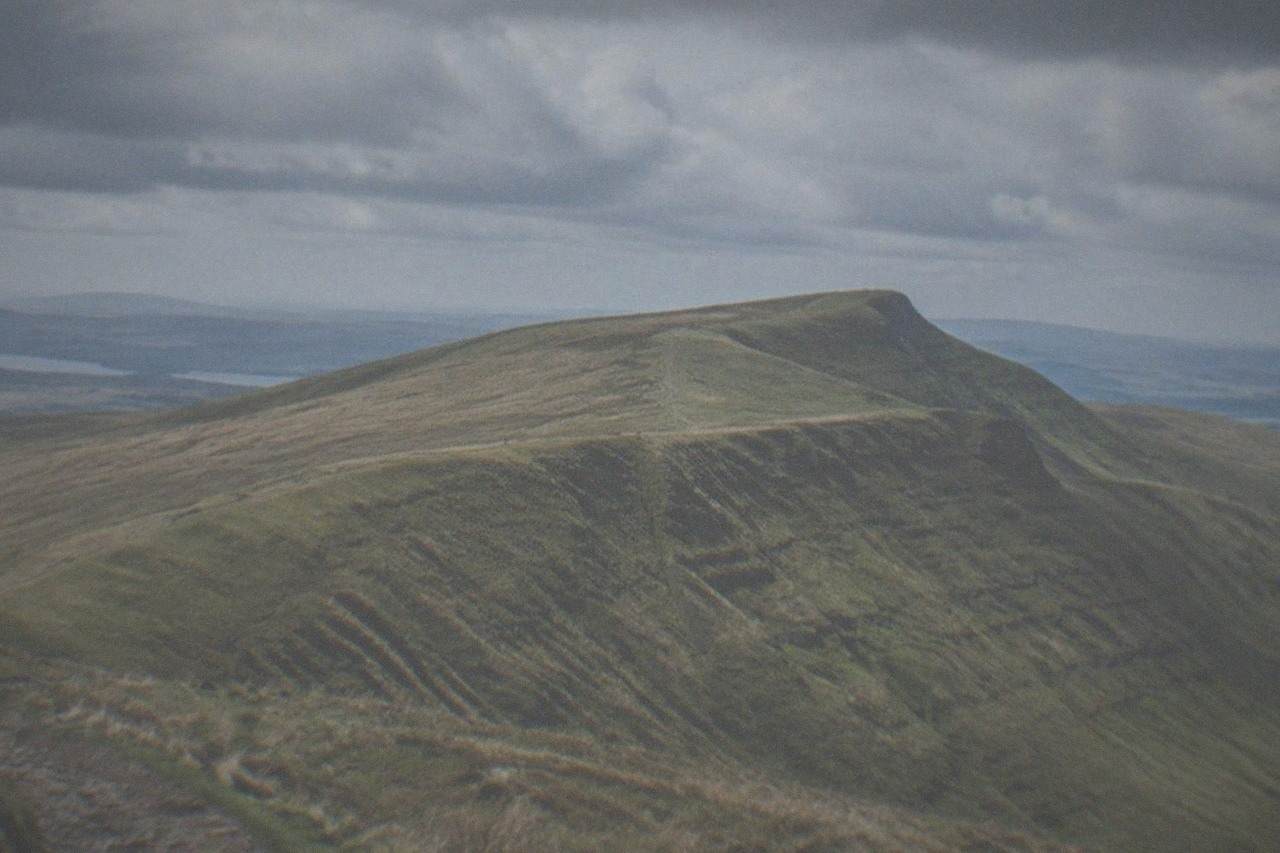
Bannau Brycheiniog, still widely known as the Brecon Beacons, is the closest real mountain range to Cardiff, and Pen y Fan is its famous summit. As the highest point in southern Britain it draws a crowd for exactly that reason: it delivers a genuine mountain experience on a modest time budget, close enough to the capital that you can climb it between breakfast and dinner. The park's own website at bannaubrycheiniog.wales is the place to confirm access details, car park status and any current advisories before you set off.
The drive itself is straightforward. You leave Cardiff on the A470 heading north, pass Merthyr Tydfil, and then follow signs for the Storey Arms area, where the two most popular starting points sit almost side by side on the A470. Traffic is usually light outside peak summer weekends, but the car parks fill early on good-weather Saturdays and bank holidays, and the Central Beacons Mountain Rescue Team has noted rising visitor pressure across the range in recent years. The road climbs steadily after Merthyr, and the change from city streets to open moorland happens quickly, which is part of the appeal: within an hour of leaving Cardiff Central Station behind you are looking at a landscape that feels a world away from Cardiff Bay or the castle quarter.
Public transport is the weak link. Trains from Cardiff Central run toward Merthyr Tydfil and Aberdare, but neither station has a practical bus connection to the trailheads, and taxi coverage in the upper valleys is thin. If you do not have a car, a guided day tour that departs from Cardiff city centre is usually the simpler answer, and several of those are covered further down this page. For a wider look at the whole region, our Bannau Brycheiniog day trip guide covers the broader park, including the market towns, the reservoirs and the canal basin that most summit-focused visitors drive straight past.
| Option from Cardiff | Typical time each way | Notes |
|---|---|---|
| Car via A470 | 1 to 1.5 hours | Most flexible; car parks fill early on good days |
| Guided day tour | Full-day itinerary | Departure from central Cardiff; driving handled |
| Train to Merthyr Tydfil plus taxi | 2 hours plus | No direct bus to trailheads; arrange the last leg in advance |
What Are The Best Routes Up Pen Y Fan?
The classic route is the Pen y Fan circular from the Pont ar Daf car park, a short round trip of 4 miles that usually takes 2 to 3 hours. The alternative from Storey Arms is shorter and steeper. Both follow clear, well-worn paths, and in summer the main route is busy enough that you are rarely out of sight of other walkers.
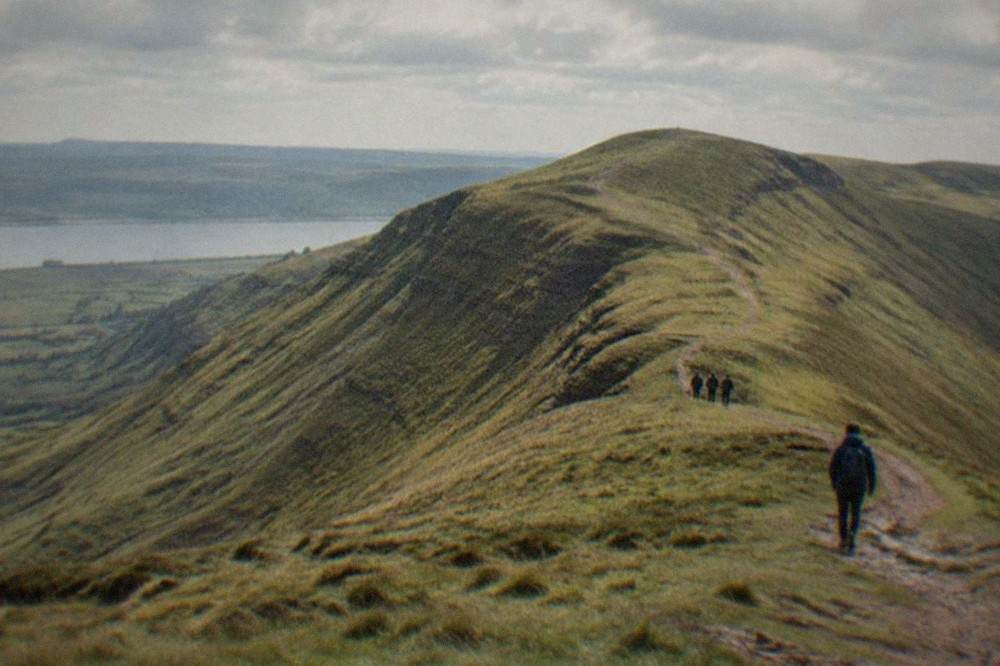
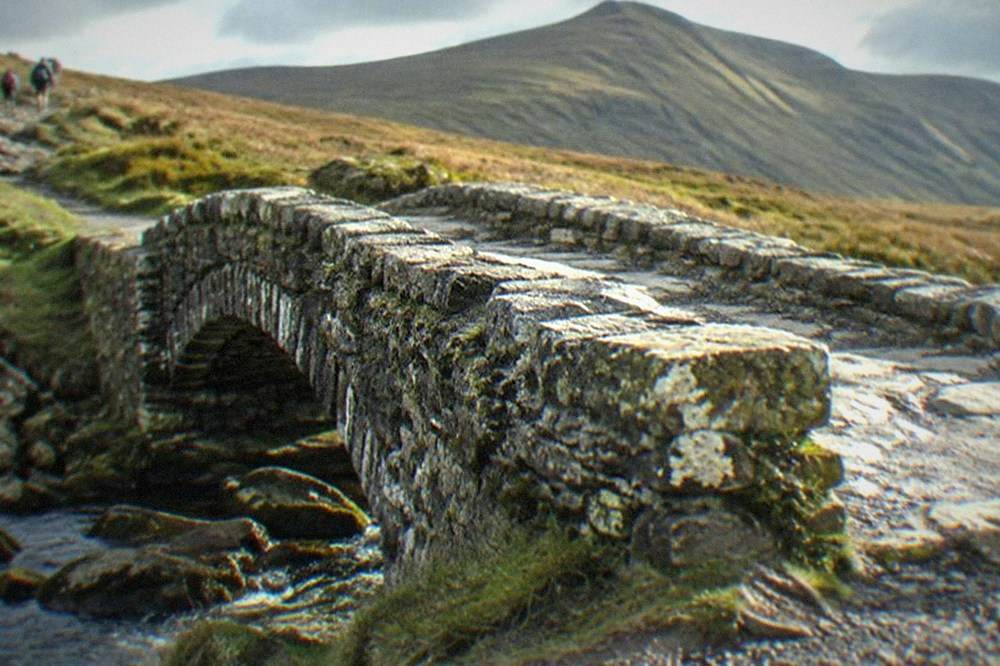
The Pont ar Daf route is the one most people picture when they think of this mountain. You cross the footbridge over the Nant Sere, climb the spur of Corn Du first, then descend slightly before the final pull to the Pen y Fan summit cairn. The path is stone-pitched for most of its length, which makes it far more forgiving than the boggy ground on other lines through the range. The summit ridge is exposed, though, so what feels like a gentle stroll at the car park can become a battering in the wind higher up, and the temperature drop between the valley floor and the top routinely surprises first-time visitors.
The Storey Arms start, a little further north on the A470, attacks the same massif more directly. It is shorter but steeper, and it suits people short on time or wanting to add Corn Du and Pen y Fan together without the full circuit. A third option, the Horseshoe Ridge walk from the Cwm Llia side, is a longer and more serious undertaking for confident walkers, taking in Cribyn as well and demanding more navigation skill, particularly in cloud when the ridges blur into one another.
Honesty matters here: this is a mountain, not a park stroll. The Central Beacons Mountain Rescue Team recorded 182 callouts in 2025, its busiest year in 62 years of operation, and many of those incidents involved people setting out in trainers on a fine morning and meeting cloud, wind and cold near the top. Conditions on the summit can differ sharply from the car park, and the weather turns quickly in this range at any time of year. The team's own advice, repeated across every safety campaign the park runs, is to plan for the summit you will actually meet rather than the one visible from the road.
If you would rather not drive and navigate yourself, two operator-run days from Cardiff cover the mountains and valleys of the same national park. The selection below pairs a guided waterfall hike with a castles-and-mountains tour, both full-day formats.
What Does A Guided Hiking Day From Cardiff Actually Include?
A guided day typically means hotel or central pick-up in Cardiff, transport into the national park, a guided walk with a leader who sets the pace and route, and return to the city in the evening. The waterfall hike runs 9 hours door to door and is rated 5 across 11 reviews. Prices and exact itineraries are on the live listing rather than fixed in print here.
The guided option answers the two problems this trip otherwise has: no car, and no mountain experience. A guide also carries local knowledge that turns the walk from a slog into an interpretive day, pointing out the glacial history of the cwms, the red kite overhead and the place names that map centuries of farming and industry across the valleys. The group format means there is always someone watching the pace of the slowest walker, which matters if your party spans different fitness levels. For the waterfalls itinerary, the day centres on the waterfall country on the park's southern edge rather than the Pen y Fan ridge itself, so read the itinerary carefully if summiting is your specific goal.
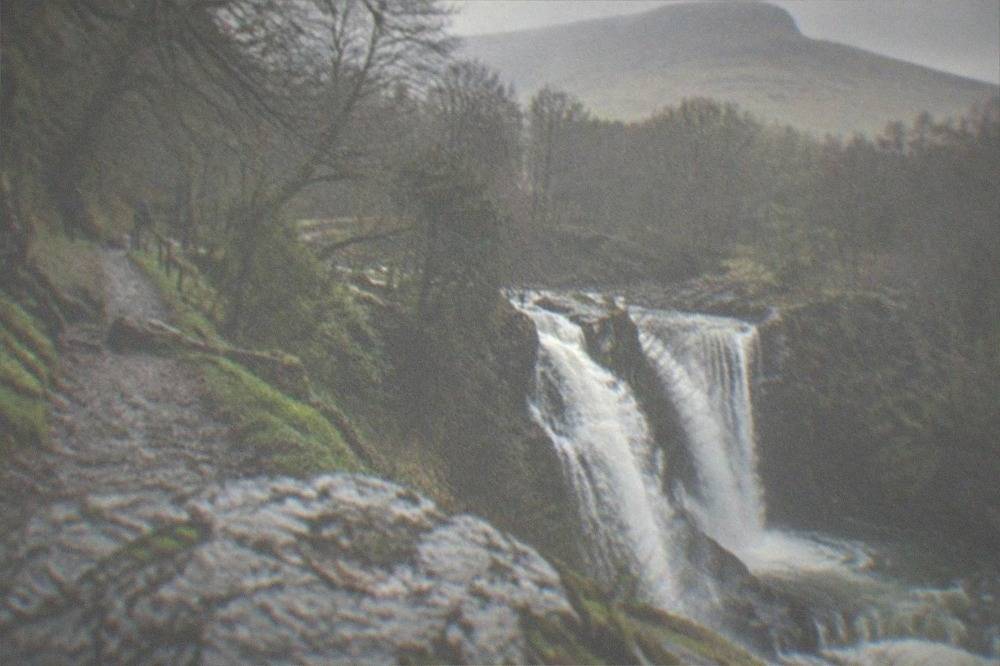
The Four Waterfalls walk, which that guided hike is built around, is one of the best days out in the park in its own right. Parking at the Gwaun Hepste car park costs £6, with limited spaces and portable toilets available, and the circular route from there runs 5.3 miles. Our Four Waterfalls Walk guide covers the route in detail if you would rather do it independently, including the alternative start at Cwm Porth and the seasonal considerations that affect the gorge paths.
How Hard Is The Pen Y Fan Walk Really?
For a reasonably fit adult, the standard Pont ar Daf route is a moderate hill walk rather than a climb: a round trip of 4 miles, 2 to 3 hours, and a path you could do in trainers on a dry summer day. But the mountain earns its respect in bad weather, when the exposed upper ridge can be dangerous, and the steady climb catches out anyone who arrives with no water or warm layer.
The honest answer depends almost entirely on the day. In June, with light winds and clear skies, the main path carries families with children, joggers and people in street shoes, and the summit plateau feels like a busy high street. In November cloud, with rain driving sideways and the temperature well below what the car park showed, the same path demands proper boots, a waterproof and a map. The mountain rescue statistics quoted earlier exist precisely because the gap between those two experiences catches people out, and it catches them out on the busiest, most familiar path in the range, not on some remote ledge. Everything else covered here is indexed on Cardiff Travel Guide.
Fitness-wise, the climb is steady rather than severe. The steepest sections are short, and the stone pitching gives reliable footing in the wet. What undoes people is pacing: the final ascent to the Corn Du col comes after you already feel done, and the false summits play with morale. Walkers with knee trouble should note the descent, on the same pitched path, is where most of the soreness happens, and trekking poles earn their keep on the way down far more than on the way up.
For context on effort levels across the park's classic days out, our walks near Cardiff roundup grades everything from riverside strolls to full ridge circuits, so you can match the walk to the legs you actually have on the day.
When Is The Best Time Of Year To Climb?
Late May to early September gives the longest daylight, the warmest conditions and the best chance of a clear summit, which is when most visitors climb. Winter ascents are possible and strikingly beautiful in snow, but they demand full winter kit, shorter daylight and honest self-assessment. Autumn and spring sit in between, quieter but changeable, so check the forecast the night before and again in the morning.
The Met Office's UK climate averages for the nearest published station to the Cardiff area, viewable at the Met Office climate averages page, show the pattern you would expect: the warmest months around July, the coldest in midwinter, and rainfall distributed across the year with a drier spell in late spring. Mountain weather is harsher than the lowland figures, so treat those averages as a floor, not a ceiling, for what the ridge will feel like when you are actually standing on it.
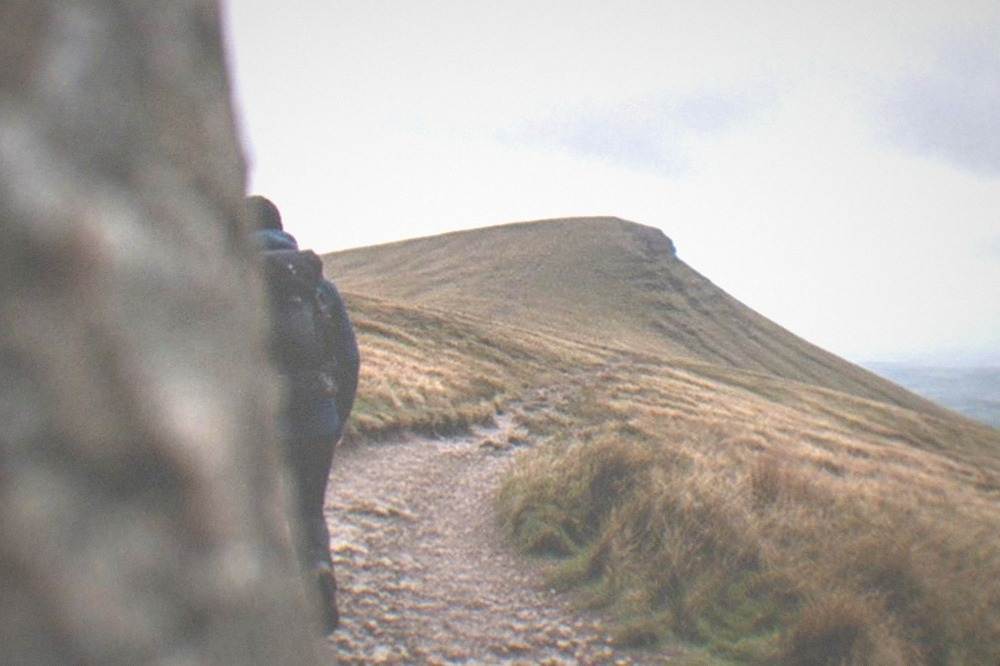
Crowds follow the sunshine. A fine Saturday in July means queues on the final ridge and a car park that is functionally full before mid-morning. If your dates are flexible, a weekday in June or early September gives you the same conditions with a fraction of the people. Winter has a devoted following: Pen y Fan under snow is one of the great short winter walks in Britain, but it is also when the mountain rescue team is busiest, and ice on the pitched path near the top is genuinely treacherous without crampons. Whatever the season, the forecast for the mountain itself, not the city you start from, is the one that counts.
| Season | Conditions | Best for |
|---|---|---|
| Late May to early September | Warmest, longest days, busiest paths | First-timers and families |
| September to October | Cooler, quieter, changeable | Solitude with decent weather odds |
| November to February | Short days, cold, possible snow and ice | Experienced winter walkers only |
| March to May | Warming up, wet ground, lambing restrictions on some paths | Keen walkers who do not mind mud |
What Should You Pack And What Does The Day Cost?
The mountain itself costs nothing: there is no entry fee for Pen y Fan or the national park, and the main expense is the car park, typically a few pounds for the day. Your real budget line is transport. If you drive, budget fuel and parking; if not, a guided tour is the practical route. Kit matters more than money here: boots, waterproofs, warm layer, food, water and a fully charged phone are the non-negotiables.
The kit list is where this trip differs from every other Cardiff day out on this site. The mountain rescue teams' consistent message is that most callouts trace back to being underdressed and underequipped, not to navigational disasters. A packed lunch sounds obvious until you are on the summit ridge in the wind with nothing but a chocolate bar. Water matters too: the climb is short but the ascent is steady, and there is nothing to buy once you leave the car park. A hot flask earns its place outside summer, and a spare layer in the rucksack costs nothing to carry and everything to have left behind.
| Item | Typical cost | Notes |
|---|---|---|
| National park access | Free | No entry fee for the mountain or park |
| Trailhead car park | A few pounds per day | Pay and display; fills early on good days |
| Fuel, Cardiff round trip | 80-100 miles total | Depends on your vehicle |
| Walking kit if buying new | Boots from £60, waterproofs vary | Borrow if you can for a first trip |
| Guided tour from Cardiff | From from $171 per person | Includes transport and guide |
One planning note for the drive back: allow more time than the outward journey suggests. The A470 southbound into Cardiff slows on summer Sunday evenings, and a day that started with a 7am departure can still return you to the city after dark if you add a meal stop. Our best time to visit Cardiff guide helps if you are fitting the climb into a longer stay, and it pairs well with a look at what else the city offers on a rest day before or after the hill.
What Else Can You Combine With Pen Y Fan?
The most natural pairing is the waterfall country on the park's southern edge, which several guided tours from Cardiff combine into a single day. Castell Coch, Caerphilly Castle and the Brecon town itself all sit within easy reach of the mountain roads, so a climbing morning can become a castle afternoon. Ambitious walkers sometimes add the Four Waterfalls walk, but that makes for a long, tiring day.
The waterfall pairing deserves its popularity. The Ystradfellte area, where Sgwd yr Eira and its neighbours tumble into wooded gorges, is under 40 minutes' drive from the Pen y Fan trailheads, and the contrast between the open ridge and the enclosed, spray-damp gorge is one of the best one-two combinations in Wales. A guided option that covers the waterfalls from Cardiff is the South Wales Mountains, Waterfalls and More day tour, rated 4.9 across 255 reviews, with the current price on the live listing.
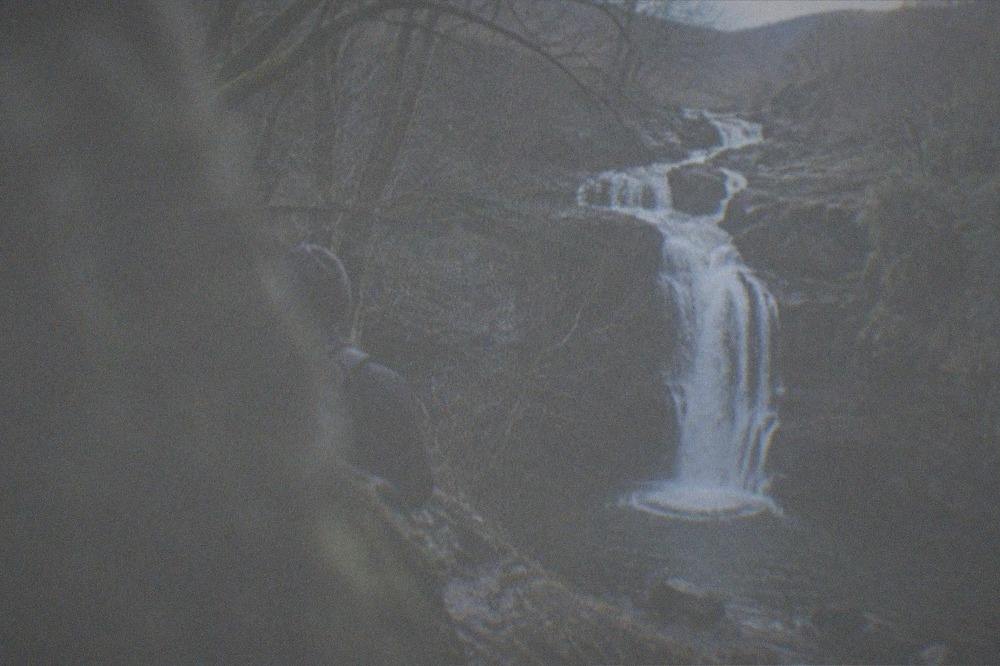
If your interest is less about boots and more about the landscape as scenery, a Wye Valley and Bannau Brycheiniog full-day trip from Cardiff covers the market town of Hay-on-Wye, the Black Mountains and Tintern Abbey's neighbourhood in one loop, rated 4.9 across 169 reviews. It is a different register of day out entirely, and a good fallback when the forecast kills the summit plan.
Closer to Cardiff, the castle circuit works well on a separate day. Castell Coch, the fairytale Gothic revival castle in the woods north of the city, charges £10.40 adult admission with 5% off if you book online, and Caerphilly Castle, the largest in Wales, charges £12.90 with the same online discount and a joint ticket available for both. Both are covered in our castles near Cardiff guide, which also explains the Cadw membership option that waives admission at both sites.
Whichever way you build the day, the essential planning step is the same: check the mountain-specific forecast the night before, not the city forecast, and be willing to change plans. The mountain is not going anywhere, and the best Pen y Fan days are the ones where the weather agreed with you.
Common Questions About Pen Y Fan
How long does it take to walk up Pen y Fan?
The standard circular route from the Pont ar Daf car park takes most walkers 2 to 3 hours, covering a round trip of 4 miles. Allow longer with a group, in poor weather, or if you plan to linger on the summit ridge.
Can you climb Pen y Fan without a guide?
Yes. The main route is a clear, stone-pitched path that is straightforward in good conditions and busy enough that you are rarely alone. A guide adds value if you have no car, no mountain experience, or want the waterfalls and other sights interpreted along the way.
Is Pen y Fan suitable for children?
Many families walk it in summer on the main route, and the path quality makes it one of the more achievable big hills for older children. Younger children may find the final ascent and the exposed ridge tiring or frightening in wind. Turn back if the weather changes; the summit is optional.
What should I wear to climb Pen y Fan?
Proper walking shoes or boots, a waterproof jacket and trousers, and a warm layer even in summer, plus hat and gloves outside the warmest months. Trainers work for some people on dry summer days, but the mountain rescue statistics argue strongly against treating them as adequate.
Do you have to pay to park at Pen y Fan?
Yes, the main trailhead car parks are pay and display, typically a few pounds for the day, and they fill early on good-weather weekends and bank holidays. Arrive before mid-morning in summer or have a backup plan for an alternative start such as Storey Arms.