Four Waterfalls Walk From Cardiff: The Complete Day Trip Guide
The Four Waterfalls Walk is the most popular waterfall trail in Bannau Brycheiniog, and Cardiff is the natural base for it. Here is how the route, the parking, the fees and the guided options actually work.
Short answer
The Four Waterfalls Walk is a 4.5 to 5.3 mile circular trail in the Mellte valley, 40 to 50 miles and 1 to 1.5 hours' drive from Cardiff. Parking at Gwaun Hepste costs £6, at Cwm Porth £5 per day. Two of the waterfalls, including Sgwd yr Eira, can be walked behind.
The Four Waterfalls Walk sits in the Mellte valley at the southern edge of Bannau Brycheiniog, still widely known as the Brecon Beacons, and it has become the single most walked waterfall trail in South Wales. Four named falls drop through a steep wooded gorge carved by the river Mellte and its neighbours, and the classic route links all four in one loop. Cardiff is the obvious base: the national park lies 40 to 50 miles and 1 to 1.5 hours' drive from the city, which puts the trailhead comfortably inside day-trip range.
This guide covers the practicalities: the route and its two main starting points, the parking fees at each, what the trail actually demands of your legs, and the guided tours that run from Cardiff for visitors who would rather not drive. The trail's popularity is also its main problem, so the piece also deals with when to go and how to avoid the worst of the crowds.
What Is The Four Waterfalls Walk?
The Four Waterfalls Walk is a circular waterfall trail in the Mellte valley, Bannau Brycheiniog, linking four named falls, with Sgwd yr Eira the best known of them. The full loop runs 4.5 miles from Cwm Porth or 5.3 miles from Gwaun Hepste, and its signature moment is the path that passes directly behind the curtain of Sgwd yr Eira.
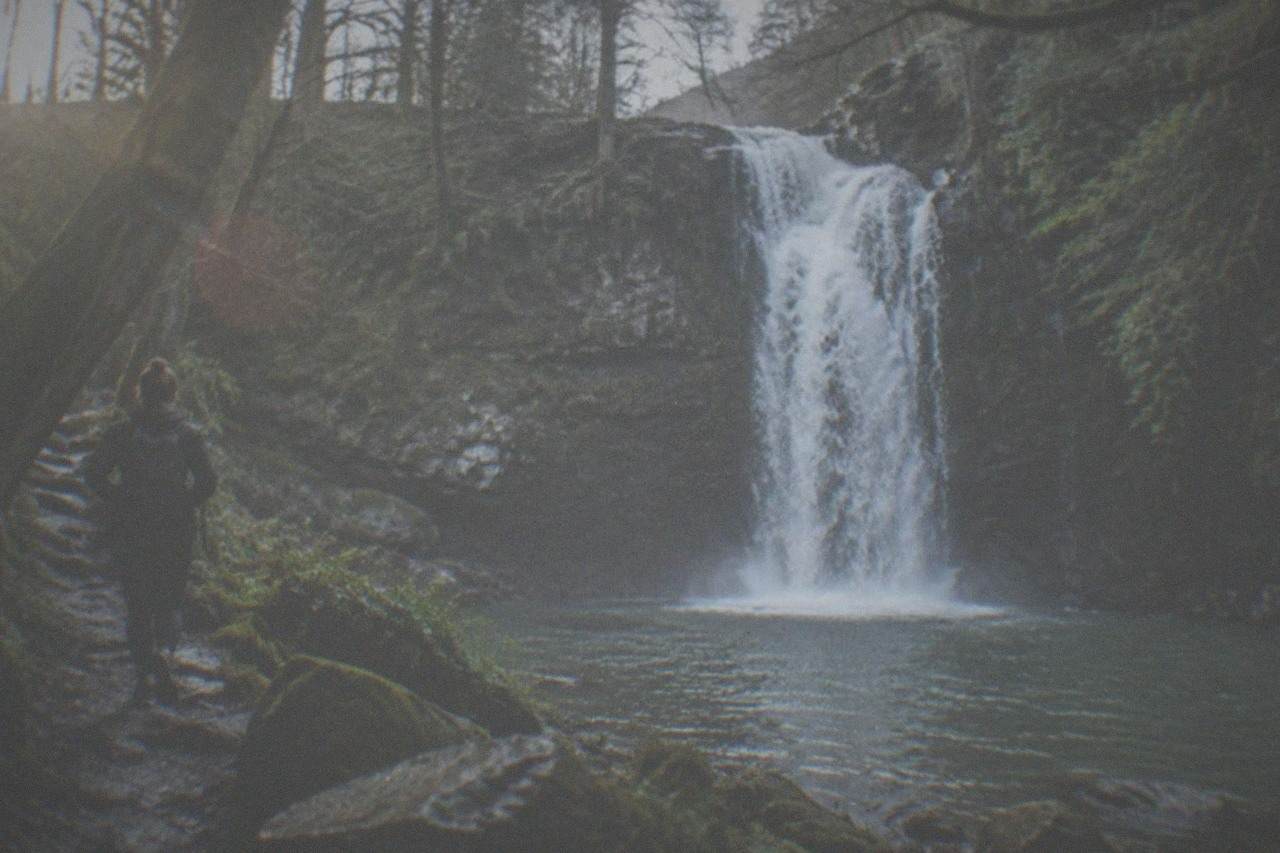
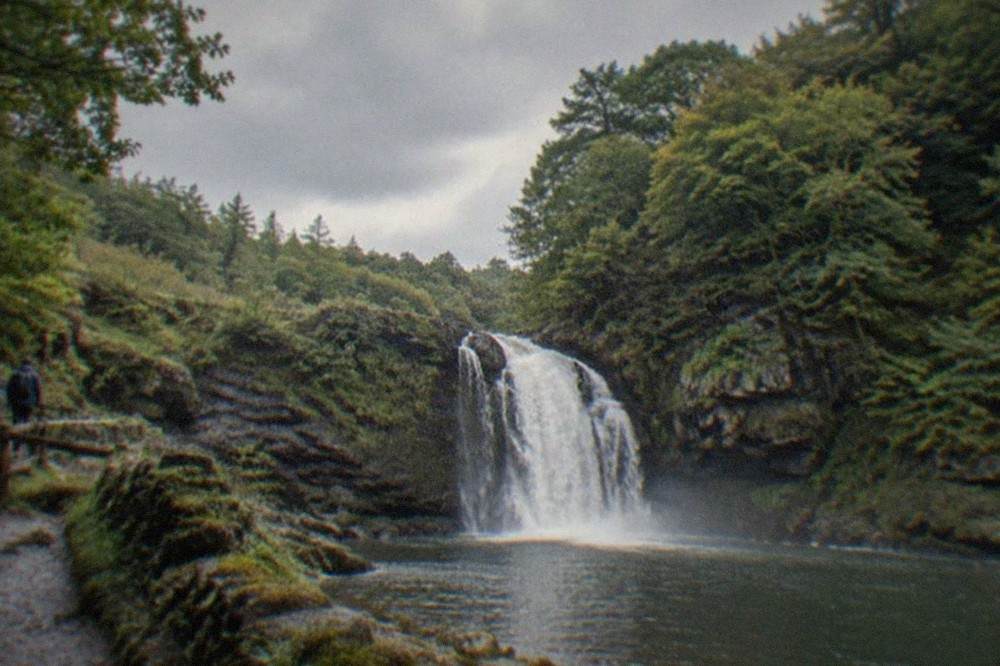
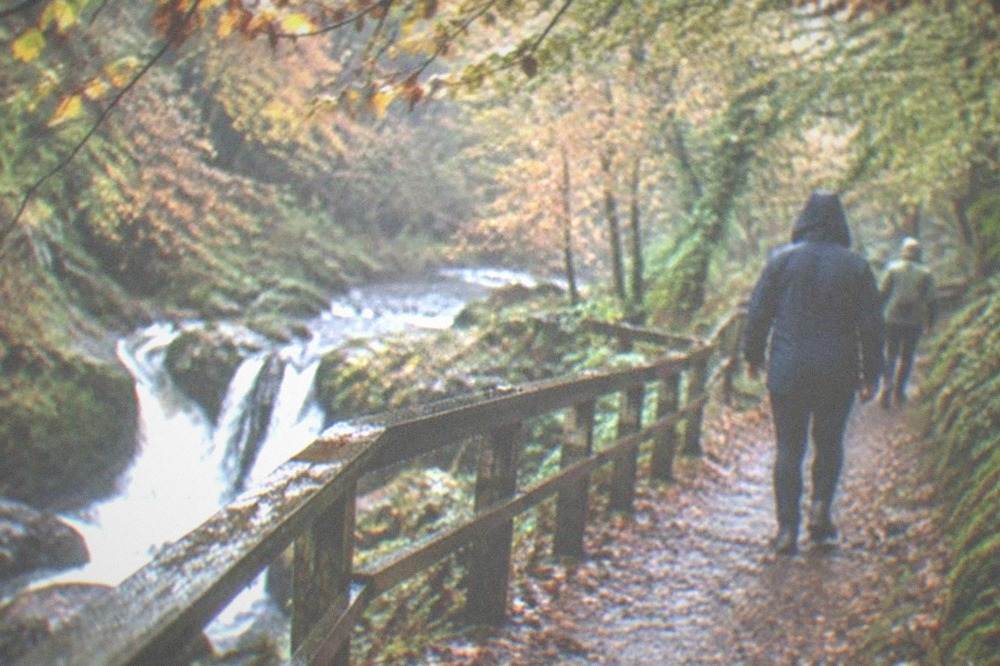
The walk lives in the Waterfall Country area of the national park, where the river Mellte and its neighbouring streams cut down through layered rock and drop over a series of stepped ledges. The falls themselves are short compared with alpine standards, but the setting is what draws people: dense oak woodland, moss-covered rock and plunge pools that look tropical in the right light. Sgwd yr Eira is the star because the ledge at its base is wide enough that the maintained path runs behind the falling water, a feature that has made it one of the most photographed spots in Wales.
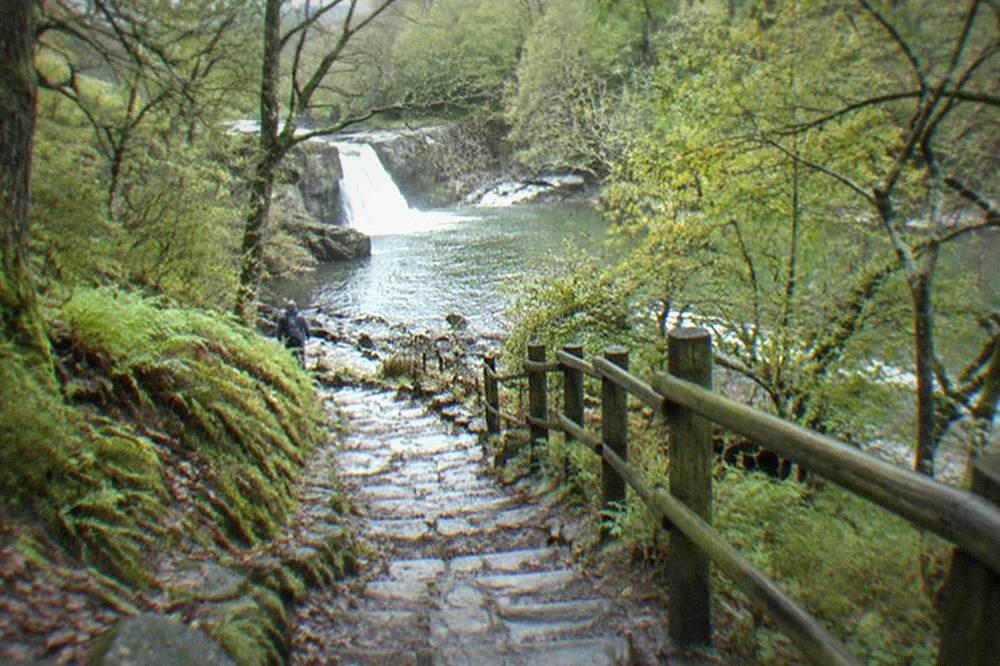
The route is not a single waymarked trail so much as a network of paths that can be combined in several ways. Most walkers do the full four-fall loop, but shorter options exist: you can visit Sgwd yr Eira and back from Cwm Porth, or link two or three falls if the full loop is too much. The paths are a mix of wide forest track along the top of the gorge and narrower, steeper sections with stone steps cut into the hillside where the trail descends to river level.
For context on the wider area, see the guide to Bannau Brycheiniog day trips from Cardiff, which covers the national park's other main draws.
How Hard Is The Four Waterfalls Walk?
The full loop is a moderate walk, not a stroll. Expect 4.5 to 5.3 miles depending on the start point, with steep stepped descents into and climbs out of the gorge, uneven and often wet rock, and mud for much of the year. Most walkers take between three and five hours. Reasonable fitness and proper footwear are needed; it is not a route for trainers on a wet day.
The distance itself is not the challenge. What catches people out is the vertical: each waterfall requires a descent from the plateau into the gorge and a climb back out, so the loop accumulates far more ascent than its modest mileage suggests. The steps down to Sgwd yr Eira are the best-known of these, and they are steep, worn and slippery when damp, which in this woodland they frequently are.
Underfoot conditions vary sharply with the seasons. After rain, which in South Wales is most of the year, the paths turn to mud and the rock around the falls becomes polished and treacherous. In dry summer spells the going is easier but the falls themselves shrink, and the pools lose the drama that makes the walk worthwhile. Spring and early autumn tend to offer the best trade-off between flow and footing.
The trail is doable for older children who are used to walking, but it is not pushchair-friendly and it demands supervision near the water's edge. Dogs are commonly seen on the route and are permitted, but owners should expect to keep them on leads near livestock on the approach tracks and to manage them carefully on the stepped sections.
If you want a sense of how the route compares with the region's other big walking objective, the guide to walking Pen y Fan from Cardiff covers the park's highest peak, a shorter but sterner hill climb.
For visitors who would rather have someone else handle the navigation, the driving and the timings, guided options exist. The selection below pairs the full four-fall hike with two alternative waterfall tours from Cardiff.
How Do You Get To The Waterfalls From Cardiff?
By car, the drive from Cardiff to the Mellte valley trailheads takes 1 to 1.5 hours, covering 40 to 50 miles on the main roads north through Merthyr Tydfil towards Hirwaun. There is no direct public transport to the trailheads, so the realistic options are driving, joining a guided tour with transport included, or combining a train to a nearby town with a taxi for the last leg.
The standard driving route heads north out of Cardiff towards Merthyr Tydfil, then west towards Hirwaun and Glyn-neath, from where minor roads drop south into the valley. The final miles are narrow, hedged and slow, and on busy weekends the approach roads themselves become part of the congestion problem. Setting out from Cardiff before 9am makes a measurable difference to both the drive and the parking.
Public transport is the weak link. The nearest rail stations, at Neath and on the Heads of the Valleys line, are still several miles from any trailhead, and the connecting bus services are infrequent and do not serve the car parks directly. A taxi from Glyn-neath or Pontneddfechan is the usual workaround for walkers arriving by train, but it needs booking ahead and adds cost and complexity each way.
That transport gap is precisely why guided day tours from Cardiff are popular for this walk. They remove the car entirely, and the better ones time arrivals to beat the worst crowding.
The guided hike from Cardiff that covers all four waterfalls runs 9 hours door to door and is rated 5 across 11 reviews, a small but perfect pool so far. Its price is listed on the operator's live listing. For anyone weighing the alternatives, the wider guide to day trips from Cardiff surveys the full range of destinations reachable from the city in a day.
Where Do You Park And What Does It Cost?
The two main trailhead car parks are Gwaun Hepste and Cwm Porth. Gwaun Hepste costs £6 and has limited spaces plus portable toilets; Cwm Porth, postcode CF44 9JF, charges £5 per day and has toilets. Both fill early on weekends and fine-weather bank holidays, often before late morning.
Gwaun Hepste is the start most guides recommend for the classic loop because it drops you straight onto the gorge path network, but its small size means it is the first to overflow. Cwm Porth, a little further south, is the larger option and also home to Porth yr Ogof, the largest cave entrance in Wales, which sits right beside the car park and is worth a look even if you do not enter the cave system itself. Walkers should not enter the cave without proper equipment and experience; the entrance arch alone is the safe spectacle.
| Car park | Fee | Facilities | Route distance (full loop) |
|---|---|---|---|
| Gwaun Hepste | £6 | Limited spaces, portable toilets | ~5.3 miles |
| Cwm Porth (CF44 9JF) | ~£5 per day | Toilets | ~4.5 miles |
Arrival time matters more than car park choice. Reports from the early September 2026 long weekend described similar pressure across Gower beauty spots, and Waterfall Country behaves the same way on sunny weekends: the car parks are full well before noon, and the fall-back is roadside parking on lanes that were never built for it, which the local community increasingly asks visitors to avoid. Midweek, and especially midweek outside school holidays, the experience is completely different, with quiet paths and space at the falls.
There is no charge for the paths themselves. The walk sits partly on land managed for public access, and the fees above are purely for parking. Bring coins or check payment methods in advance, because card coverage at rural car parks can be patchy.
Which Waterfalls Will You Actually See?
In loop order the falls step down through the gorge, ending at Sgwd yr Eira, the fall you can walk behind. Each is a stepped cascade rather than a single sheer drop, and Sgwd yr E is the one most walkers remember, because its path runs behind the water itself.
The first fall on the classic loop is a broad fan of water spreading over a rock shelf, with a viewing area above it. A short distance downstream, the second fall is tighter and, in high water, more dramatic than its upstream neighbour. The third sits on the other side of the path network and is often the quietest of the four, reached by a longer, gentler path that some walkers skip when time is short.
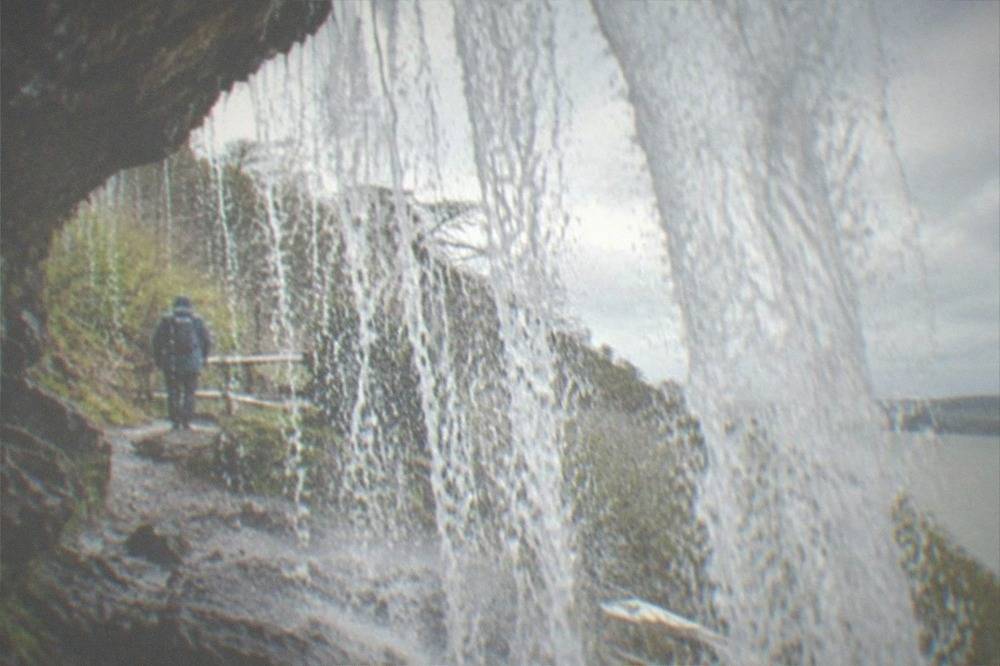
Sgwd yr Eira deserves its fame. The path descends a flight of stone steps, turns along the base of the cliff and passes directly behind the falling sheet of water, close enough to feel the spray. The ledge is genuine walking terrain, not a viewing platform, and it is wet underfoot by definition. Go slowly, keep a hand free, and expect a queue for photographs on busy days.
The falls change character completely with rainfall. After a dry fortnight they can shrink to a trickle, and after heavy rain they thunder, but the paths also become genuinely hazardous. There is no way to guarantee conditions in advance, so check recent weather and be honest about turning back if the steps look worse than you expected.
Should You Take A Guided Waterfalls Tour From Cardiff?
A guided tour makes sense if you do not want to drive, want local knowledge on the geology and history, or want the safety net of a group on a trail where the weather and footing change fast. The trade-offs are cost, a fixed schedule and less time at each fall than an independent walker might take. Two strong options run from Cardiff, both highly rated.
The guided hike from Cardiff that covers all four waterfalls in a day, discussed above, is the most complete option. Beyond it, a dedicated waterfalls tour rated 4.9 across 74 reviews runs 8 hours from Cardiff and focuses on the same waterfall country, with transport included and the price listed on the operator's live listing. It suits walkers who want the falls without the full self-guided logistics.
A second alternative, rated 5 across 34 reviews, also runs from Cardiff into the same waterfall region with a guide and transport. Its duration and price are shown on the live listing. The practical difference between the guided options is usually group size and pace, so read the listing details against your own fitness before choosing.
Guided walks also carry a safety argument that is worth taking seriously. The Central Beacons Mountain Rescue Team, which covers this area, recorded 182 callouts in 2025, its busiest year in 62 years of operation, and while most incidents are not on this trail, the figure is a reminder that the park's popular routes generate real rescues every year. A guide does not make you immune, but it does put someone experienced on the spot when conditions turn.
When Is The Best Time To Do The Walk?
Late spring through early autumn offers the best combination of longer daylight, warmer conditions and reliable water flow, with May to October the usual recommendation for the wider region. Avoid fine-weather weekends and bank holidays if you possibly can, and after heavy rain the trail becomes dangerous rather than merely unpleasant, so check the forecast the night before.
Water flow is the variable that decides the experience. A dry spell in high summer can leave the falls thin, while a wet week makes them spectacular and the paths treacherous at the same time. There is no sweet spot you can book months in advance; the honest advice is to keep your plans flexible within your trip, save the walk for a day with moderate recent rainfall, and have a wet-weather alternative ready. For city fallbacks, the guide to rainy day options in Cardiff lists what works when the weather closes in.
Daylight matters more than visitors expect. The gorge sections are heavily shaded by oak canopy, so an autumn afternoon feels like dusk well before sunset, and the stepped descents are no place to be finishing in fading light. Between November and February the practical window is short, and the trail's mud is at its worst.
Crowds follow a predictable pattern. Weekends in June, July and August and every bank holiday Monday see the car parks full and queues forming on the Sgwd yr Eira steps. Midweek in May, June or September gives you the same water, better light for photography and a fraction of the people.
What Should You Bring For The Waterfalls Walk?
Bring proper walking boots or shoes with grip, waterproofs, water, snacks, a fully charged phone and cash or a card for parking. The stepped sections are slippery even in dry weather, mobile signal is patchy in the gorge, and there are no shops or cafes at the trailheads, so everything you need for the day must come with you.
Footwear is the single most important choice. The steps to Sgwd yr Eira and the rock platforms near the falls are polished smooth by foot traffic and stay damp in the shade, which makes them genuinely slippery. Trail shoes with a lugged sole are the minimum; road trainers are the most common cause of avoidable slips on this route.
| Item | Why it matters |
|---|---|
| Boots or trail shoes with grip | Steps and rock are polished and slick |
| Waterproof jacket | Rain is frequent; spray at Sgwd yr Eira |
| Water and snacks | No shops or cafes at either trailhead |
| Charged phone | Patchy signal in the gorge; needed for emergencies |
| Parking payment | £6 at Gwaun Hepste, ~£5 at Cwm Porth |
| Layers | Shaded gorge stays cool even in summer |
A few practical notes round out the kit list. Tell someone your route and expected return time, because signal in the gorge is unreliable and a delayed walker is easier to find when the plan is known. If you bring a dog, bring a lead as well, since the approach tracks cross land with livestock. And pack out your rubbish: the national park authority has publicly highlighted increasing fly-tipping and litter problems at beauty spots, and pressure on popular sites like this one is exactly where visitor behaviour shows.
How Do You Stay Safe On The Trail?
Stay on the marked paths, keep well back from unfenced water edges, treat wet rock as slippery by default, and turn back if conditions exceed your fitness or gear. The gorge steps, the cave entrance at Porth yr Ogof and the riverbanks after rain are the main hazard points. If someone is in genuine difficulty, call the emergency services and ask for mountain rescue.
The most common incident pattern on waterfall trails is a slip on wet rock near the water, often while taking photographs. The rock platforms at the base of the falls look stable and mostly are, but the margins are worn smooth and wet, and a fall into a plunge pool in cold water is serious even for a strong swimmer. Keep both feet under you, keep your phone in a zipped pocket rather than a hand, and let the queue at the photo spots work itself out rather than edging past people on narrow ledges.
Porth yr Ogof deserves a specific warning. The cave beside Cwm Porth has the largest entrance in Wales and is tempting to explore, but caves flood, and the interior is only for properly equipped, experienced groups. Admire the arch from outside.
| Hazard | Where | Mitigation |
|---|---|---|
| Slippery steps | Descent to Sgwd yr Eira | Slow pace, grippy footwear, hands free |
| Wet rock at falls | All four waterfall bases | Keep back from edges, no climbing for photos |
| Cave flooding | Porth yr Ogof at Cwm Porth | Do not enter without equipment and experience |
| River crossings in spate | Valley floor paths after heavy rain | Postpone the walk, not the crossing |
| Fading light | Gorge sections, autumn and winter | Start early, carry a headtorch |
Finally, plan the drive back. The return to Cardiff is 1 to 1.5 hours on rural roads that are dark, winding and frequently home to sheep, and a walk that finishes later than planned pushes the drive into the worst of it. Build a hard turnaround time into your day and keep to it.
The Four Waterfalls Walk earns its reputation: it packs four genuinely photogenic falls, one unforgettable walk-behind moment and a proper woodland gorge into a loop that most visitors can finish in half a day. Whether you drive yourself from Cardiff or let a guided tour handle the road, the same rules apply. Go early, go midweek if you can, respect the wet rock, and leave the trail as quiet as you found it. For more walking ideas closer to the city, the guide to walks near Cardiff covers routes that need no car at all, and this site, Cardiff Travel Guide, covers every other day-trip destination within range of the capital.
Common Questions About The Four Waterfalls Walk
How long does the Four Waterfalls Walk take?
Most walkers complete the full loop in three to five hours, depending on fitness, how long you linger at each fall and conditions underfoot. The loop is 4.5 miles from Cwm Porth or 5.3 miles from Gwaun Hepste, with steep stepped sections that slow the pace considerably.
How far is the Four Waterfalls Walk from Cardiff?
The trailheads in the Mellte valley sit 40 to 50 miles from Cardiff, a drive of 1 to 1.5 hours on the main roads north through Merthyr Tydfil. There is no direct public transport to the car parks, so the realistic options are driving, a guided tour with transport included, or a train plus taxi combination.
Do you have to pay to park for the Four Waterfalls Walk?
Yes. Gwaun Hepste car park costs £6 and has limited spaces plus portable toilets. Cwm Porth, postcode CF44 9JF, charges £5 per day and has toilets. There is no charge for the paths themselves, only for parking.
Can you walk behind the waterfall at Sgwd yr Eira?
Yes. The maintained path descends stone steps and passes directly behind the falling water at Sgwd yr Eira, which is the walk's signature feature. The ledge is wet underfoot by definition, so go slowly, keep a hand free and expect queues for photographs on busy days.
Is the Four Waterfalls Walk suitable for children and dogs?
Older children who are used to walking manage the loop fine, but it is not pushchair-friendly and needs close supervision near the water's edge. Dogs are permitted and commonly seen, though owners should expect livestock on the approach tracks and should keep dogs controlled on the steep stepped sections.
Are there guided tours of the waterfalls from Cardiff?
Yes. A guided hike covering all four waterfalls in a day runs 9 hours from Cardiff and is rated 5 across 11 reviews, and two further waterfall tours from Cardiff, rated 4.9 across 74 reviews and rated 5 across 34 reviews respectively, cover the same region with transport included. Prices are shown on each operator's live listing.