Tintern Abbey Day Trip From Cardiff: Tickets, Travel And What To Expect
Tintern Abbey is the most photographed ruin in Wales, and it sits close enough to Cardiff to fill a half day or a full one. Here is what the Cadw listing actually charges, when the site opens, and how to get there without a car.
Short answer
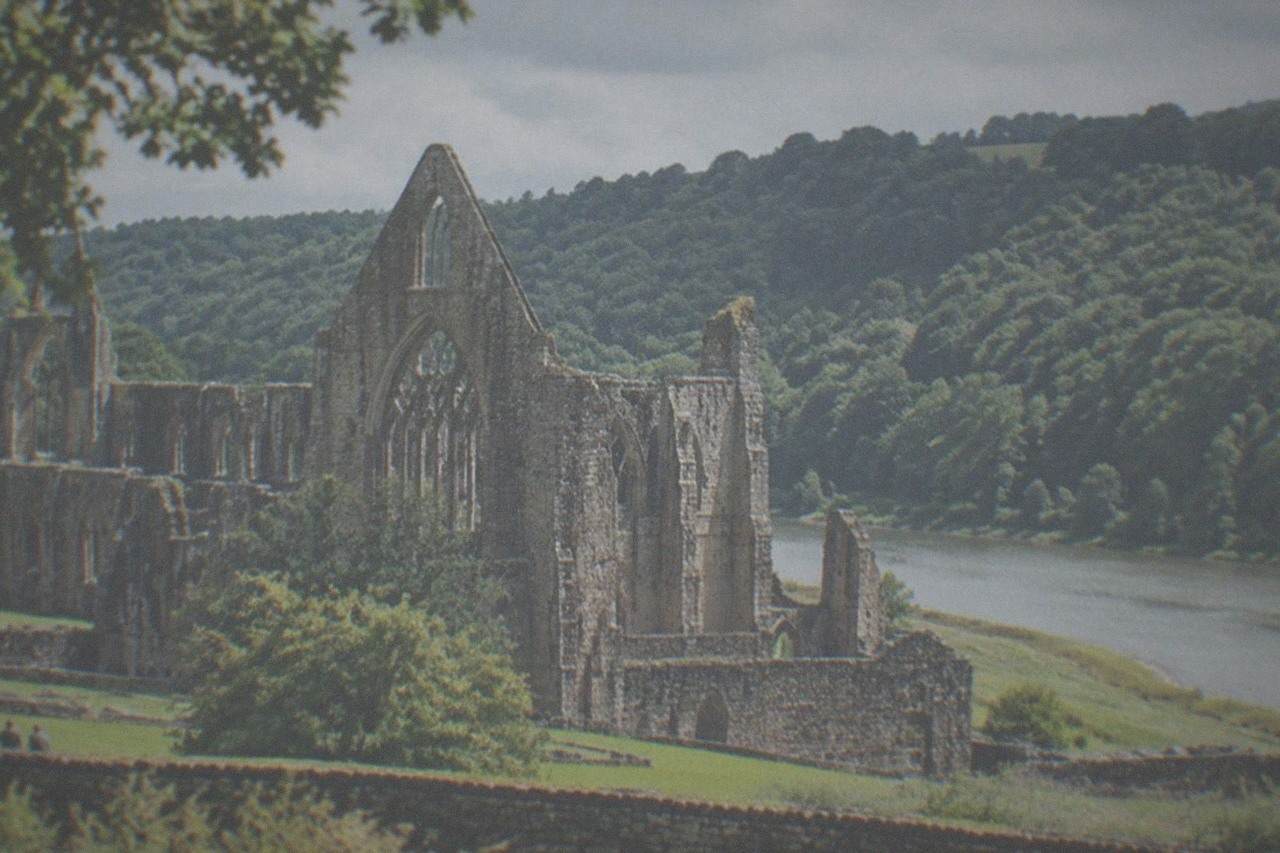
Tintern Abbey stands in the Wye Valley on the Welsh side of the England border, roughly an hour's drive from Cardiff. Cadw's current adult admission is £9.40, with a 10% reduction in place while scaffolding and repairs continue. The site is open daily except 24-26 December and 1 January, with seasonal hours that shift four times a year.
Tintern Abbey has been drawing travellers to the Wye Valley since the Romantic poets made the journey two centuries ago, and the ruin has lost none of its pull. The great gothic shell of the abbey church rises out of a narrow wooded valley on the Welsh bank of the River Wye, close enough to Cardiff for a comfortable day trip and dramatic enough to justify the drive on its own. Cadw, the Welsh heritage body that runs the site, keeps the ruin open to visitors year round, with a pricing structure that changed recently because of ongoing conservation work.
This guide covers the practical side of a Tintern Abbey day trip from Cardiff: what entry costs, when the gates open, how the seasonal hours work, what the scaffolding means for photographs, and which guided tours from Cardiff include the abbey alongside the castles and Roman sites of the border country. Every price and date below comes from Cadw's own listing for the site or from the operator listings on this site's tour roster.
Where Is Tintern Abbey And How Far From Cardiff?
The abbey sits in the Wye Valley on the Monmouthshire bank of the River Wye, near the village of Tintern and roughly half an hour north of Chepstow, from where the valley road winds up beside the river. From Cardiff the drive runs east through the M4 corridor and then north into the valley, a route most visitors complete in around an hour to an hour and a half depending on traffic and the starting point in the city.
The setting is the reason the abbey survives as more than a pile of stones. The valley walls close in on both sides, the Wye runs shallow and green below the ruins, and the wooded slopes have changed little since the monks picked the spot. The road itself, the A466, is one of the prettier drives in south east Wales and forms the spine of any Wye Valley itinerary.
Public transport to Tintern itself is thin. The village is served by limited bus connections from Chepstow, which in turn has rail links on the Welsh side of the Severn estuary, but the connections are infrequent enough that most independent travellers either drive or join a guided tour. For anyone weighing the options, the practical comparison looks like this:
| Approach | Best For | The Trade-Off |
|---|---|---|
| Own car or hire car | Flexibility to add Chepstow, Monmouth or viewpoints | Valley parking is limited in peak season |
| Guided day tour from Cardiff | No driving, commentary, several sites in one day | Fixed itinerary and set departure times |
| Bus via Chepstow | Lowest cost | Infrequent connections, little time at the abbey |
| Taxi or private driver | Small groups wanting a custom route | The most expensive option per person |
The abbey is also a natural pairing with other Wye Valley and border sights. Chepstow Castle guards the river crossing further south, Monmouth sits upstream, and the viewing points above the valley on the English side, such as the Devil's Pulpit reached from Trellech, look straight down at the ruin. Several of the guided tours listed later in this guide build exactly that kind of loop.
What Does Tintern Abbey Cost To Visit?
Cadw's current adult admission to Tintern Abbey is £9.40, a reduced rate reflecting the 10% discount the site has applied since April 2024 because of scaffolding and repair work around the ruins. Junior and student tickets are £6.50, seniors pay £8.40, and a family ticket covering two adults and up to three children costs £30.10. Under-5s enter free, as does a disabled visitor's companion, and Cadw members pay nothing.
The scaffolding point matters more than most visitors expect. The reduction has been in place since April 2024 and covers conservation repairs to the fabric of the ruin, so parts of the abbey may be behind hoarding or scaffold during a visit. Cadw's listing presents this plainly as the reason for the 10% reduction, and the ruin is large enough that the interior of the church, the cloister range and the river frontage usually remain fully walkable regardless.
| Ticket Type | Price |
|---|---|
| Adult | £9.40 |
| Junior / student | £6.50 |
| Senior | £8.40 |
| Family (2 adults + up to 3 children) | £30.10 |
| Under-5s | Free |
| Cadw members | Free |
Compared with the other Cadw sites within easy reach of Cardiff, Tintern sits at the cheaper end of the scale. Castell Coch, the fairytale castle above the Taff valley just outside Cardiff, charges £10.40 for an adult single-site ticket, and Caerphilly Castle, the largest castle in Wales, charges £12.90. Both of those sites offer 5% off for booking online, and Cadw sells a joint ticket for Castell Coch and Caerphilly together, though Tintern is not currently part of a joint arrangement with them. Anyone planning a castles-and-ruins week in south Wales can read more in the castles near Cardiff guide.
For visitors who intend to see several Cadw sites in a year, membership is worth the arithmetic. Cadw members enter Tintern, Caerphilly and Castell Coch free, among more than a hundred other monuments, and the membership pays for itself after roughly three or four major sites. The details and current membership rates are on Cadw's own pages at cadw.gov.wales.
When Is Tintern Abbey Open?
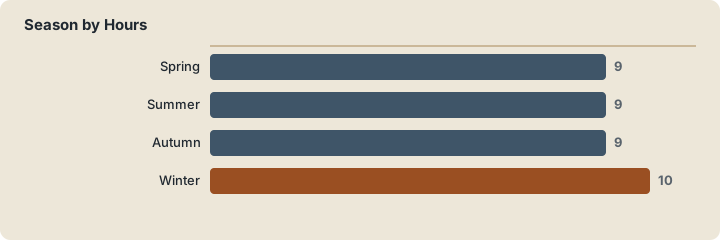
Tintern Abbey opens daily except 24-26 December and 1 January, on a four-part seasonal schedule: 09:30-17:00 from 1 March to 30 June and again from 1 September to 31 October, 09:30-18:00 through July and August, and 10:00-16:00 across the winter months from 1 November to 28 February. Last admission is 30 minutes before closing in every season.
The pattern is the standard Cadw seasonal structure, shared with Castell Coch, Caerphilly Castle and Tintern's fellow Wye Valley monument sites, so a multi-stop day trip works cleanly against a single timetable. The practical implication is simple: in winter the site effectively shuts mid afternoon, and the light in the valley fades well before the 16:00 close, so a November visit needs a morning start.
| Season | Dates | Hours |
|---|---|---|
| Spring | 1 Mar - 30 Jun | 09:30 - 17:00 |
| Summer | 1 Jul - 31 Aug | 09:30 - 18:00 |
| Autumn | 1 Sep - 31 Oct | 09:30 - 17:00 |
| Winter | 1 Nov - 28 Feb | 10:00 - 16:00 |
Closure days are limited to the Christmas period and New Year's Day. Event days can occasionally restrict parts of the site, and Cadw flags these on the same listing page as the hours, so a quick check before a long drive is sensible, particularly around bank holidays when the valley fills up.
The three tours above are the booked ways to reach the abbey from Cardiff without driving. The Caerleon, Tintern Abbey and Three Castles tour pairs the ruin with the Roman amphitheatre at Caerleon and a cluster of border castles in a single day. The alternative version covers the same headline sites on a similar route. The Wye Valley and Brecon Beacons trip splits its day between the valley and the national park, which suits visitors who want scenery as much as history.
Why Is Tintern Abbey Famous?
The abbey is famous for three stacked reasons: it is one of the best preserved gothic church ruins in Britain, it inspired William Wordsworth's poem "Lines Composed a Few Miles Above Tintern Abbey", and it became a cornerstone of the Wye Tour, the fashion for scenic travel often called the birth of British tourism. The Romantic painters who followed, most famously J.M.W. Turner, made the ruin one of the most depicted buildings in Wales.
The monastery was a Cistercian foundation on a site associated with the de Clare lords of Chepstow, and the surviving church mostly reflects a later medieval rebuilding programme. The abbey was dissolved under Henry VIII, the roof was stripped, and the building was left to decay into the romantic shell that now stands beside the river.
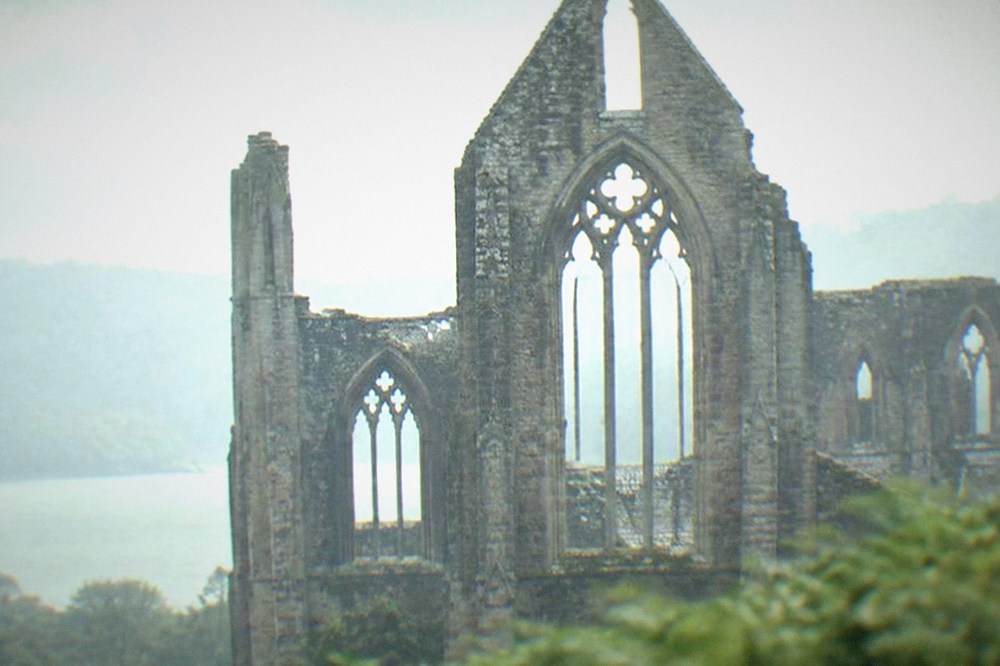
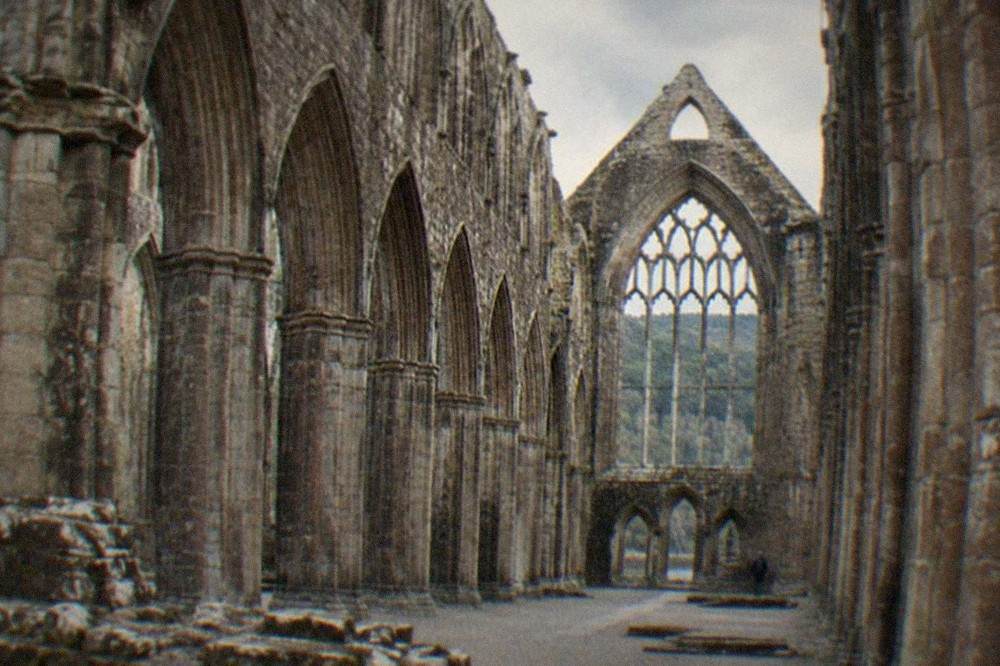
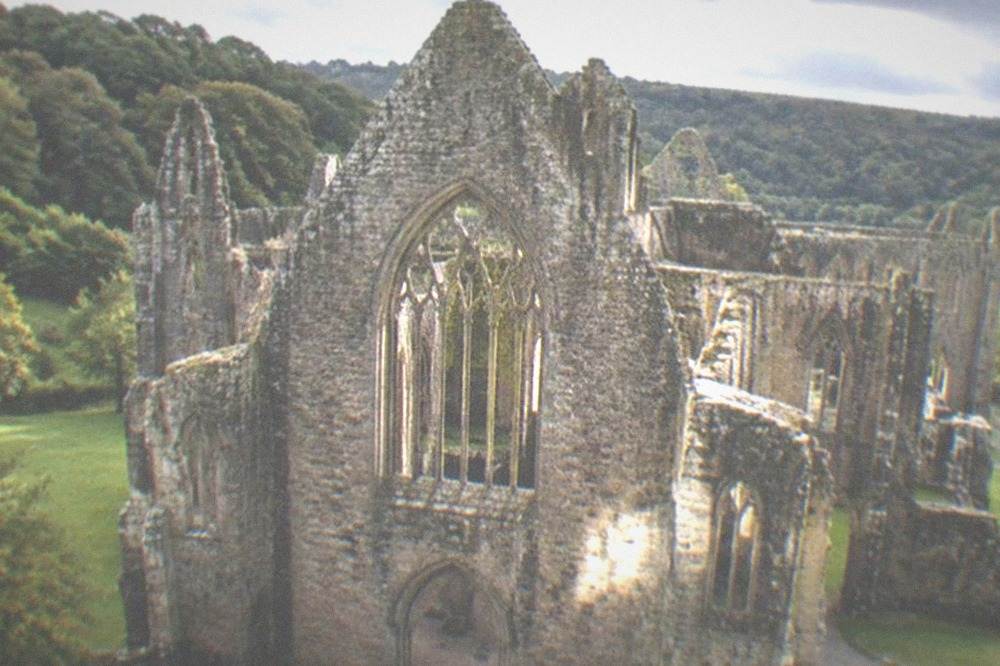
What survives is the complete outline of the church: the west front with its great window, the nave arcades, the crossing and the shell of the presbytery. The tracery of the windows is largely intact, which is what gives the ruin its signature look, stone frames open to the sky. The cloister and domestic ranges survive at floor level, and interpretation boards across the site map out the monastic plan.
Wordsworth's poem, written after a walking tour of the Wye Valley, fixed the abbey in the English literary imagination, and the site has traded on that association ever since. The Wye Tour that carried poets and painters down the river from Ross-on-Wye to Chepstow was one of the first mass tourist circuits in Britain, and the abbey was its principal destination. Visitors today are walking a route with a claim to being the oldest tourist itinerary in the country.
What Is There To See Beyond The Ruin Itself?
The abbey is the headline, but the immediate surroundings reward a slower visit: the village of Tintern sits a few minutes' walk away with old pubs and a glassworks, the Wye Valley Walk runs past the gate, and the Angidy valley behind the village hides the remains of the wireworks that made Tintern an industrial centre centuries after the monks left. Allow two to three hours for the abbey and village together, more if you plan to walk.
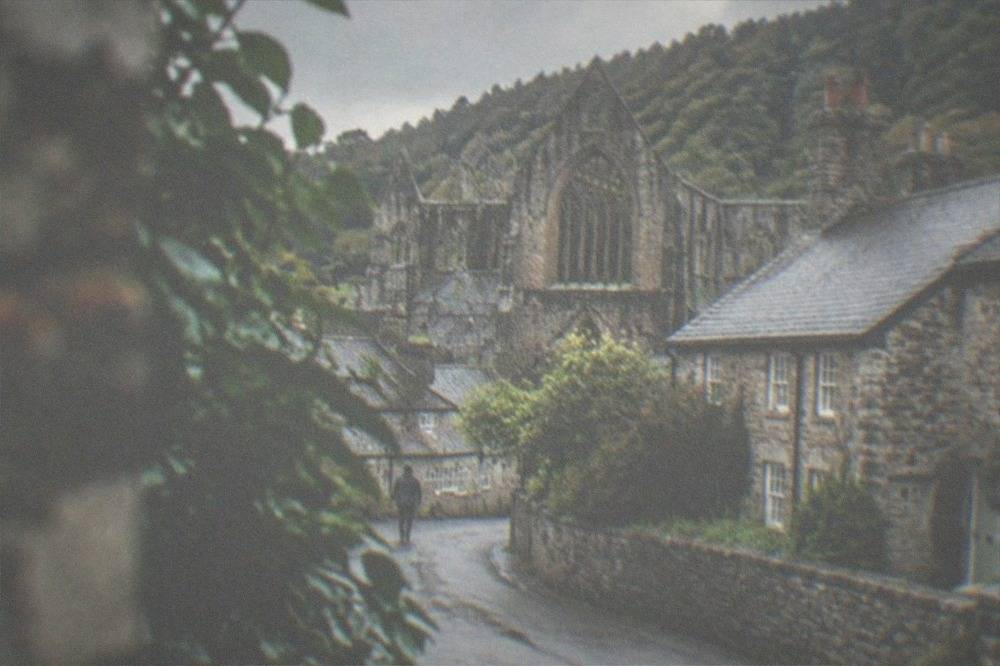
The village is small but pleasant, built along the single road that runs beside the river. The Old Station, a former railway halt on the opposite bank at Tintern, is now a small visitor attraction with a riverside field and a miniature railway in season, a useful stop for families who need a break from medieval stonework. The wider set of guides lives on Cardiff Travel Guide.
Walkers have two obvious options. The Wye Valley Walk, the long-distance path that tracks the river from Chepstow toward its source in the Plynlimon hills, passes the abbey and can be followed in either direction for a riverside stroll or a serious leg of a multi-day hike. Above the village, paths climb into the Angidy valley toward Trellech, where the ruins of the iron and wire works sit in the woods. The Lower Wye Valley's industrial archaeology is a genuine contrast to the monastic ruin and rarely crowded.
For visitors building a fuller day, the abbey combines naturally with Chepstow Castle and the riverside town of Chepstow to the south, or with Monmouth upstream. The border country also holds Roman Caerleon, with its amphitheatre and barracks, and the full day trips from Cardiff guide covers how these pair up across a week.
Should You Drive Yourself Or Take A Guided Tour?
Drive yourself if you want to linger at the abbey, detour to viewpoints, or eat in the village at your own pace, since the valley road up from Chepstow is the scenic route and the site has its own car park. Take a guided tour instead if you would rather not navigate valley lanes, want the history explained, or want to stack Tintern with Caerleon and the castles in one booked day without planning a thing.
The case for the tour is stronger than at most Welsh sites because of geography. Tintern sits at the end of a valley road, public transport is thin, and the surrounding sights, Caerleon's Roman remains, the border castles, the Wye Valley viewpoints, are scattered across a day's driving loop that is easy for a local driver and tedious to plan from a train timetable. The tours on this site's roster that include Tintern are small-group day trips of roughly eight hours, departing from central Cardiff.
The flagship option is the Caerleon, Tintern Abbey and Three Castles tour, rated 5 across 43 reviews on its live listing. It covers the Roman amphitheatre at Caerleon, the abbey, and three castles on the border circuit in a single day, which is an ambitious but achievable route with a guide handling the roads. There is no need to book tickets at each site separately on a tour of this kind; entry arrangements are handled by the operator.
An alternative version of the same circuit, the 3 Amazing Castles, Tintern Abbey and Roman Caerleon tour, runs a comparable route and carries a 4.9 rating across 23 reviews. The differences between the two come down to group size, exact castle stops and price on the live listings, so comparing the two itineraries side by side before booking is worthwhile.
Visitors who prefer scenery over castle-counting should look at the Wye Valley and Brecon Beacons full-day trip instead, rated 4.9 across 169 reviews. It trades some of the border castles for time in Bannau Brycheiniog, still widely known as the Brecon Beacons, and suits travellers whose main interest in Tintern is the valley setting rather than the monastic history.
A third option mixes the abbey into a broader castles-and-mountains day. The Welsh Castles, Mountains and Steam Railway tour, rated 4.7 across 139 reviews, is built around a heritage railway line through the south Wales valleys and a run of castles; Tintern appears on some variants of the route, so check the itinerary on the live listing before booking if the abbey is the priority.
When Is The Best Time Of Day To Visit?
Late afternoon in the longer days of spring through early autumn gives the best light, because the valley narrows at the abbey and the low sun lights the west front and the great window from mid afternoon onward; the trade-off is that last admission is 30 minutes before close, so in the 09:30-17:00 seasons you need to be through the gate by 16:30 at the latest. Midweek mornings are the quietest for crowds.
The valley orientation is the thing to understand. The abbey sits at the foot of a steep wooded slope, and for much of the day the ruin sits in a mix of sun and shadow that photographers either love or fight against. The classic postcard view, the west front from the meadow beside the river, looks best when the afternoon light comes down the valley.
Crowds follow a predictable pattern. Coaches arrive late morning and through the middle of the day, weekends in July and August are busy, and the car park can fill by early afternoon in peak season. An arrival before 10:00 or after 15:00 avoids most of it. The winter season has the opposite problem: with a 10:00 opening and a 16:00 close, the usable day is short, but the ruin in low winter light with frost on the cloister grass is one of the best photographic moments the site offers.
One planning note for event days: like every Cadw site, Tintern occasionally hosts evening events, concerts and re-enactments that can restrict general access. Cadw lists these on the site's own page, and a one-minute check the day before a long drive is cheap insurance.
What Else Should You Know Before You Go?
The site is largely outdoors, so dress for the valley weather rather than the Cardiff forecast; the Wye Valley runs a degree or two cooler and damper than the city, and the grassed cloister turns muddy after rain. Allow 60 to 90 minutes for the abbey itself, more with the exhibition, and note that the ticket includes the small on-site interpretation displays that cover the abbey's history from foundation to dissolution and beyond.
Access is reasonable for a medieval ruin: the main paths around the church and through the cloister are level and firm, and Cadw's listing notes the accessible facilities on site, though the full extent of the interior and the surrounding ground is uneven in places. Assistance dogs are welcome, as at all Cadw monuments.
Food in the village is limited to a handful of pubs and cafes, which fill at lunchtime on summer weekends. The two practical strategies are to eat early, before the coaches disgorge, or to carry a picnic and use the riverside ground, which is one of the nicer lunch spots in south east Wales. There are toilets at the abbey site itself.
For anyone extending the day, the drive back to Cardiff can run through Chepstow for the castle and the Severn bridge views, or back over the tops through Trellech and Monmouthshire's lanes. The Wye Valley is also the western gateway to the Forest of Dean on the English side, which doubles the walking options if a full day is available. Further afield options are laid out in the Wye Valley and Brecon Beacons tour write-up on this site.
Common Questions About Tintern Abbey
How much does it cost to visit Tintern Abbey?
An adult ticket is £9.40, juniors and students pay £6.50, seniors £8.40, and a family ticket for two adults and up to three children is £30.10. The adult price reflects a 10% reduction Cadw has applied since April 2024 because of scaffolding and repair work. Under-5s and Cadw members enter free.
Is Tintern Abbey open all year?
Yes, apart from 24-26 December and 1 January. Hours shift seasonally: 09:30-17:00 in spring and autumn, 09:30-18:00 in July and August, and 10:00-16:00 in winter, with last admission 30 minutes before closing.
Can you get to Tintern Abbey by public transport from Cardiff?
Only awkwardly. Buses connect the village with Chepstow, which has rail links, but the connections are infrequent. Most independent visitors drive, and guided day tours from Cardiff that include the abbey are the practical car-free option.
Why is there scaffolding at Tintern Abbey?
Cadw is carrying out conservation repairs to the ruin, and has applied a 10% admission reduction since April 2024 while the work continues. Parts of the site may be behind hoarding during a visit, though the main church and cloister areas generally remain open.
How long should you spend at Tintern Abbey?
Allow 60 to 90 minutes for the ruin itself, longer if you want the exhibition and photographs from several angles. Two to three hours covers the abbey plus the village and a short riverside walk comfortably.
Is Tintern Abbey worth visiting from Cardiff?
Yes, if ruins, scenery or Romantic history appeal. It is one of the most complete gothic abbey shells in Britain in a genuinely beautiful valley, and it pairs naturally with Chepstow Castle, Caerleon or the border castles on a single day trip from the city.