Roath Cardiff: A Local's Guide To The Park, The Lake And Wellfield Road
Roath is the green, residential corner of Cardiff that most visitors never reach, which is exactly why locals like it. Here is what the area offers and how to spend a day there well.
Short answer
Roath is a leafy district 20 minutes' walk east of Cardiff city centre, best known for Roath Park and its lake. Entry to the park is free, the Botanic Gardens and conservatory sit at its northern end, and Wellfield Road and City Road supply the cafés, restaurants and pubs. Most visitors need half a day.
Roath Cardiff: A Local's Guide To The Park, The Lake And Wellfield Road
Cardiff's population sits at 383,919 in the ONS mid-2024 estimate, and a good share of those people spend their weekends in one district: Roath. The area wraps around a Victorian park and lake, stretches along two of the city's best food streets, and sits close enough to the centre that you can walk there from Cardiff Castle in well under half an hour. It rarely appears on rushed itineraries, which is precisely its appeal for anyone with a second or third day in the city.
This guide covers what Roath actually is, how to reach it, what to do once you are there, and where to eat. It is written for a visitor planning time on the ground, not for someone researching from a distance, so the practical details come first. If you are still shaping the wider trip, our Cardiff Travel Guide homepage pulls the whole city together.
What Is Roath Cardiff Known For?
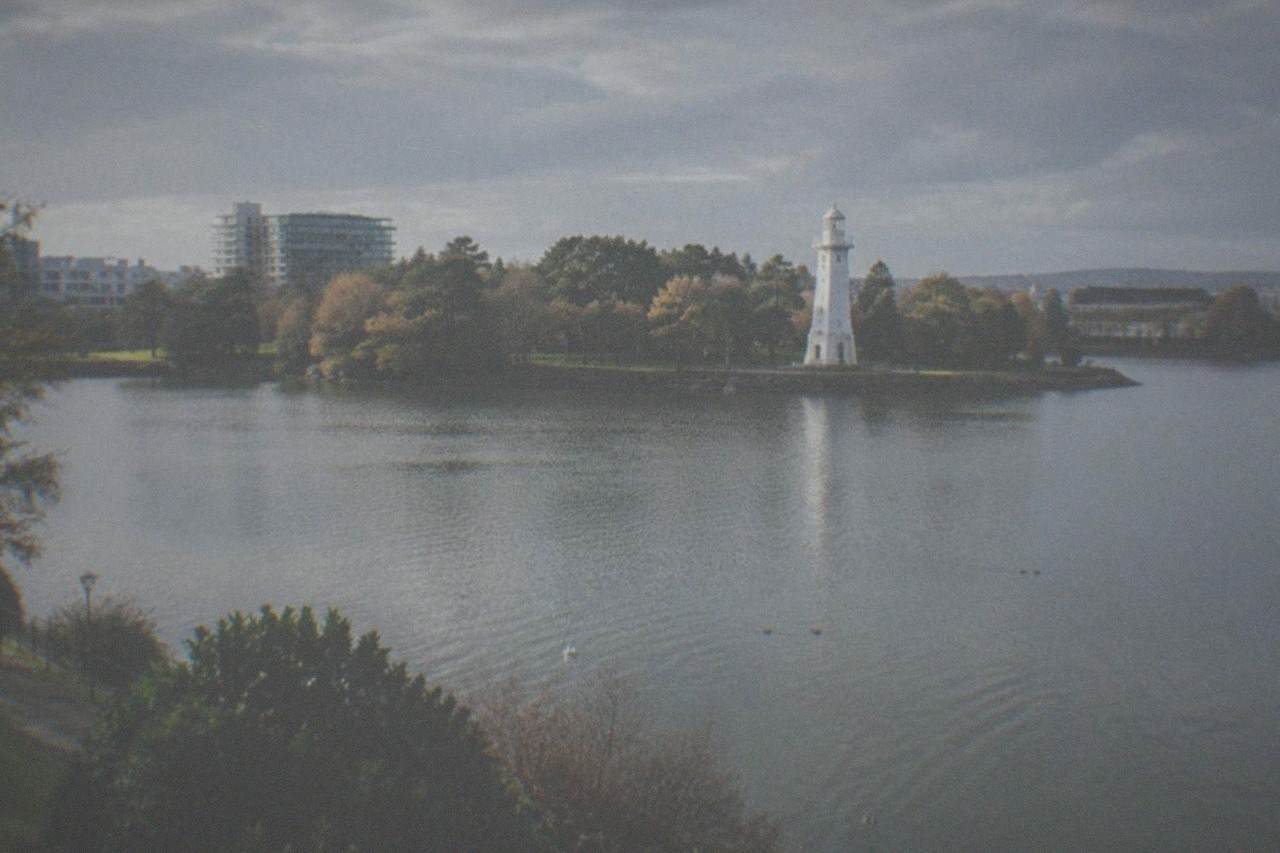
Roath is a residential district immediately east and north of Cardiff city centre, best known for Roath Park with its large lake and lighthouse tower, and for the food streets that surround it, principally Wellfield Road and City Road. It is where a large share of Cardiff's students, families and young professionals live, and it reads as a neighbourhood rather than an attraction. Allow half a day, or a full day with a long lunch.
The park is the anchor. It stretches from the recreation ground at the southern end up through the lake to the Botanic Gardens and glasshouse at the northern end, and in July 2026 it received Green Heritage Site Accreditation for the first time, joining Bute Park as one of only two accredited sites in Cardiff and fourteen in Wales. The city as a whole retained all 21 of its Green Flag Awards in the same announcement, so the standard of green space here is not incidental. A new heritage trail was launched alongside the award, which gives the park's history some structure for visitors who want it.
Around the park, the neighbourhood is dense with terraced streets, independent cafés and a food scene that punches well above the area's profile. Wellfield Road runs east from the lake towards Cranhaswell and Roath's parade of shops, while City Road, on the western side, is one of the most diverse eating streets in the city, running from Lebanese to Vietnamese to long-standing chippies. Cardiff University's main buildings sit just to the south-west, which explains the student energy and the prices.
What Roath is not is a polished visitor district. There is no castle, no stadium tour and no waterfront. What there is, is the kind of place where a morning walk, a coffee, a lake circuit and an unhurried lunch fit together naturally, and where almost none of it costs anything. For a sense of how it slots into a wider visit, our one day in Cardiff itinerary keeps the centre busy, and Roath is the natural add-on for day two.
How Do You Get To Roath From Cardiff City Centre?
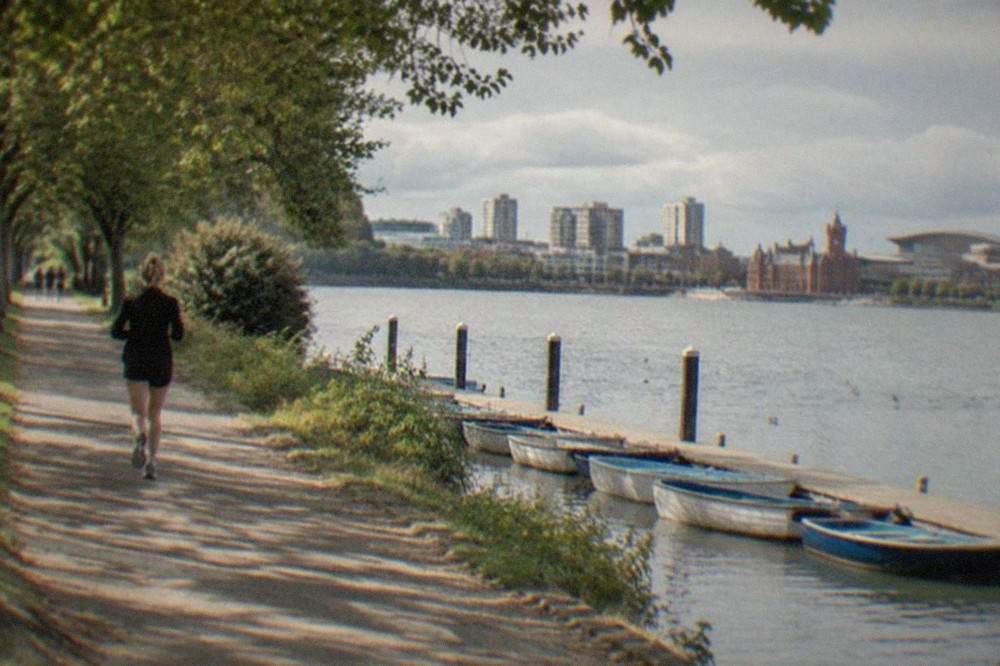
Roath sits roughly a 15 to 25 minute walk east of Cardiff city centre, depending on which end of the neighbourhood you want. Cardiff Queen Street station is the closest rail station, a few minutes' walk from the western edge of the area, and several bus routes run along City Road and Wellfield Road. Most visitors simply walk, because the whole district is flat and signposted enough to navigate without a map.
Walking is genuinely the sensible option. From the Castle Quarter you would head east along Queen Street, continue past the university buildings, and arrive at City Road or the southern end of Roath Park within about twenty minutes. The terrain is flat throughout, and the pavements along the main roads are wide. Cyclists have an easier time still, and the council has been consulting, as of July 2026, on a proposed dedicated cycle route around the western and eastern sides of the lake, precisely because so many people already ride and walk that circuit.
For public transport, the practical detail is that fares are published on the operator's own fare pages and change periodically, so check the live fare before you travel rather than relying on a figure quoted in an article. The Welsh Government's £1 single bus fare scheme for ages 5 to 21, using the mytravelpass, has been extended to March 2027, which matters if you are travelling with teenagers. Cardiff Queen Street, the second-busiest station in the city, connects Roath to Cardiff Central in a couple of minutes for onward trains, and the council's parking pages cover on-street and car park options if you have a car.
One local transport note worth knowing: Cathays station, one stop east of Queen Street and on the edge of the wider area, is undergoing a major accessibility upgrade, with a new step-free footbridge and lifts, main construction through autumn 2026 and completion expected in 2027. If you see hoardings near the university end of the district, that is what they are for. The Transport for Wales project pages track the wider works.
| Route | Typical time | Notes |
|---|---|---|
| Walk from Cardiff Castle | 20-25 min | Flat, via Queen Street and the university quarter |
| Walk from Cardiff Queen Street station | 5-10 min | Closest rail station to the district's western edge |
| Bus along City Road | 10 min from centre | Frequent services; check the operator's live fare pages |
| Cycle from the centre | 10 min | Flat throughout; lakeside route proposals under consultation |
| Car | 10 min | On-street and car park options; check council parking pages |
A private guide changes the equation if you would rather not self-navigate, and a private walking tour with a local can be steered towards neighbourhoods like Roath as easily as towards the castle quarter.
The two options above suit different kinds of day. The private walking tour, rated 4.6 across 57 reviews, is the flexible one, and the food tour, rated 4.9 across 18 reviews with eight tastings over roughly three hours, is the one that turns eating into the itinerary itself.
What Are The Best Things To Do In Roath?
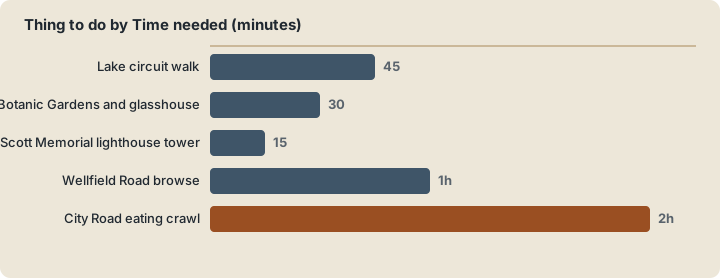
The best things to do in Roath are, in order: walk the full circuit of Roath Park lake, visit the Botanic Gardens and glasshouse at the park's northern end, climb the lighthouse tower viewpoint if open, browse Wellfield Road's independent shops, and eat along City Road. All of it is free apart from the food, and the lake circuit alone takes 45 minutes at a relaxed pace.
Start with the lake, because it is the district's defining feature. The water is big enough to feel like a destination rather than a pond, with a lighthouse tower, the Scott Memorial, standing at the western end as a memorial to the Antarctic explorer, and a boating history that continues today, though with a current caveat. The boat stage at the lake was closed in mid-August 2026 after blue-green algae was detected, and the closure was listed as until further notice, so treat pedalos as a maybe rather than a plan. The path itself is unaffected, and the southern edge was widened in 2024 to carry a cycle path, which improved the walking surface too.
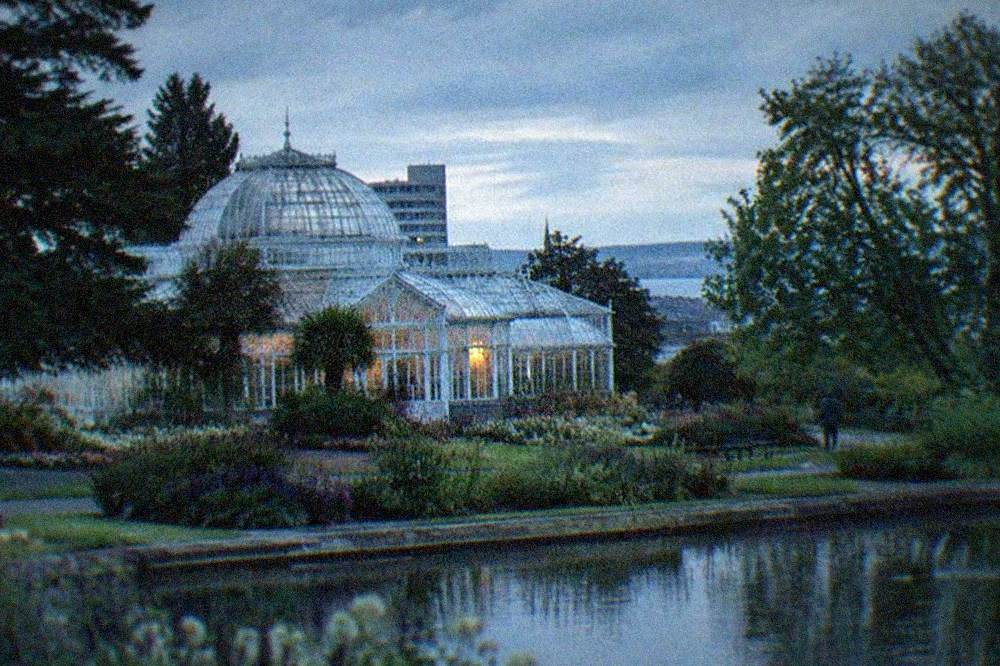
The Botanic Gardens occupy the northern third of the park, and they are quieter than the lake. There is a glasshouse, planted beds that change with the seasons, and enough benches that locals treat it as a sitting place rather than a sight. Between the gardens and the lake sits the recreation ground, which on weekends fills with informal football. None of this demands a ticket or a schedule, which is the point.
South and west of the park, the neighbourhood itself is the attraction. Wellfield Road has the bakery-café density of a small high street that has resisted chains, and the side streets off it hide barbers, record shops and charity shops worth a rummage. City Road, a ten-minute walk west, is the food street: it has been the arrival point for generations of Cardiff's immigrant communities and the eating reflects it. If you want the wider context of the city's food culture, our Welsh food in Cardiff guide covers the traditional dishes, and City Road is where you find almost everything else.
There is also an odd local story worth knowing: plans to redevelop the former Roath Park Methodist Church on Wellfield Road into shops, a café and workspaces were refused by the council's planning committee in September 2026, the third refusal before that committee, over impact on neighbours. The building's future remains unresolved, so do not plan around any specific use of it.
| Thing to do | Time needed | Cost | Notes |
|---|---|---|---|
| Lake circuit walk | 45 min | Free | Flat, wide path; southern edge widened in 2024 |
| Botanic Gardens and glasshouse | 30-60 min | Free | Northern end of the park; quietest section |
| Scott Memorial lighthouse tower | 15 min | Free | Viewpoint at the lake's western end |
| Wellfield Road browse | 1 hour | Free to look | Independent shops and cafés |
| City Road eating crawl | 1-2 hours | Varies | The district's most diverse food street |
If a self-guided day in Roath appeals but you would like the neighbourhood placed in context, a local guide does that well. The private tour above is rated 4.6 across 57 reviews, runs about two hours, and can be pointed at the areas you name.
Where Should You Eat And Drink In Roath?
Eat along City Road and Wellfield Road. City Road carries the neighbourhood's international food, from Lebanese and Turkish to Vietnamese and long-standing fish and chips, while Wellfield Road skews towards cafés, bakeries and brunch spots. Expect main meals at the lower end of Cardiff's range, with most sit-down dinners well below what the castle quarter charges.
The honest framing is that Roath is a neighbourhood of good, unshowy food rather than a destination for fine dining. The city's Michelin-starred restaurant, Gorse, sits in Pontcanna on the other side of the centre, and our restaurants in Cardiff guide covers that end of the market. What Roath does instead is everyday eating done properly: bakeries that sell out by early afternoon, a chip shop with a queue, and a run of international kitchens that serve the people who live around them.
Wellfield Road is the morning street. Café culture here is competitive and the standard is high, and the road's bakery-cafés make it the natural breakfast stop before a lap of the lake. City Road is the evening street, and it is also the cheapest place in central Cardiff to eat substantially for very little. The street has been the first stop for successive waves of new Cardiff communities, and the food lineage shows: a single block can take you from mezze to pho to a proper pie.
For drinking, Roath is a pub neighbourhood rather than a cocktail-bar one. The area's locals sit among the terraced streets, and several Cardiff pubs newly listed in the CAMRA Good Beer Guide 2027 were recognised in the September 2026 announcement, a sign of where the cask ale standard sits across the city right now. Our best pubs in Cardiff guide picks out the standouts citywide if you want to plan an evening around it.
One planning note: the southern end of the district blends into Cathays, and the student population means weekday service runs earlier and later than in the more visitor-focused parts of the centre. Saturday and Sunday between 11:00 and 15:00 are the busiest windows at the better cafés, so either arrive before 10:30 or accept a wait.
| Street | Best for | Typical stop | Time of day |
|---|---|---|---|
| Wellfield Road | Cafés, bakeries, brunch | Coffee and pastry before the lake | Morning |
| City Road | International kitchens, chippies | Lebanese mezze or Vietnamese pho | Lunch or dinner |
| Around the lake | Picnic supplies | Grab from Wellfield Road, eat in the park | Midday |
| Side streets off Wellfield Road | Local pubs | A quiet pint after the lake circuit | Evening |
If eating is the main reason you would come to the district, the Cardiff City Flavors guided food tour deserves a look: eight tastings across roughly three hours, rated 4.9 across 18 reviews, and it concentrates the city's food streets into a single guided walk. Check availability if that fits your dates.
When Is The Best Time To Visit Roath Park?
The park is open daily from 07:30 until half an hour before sunset, with the exact locking time posted seasonally, so late spring through early autumn gives you the longest days and the best colour in the Botanic Gardens. Weekday mornings are the quiet window; weekend afternoons are when the lake path fills with families, runners and dog walkers. Avoid planning boat hire specifically, as the boat stage is currently closed.
The seasonal point matters more here than in most city parks, because the park's closing time moves with the light. Locking times are posted weekly by the park's own team, and in September 2026 they sat at 18:30 to 19:15, which tells you how much the window shifts between midsummer and midwinter. A February visit gives you a park that closes mid-afternoon; a June visit gives you evening light across the lake. The commuter route through the park stays open around the clock, but that is a thoroughfare rather than a place to linger.
Weather-wise, Cardiff's climate is temperate maritime, and the practical advice is layered clothing year-round, because a bright morning on the lake can turn to drizzle within the hour. If the rain arrives, the Victorian arcades and the free National Museum Cardiff sit twenty minutes' walk west, and our rainy day in Cardiff guide covers the indoor options in full. Roath itself has fewer wet-weather options than the centre, so it is best treated as a fine-weather half day.
For events, the park hosts organised runs and community activities through the year, and the new heritage trail gives repeat visitors something fresh to follow. The algae closure is the one thing to check before promising children a boat: the council's announcements are the reliable source on whether the boat stage has reopened.
Is Roath A Good Place To Stay In Cardiff?
Roath works well as a place to stay if you want a residential, food-rich base within walking distance of the centre, and it is usually better value than the castle quarter or Cardiff Bay. It suits longer stays and repeat visitors more than first-timers, who are better placed centrally for the castle, stadium and arcades. Student-area noise around Cathays, to the south-west, is the main trade-off to weigh.
The case for staying here is straightforward: you get the park on your doorstep, two of the city's best food streets within five minutes' walk, and a twenty-minute walk into the centre. Guesthouses and short-let apartments around Wellfield Road and the streets north of the park make up most of the offer. Our where to stay in Cardiff guide compares all the districts properly, including the trade-offs between the centre, the Bay and the residential neighbourhoods.
The case against, for a first visit, is equally straightforward. Cardiff's headline sights, the castle at £16 adult admission, the Principality Stadium tour at £19.50 online, and the Victorian arcades, all sit in the centre, and a first-time visitor with two days will spend most of that time there. Roath rewards a third day, or a relaxed second morning, rather than competing for the first.
The neighbourhood's character also varies street by street. The streets immediately north of the park are quiet and residential, the Wellfield Road end is busier and livelier, and the Cathays side to the south-west carries the student-area profile, with the late-night noise that implies on weekends. If you are choosing between districts, our Cardiff versus Swansea comparison and the wider neighbourhood guides can help you place the whole city in context.
What Does A Perfect Day In Roath Look Like?
A perfect day in Roath runs: coffee and a pastry on Wellfield Road mid-morning, a full lake circuit and the Botanic Gardens before lunch, a long lunch on City Road, an afternoon browsing the side streets or resting in the park, and an early-evening pint in a local pub before walking back to the centre. It fits comfortably into six hours and costs almost nothing beyond food.
The shape of the day matters more than the specific timings, because the district is small enough that you will not run out of things so much as run out of appetite. Start on Wellfield Road 09:30, before the Saturday brunch queue builds. Walk east to the lake, do the circuit anti-clockwise so you finish at the Botanic Gardens end, then double back through the recreation ground. That is your morning, and it needs no ticket, booking or plan beyond comfortable shoes.
Lunch on City Road is the flexible block: choose by queue length and appetite, and expect to eat well for less than the centre charges. The afternoon is where the day softens. Sit in the park, browse the charity shops and independents off Wellfield Road, or, if you have energy left, walk west into Cathays and the university quarter towards the centre. An evening drink in one of the area's pubs rounds it off, and the walk home to central hotels takes about twenty minutes.
For visitors who prefer a guided frame around a city's neighbourhoods, The Heart of Wales walk, Cardiff's story told by a true local, is rated 4.9 across 12 reviews over roughly two hours and leans on exactly this kind of local knowledge, the stories a resident tells rather than a script.
| Time | Activity | Notes |
|---|---|---|
| 09:30 | Coffee and pastry, Wellfield Road | Arrive before the brunch rush builds |
| 10:30 | Lake circuit walk | 45 minutes, flat, all-weather path |
| 11:30 | Botanic Gardens and glasshouse | Quietest corner of the park |
| 13:00 | Lunch on City Road | Choose by queue; the street's strength is range |
| 15:00 | Side-street browse or park rest | Charity shops and independents off Wellfield Road |
| 17:00 | Pint in a local pub | Several area pubs carry real ale listings |
| 18:30 | Walk back to the centre | 20 minutes to central hotels |
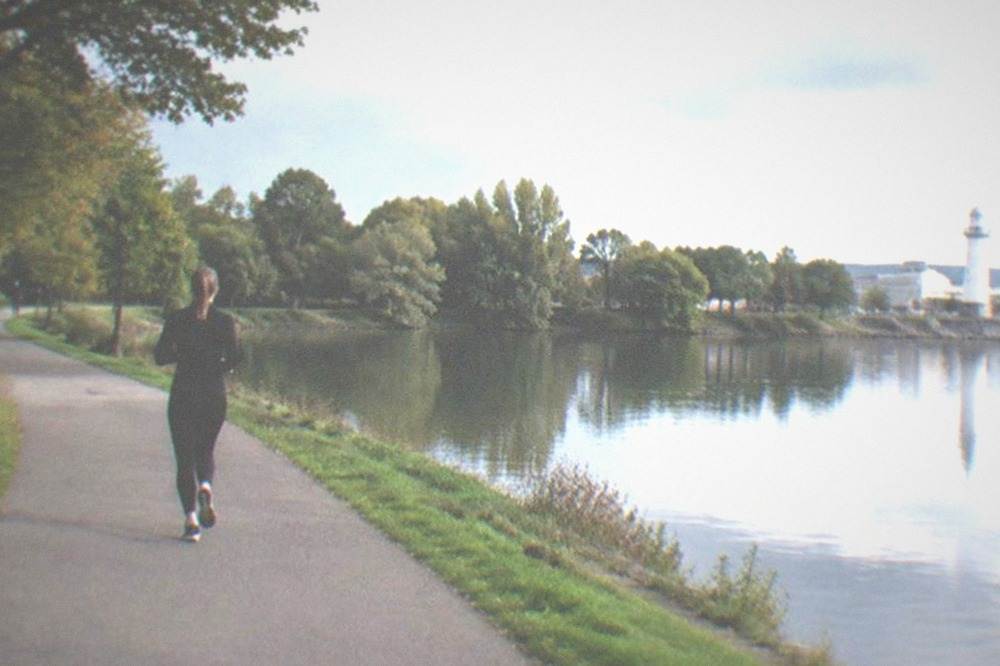
Roath will never top a list of Cardiff sights, and that is the correct verdict on it. The castle, the stadium and the Bay do the heavy lifting for the city's visitors, and they should. But a city break that includes one unhurried half day here, a lake circuit, a good lunch, a bench in the Botanic Gardens, gives you the Cardiff that the 383,919 people who live here actually use. That is a fair trade for twenty minutes' walking.
Whether you explore Roath on your own or with a guide, the two options above cover the most natural pairings: a flexible private walk with a local, and a guided food tour built around the city's eating streets. Both can be booked with free cancellation, so there is little risk in reserving a slot early and adjusting once your plans settle.
Common Questions About Roath Cardiff
Is Roath Cardiff worth visiting?
Yes, if you have more than a day in the city. Roath Park is one of Cardiff's two Green Heritage accredited parks, the lake circuit is a genuinely pleasant 45-minute walk, and the surrounding food streets are among the best value in the city. First-time visitors with only one day should prioritise the centre instead.
How far is Roath from Cardiff city centre?
Roughly a 15 to 25 minute walk east of the centre, depending on which end of the district you want. Cardiff Queen Street station, a couple of minutes by rail from Cardiff Central, sits on Roath's western edge, and buses run along City Road and Wellfield Road.
Is Roath Park free to enter?
Yes, the park is free and open daily from 07:30 until half an hour before sunset, with exact locking times posted seasonally. The Botanic Gardens and glasshouse at the northern end are also free. Parking near the park is charged separately on surrounding streets.
Can you hire boats on Roath Park lake?
Boat hire has operated from the lake's boat house in past seasons, but the boat stage was closed in mid-August 2026 after blue-green algae was detected, with no reopening date set. Check the council's current announcements before promising children a boat, and plan around the walk instead.
Where is the best place to eat in Roath?
City Road for international kitchens and long-standing chippies, Wellfield Road for cafés, bakeries and brunch. The district's strength is everyday eating rather than fine dining; the city's Michelin-starred restaurant sits in Pontcanna instead.
Is Roath a safe area of Cardiff?
Roath is a well-populated residential district with a family and student mix, and the park is busy through daylight hours. As anywhere in a city, the usual care applies late at night, particularly on the busier weekend evenings around the student areas to the south-west.