What Is The Easiest Way To Get To Cardiff?
The easiest way to reach Cardiff: direct trains from London in under two hours, a compact airport 20-30 minutes out, and a walkable centre once you arrive.
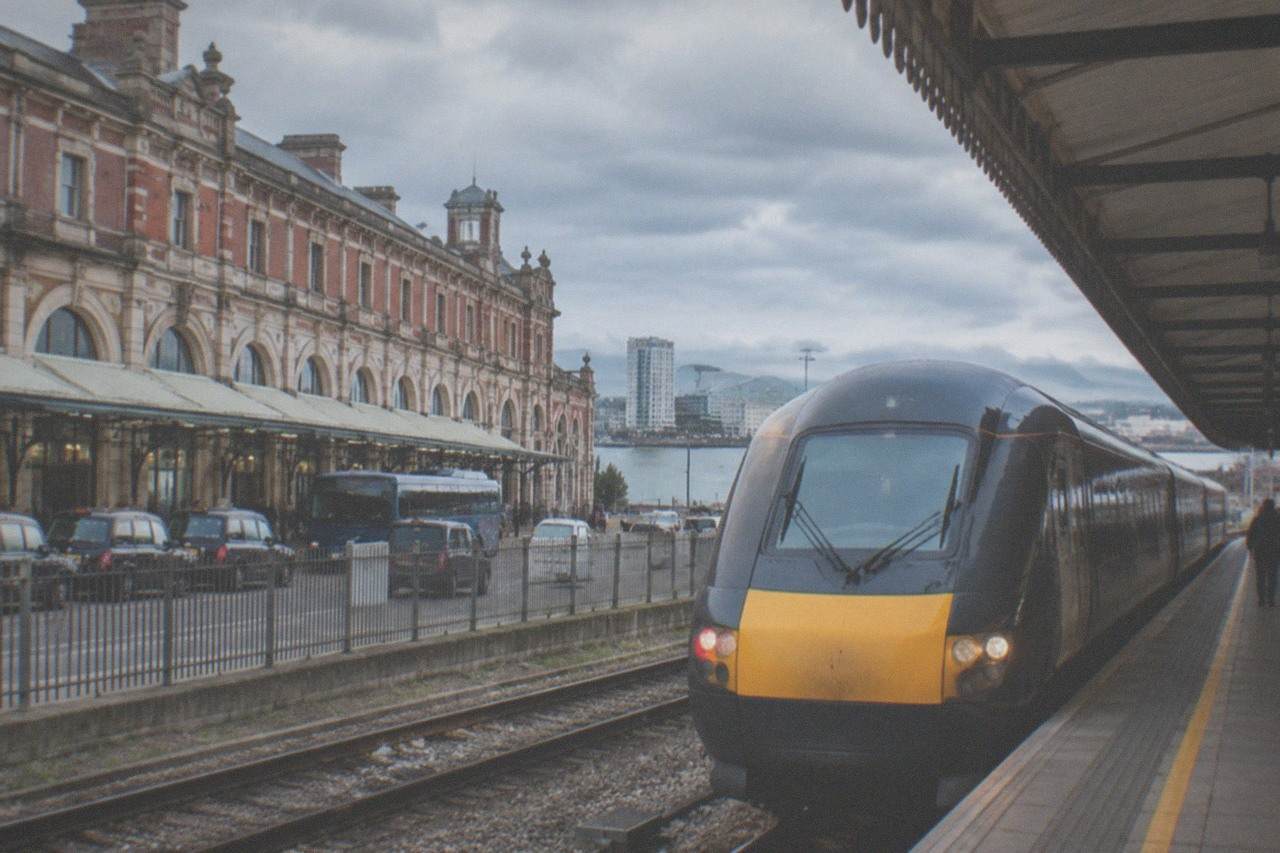
What Is The Easiest Way To Get To Cardiff?
For most travellers the easiest way to get to Cardiff is the direct train from London Paddington, which runs roughly hourly and averages 1 hour 53 minutes, with the fastest services closer to 1 hour 44. The city's own airport is 12-15 miles from the centre, 20-30 minutes by car or the official T9 bus, and Cardiff Central station sits a short walk from the castle, the arcades and the museums.
That combination is unusual for a UK capital. You can leave central London after breakfast and be standing outside Cardiff Castle before lunch, without a transfer, a second ticket or a car. Cardiff Travel Guide covers the city district by district, but this page sticks to one question: what is genuinely the simplest route in, depending on where you start.
The short answer depends on your starting point. From London and the south east, the train wins on speed and simplicity. From the Midlands or the north, you may change once at Birmingham or Crewe. From overseas, you have a choice between Cardiff Airport, Bristol Airport about an hour away, and London's airports with a onward rail connection. From within Wales, the train or the M4 does the job.
If you would rather let someone else handle the logistics once you arrive, a guided day that bundles the castle and the National Museum into a single itinerary removes the need to plan a route at all.
What Is The Train Journey From London To Cardiff Like?
Direct Great Western Railway trains from London Paddington to Cardiff Central run at least twice hourly at peak times, with the fastest journey 1 hour 44 minutes and an average of 1 hour 53. Advance single fares commonly start from £25-£55 depending on date and flexibility, and the train deposits you in the middle of the city.
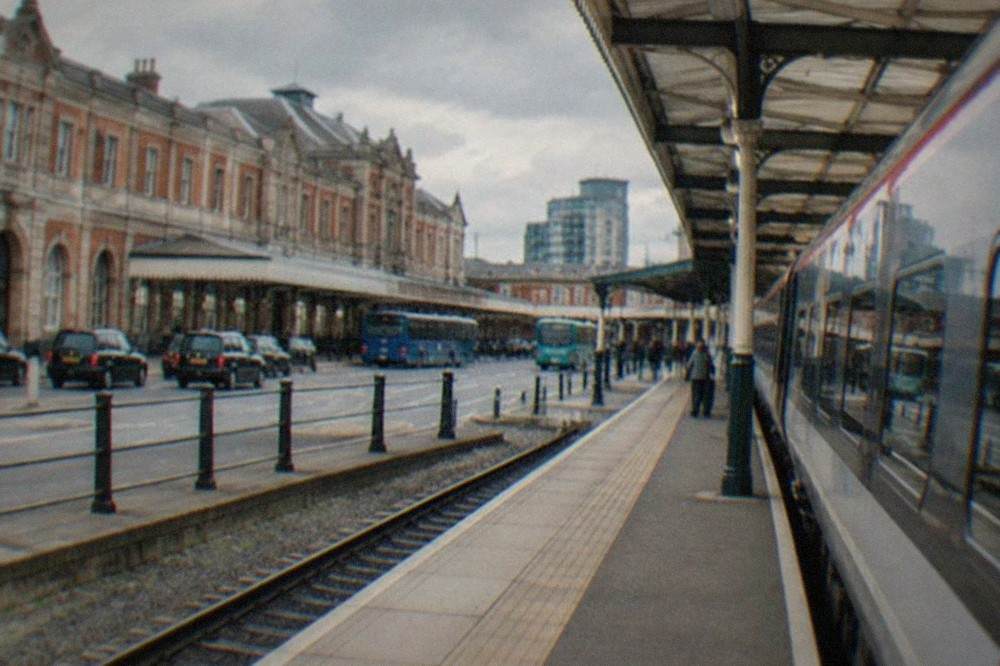
The rail route is the answer for most visitors, and it is not a marginal win. Cardiff Central is a ten-minute walk from the castle walls and roughly eight minutes from the main shopping streets, so there is no airport transfer, no taxi rank queue and no navigation to speak of. GWR's own route page confirms the hourly-or-better direct service pattern.
Coach travel is the budget alternative. FlixBus and National Express run the corridor with fares commonly between £6 and £20, but journey times stretch to 3 hours 15 minutes to 4 hours 15 minutes, so you trade two hours of your day for the saving. For a weekend break, that trade rarely makes sense.
| Route | Typical journey time | Notes |
|---|---|---|
| London Paddington to Cardiff Central (direct train) | ~1h 44m to ~1h 53m | At least hourly; advance singles from ~£25 |
| London to Cardiff (coach) | ~3h 15m to ~4h 15m | Fares commonly £6-£20 |
| Bristol Temple Meads to Cardiff Central (train) | ~47 minutes | Dozens of daily services |
| Birmingham to Cardiff (train) | 2 hours | Usually direct |
One planning note worth having: Cardiff Central is mid-way through a £140 million redevelopment that received final business case approval in December 2025, with the majority of work targeted for completion by 2028-2029. The station stays open throughout, but the footway along the south wall on the Penarth Road side closed temporarily from late September 2026, so follow the signed alternative access if you arrive on that side.
Should You Fly Into Cardiff Airport Or Bristol Airport?
Cardiff Airport (CWL) is 12-15 miles from the city centre, a 20-30 minute drive, served by the official T9 bus direct to the centre. Bristol Airport is roughly an hour away by road, but it carries far more routes, so the right choice depends on where you are flying from rather than on convenience alone.
Cardiff Airport has had a strong run recently. It welcomed over one million passengers in the twelve months to June 2026 and was named the UK's second-fastest-growing airport by the Civil Aviation Authority, with passenger numbers up 24% in the first quarter of 2026. It also scored 77% and ranked fifth out of 27 airports in a recent Which? survey, and it retained a "Very Good" accessibility rating from the CAA. For a small airport it punches above its weight, and arrivals are calm in a way larger hubs are not.
The trade-off is route coverage. If your departure city is served from Cardiff, use it: the transfer is short and simple. If not, Bristol Airport connects to Cardiff by the National Express 216 coach, which runs multiple direct journeys a day taking 1 hour 20 to 1 hour 30, with fares from £7 to £21.50 depending on how early you book. FlixBus runs similar services from £6.
Once you are on the ground, there is a decision to make about how to spend your first day, and it is worth making it before you travel.
| Arrival option | Distance or time to centre | Best for |
|---|---|---|
| Cardiff Airport + T9 bus | 12-15 miles, 20-30 min drive | Direct flights into Wales |
| Bristol Airport + 216 coach | ~1h 20-1h 30 by coach | Wider route network |
| London airports + train from Paddington | Flight plus ~1h 53m rail | Long-haul arrivals |
| Own car via M4 | Depends on origin | Coastal detours and day trips |
Is Driving To Cardiff A Good Idea?
Driving to Cardiff is easy, since the city sits at the western end of the M4 with the Severn crossings carrying traffic straight in from England, but parking in the centre is metered and event-day restrictions apply. For a car-free city break, the train remains the simpler option; for a trip built around Gower, the Bannau Brycheiniog or the Wye Valley, a car earns its keep.
The honest split is this: arriving is simple, parking is the friction. District car parks run by the council introduced 30 minutes of free parking in late 2025, then charge from 50p per hour, while premium city-centre sites can reach £5.90 or more per hour. On Principality Stadium event days, Blue Badge holders lose their free-parking exemption in council car parks, and central streets fill hours before kick-off.
If you do drive in, the practical move is to park once and forget the car. The city centre is compact, and the castle, the arcades, Cardiff Market and the National Museum all sit within a short walk of each other. Our parking in Cardiff guide breaks down the cheapest car parks street by street.
Petrol is worth a mention for anyone budgeting the drive: as of late September 2026 the cheapest fuel in the city was 170.9p per litre, with the area average near 173.8p.
How Do You Get Around Once You Have Arrived?
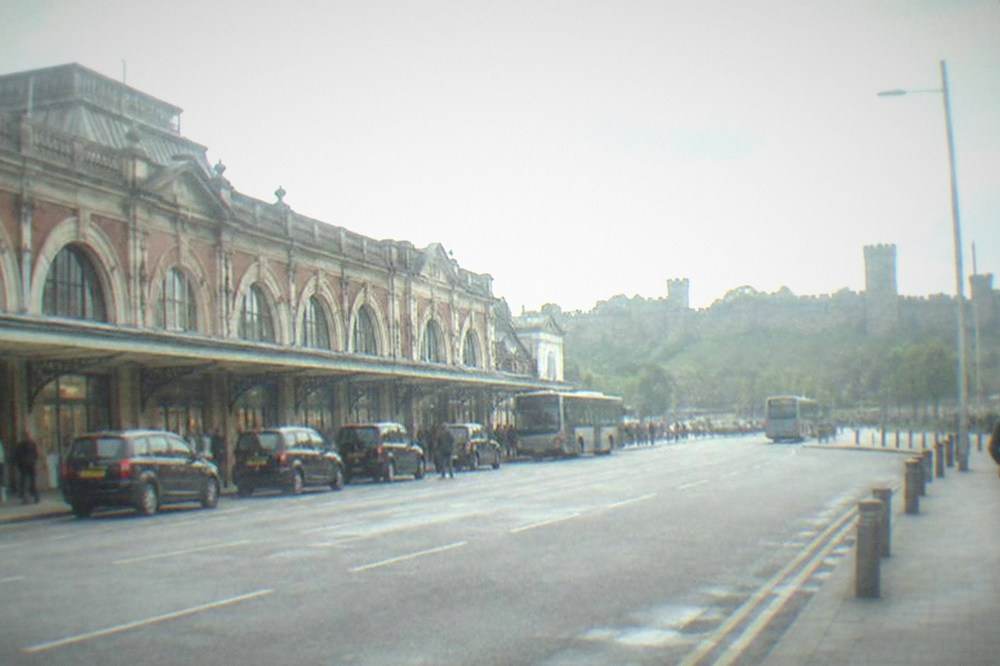
Walking. Cardiff Central station to Cardiff Castle is roughly eight minutes on foot, and the main sights cluster within a compact centre, which is why the city is repeatedly described as one of Britain's most walkable capitals. For longer hops, the Bay is a short train or bus ride, and buses run on a flat single fare published on the operator's own fare pages.
The numbers back this up. Cardiff recorded 143.5 million walking and wheeling trips in 2025, making it the most common way residents move around, and the main visitor attractions genuinely are clustered. The castle, the Victorian arcades, the National Museum and Bute Park form one walkable block; Cardiff Bay is the one sight that usually justifies a bus or the short rail hop from Queen Street.
For the Bay, the waterbus is the more memorable option: a Cardiff Bay boat tour is rated 3.8 across 427 reviews and offers the harbour from the water rather than through a window. Guided cycle tours, rated 5 across 131 reviews, are another way to cover the Barrage and the Bay without waiting for a bus.
For a fuller picture of buses, trains and the Bay hop, read getting around Cardiff. And if your visit is short, a guided introduction can compress the orientation problem into a couple of hours: the city highlights walking tour, rated 4.8 across 127 reviews, covers the core centre on foot.
Common Questions About Getting To Cardiff
What is the easiest way to get to Cardiff?
For most travellers, the direct train from London Paddington: roughly hourly departures, an average journey of 1 hour 53 minutes, and arrival at a station within a ten-minute walk of the castle. From overseas, Cardiff Airport is 20-30 minutes from the centre if your route is served; otherwise Bristol Airport plus the 216 coach.
How far is Cardiff Airport from the city centre?
12-15 miles, a 20-30 minute drive, with the official T9 bus running direct to the centre. Rail connections are also available via nearby stations; plan the exact leg through Traveline Cymru.
Do I need a car in Cardiff?
No. The centre is compact and walkable, Cardiff Bay is a short bus or train ride away, and parking in the centre is metered with event-day restrictions. A car only earns its keep if you plan day trips to the Gower, Bannau Brycheiniog or the Wye Valley.
How long is the train from London to Cardiff?
The fastest direct services take 1 hour 44 minutes, with an average closer to 1 hour 53. Advance single fares commonly start from £25-£55 depending on date and flexibility, so book early for the lower end.
Is Cardiff walkable from the station?
Yes. Cardiff Central to the castle is roughly an eight-minute walk, and the arcades, the market and the National Museum all sit within easy walking distance, which is why the train beats flying or driving for most short visits.