Museums In Cardiff: A Complete Guide To Every Gallery, Castle And Science Centre
Cardiff punches well above its size for museums. Two national museums cost nothing to enter, a 2,000-year-old castle sells itself as a living exhibit, and some of the best industrial heritage in Britain sits within an hour of the city centre.
Short answer
Cardiff has two free national museums, National Museum Cardiff and St Fagans National Museum of History, plus paid options including Cardiff Castle at £16, Techniquest at £17 for adults and Big Pit near Blaenavon with free entry. St Fagans drew 570,207 visitors in 2025, making it the most visited attraction in Wales.
Cardiff is one of the cheapest museum cities in Britain, and hardly anyone seems to have noticed. The Welsh Government funds two national museums in the capital, and both cost exactly nothing to walk into: National Museum Cardiff in the civic centre, and St Fagans National Museum of History on the western edge of the city. Between them they pulled close to a million visits in 2025, and St Fagans alone was named the UK's best free-to-visit day out in a 2026 Which? analysis, scoring 94 percent.
Around those two free anchors sits a wider ecosystem: a castle that charges £16 for adults and behaves partly like a museum, a hands-on science centre on the waterfront, a Victorian market undergoing a year-long restoration, and, within easy reach, a coal mine you can descend into and some of the finest Cadw-run heritage sites in the country. This guide from Cardiff Travel Guide walks through all of them, with verified prices, opening patterns and honest advice about which ones deserve your limited time.
Which Museums In Cardiff Are Worth Your Time?
The two that matter most are free: National Museum Cardiff for art and natural history in the city centre, and St Fagans for open-air history a short bus ride west. Cardiff Castle at £16 is the essential paid option, Techniquest at £17 for adults is the family pick, and Cardiff Market rounds out a museum day for the price of lunch. Most visitors can cover the highlights in two days.
That is the short version. The longer version depends on what kind of museum visitor you are. If you want paintings, the National Museum's galleries hold works by Turner and Monet alongside Welsh artists, plus the Evolution of Wales natural history display with its dinosaurs and mammoth. If you prefer your history outdoors, St Fagans spreads more than forty re-erected historic buildings across a hundred acres of parkland, with working crafts, farm animals and a large play area. Both are free, funded by the Welsh Government, though special exhibitions at the National Museum can charge separately.
The paid tier is small but strong. Cardiff Castle's ticket covers the Norman keep, the Roman wall remains and the extravagantly decorated Victorian apartments. Techniquest, the science discovery centre in Cardiff Bay, is the one museum here aimed squarely at children, and it celebrated its 40th anniversary in 2026 with new exhibits. And if you define a museum loosely as a place that preserves and explains the past, Cardiff Market's Victorian trading floor qualifies, especially now that a major restoration of its glass roof is under way.
| Museum | Area | Adult admission | Best for |
|---|---|---|---|
| National Museum Cardiff | Civic centre | Free | Art, dinosaurs, rainy days |
| St Fagans National Museum of History | St Fagans, west Cardiff | Free (parking £7/day) | Families, open-air history |
| Cardiff Castle | City centre | £16 | Medieval and Victorian history |
| Techniquest | Cardiff Bay | £17 (with donation) | Children, hands-on science |
| Cardiff Market | City centre | Free entry | Food, Victorian architecture |
| Big Pit National Coal Museum | Blaenavon, ~1 hour north | Free (underground tour £5-£8) | Industrial heritage day trip |
One planning note worth knowing before anything else: Cardiff's museums cluster into two zones. The National Museum, Cardiff Castle, the arcades and Cardiff Market all sit within a fifteen minute walk of each other in and around the city centre. St Fagans and Techniquest both need a bus or a short drive. Group your days accordingly rather than zigzagging.
What Can You See At National Museum Cardiff?
National Museum Cardiff holds Welsh and international art, including works by Turner and Monet, plus the Evolution of Wales natural history galleries with dinosaur skeletons and a mammoth. Entry is free, it opens Tuesday to Sunday 10:00-17:00 with galleries closing 16:45, and it is closed on Mondays except most bank holidays.
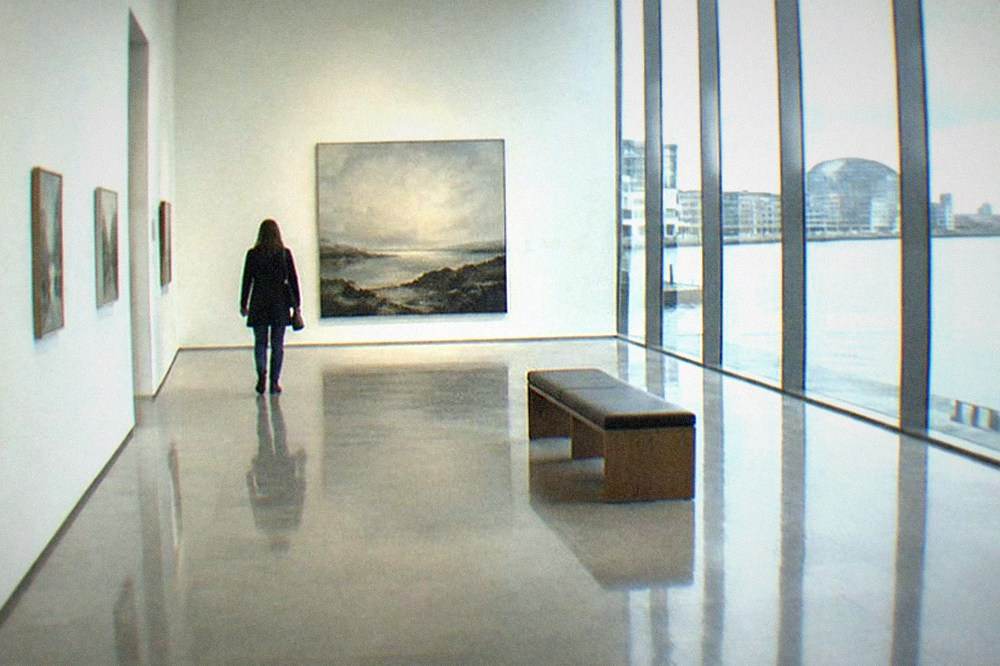
The art collection is the draw for many visitors. Welsh painting and sculpture get dedicated space, and the museum's Impressionist holdings mean big names appear on the walls alongside regional artists. The 2026 exhibition programme included Gwen John: Strange Beauties, running February to June, a reminder that the temporary galleries rotate even though the permanent collection costs nothing. Some special exhibitions charge separately, and the museum recommends booking a free day ticket in advance at busy times.
The natural history side is where families tend to linger. Evolution of Wales walks you through hundreds of millions of years of geology and life, ending with the Ice Age animals, including the mammoth that has become something of a mascot. The museum also rents augmented-reality experiences for £7 per hour, an option that turns the galleries into a scavenger hunt for older children.
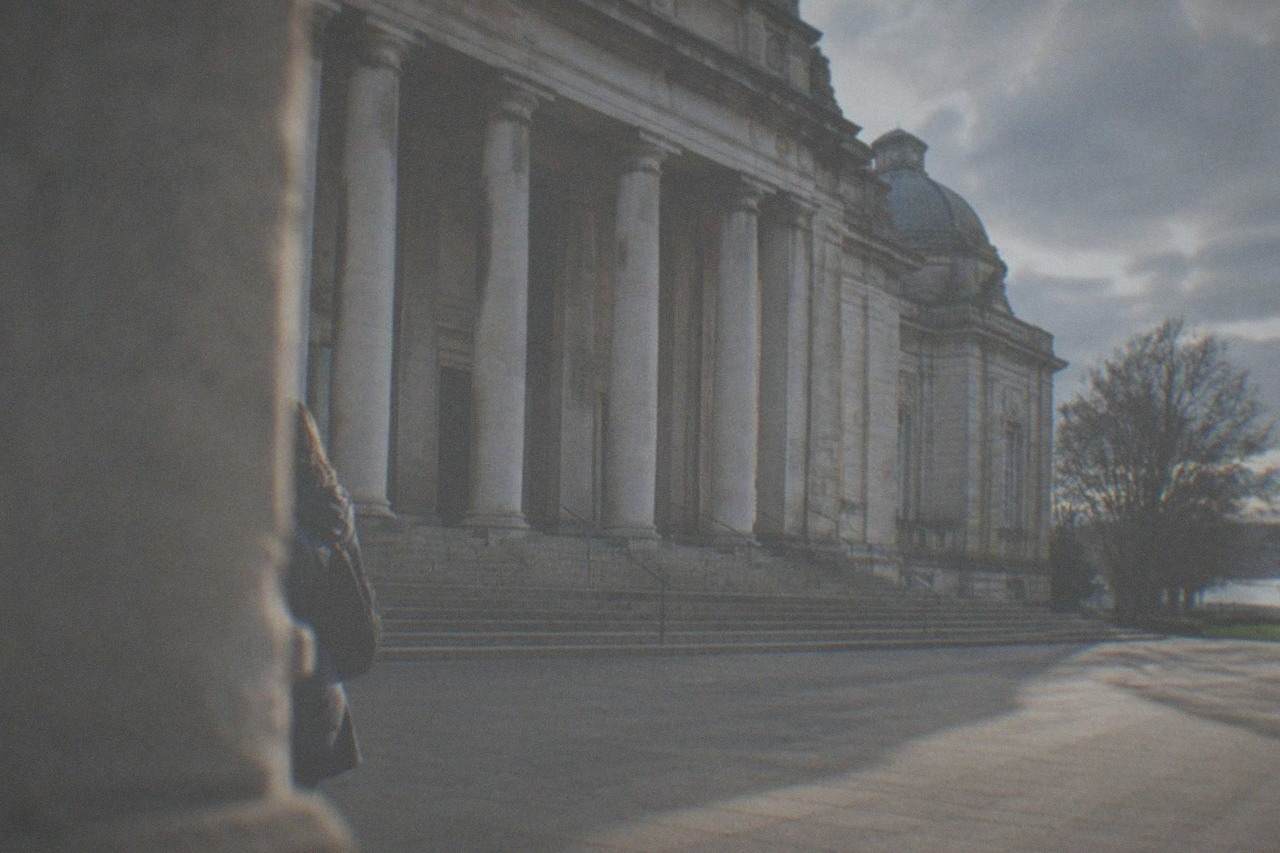
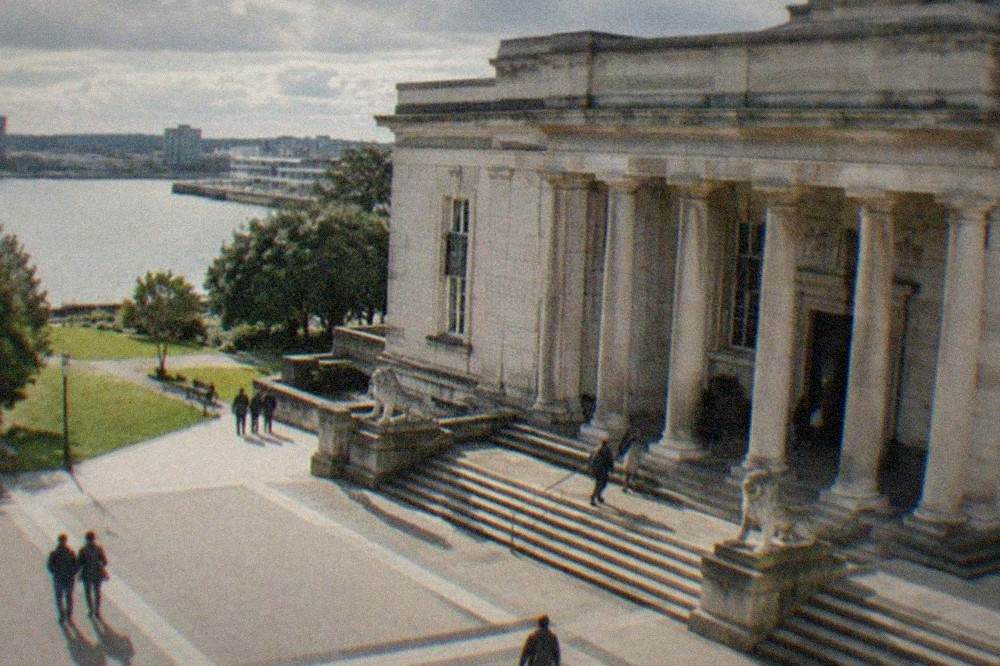
The building itself deserves a mention. It sits at the head of the civic centre, one of the finest groups of civic buildings in Britain, with Portland stone porticos and lawns in front. On a dry day, the walk from Cardiff Castle through Bute Park and up to the museum is one of the pleasantest museum approaches in the UK. On a wet one, the museum is one of the best full-day indoor options in the city, a point worth remembering given Welsh weather. For more along those lines, see our rainy day guide to Cardiff.
Visually, the museum recorded 356,021 visits in 2025, the second highest figure of any attraction in Wales. Practical details are on the museum's own site: museum.wales/cardiff/visit.
If you would rather someone else handle the logistics of pairing the castle with the museum, a guided option exists. The Cardiff in a Day tour covers both the castle and the National Museum in roughly seven hours, and as a newer listing it carries only four reviews so far, too few for a reliable star rating. It is one way to compress the city's two headline sights into a single day without route planning.
Why Is St Fagans The Most Visited Attraction In Wales?
St Fagans National Museum of History welcomed 570,207 visitors in 2025, the third consecutive year it topped the Welsh visitor table. Entry is free, it opens daily 10:00-17:00 with seasonal variation, and parking costs £7 for the day. Its 40-plus re-erected historic buildings, craft demonstrations and farm animals make it the UK's best free day out according to a 2026 Which? analysis.
St Fagans works on a simple but powerful idea: instead of preserving Welsh buildings where they stand, the museum dismantles them brick by brick and rebuilds them on one site. The result is a walkable timeline of Welsh domestic life, from rural cottages and a toll house to a terraced street of ironworkers' homes, a chapel, a workmen's institute and shops. Craft demonstrators work in several of the buildings, baking, blacksmithing and weaving in front of you.
The grounds are as much of the attraction as the buildings. Llwyn-yr-eos Farm keeps livestock, and there is a large play area that makes the museum genuinely work for families with small children, not just tolerable for them. Note one current limitation: the farm was closed for woodland work at the time of research, and re-roofing works at St Fagans Castle mean some rooms are off limits. Neither affects the open-air core of the visit.
Getting there takes some planning. The museum sits about four miles west of the city centre, served by regular buses, and the £7 parking charge is the only compulsory cost if you drive. Most visitors spend at least half a day; families with children routinely spend the whole day and still leave with things unseen. Combine it with lunch rather than expecting a quick in-and-out.
St Fagans also anchors the free tier of any Cardiff budget. Together with the National Museum, the Senedd and the Cardiff Bay Barrage, it means a visitor can spend two full days in the capital without paying a single admission fee, a claim very few European capitals can make. Our free things to do in Cardiff guide builds out that itinerary in full.
Is Cardiff Castle A Museum Or An Attraction?
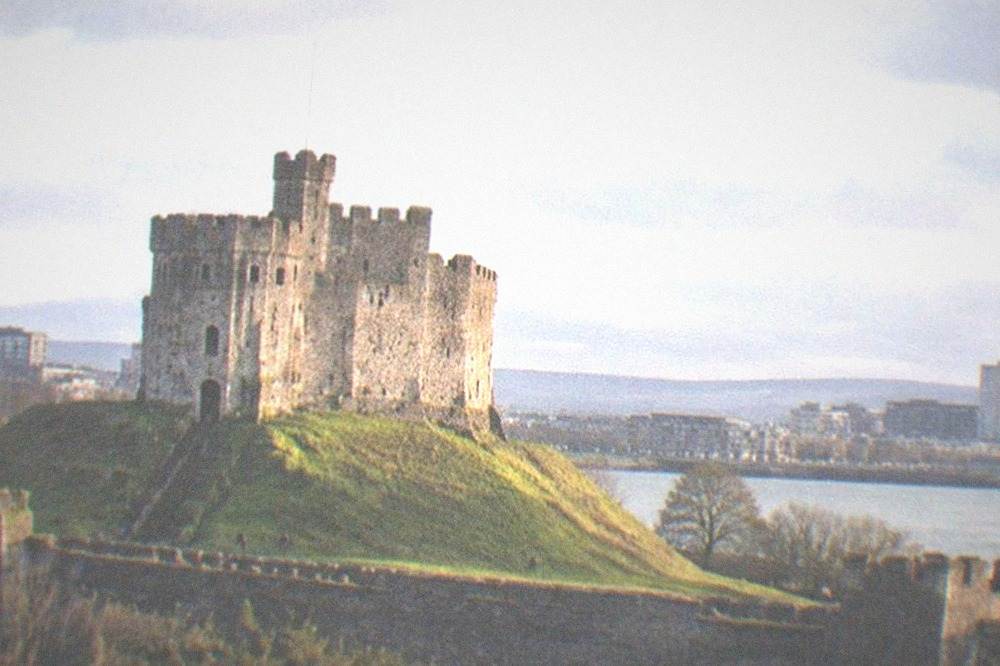
Cardiff Castle is best understood as both: its Roman walls, Norman keep and Victorian gothic apartments make it the closest thing the city centre has to a museum, and the £16 adult ticket includes the castle grounds, the keep and the apartments. It opens daily except Christmas Day, Boxing Day and New Year's Day, with summer hours running to an 18:00 close and last entry at 17:00.
The layers are what make it remarkable. A Roman fort stood on the site, and stretches of the Roman wall still survive. The Norman keep, raised on its motte, is a steep climb with the best rooftop view of the city centre. Then comes the third castle entirely: the Victorian apartments created for the Bute family, whose decoration, including the famous Arab Room, is among the most extravagant interiors in Britain. Atlas Obscura lists the Arab Room among Cardiff's most unusual sights.
Two practical warnings from the castle's own 2026 announcements. Summer concerts in the grounds force early closures or full closures on specific dates in June, July and August, sometimes with last entries as early as 12:00. And the winter schedule shortens hours from November to February. Check the castle's own pages before you set out: cardiffcastle.com/times-prices.
For visitors who want the museum experience of the castle with expert interpretation, a guided connoisseur tour of the castle exists as a bookable product. It currently shows 36 reviews without a published star rating on the live listing, so judge it on the itinerary rather than the score. A good middle path for independent travellers is the castle's own audio guide, included with admission, followed by the free National Museum the same afternoon since they are a ten minute walk apart.
Screen history is another thread running through the castle quarter. Cardiff served as a production base for the revived Doctor Who series, and a dedicated walking tour of filming locations around the city centre runs about two hours, rated 4.8 across 153 reviews. It pairs naturally with a castle morning for visitors who like their museums with a side of television trivia.
What Family Science Options Does Cardiff Have?
Techniquest in Cardiff Bay is Cardiff's dedicated science museum, aimed at children from toddler age upward, with adult tickets at £17 with donation, child tickets at £15 and a family ticket at £58. It opens Wednesday to Sunday in term time and daily during school holidays, and 2026 marks its 40th anniversary with a new creative zone and returning classic exhibits.
Techniquest marked four decades in 2026 by opening the Bradbury Create and Shape Zone at Easter and bringing back fan favourites including the Mirror Maze and Head on a Plate, alongside new music-themed exhibits and a live science show for the summer. For visiting families it is the most reliable half-day in the city when the weather turns, sitting on the waterfront at Cardiff Bay with the Wales Millennium Centre next door.
Term-time hours are worth checking before you commit: the centre runs Wednesday to Friday afternoons only, 14:00-17:00, with full 10:00-17:00 opening on weekends and every day in school holidays. That makes it a weekend attraction for much of the autumn and spring, and a daily option in the summer. Under-3s enter free. The surrounding Bay area supplies the rest of the day: the Senedd's public spaces cost nothing, the Wales Millennium Centre foyer is free to wander, and the Barrage walk is an open public route with no admission fee at all.
| Techniquest ticket | Price |
|---|---|
| Adult (with donation) | £17 |
| Child | £15 |
| Family | £58 |
| Under-3s | Free |
For families planning a fuller trip, our Cardiff with kids coverage has the wider picture, but the short version is that a Techniquest morning plus a St Fagans afternoon makes a strong one-two punch, and only one of them costs anything beyond bus fares.
Which Museum Day Trips Work From Cardiff?
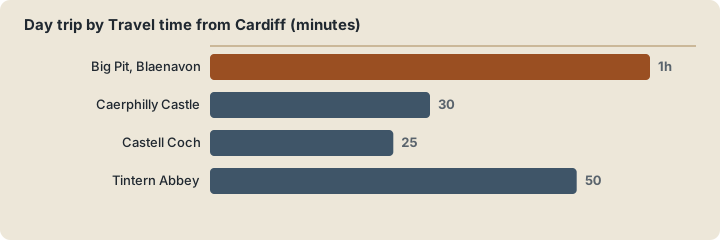
The best museum day trips from Cardiff are Big Pit National Coal Museum at Blaenavon, about an hour north, with free entry and underground mine tours costing £5 on arrival or £8 booked in advance, and Caerphilly Castle, 30 minutes away, with adult admission of £12.90. Both pair easily with the city's own museums for a multi-day itinerary.
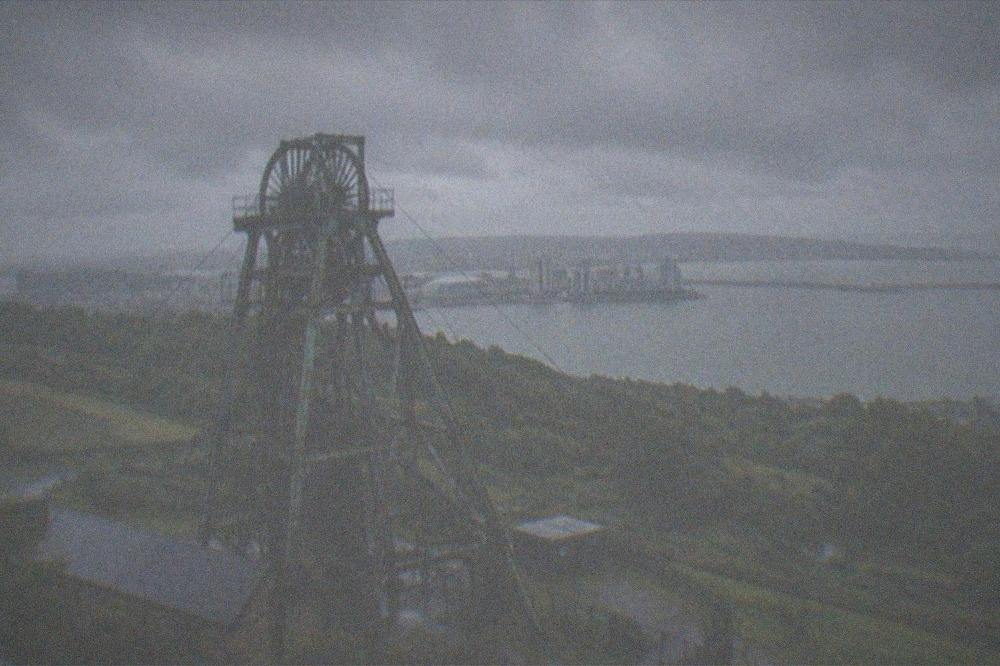
Big Pit is the standout. A former working coal mine at Blaenavon, now part of the UNESCO World Heritage Site, it sends visitors 90 metres underground with former miners as guides. Museum entry is free, parking is £5 for the day, and the underground tour costs £5 on arrival, first come first served, or £8 for a timed ticket booked ahead. The site opens daily 9:30-17:00 with last entry at 16:00 and tours running 10:00-15:30. Over the summer of 2026 the underground tours ran free on arrival, subject to availability, so it is worth checking the museum's page before you go: museum.wales/bigpit/visit.
Caerphilly Castle is the other obvious pairing. It is the largest castle in Wales and the second largest in Britain, and its Great Hall reopened after a two-year conservation programme with new digital exhibits, which earned it a place on Time Out's 2026 list of the best things to do in the UK. Cadw charges £12.90 for a single-site adult ticket, with 5 percent off for booking online, and a joint ticket with Castell Coch (£10.40 on its own) covers both. Cadw's official page carries current hours: cadw.gov.wales/visit/places-to-visit/caerphilly-castle.
| Day trip | Travel time from Cardiff | Admission | Underground/extra |
|---|---|---|---|
| Big Pit, Blaenavon | ~1 hour | Free | Mine tour £5-£8, parking £5 |
| Caerphilly Castle | ~30 minutes | £12.90 adult | 5% off online |
| Castell Coch | ~25 minutes | £10.40 adult | Joint ticket with Caerphilly |
| Tintern Abbey | ~50 minutes | £9.40 adult | 10% reduction during repairs |
One caution for itinerary builders: Llancaiach Fawr Manor, a living history museum north of Cardiff that appears on many older day-trip lists, has been closed since late 2025 with a reopening expected towards the end of 2026. Do not build a day around it without confirming it has reopened. Our day trips from Cardiff guide covers the full range of options, museum and otherwise.
How Much Does A Museum Day In Cardiff Cost?
A full museum day in Cardiff can cost nothing at all, thanks to free entry at the National Museum and St Fagans, or £33 per adult with Cardiff Castle at £16 and Techniquest at £17. Add bus fares and parking, and a two-museum day with the castle typically lands between £20 and £40 per adult, making Cardiff one of the best-value museum cities in the UK.
The numbers below are the verified admission figures for the core sites. What they show is how unusual Cardiff's pricing structure is: the two biggest museums are entirely free, and the paid options are attractions rather than galleries, so a visitor controls their own spend.
| Site | Adult admission | Notes |
|---|---|---|
| National Museum Cardiff | Free | Special exhibitions may charge |
| St Fagans | Free | Parking £7/day |
| Cardiff Market | Free | Traders' goods at market prices |
| Cardiff Castle | £16 | Audio guide included |
| Techniquest | £17 | With donation; child £15 |
| Big Pit | Free | Underground tour £5-£8 |
| Caerphilly Castle | £12.90 | 5% off booked online |
| Castell Coch | £10.40 | Joint tickets available |
A few ways to stretch the budget further. Cadw's Open Doors scheme opens heritage sites across Wales for free every September, with 2026 events at Insole Court and other Cardiff venues. The Welsh Government's bus fare scheme keeps singles at £1 for ages 5 to 21 with a mytravelpass, extended to March 2027. And Cardiff Council's neighbourhood car parks offer 30 minutes free, useful for quick market stops. For the wider picture on spending, our Cardiff on a budget guide goes deeper.
How Should You Plan A Two-Day Museum Itinerary?
Day one should pair Cardiff Castle in the morning with the National Museum in the afternoon, both walkable from the centre, with the arcades and Cardiff Market for lunch. Day two belongs to St Fagans for most of the day, with Techniquest or the Cardiff Bay waterfront in the late afternoon. This covers every major museum in the city with no rushed legs.
The logic is geographic. The castle and the National Museum sit at either end of a fifteen minute walk through Bute Park, so a castle opening at 09:00 or 10:00 followed by a museum afternoon uses the day efficiently. The museum closes at 17:00 with galleries shutting 16:45, so aim to arrive by 14:30 to see the art and the dinosaurs without hurrying.
Day two needs a bus west to St Fagans. Arrive for the 10:00 opening, take lunch at one of the museum's cafes or bring a picnic for the grounds, and plan on four to five hours. If you have children, the play area will absorb whatever time the buildings do not. The return journey drops you back in the centre in time for the arcades before the shops close, most of them 17:30 on weekdays and Saturdays.
Travellers who prefer to leave the route to someone else have a couple of options. The Cardiff in a Day tour, roughly seven hours, combines the castle and the National Museum with a guide, and suits visitors with only a single day in the city. Its listing is new enough that only four reviews exist, so there is no meaningful star rating yet, but the itinerary matches exactly what an independent version of day one would look like.
For a different angle on the same city, a walking tour led by a Cardiff local, The Heart of Wales: Cardiff's Story, runs about two hours and is rated 4.9 across 12 reviews. It is not a museum visit, but it supplies the connective tissue between the buildings, the story of how a coal-exporting town became a capital, and it fits neatly into a museum day's gaps.
Common Questions About Cardiff Museums
Are museums in Cardiff free?
Two of the biggest are: National Museum Cardiff and St Fagans National Museum of History charge no admission, funded by the Welsh Government. Cardiff Castle costs £16 for adults, Techniquest costs £17 with donation, and Big Pit is free to enter with a paid underground tour.
How many museums are there in Cardiff?
Cardiff has two national museums, a castle that functions partly as a museum, a science centre in Techniquest, and a Victorian market, plus smaller galleries. Counting the major sites only, most visitors find five distinct museum experiences, with Big Pit and several Cadw castles within day-trip range.
What is the most visited museum in Wales?
St Fagans National Museum of History in Cardiff, with 570,207 visitors in 2025, its third consecutive year at the top of the Welsh visitor table. National Museum Cardiff was second in Wales with 356,021 visits in the same year.
Is the National Museum Cardiff open on Mondays?
No. It opens Tuesday to Sunday, 10:00-17:00, with galleries closing 16:45, and it opens on most bank holiday Mondays. Cardiff Castle and St Fagans are the Monday alternatives, both open daily apart from the Christmas and New Year closures.
Do I need to book Cardiff museums in advance?
The National Museum recommends booking a free day ticket at busy times, and Techniquest benefits from advance booking in school holidays. St Fagans needs no booking, only the £7 parking payment if you drive. Big Pit's underground tour can sell out, so book the £8 timed ticket ahead or arrive early for the £5 on-arrival option.
Is Cardiff Castle worth it if you only visit one paid museum?
For most visitors, yes. The £16 ticket covers 2,000 years of layered history, from Roman wall to Norman keep to Victorian apartments, and the Arab Room alone justifies the price for many. It is also the most central paid option, a ten minute walk from the free National Museum.