Caerphilly Castle Day Trip From Cardiff: Tickets, Travel And What To See
Caerphilly Castle is the largest castle in Wales and the second largest in Britain, and it sits a short train ride from Cardiff. Here is how to plan the day: what tickets cost, when the gates open, and what not to miss once you are inside the walls.
Short answer
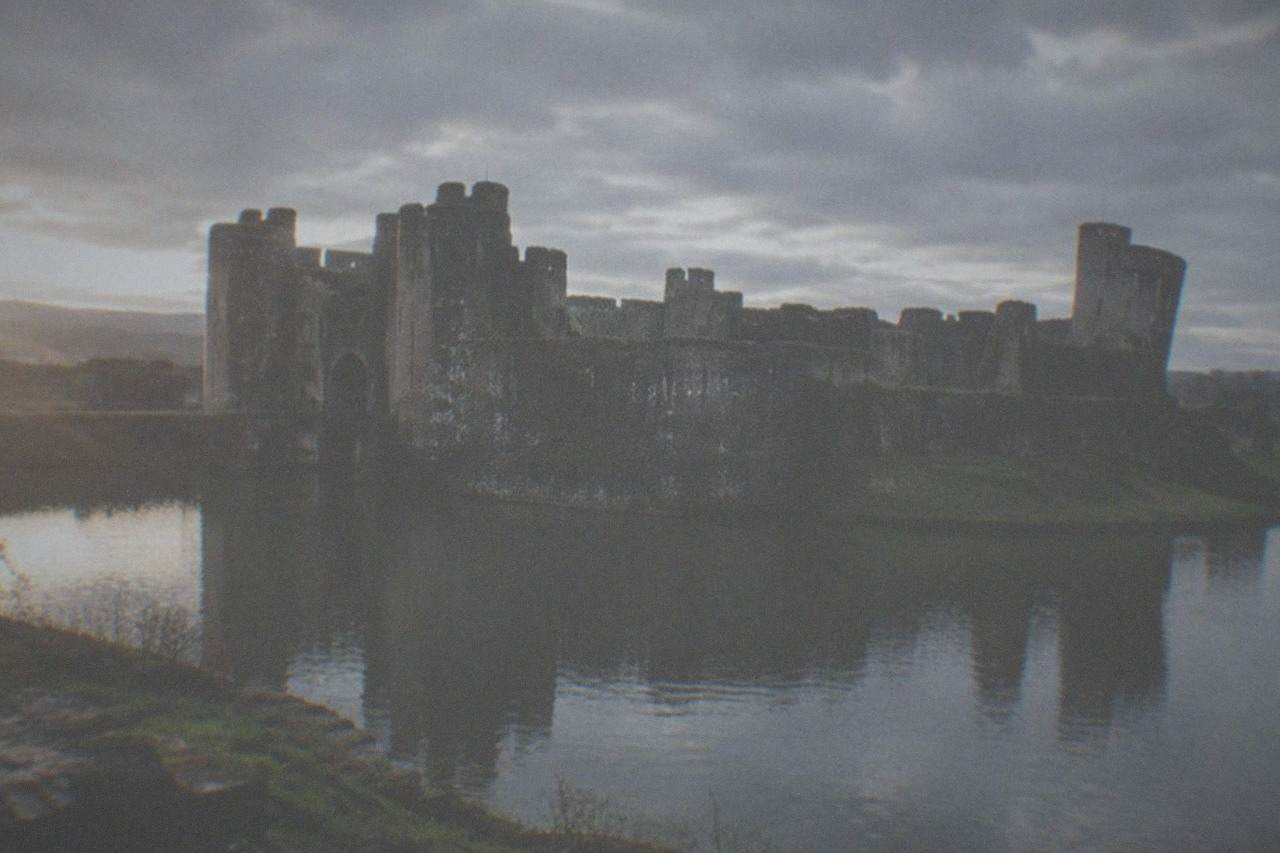
Caerphilly Castle is roughly a 30 to 40 minute journey from Cardiff and adult admission is £12.90, or £12.25 if you book online with Cadw's 5% discount. It is the largest castle in Wales and the second largest in Britain, with a reopened Great Hall, working replicas of its famous leaning tower defences, and extensive grounds you can cover in half a day.
Caerphilly Castle covers 30 acres of water defences, curtain walls and towers, and it holds two records that matter to anyone choosing where to spend a day out of Cardiff: it is the largest castle in Wales and the second largest in Britain. Only Windsor is bigger. Cadw, the Welsh Government's historic environment service, looks after it, and after a two year conservation programme its Great Hall and inner ward have reopened with new digital exhibits that tell the story of the fortress and the de Clare family who built it.
The castle is also genuinely easy to reach from Cardiff. You do not need a car, a tour or a full day, which makes it one of the most practical heritage trips in South Wales. This guide covers the current ticket prices, the seasonal opening pattern, how to get there, what to see inside the walls, and how to pair Caerphilly with other castles if you want a fuller day out. For more ideas in the same vein, see the castles near Cardiff guide, which covers the full range of options from Chepstow to Castell Coch.
Why Is Caerphilly Castle Worth A Day Trip?
Caerphilly Castle is worth a day trip because it is the largest castle in Wales, the second largest in Britain, and one of the earliest and most elaborate examples of concentric castle design anywhere in north western Europe. Its lakes, dams and moats survive on a scale no other Welsh castle matches, and its Great Hall reopened in 2025 after a two year, £8 million conservation programme.
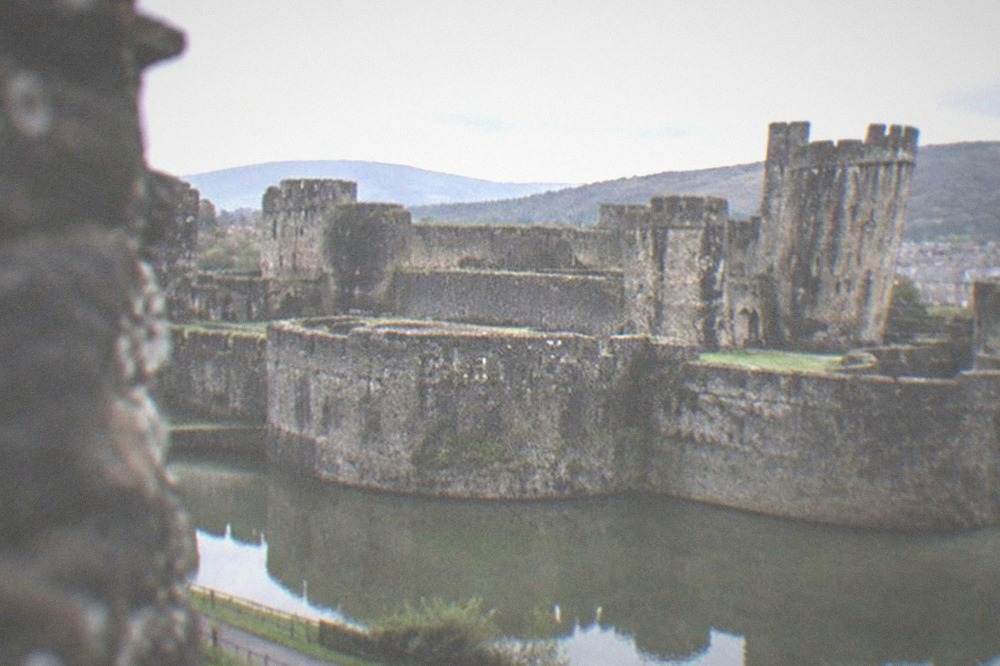
The scale is the first thing that hits you. Most visitors arrive expecting another Welsh ruin and instead find themselves looking at a fortress surrounded by water, with the inner ward ringed by an outer ward, and the outer ward ringed again by lakes and artificial islands. The water defences were not decorative. When Gilbert de Clare built the castle, he faced a Welsh prince, Llywelyn ap Gruffudd, whose forces could appear quickly from the north, and the lakes turned an approach on any side into a bottleneck.
What makes the castle work as a trip today is that so much of it is walkable. You can circuit the outer walls, cross the causeways, climb the platforms and stand in the reopened Great Hall, where the new digital exhibits reconstruct how the space would have looked during a medieval feast. The famous leaning tower, which tilts at a steeper angle than the tower of Pisa after a combination of subsidence and later stone robbing, is fenced but fully visible and unmistakably the castle's signature image.
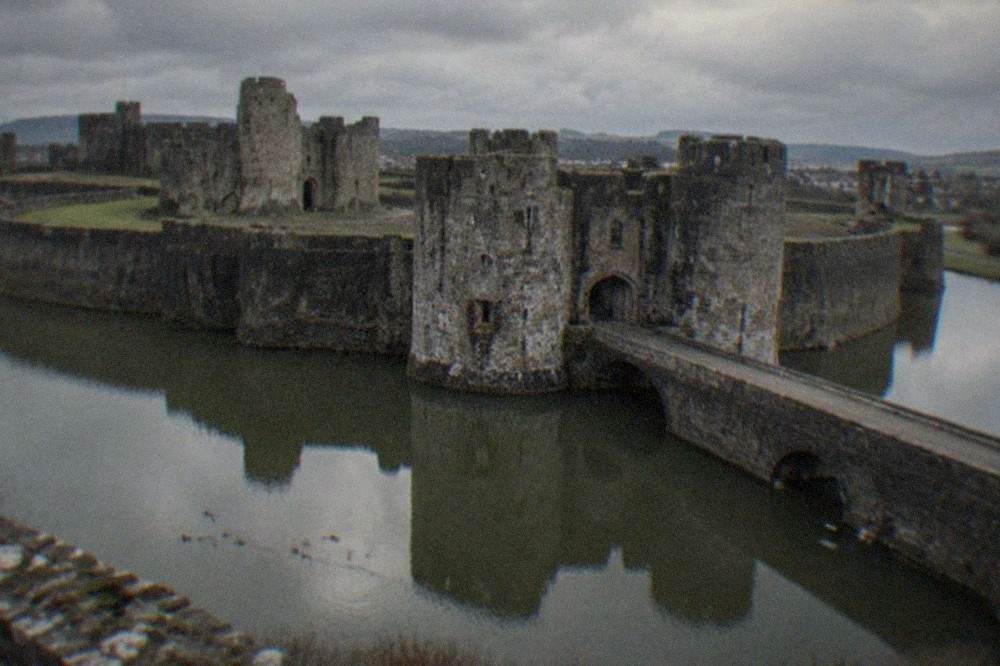
It is also a castle that rewards slow wandering rather than a checklist. The eastern island, the western island, the great hall, the inner ward and the outer gatehouses each give a different view back across the water, and on a quiet weekday morning you can have stretches of the circuit almost to yourself. For a sense of how it compares with the other fortresses within easy reach of the capital, the Cardiff Castle attraction guide covers the city's own castle and its very different, partly Victorian story.
How Much Do Caerphilly Castle Tickets Cost?
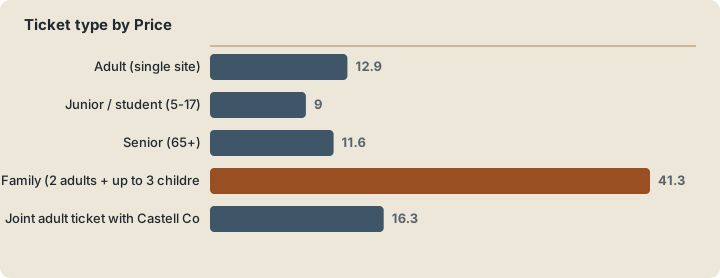
Adult admission to Caerphilly Castle is £12.90 at the gate, or 5% less if you book online through Cadw in advance. Juniors and students pay £9.00, seniors £11.60, and a family ticket covering two adults and up to three children is £41.30. Under-5s, Cadw members and a disabled visitor's companion enter free, and a joint ticket with Castell Coch costs £16.30 for an adult.
Cadw sets its prices by season, and the figures above apply to the single-site ticket for the period running 1 September 2026 to 31 March 2027. The joint ticket with Castell Coch is the detail most visitors miss: if you are planning to see both castles, and they pair naturally on a single driving loop north of Cardiff, the combined ticket undercuts buying the two admissions separately. Castell Coch alone is £10.40 for an adult, so the joint ticket saves a few pounds per person and pushes you towards doing both.
| Ticket type | Price | Notes |
|---|---|---|
| Adult (single site) | £12.90 | 5% discount booking online |
| Junior / student (5-17) | £9.00 | Under-5s free |
| Senior (65+) | £11.60 | 5% discount booking online |
| Family (2 adults + up to 3 children) | £41.30 | Best value for groups of 4-5 |
| Joint adult ticket with Castell Coch | £16.30 | Covers both Cadw castles |
| Cadw members | Free | Membership covers all Cadw sites |
Booking online is worth doing for a second reason beyond the 5% saving: on bank holiday weekends and sunny Saturdays the car park and ticket desk can both back up, and an e-ticket lets you walk straight to the gate. Cadw's own page for the castle carries the live prices and the booking link, and it is the only source to trust for them, since the operator adjusts figures each season. The current prices and hours are published at Cadw's Caerphilly Castle page.
If you would rather have someone else handle the itinerary and the driving, there are guided options that build castle days out of Cardiff. The selection below covers three contrasting ways to do it, from a full three-castles-and-abbey circuit to a private tour and a deep dive on Cardiff's own castle.
How Do You Get From Cardiff To Caerphilly?
Caerphilly is a short journey north of Cardiff, and the castle sits a few minutes' walk from Caerphilly town's centre and its railway station. Trains run regularly from Cardiff Central and Cardiff Queen Street towards Caerphilly, the journey is quick, and the station is close enough to the castle that most visitors walk. Check live fares at booking time, since rail pricing varies by date and time.
The train is the answer for most people. Services from Cardiff towards the Rhymney Valley line call at Caerphilly, and the walk from the station to the castle entrance is level and signposted through the town. Because fares on Transport for Wales services vary by when you travel and how early you book, the honest advice is to check the live fare in the app or at the ticket office rather than budgeting from a fixed figure quoted in a guide, including this one. What is stable is the geography: Caerphilly is the first big stop of the valleys, and the castle dominates the town's skyline from the moment you step off the train.
Driving is straightforward too. Caerphilly sits just off the main valley road north of Cardiff, and the town has dedicated car parking a short walk from the castle. The approach from the Cardiff direction brings you past Castell Coch on the hillside at Tongwynlais, which is why the two castles pair so naturally as a loop: Cardiff, Castell Coch, Caerphilly, and back down the valley. Allow more time than the raw mileage suggests on weekday afternoons, when the valleys commuter traffic is heavy.
For anyone building a wider heritage itinerary, the day trips from Cardiff guide ranks the full range of options, and the Tintern Abbey day trip guide covers the Wye Valley site that pairs best with a castles circuit if you have a full day and a car.
When Is Caerphilly Castle Open?
Caerphilly Castle opens 09:30-17:00 from 1 March to 30 June and from 1 September to 31 October, 09:30-18:00 in July and August, and 10:00-16:00 from November to February. Last admission is 30 minutes before closing, and the castle closes completely on 24-26 December and 1 January. Event days can restrict access, so check Cadw's page before travelling.
The seasonal pattern rewards a little planning. The summer hours give you the longest days on the islands and the water defences, which is when the castle photographs best, with the light on the lakes from late afternoon. The winter hours are shorter but the trade is smaller crowds and, on a hard frost, some of the most atmospheric conditions you will get at any British castle, with mist sitting on the moat and the leaning tower dark against a low sky.
| Period | Opening hours | Notes |
|---|---|---|
| 1 Mar - 30 Jun | 09:30 - 17:00 | Last admission 16:30 |
| 1 Jul - 31 Aug | 09:30 - 18:00 | Peak season, longest days |
| 1 Sep - 31 Oct | 09:30 - 17:00 | Last admission 16:30 |
| 1 Nov - 28 Feb | 10:00 - 16:00 | Last admission 15:30 |
| 24-26 Dec and 1 Jan | Closed | Fixed annual closure |
One practical note: because last admission is half an hour before close, an off-season visit needs to start by mid afternoon at the latest to be worthwhile. The castle is not a two hour attraction for most people; the outer circuit, the islands and the Great Hall together justify a half day, and that is before you factor in the town of Caerphilly itself, which has a market tradition, a good spread of cafes, and a famous local cheese named after it.
What Should You Not Miss Inside The Castle?
Do not miss the leaning tower, the reopened Great Hall with its new digital exhibits, the inner ward's concentric defences, the east and west islands, and the view back across the lakes from the outer fortifications. The Great Hall reopened after two years of conservation and an £8 million renovation, and it is the single biggest change to the visitor experience in a generation.
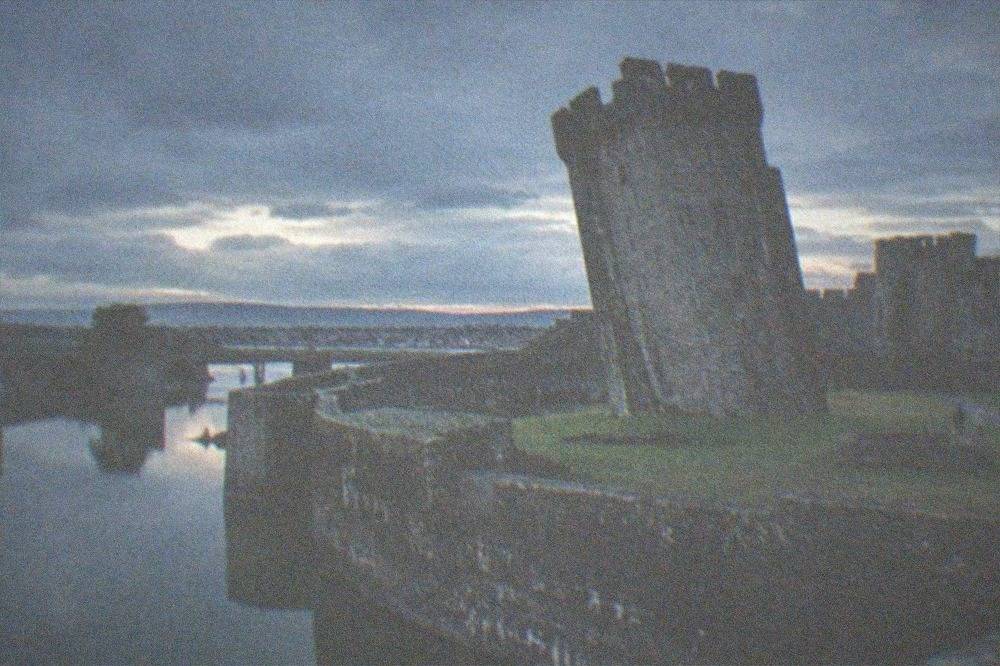
The leaning tower is the icon. The south-east tower of the inner ward leans at an angle that looks impossible, the result of ground movement and later stone removal rather than battle damage, though the castle's Civil War history, when it was deliberately slighted, contributed to the general state of ruin. You cannot climb it, but you can walk right up to its base and photograph it from the outer ward with the water in the foreground, which is the classic shot.
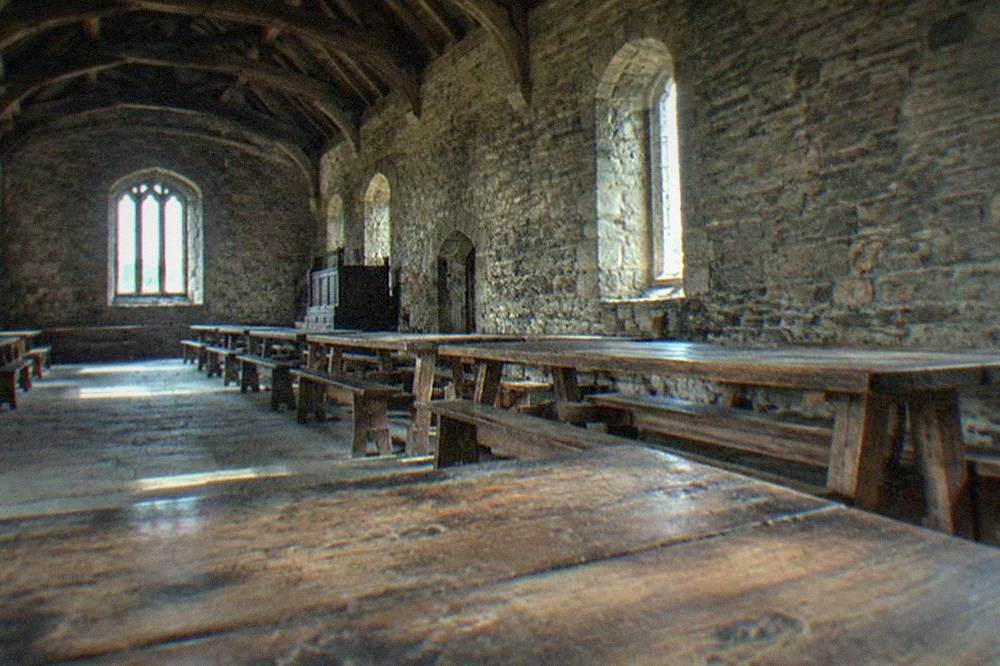
The Great Hall is the new headline act. Two years of conservation work restored the structure, and the 2025 reopening added state-of-the-art digital exhibits that reconstruct the hall's medieval appearance and walk you through the castle's building programme. For visitors who previously found the interior a little bare, this changes the balance of a visit: there is now a genuine indoor centrepiece as well as the outdoor circuit.
The islands are what make Caerphilly unlike anywhere else. The eastern and western islands were integral to the defence scheme, and today they give the best views of the castle itself, because you can stand on flat water meadow ground and take in the whole fortress across the moat. Allow time to walk the full perimeter; the western side in particular is where the sheer scale of the water engineering becomes obvious, with the dam and sluice arrangements that let the defenders control the lake levels.
Finally, look for the replica siege engines. Cadw maintains working reproductions of medieval trebuchet-style machinery on the site, and they give the clearest sense of what the castle was built to withstand. Children gravitate to them, which is one reason the family ticket at £41.30 is decent value: this is a castle that holds a younger visitor's attention for hours in a way that a roofless ruin rarely does.
Can You Combine Caerphilly Castle With Other Castles?
Yes, and the natural pairing is Castell Coch, which sits between Cardiff and Caerphilly and is covered by a £16.30 joint adult ticket. The two castles contrast perfectly: Caerphilly is vast, ruined and medieval, while Castell Coch is a compact, fully roofed Victorian fantasy reconstruction. With a car you can do both comfortably in a day, and adding Tintern Abbey extends it into a full Wye Valley circuit.
The contrast is the point. Castell Coch, the "Red Castle" on the hillside above Tongwynlais, was rebuilt by the Marquess of Bute's architect as a romantic summer retreat, and its interiors are complete, furnished and colourful in a way Caerphilly's ruins are not. Doing both gives you the two poles of Welsh castle history in one afternoon: medieval military engineering at full scale, and the Victorian imagination of what a medieval castle should be.
| Castle | Adult ticket | Character | Time needed |
|---|---|---|---|
| Caerphilly Castle | £12.90 | Vast medieval ruin with lakes | Half day |
| Castell Coch | £10.40 | Roofed Victorian fantasy castle | 1-2 hours |
| Joint Cadw ticket | £16.30 | Both of the above | One full day |
| Cardiff Castle | £16 | Roman walls, Norman keep, Victorian apartments | 2-3 hours |
If you want to go further, the Wye Valley and the south Wales valleys both extend the trip. Tintern Abbey, with its riverside ruins, is an hour or so beyond Caerphilly by car and is covered in its own guide on this site. The guided three-castles tour below handles that longer circuit with a driver and commentary, which suits visitors who would rather not navigate valley roads or plan Cadw opening times themselves.
Is Caerphilly Castle Good For Families And Children?
Caerphilly Castle works very well for families: under-5s enter free, the family ticket caps the cost at £41.30 for two adults and up to three children, the open grassed islands give children room to run, and the replica siege engines and reopened Great Hall exhibits are genuinely child friendly. The main watch-outs are open water around the moats and uneven stone surfaces.
The water needs respect. The lakes and moats are unfenced in places, and with small children you will want to keep the circuit to the paths rather than the banks. The stone stairways in the towers are steep, worn and unlit, so toddlers go in carriers rather than pushchairs for the climbing sections, though the ground level circuit around the islands is flat and pushchair friendly.
What children get that adults sometimes underrate is space and texture. The castle's scale means it never feels crowded, the islands are effectively a huge enclosed field with a moat view, and the digital exhibits in the Great Hall are designed to be touched and explored rather than looked at behind glass. Cadw also runs seasonal events at the site, from living history days to dragon themed trails, which are listed on the castle's own events page and can turn a good visit into a memorable one. If the weather turns, the rainy day in Cardiff guide lists the indoor alternatives back in the capital.
What Is There To Do In Caerphilly Town?
Caerphilly town centres on its castle but has more to it: a traditional market heritage, a walkable town centre with cafes and independent shops, and the town's famous Caerphilly cheese, a crumbly white cheese with Welsh farming roots. Most visitors spend an hour or two in the town around the castle visit, and that is enough to cover the centre on foot.
The town grew around the castle and the coal trade, and its layout still reflects that: the castle sits at one edge of the centre, with the shopping streets running off towards the station. Cafe options cluster within a few minutes' walk of the gate, which matters if you arrive on a morning train and want breakfast before the castle opens, or if you finish a winter visit at 16:00 and want somewhere warm before the return journey.
The cheese deserves a mention even if you only buy a wedge to take home. Caerphilly is a wet, crumbly, mildly salty cheese that was historically made in the town to feed the miners of the valleys, and while most production moved west to Somerset dairies over the last century, Welsh producers have revived it, and local delis stock the genuine article. It pairs with the other reason to linger: the town's position as a gateway to the valleys, with walking routes heading north from the urban fringe into hill country within an hour's stride.
For visitors thinking about a broader valleys experience, the Brecon Beacons day trip guide covers the national park an hour or so further north, and the guided valleys tour below is built around exactly this landscape, the industrial heritage and the hills behind Caerphilly. This site, Cardiff Travel Guide, exists to make these judgements easier: what is worth the train fare, what is worth a full day, and what is worth skipping.
How Long Should You Spend At Caerphilly Castle?
Most visitors should allow three to four hours at the castle itself, plus travel time from Cardiff, making it a comfortable half day trip. Add two hours if you are also visiting Castell Coch on the joint ticket, and treat it as a full day if you are combining it with Tintern Abbey or the Wye Valley. Rushing it in under two hours means missing the islands and the outer circuit.
The three to four hour figure assumes you walk the full perimeter, spend time in the Great Hall exhibits, climb the accessible towers and pause for photographs. Visitors who arrive with a picnic, which the islands' grassy banks invite, comfortably stretch that further. The castle's opening hours, rather than your stamina, are usually the binding constraint in winter: with last admission at 15:30 from November to February, a late start can leave you doing the outer circuit in the dark.
A sensible structure for a half day: arrive mid morning, do the outer circuit and islands first while your legs are fresh, then the Great Hall and inner ward, then lunch or a cafe stop in the town, then either the return train or the drive on to Castell Coch if you are doing the pair. That order front-loads the walking and leaves the indoor exhibits as a sheltered finish, which in Welsh weather is not a trivial consideration.
Common Questions About Caerphilly Castle
How much does it cost to get into Caerphilly Castle?
Adult admission is £12.90, with a 5% discount for booking online through Cadw. Juniors and students pay £9.00, seniors £11.60, and a family ticket for two adults and up to three children is £41.30. Under-5s and Cadw members enter free, and a joint ticket with Castell Coch costs an adult £16.30.
Is Caerphilly Castle the biggest castle in Wales?
Yes. Caerphilly is the largest castle in Wales and the second largest in Britain after Windsor. Its 30 acres include the concentric walls, the inner and outer wards, and the artificial lakes and islands that form the most extensive water defences of any castle in Britain.
Can you get to Caerphilly Castle by train from Cardiff?
Yes. Trains run from Cardiff Central and Cardiff Queen Street to Caerphilly, and the station is a short, level walk from the castle entrance. Check live fares at booking time, since rail prices vary by date and time of travel.
How long do you need at Caerphilly Castle?
Allow three to four hours for the castle itself, covering the outer circuit, the islands, the reopened Great Hall and the inner ward. With travel from Cardiff that makes a half day trip, or a full day if you add Castell Coch on the joint ticket or continue into the Wye Valley.
Is Caerphilly Castle open in winter?
Yes, from 10:00 to 16:00 between November and February, with last admission at 15:30. The castle closes completely on 24-26 December and 1 January. Summer hours extend to 18:00 in July and August.
Why does Caerphilly Castle have a leaning tower?
The south-east tower leans because of ground subsidence and later stone robbing rather than siege damage, though the castle was slighted after the Civil War. It is not climbable but it is fully visible from the outer ward and is the castle's most photographed feature.