Cathays Cardiff Area Guide: Student Streets, Parkside Living And What To Expect
Cathays is the dense, lively district immediately north of Cardiff city centre, home to much of Cardiff University, the western edge of Bute Park and some of the cheapest beds in the capital. Here is what a visitor actually needs to know before booking or wandering in.
Short answer
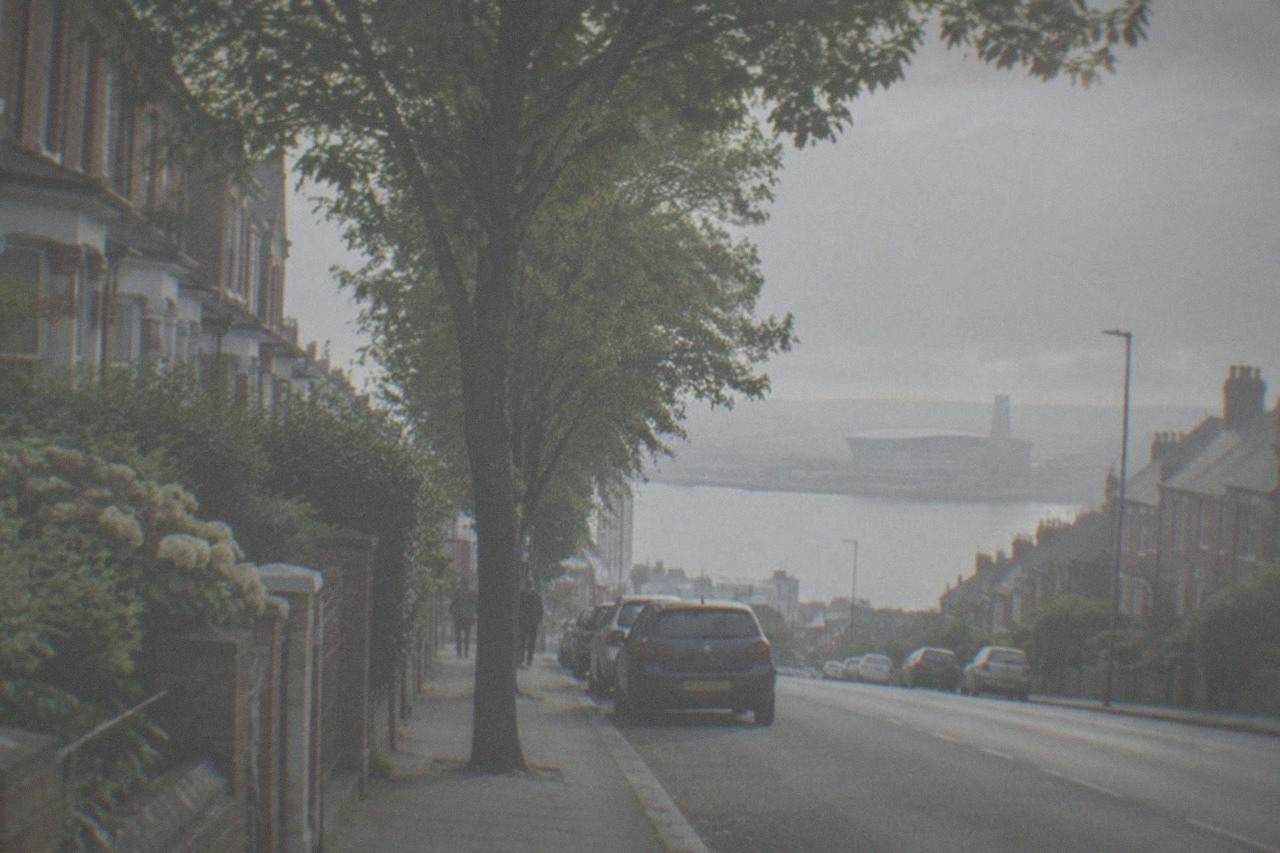
Cathays sits directly north of Cardiff city centre, roughly a 10 to 20 minute walk from Cardiff Castle and the shops of Queen Street. It is a student-heavy district of Victorian terraces, budget food and green space at Bute Park, with a railway station on the valley lines and no major paid attraction of its own.
Cardiff's population sits at 383,919 according to the ONS mid-2024 estimate, and a disproportionate share of that number seems to live, study and queue for coffee in Cathays. The district wraps around the northern side of the city centre, bordered by Bute Park and Pontcanna to the west, Roath to the east and the civic buildings of Cathays Park to the south. It is not the prettiest postcode in the capital, and it is not trying to be. What it offers instead is proximity, price and energy: university buildings, takeaway food from a dozen cuisines, terraced streets that hum during term time and empty noticeably in summer.
This guide walks through what Cathays actually is, where its boundaries and highlights sit, what a day there looks like, where to eat and drink, how the transport works, what is changing in the district right now, and whether it deserves a place on your shortlist as a base. The short version: for budget travellers, visiting parents of students and anyone who values a ten minute walk over a boutique hotel room, it is hard to beat. For travellers seeking quiet or polish, Pontcanna or Cardiff Bay will serve better.
Where Exactly Is Cathays In Cardiff?
Cathays is the district immediately north of Cardiff city centre, stretching from the civic buildings of Cathays Park up towards Roath and across to the River Taff and Bute Park on its western side. Its heart is the student territory around Crwys Road, Woodville Road and Cathays Terrace, and the whole area is walkable to the castle in 15 to 20 minutes. That geography is the district's single biggest selling point. Cardiff is a compact, walkable city, and Cathays sits inside that walkable bubble rather than outside it, which means no daily bus commute, no parking anxiety and no reliance on trains for the main sights.
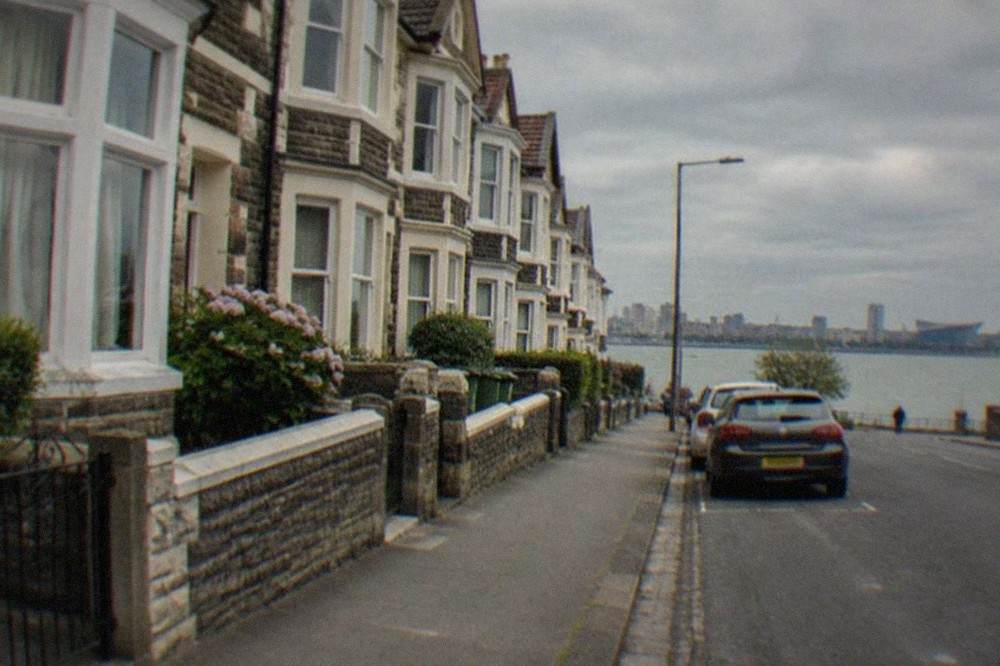
The name causes mild confusion because two different places carry it. Cathays Park, to the south, is the formal civic centre: a collection of Portland stone buildings including Cardiff City Hall, the law courts and the National Museum Cardiff, set around lawns and formal gardens. Cathays the residential district lies north and east of that, a grid of Victorian terraces built largely to house workers and later students. Visitors who say they are "staying in Cathays" almost always mean the terraced district; visitors who say they are "visiting Cathays Park" mean the civic centre and museum.
Boundaries, in practical terms: the River Taff and Bute Park mark the west, Maindy and Gabalfa sit to the north, City Road and the edge of Roath mark the east, and the civic centre merges into the district to the south. Cardiff University's main building, the Students' Union and most of its academic estate sit inside Cathays itself, which explains almost everything about the area's character, its rents and its opening hours.
For orientation purposes, three streets matter most. Crwys Road runs north to south through the middle and carries much of the everyday shopping. City Road, on the eastern edge, is the food street, lined with restaurants representing a dozen cuisines at student prices. Woodville Road and Cathays Terrace are the terraced residential spine, the streets you will walk down if you have booked a guesthouse or a budget room in the district.
What Are The Highlights In And Around Cathays?
The district's biggest draws sit on its edges rather than inside it: Bute Park along the western boundary, the National Museum Cardiff at Cathays Park to the south, and Cardiff Castle a short stroll beyond that. Within the terraces themselves the highlights are atmospheric rather than monumental, chiefly City Road's food scene, the university architecture and the sheer density of everyday Cardiff life. It is a neighbourhood you experience by walking and eating rather than by queuing at a ticket desk.
Start with Bute Park, because it is genuinely one of Britain's better city parks and it forms Cathays' entire western edge. The park opens daily at 7:30am and closes 30 minutes before sunset, with locking times posted weekly and varying through the year. A commuter route through the park stays open around the clock. From the Cathays side you can enter near the university and walk south along the River Taff to reach Cardiff Castle's western entrance in a matter of minutes, which is the single most pleasant approach to the castle in the city.
| Highlight | Where It Sits Relative To Cathays | Admission | Notes |
|---|---|---|---|
| Bute Park | Western boundary, along the River Taff | Free | Opens 7:30am, locks 30 min before sunset |
| National Museum Cardiff | Cathays Park, southern edge | Free | Tue-Sun 10:00-17:00, closed Mondays |
| Cardiff Castle | 15-20 min walk south | £16 adult | Open daily except Christmas Day, Boxing Day, New Year's Day |
| Principality Stadium | Beyond the castle, west of the centre | £19.50 adult tour online | Tours typically Mon-Sat, closed event days |
| St Fagans National Museum of History | Bus or short drive west | Free, parking £7/day | Daily 10:00-17:00 |
| City Road food scene | Eastern edge of Cathays | Pay as you eat | Cheapest eating in central Cardiff |
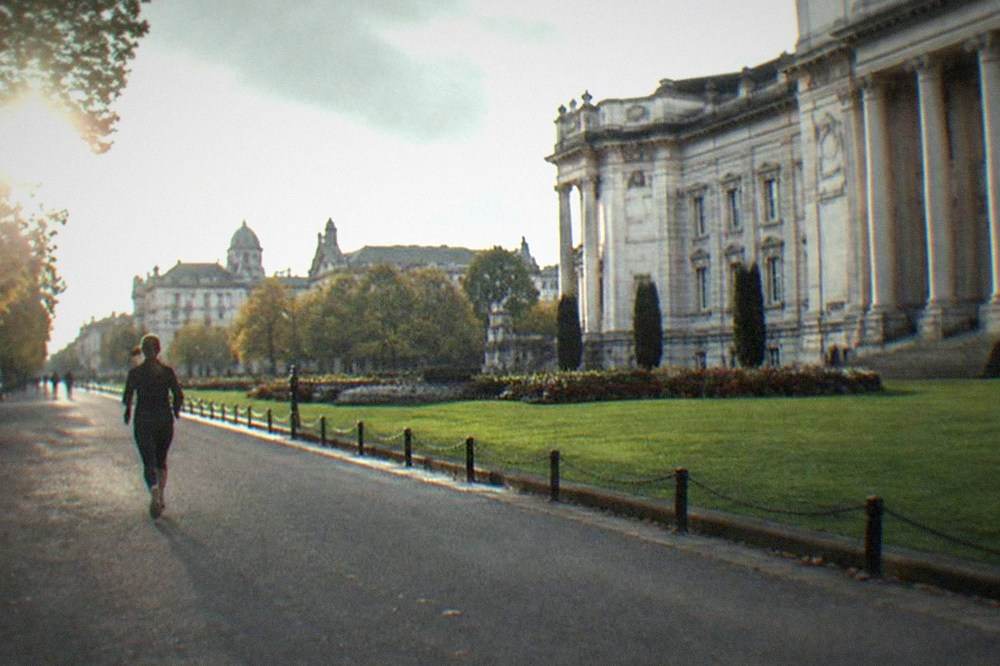
The National Museum Cardiff deserves a specific mention because it is free, excellent and positioned at the district's front door. Its galleries hold works by Turner and Monet alongside Welsh artists, and the Evolution of Wales gallery carries the dinosaurs and mammoths that make it a reliable rainy-day option for families. The museum opens Tuesday to Sunday from 10:00 to 17:00, with galleries closing 16:45, and it is closed on Mondays apart from most bank holidays. The museum's own visit page carries the current exhibition programme.
For travellers who would rather have someone else structure the castle and museum into a single organised day, a guided option exists that does exactly that, and it pairs naturally with a Cathays base because the meeting logistics start in the centre, minutes away. If you are weighing that up alongside exploring independently, the Cardiff in a Day castle and museum tour page has the details, or you can Check availability for your dates.
If you prefer a local's overview of the whole city rather than a fixed itinerary, a private walking tour with a local guide is the other format worth considering; it is rated 4.6 across 57 reviews and runs around two hours, which leaves the rest of the day free for the park and City Road. Our broader Cardiff Travel Guide covers the city-wide picture if you want the full picture before committing to a base.
How Do You Spend A Full Day In Cathays?
A sensible day starts with a morning walk south through Bute Park to Cardiff Castle, continues with the National Museum Cardiff in the early afternoon, and finishes with dinner on City Road back in Cathays, all on foot and with only the castle ticket costing money. Add the Principality Stadium tour and the day becomes a full Cardiff sampler without a single bus journey. The district rewards exactly this kind of low-effort loop because everything sits within a 20 minute walk.
Morning is the best time for Bute Park, both for light and for quiet. Enter from the Cathays side, follow the Taff south past the weir, and you arrive at the castle's western edge before the day-trip crowds build. Cardiff Castle's adult admission is £16 for the standard castle ticket, and its summer hours run from March to October with Monday to Friday opening at 10:00, last entry at 17:00 and closing at 18:00, while weekends open at 09:00. Winter hours close earlier. The castle is closed on Christmas Day, Boxing Day and New Year's Day, and summer concert dates can trigger early closures, so it is worth checking the castle's own times and prices page before you set out.
After the castle, walk two minutes east into Cathays Park for the National Museum Cardiff. Because entry is free, it works as a flexible block: stay an hour for the highlights or three for the full sweep, and cut it short if the weather turns. Lunch options cluster back up towards the district, with Cardiff Market a slightly longer walk south if you want the Victorian market hall experience, open Monday to Saturday from 08:00 to 17:00 and closed on Sundays.
The afternoon splits by energy level. Bute Park itself can absorb an entire afternoon if the weather holds, with the Arboretum on the northern side and river paths in both directions. For a structured alternative, the Principality Stadium tour costs £19.50 for adults booked online, £21 walk-up, and runs typically Monday to Saturday from 10:00 to 17:00, closing on match days, event days and over Christmas. It sits just beyond the castle, so the geography still works.
Evening belongs to City Road. The street's restaurants fill from early evening with students, university staff and families, and the standard of cooking for the price is the district's quiet triumph. A final stroll back through the terraces towards Bute Park for sunset over the Taff is a fitting close, and costs nothing.
Where Do You Eat And Drink In Cathays?
City Road is the district's food artery, offering some of the cheapest and most varied eating in central Cardiff, from Indian and Lebanese to Korean and fried chicken, with most mains well below city-centre prices. Crwys Road adds cafés, bakeries and pubs, and the streets around the university fill with coffee shops that open early and close late during term time. Nobody comes to Cathays for fine dining; the Michelin-starred Gorse and the tasting-menu rooms of Pontcanna are a walk or short bus ride west, and they are covered in our guide to restaurants across Cardiff.
What Cathays does instead is everyday eating done properly. The density of students means competition keeps prices honest and portion sizes generous, and the variety reflects the city's university intake. A useful pattern for visitors: eat your one splurge meal elsewhere in the city, and use City Road for everything else, including the breakfasts. Coffee culture is genuine here rather than imported; independent shops cluster around the university end of the district and along Crwys Road.
For Welsh food specifically, the district is not the natural home, but the city centre is only a short walk south, where venues serving cawl, Welsh rarebit, laverbread and bara brith sit within reach of the castle. The city's street food credentials are strong right now, with Cardiff trader Cegin HalfnHalf winning the European Street Food Awards in September 2026, the first to hold Welsh, British and European titles at once, though its café sits on Cathedral Road rather than in Cathays itself.
Drinking in Cathays means pubs rather than cocktail bars. The district's pubs skew traditional, with sports screens, real ale and a student-heavy but mixed crowd, and several sit within walking distance of the university buildings. The CAMRA Good Beer Guide 2027, announced in September 2026, added eight Cardiff pubs to its listings, including the Aneurin Bevan in Birchgrove and the Ivor Davies in Canton, both reachable but outside the district itself; our guide to the best pubs in Cardiff maps the full picture.
A food-focused guided walk is another way to sample the city's eating scene with context attached. The Heart of Wales tour, a local-led storytelling walk rated 4.9 across 12 reviews, covers the city's story rather than its plates, but pairs well with an evening on City Road afterwards; check availability on the live listing if a narrated orientation appeals before you eat your way through the district.
How Do You Get To And Around Cathays?
Cathays is a walk-first district: the city centre, castle, museum and Bute Park are all reachable on foot, and most visitors never need public transport for anything inside the city. Cathays railway station sits on the valley lines with services towards the centre, Cardiff Queen Street and Cardiff Central, and buses run along Crwys Road and City Road into the centre. For day trips further out, Cardiff Central is a 20 to 25 minute walk or a short hop by rail.
The walking case deserves emphasis because it shapes the whole visit. Cardiff recorded 143.5 million walking and wheeling trips in 2025 according to the Walk Wheel Cycle Trust Index, making walking the most common travel mode among residents, and the city centre is compact enough that the castle sits roughly eight minutes from Cardiff Central station. From central Cathays, add five to ten minutes to that. Bute Park's commuter route is open 24 hours, which covers early departures and late returns.
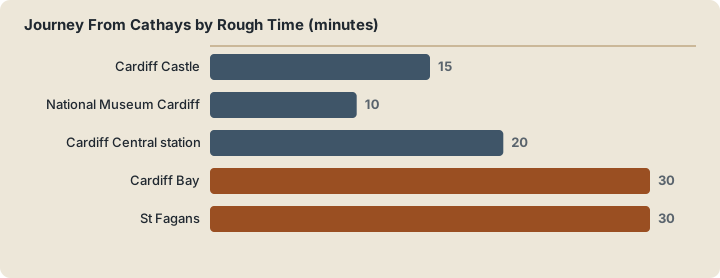
| Journey From Cathays | Best Mode | Rough Time | Cost Notes |
|---|---|---|---|
| Cardiff Castle | Walk via Bute Park | 15-20 min | Free |
| National Museum Cardiff | Walk | 10-15 min | Free entry |
| Cardiff Central station | Walk or train from Cathays | 20-25 min walk | Train fares vary, check live fares at booking time |
| Cardiff Bay | Train or bus from centre | 30-40 min total | Fares published on operator pages |
| St Fagans | Bus from the centre | 30-40 min | Museum free, parking £7/day |
| Cardiff Airport | Bus or rail via the centre | Around an hour plus | Airport is 12-15 miles from the centre |
Cathays station itself is in the middle of a significant upgrade. A new Access for All footbridge with step-free lifts, improved walkways and a direct link to Cardiff University's Centre for Student Life began initial works in mid-June 2026, with main construction in autumn 2026 and completion targeted for 2027. Until then, expect some disruption around the station, though trains continue to run.
On fares, a note of caution that applies city-wide: this site does not quote fixed Cardiff Bus or train fares, because both vary by route, time and how far ahead you book. Cardiff Bus publishes its fares on its own fare pages, and Transport for Wales fares from Cardiff Central depend entirely on the destination and date. The practical advice is to check live fares at booking time rather than budget from a remembered figure.
Cycling is a third option, and the Taff Trail runs along the district's western edge through Bute Park, connecting Cathays north towards Llandaff and the valleys or south to Cardiff Bay. Guided cycle tours of the city are also bookable and rated 5 across 131 reviews, if you would rather have a route planned for you.
What Is Changing In Cathays Right Now?
Cathays is in the middle of a visible transition: the station accessibility rebuild running into 2027, 60 new council homes approved on the former Co-op site at 62-64 Crwys Road with completion expected by summer 2028, and the wider city projects reshaping the centre just to the south, including the £100m Cardiff Crossrail enabling works that began in June 2026. None of this will ruin a visit, but some of it will affect walking routes, noise and scaffolding views during a 2026 or 2027 stay.
The housing approval matters to visitors mainly as a signal of direction. Cardiff Council's plans for the Crwys Road site include the council homes, a community centre and retail space, replacing a long-vacant supermarket site on one of the district's main streets. Construction is expected to complete by summer 2028, so expect hoarding and works on that block in the meantime.
The Crossrail project, while centred on the corridor between Cardiff Central and Cardiff Bay, brings enabling works and pedestrian and cycle improvements that ripple through the wider centre. Separately, a temporary closure of the footway alongside the south wall of Cardiff Central station on the Penarth Road side began on 23 September 2026, with signed alternative access; anyone walking from Cathays to the station's southern side should factor that in.
None of this changes the fundamentals. The district's stock of Victorian terraces, its student population and its park edge are permanent features, and the works are the ordinary noise of a district being incrementally improved rather than transformed. Visitors with mobility needs should note that the station's step-free access is precisely what the current build is there to deliver, so the disruption buys something useful.
Is Cathays A Good Base For Your Cardiff Trip?
Cathays is the best base in Cardiff for budget travellers, students' visiting families and anyone who wants free, walkable access to the castle, museum and Bute Park, typically at the lowest accommodation prices this close to the centre. It is the wrong base for travellers who want quiet nights, boutique interiors or waterfront views, all of which point towards Pontcanna, the Bay or the city centre instead. The trade is proximity and price against polish and calm, and it is a trade the district wins decisively for its target visitor.
The rhythm of the area follows the academic calendar, and this is the single most useful thing to know when booking. During term time the streets are busy late, bins go out on schedule and the pavements are full by 08:30. In summer and over Easter the terraces empty noticeably, prices for rooms often soften and the district feels like a different place entirely. Rugby internationals at the Principality Stadium transform the whole city, and Cathays' walkability to the stadium makes it a pragmatic base on match weekends, though rooms book out far ahead.
| Traveller Type | Cathays Suitability | Better Alternative |
|---|---|---|
| Budget traveller or student | Excellent: cheapest beds near the centre | None, within this price band |
| Visiting family of a student | Excellent: walk to campus and halls | City centre for hotel comfort |
| Couple on a city break | Mixed: fine by day, noisy some nights | Pontcanna for restaurants and calm |
| First-time visitor | Good: everything walkable | City centre for one-night stays |
| Traveller wanting nightlife | Good: walk to the centre's venues | City centre itself |
| Traveller wanting quiet | Poor: student district, term-time noise | Cardiff Bay or Llandaff |
Families with children should weigh the district carefully. The free National Museum with its dinosaurs, the park and the low food costs all work well, and our guide to Cardiff with kids covers the child-side attractions in depth. But Cathays' accommodation stock skews to guesthouses, student-style rooms and short-let flats rather than family suites, so the practical fit depends more on the room than the district.
For a first visit where you want the city explained rather than just explored, a two-hour highlights walking tour rated 4.8 across 127 reviews starts in the centre, minutes from the district, and slots neatly into a Cathays-based morning before an afternoon in the park. Check availability on the live listing if a guided orientation sounds like the right first move.
Solo travellers and short-stay visitors get the simplest proposition of all: a bed within walking distance of everything, food at student prices and a park for downtime. The district's crime profile is ordinary for a city-centre-adjacent student area; our assessment of safety in Cardiff covers the city-wide picture, and the usual city common sense applies on City Road late at night as it would anywhere.
Common Questions About Cathays
Is Cathays a safe area of Cardiff?
Cathays is an ordinary central student district: busy, walkable and generally unremarkable in safety terms, with the usual city-centre caveats about late-night noise and common sense around valuables. Cardiff's overall crime rate sits among the top 20 safest UK cities nationally. Standard precautions on City Road late at night are sufficient.
How far is Cathays from Cardiff city centre?
Cathays begins immediately north of the centre. The walk from central Cathays to Cardiff Castle takes 15 to 20 minutes, the National Museum Cardiff 10 to 15 minutes, and Cardiff Central station 20 to 25 minutes on foot. Cathays railway station also connects directly to the centre by train.
Is Cathays a good place to stay in Cardiff?
For budget travellers and visiting families of students, yes: it offers the cheapest accommodation close to the centre with everything walkable. For couples or travellers wanting quiet and polish, Pontcanna, Cardiff Bay or the city centre serve better. Term-time noise is the main trade-off to weigh before booking.
What is the difference between Cathays and Cathays Park?
Cathays Park is the formal civic centre at the district's southern edge, holding the National Museum Cardiff, City Hall and the law courts in Portland stone buildings around lawns. Cathays the residential district is the student quarter of Victorian terraces north of it. Visitors staying "in Cathays" almost always mean the terraced district.
Where do you eat in Cathays?
City Road is the food street, with restaurants spanning Indian, Lebanese, Korean and more at student prices, and it is the cheapest eating in central Cardiff. Crwys Road adds cafés, bakeries and pubs. For fine dining, look west to Pontcanna, home to Gorse, Cardiff's first Michelin-starred restaurant.
Is Cathays noisy?
During university term time, yes, parts of it are: the terraces house a high density of students and weekend nights are lively. Over summer and Easter the district empties noticeably and quiets down considerably. If you are a light sleeper, ask for a room away from City Road and the main student streets when booking.