Why Do Tourists Visit Cardiff?
The reasons tourists visit Cardiff: the castle, free national museums, Principality Stadium rugby, the Bay, Doctor Who locations and a Michelin-starred food scene.
Why Do Tourists Visit Cardiff?
Why Do Tourists Visit Cardiff?
Tourists visit Cardiff for a compact, walkable capital that packs a Roman-and-Victorian castle, two free national museums, a major rugby stadium and a regenerated waterfront into a city of 383,919 residents. The city recorded 18.69 million visitors in 2025, up 4.4 per cent year on year, with tourism's economic impact rising 6.7 per cent to £1.86bn. Value matters too: the National Museum Cardiff and St Fagans cost nothing to enter.
That headline number, 18.69 million visitors, comes from figures reported in summer 2026 covering the 2025 calendar year, and it includes day trippers as well as overnight guests. The growth was attributed in part to major music events at the castle and at Blackweir Fields, which pull crowds who stay, eat and drink in the city around the gigs.
What keeps the figure climbing is that Cardiff's main draws sit close together. The castle is a ten-minute walk from the railway station, the Victorian arcades thread through the centre, and Cardiff Bay is a short train or bus ride south. A first-time visitor can cover a lot of ground without a car, which is one reason the city is repeatedly described as one of Britain's more accessible capital breaks.
The visitor profile splits into a few clear groups: rugby and concert crowds filling Principality Stadium on event days, families taking advantage of the free museums, Doctor Who fans tracing filming locations, and food travellers drawn by a restaurant scene that now includes a Michelin star at Gorse in Pontcanna.
The table below summarises the headline draws and what each costs at the gate.
| Draw | Why people come | Admission |
|---|---|---|
| Cardiff Castle | Roman walls, Norman keep, Victorian Gothic apartments | £16 adult |
| National Museum Cardiff | Art, natural history, dinosaurs | Free |
| St Fagans National Museum of History | Rebuilt historic buildings, farm, crafts | Free, parking £7/day |
| Principality Stadium tour | Dressing rooms, pitch side, players' tunnel | £19.50 adult online |
| Cardiff Bay Barrage | Waterside walking and cycling route | Free |
What Draws People To The Castle And The Stadium?
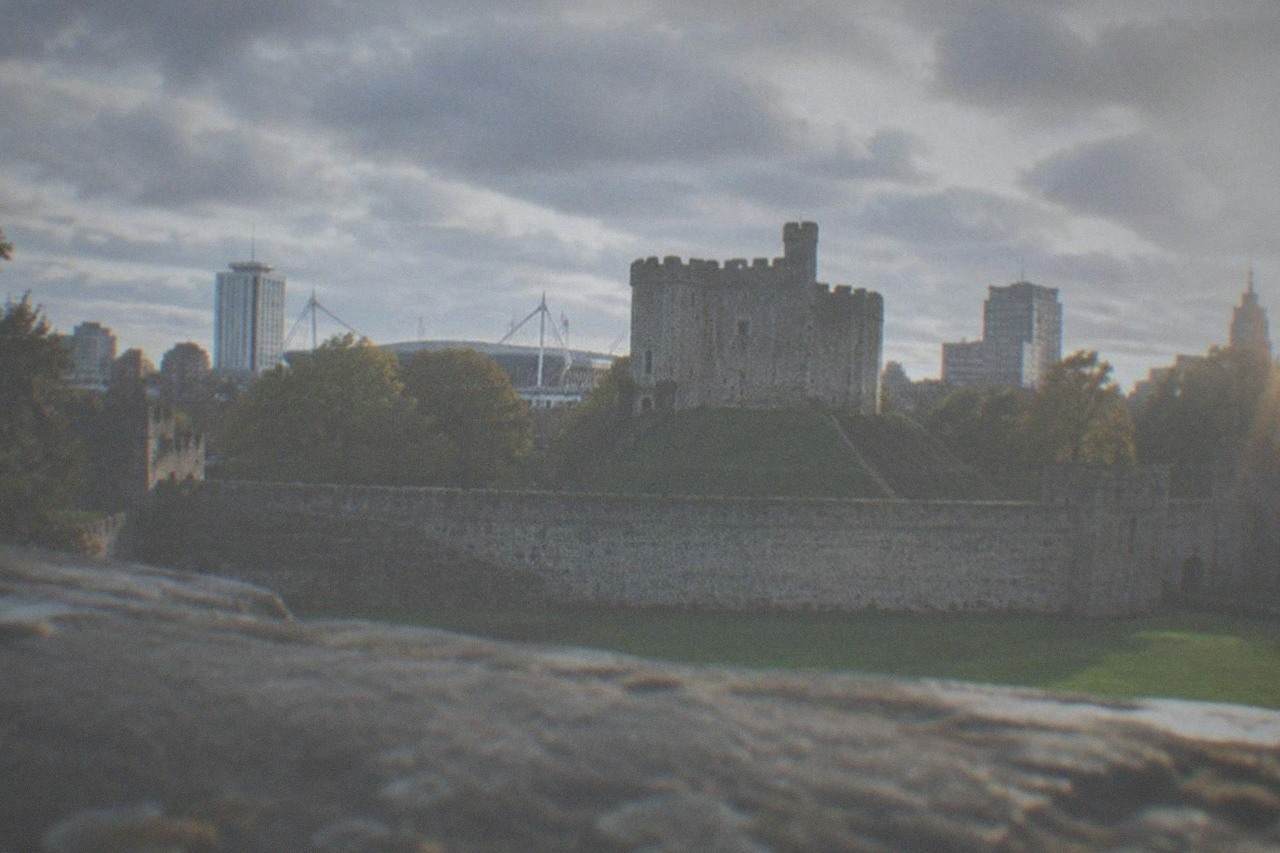
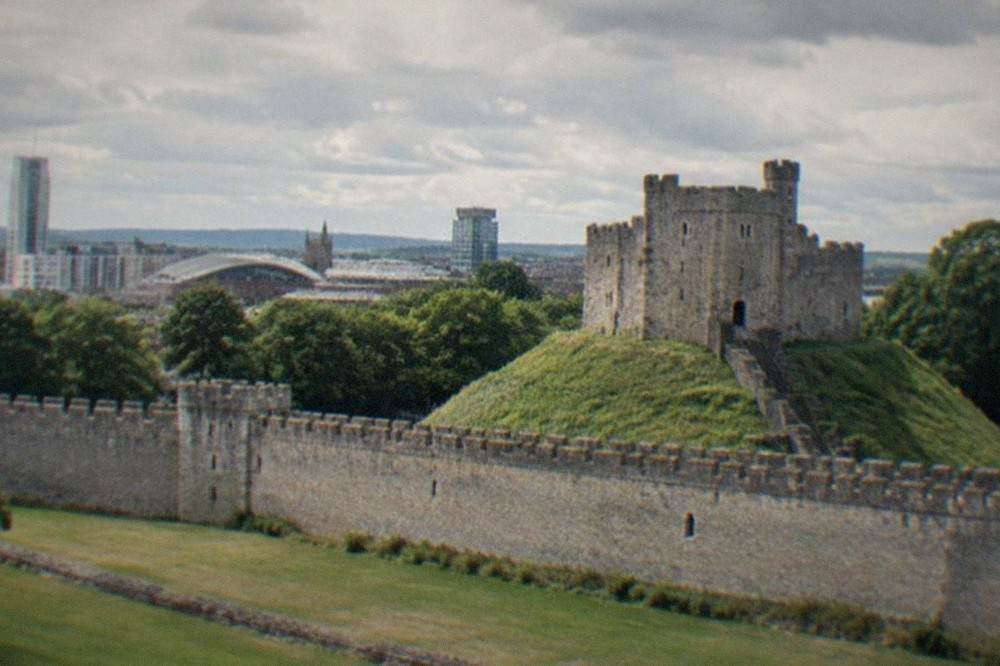
Two buildings anchor most itineraries: Cardiff Castle, which charges £16 for a standard adult ticket and layers Roman walls, a Norman keep and lavish Victorian apartments on one site, and Principality Stadium, whose guided tour costs £19.50 online and whose event days fill the city centre with rugby and concert crowds. Both sit within a short walk of the main station.
The castle's own pricing page lists the £16 adult standard ticket, with seasonal hours running later in summer and an earlier close from November to February, and full closures on Christmas Day, Boxing Day and New Year's Day. Its history is the selling point: few European capitals have a fortification with two thousand years of visible layers at the centre of the shopping district. For visitors who want more than the standard ticket offers, a guided option goes deeper into the apartments and their decoration.
The Cardiff Castle Connoisseur Tour is that deeper option: a guided visit built around the castle's interiors and stories. The live listing currently shows 36 reviews, with no star rating displayed, so check current availability and pricing there before booking.
Principality Stadium works differently. On non-event days it is a tour attraction, and the official bookings site lists the adult tour at £19.50 online (£21 walk-up), typically running Monday to Saturday from 10:00 to 17:00 and closing on match and event days. On event days it becomes the reason people are in Cardiff at all: Wales rugby internationals, and concerts that in recent years have filled the bowl to a capacity of up to 80,000. Visitors with a head for heights can also book the roof walk, a 90-minute experience rated 4.6 across 5 reviews, from from $29.
How Much Do The Free Museums Matter?
They matter enormously: St Fagans National Museum of History was Wales' most visited attraction in 2025 with 570,207 visitors, and National Museum Cardiff recorded 356,021 visits the same year, both free to enter. A 2026 Which? analysis ranked St Fagans the UK's best free-to-visit day out, scoring 94 per cent. Free entry removes the biggest cost barrier for families.
St Fagans, west of the centre, is an open-air museum of relocated and rebuilt historic buildings, working crafts, farm animals and a large play area, with the museum's own visit page confirming free daily entry from 10:00 to 17:00 and all-day parking at £7. The National Museum Cardiff, in the civic centre, holds art galleries with works including Turner and Monet alongside the Evolution of Wales natural history galleries, open Tuesday to Sunday and closed Mondays, as its visit page confirms. The full index of guides sits on Cardiff Travel Guide.
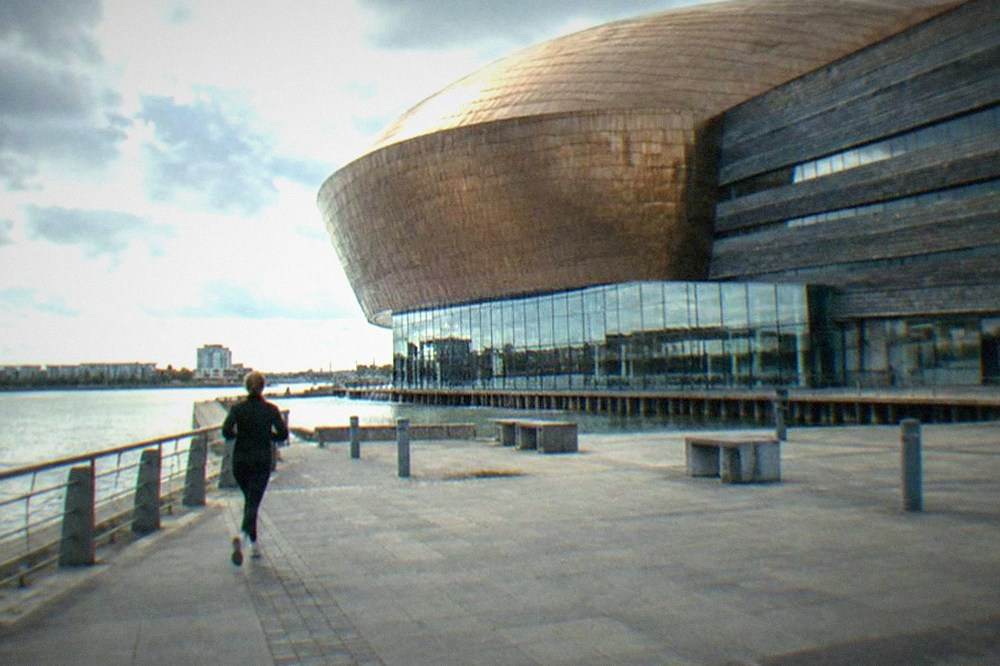
Cardiff Bay extends the free-and-cheap offer. The barrage is a public walking and cycling route with no admission fee, the Senedd offers free public visits and free bookable tours, and the Wales Millennium Centre's foyer is a free public space, with only performances separately ticketed. For a different angle on the water, the Cardiff Bay Boat Tour runs from the waterfront; it is rated 3.8 across 427 reviews, from from $22.
The broader pattern is documented in the Welsh Government's domestic tourism statistics, which record 7.76 million overnight GB-resident trips to Wales in 2025 (provisional, £2.30bn spend) and 59.22 million tourism day trips. Those are Wales-wide figures, not Cardiff-only ones, but they show the scale of the domestic market the capital's free attractions compete in.
Why Do Rugby, Doctor Who And Food Pull Crowds?
Rugby gives Cardiff its event-day identity: Wales home fixtures at Principality Stadium, from the Six Nations to autumn internationals, routinely fill the city, and tickets for 2026 internationals ranged from £43 in the cheapest Six Nations categories to £155 for the top A+ tier against England. Doctor Who filming locations and a food scene led by the Michelin-starred Gorse add year-round reasons to come.
On a match day the economics of the whole city shift: pubs around Westgate Street fill from late morning, and the stadium's presence explains why so much visitor infrastructure sits within a few hundred metres of the ground. The Six Nations is the annual peak, with Wales playing home fixtures in February and March, and the atmosphere is often cited by visitors as the reason they chose that weekend.
Doctor Who is a quieter but persistent draw. The long-running revival was made in Cardiff, and a dedicated walking tour of the city's filming locations is rated 4.8 across 153 reviews, from from $26. The old Doctor Who Experience attraction in Cardiff Bay closed permanently in 2017, so fans come for the locations themselves rather than a single dedicated site.
Food has become a reason in its own right. Gorse in Pontcanna became Cardiff's first Michelin-starred restaurant in 2025, and a wave of recognition has followed: the 12-seat Lofft earned three AA rosettes within months of opening, and street food trader Cegin HalfnHalf won the European Street Food Awards. Traditional Welsh dishes, cawl, Welsh rarebit, laverbread and bara brith, anchor menus across the city. If you are planning a fuller trip around these themes, the what not to miss in Cardiff page collects the headline sights in one place.
Is Cardiff Good Value Compared With Other UK Cities?
Yes, and value is a stated reason many visitors choose it. Cardiff is regularly described as one of the best-value city breaks in Britain, with its two flagship museums free and paid attractions priced well below London equivalents: £16 for the castle and £19.50 for the stadium tour. Budget estimates put average daily spend per person from £82, with hostel beds and street food pulling the floor lower.
The comparison with nearby cities is favourable. Bristol, an hour away by train, is generally reckoned the bigger city for shopping and nightlife, but Cardiff counters with castle density, free national museums and a lower cost base. For travellers weighing the two, the Cardiff versus Bristol comparison breaks the trade-offs down in detail.
Value also shows up in the small stuff. The Victorian and Edwardian arcades are free to wander, Bute Park is a large city-centre park open daily from 7:30am, and the barrage walk costs nothing. Rainy days, common enough in Wales, can be absorbed in the free museum galleries rather than forcing a paid activity. For a fuller rundown, the free things to do in Cardiff guide lists what costs nothing and what is worth paying for.
The table below shows how a typical sightseeing day in Cardiff can be built almost entirely from free entry points, with paid options slotted in where they matter most to you.
| Part of the day | Free option | Paid alternative |
|---|---|---|
| Morning | Bute Park and the castle exterior, free | Cardiff Castle interior, £16 adult |
| Midday | Victorian arcades and Cardiff Market browsing | Guided food tour |
| Afternoon | National Museum Cardiff galleries | Principality Stadium tour, £19.50 online |
| Late afternoon | Cardiff Bay barrage walk | Cardiff Bay Boat Tour, from from $22 |
Common Questions About Visiting Cardiff
Why do tourists visit Cardiff?
Tourists visit Cardiff for its castle, two free national museums, Principality Stadium rugby and concerts, the regenerated Cardiff Bay waterfront, Doctor Who filming locations and an increasingly regarded food scene. The city recorded 18.69 million visitors in 2025, and its compact, walkable centre makes it an easy short-break choice.
What is the most visited attraction in Cardiff?
St Fagans National Museum of History, with 570,207 visitors in 2025, making it Wales' most visited attraction for the third consecutive year. Entry is free, with all-day parking at £7.
How much does it cost to visit Cardiff Castle?
A standard adult castle ticket is £16, per the castle's own pricing page. Hours are seasonal, with later summer opening and an earlier close from November to February, and the castle closes on Christmas Day, Boxing Day and New Year's Day.
Is Cardiff walkable for tourists?
Yes. The castle, arcades, National Museum and Principality Stadium all sit within a short walk of Cardiff Central station, and Cardiff Bay is a quick train or bus ride away. Walking is the most common travel mode among residents.
Do you need a car in Cardiff?
No. The centre is compact, buses and trains link the Bay and the suburbs, and St Fagans is reachable by public transport. A car is only useful for day trips into the Valleys, the coast or Bannau Brycheiniog, the national park 40 to 50 miles north.