Which City Is Better To Visit, Bristol Or Cardiff?
A practical comparison of Bristol and Cardiff for visitors, covering prices, travel times, attractions and which type of traveller each city suits better.
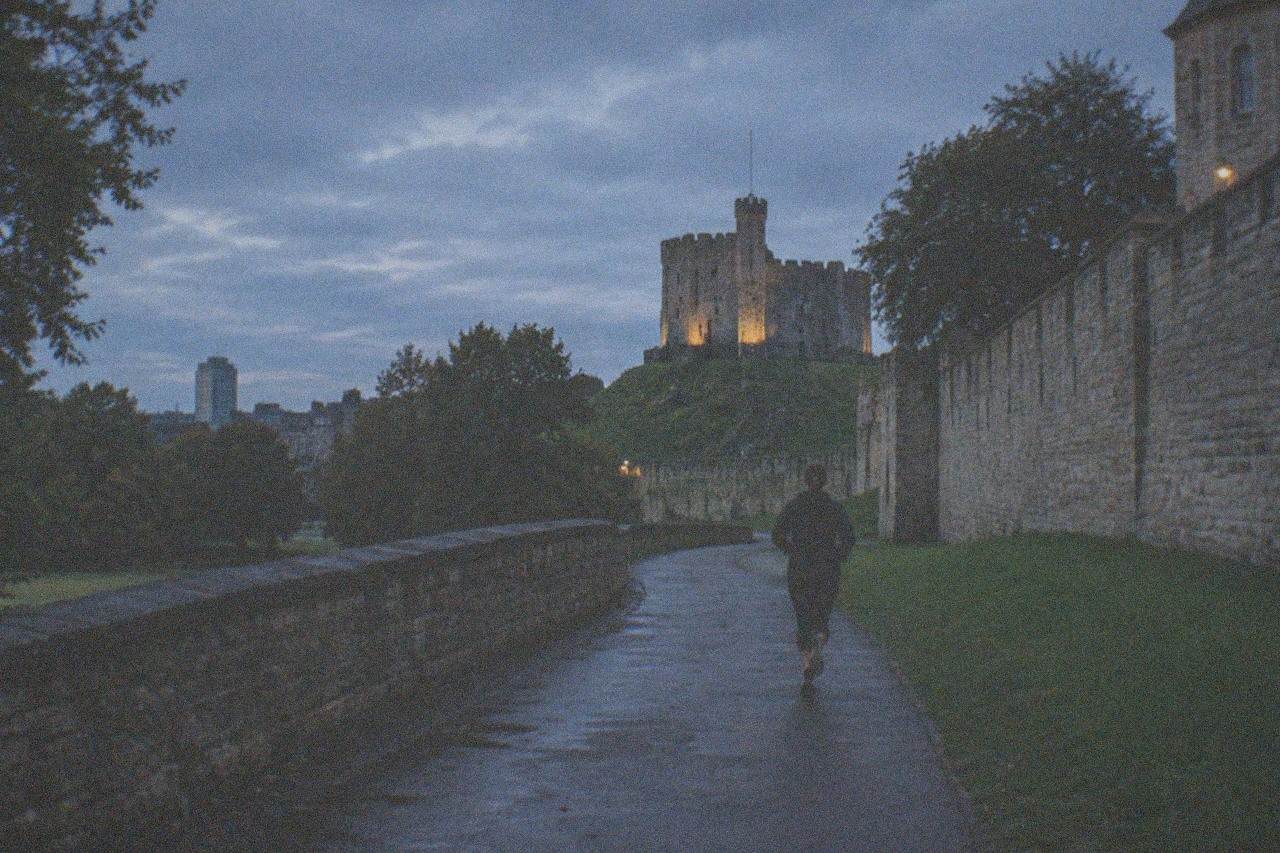
Which City Is Better To Visit, Bristol Or Cardiff?
Cardiff suits travellers who want a compact, walkable capital with a castle at its centre, free national museums and lower entry costs, while Bristol suits those prioritising a bigger nightlife scene, more retail variety and a larger choice of museums and family activities. Recent cost comparisons put average daily travel spending higher in Cardiff, at £188 against Bristol's £114, though Cardiff's headline attractions cost far less to enter.
The honest answer depends on what a trip is for. Cardiff, home to 383,919 people, delivers a capital-city experience in a small package: a castle in the middle of town, government buildings on the waterfront at Cardiff Bay, and two national museums that cost nothing to enter. Bristol is bigger, louder and better connected to the rest of England, with a music and street-food reputation that draws a younger crowd.
What the comparison often misses is proximity. Direct trains between Cardiff Central and Bristol run roughly every hour and take 47 minutes, with fares from £11, so choosing one does not mean giving up the other. Many visitors base themselves in Cardiff and spend a day in Bristol, or the reverse. For a fuller head-to-head, the Cardiff vs Bristol comparison guide breaks down the differences in detail.
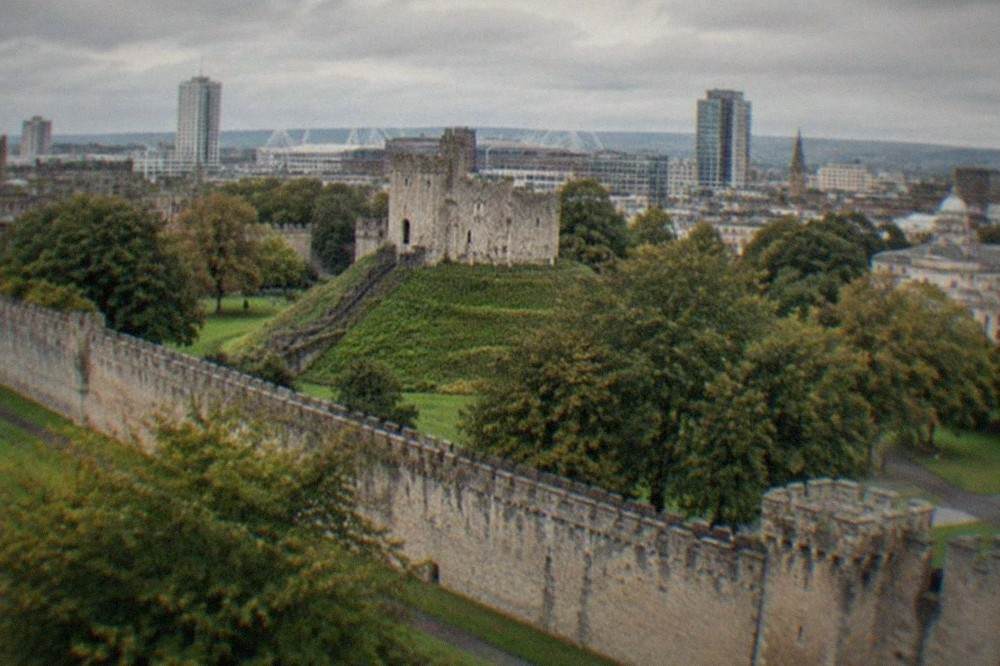
If Cardiff is the base, there are also guided ways to spend the days that do not involve Bristol at all. A full-day option such as Check availability on the Cardiff in a Day tour covers the castle and the National Museum in one outing, and there is a free walking alternative worth knowing about too.
How Do The Two Cities Compare On Price?
Cardiff's headline attractions are dramatically cheaper to enter: the National Museum Cardiff and St Fagans are free, Cardiff Castle costs £16 for an adult, and the Principality Stadium tour is £19.50 online. Bristol's visitor costs skew towards paid attractions and pricier dining, though recent average daily travel spending was actually estimated higher in Cardiff, at £188 versus £114 in Bristol.
The entry-fee gap is the clearest difference. Cardiff's two biggest museums, funded by the Welsh Government, charge nothing for general admission, and St Fagans was named the UK's best free-to-visit day out in Which?'s 2026 analysis with a 94% score. A visitor can spend two full days in Cardiff's museums without paying a penny at the door, with only St Fagans' £7 daily parking to budget for.
Cardiff Castle's own pricing page lists the standard adult castle ticket at £16, and the Principality Stadium tour is £19.50 booked online against £21 on the day. Add a Cadw castle day trip, Caerphilly at £12.90 or Castell Coch at £10.40, and a castle-heavy Cardiff itinerary still costs less than a single premium attraction in many English cities. Cadw's official pages for both castles confirm those figures and offer 5% off for booking online.
| Cost item | Cardiff | Bristol |
|---|---|---|
| National museum entry | Free (National Museum Cardiff, St Fagans) | Paid entry at most major museums |
| Castle adult admission | £16 (Cardiff Castle) | No comparable city-centre castle |
| Stadium tour | £19.50 online (Principality Stadium) | No stadium tour of similar scale |
| Average daily travel spend | £188 | £114 |
| Day-trip castle (Cadw) | Caerphilly £12.90, Castell Coch £10.40 | Not applicable |
The daily-spend figure deserves a caveat: it averages accommodation, transport, food and activities together, so a hostel-free, museum-heavy Cardiff trip can come in well under it, while Bristol's average is pulled down by cheaper lodging options. Budget travellers should treat the entry fees, not the averages, as the planning baseline.
Which City Is Easier To Reach And Get Around?
Cardiff is compact enough that its main attractions, the castle, the National Museum, the arcades and the stadium, sit within roughly a ten-minute walk of Cardiff Central station, and walking is the most common way residents travel. Bristol is larger and hillier, with attractions spread across a wider area, though both cities are well served by trains from London, with Cardiff about two hours from Paddington and Bristol under two.
Cardiff's walkability is measurable. The castle is around eight minutes on foot from Cardiff Central, Bute Park begins directly behind the castle walls, and the National Museum sits at the top of the civic centre a short stroll further on. A 2025 travel index recorded 143.5 million walking and wheeling trips by Cardiff residents in a single year, the most common travel mode in the city. Cardiff Bay is a short train or bus hop from the centre rather than walking distance, but the connection is frequent. Other pages covering the same trip are gathered on Cardiff Travel Guide.
Bristol rewards visitors who plan around its geography. The harbourside, Clifton Village and Stokes Croft are distinct quarters separated by real hills, and many visitors end up using buses or the steep walk up to Clifton Suspension Bridge. Neither city requires a car, and in both cases the station-to-centre transition is simple.
For international arrivals, Bristol has the busier airport, but Cardiff Airport is 20 to 30 minutes' drive from the city centre and was named one of the UK's best airports in a 2026 Which? survey, scoring 77% and ranking fifth of 27 assessed. Travellers coming from London have hourly direct trains to both cities.
| Getting there and around | Cardiff | Bristol |
|---|---|---|
| Castle from main station | 8 minutes on foot | No equivalent landmark walk |
| Dominant travel mode | Walking and wheeling | Bus and walking, with real hills |
| Airport to centre | Cardiff Airport, 20-30 min drive | Bristol Airport, busier overall |
| Trains from London | 2 hours from Paddington | Under 2 hours from Paddington |
| Car needed for sights | No | No |
What Does Each City Do Best?
Cardiff does castles, free national museums, rugby atmosphere and waterfront regeneration best, with Principality Stadium as the emotional centre of the city; Bristol does music venues, street art, independent food scenes and shopping variety best. Cardiff drew 18.69 million visitors in 2025, up 4.4% year on year, with tourism spending rising 6.7% to £1.86bn, suggesting neither city is exactly hurting for visitors.
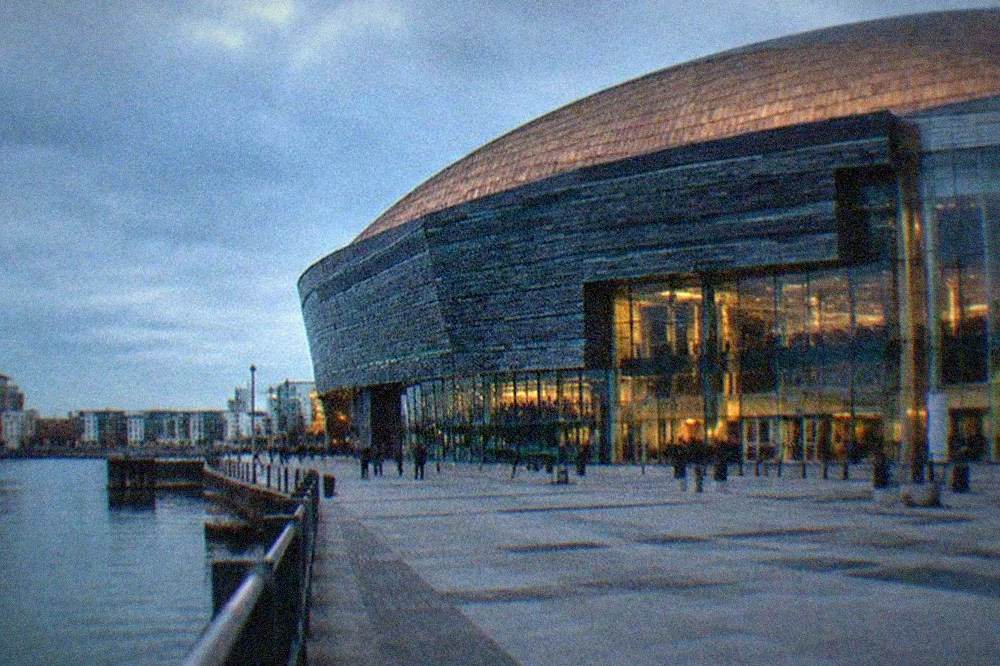
Cardiff's strengths cluster around identity. It is a capital, so the Senedd, the Welsh Parliament, sits in Cardiff Bay with free public visits and free guided tours, and the Wales Millennium Centre's foyer is a free public space even when performances are ticketed. Principality Stadium dominates the skyline and the city's mood on match days, and a Wales rugby ticket at the 2026 Six Nations started from £43 in the cheapest categories. The Victorian arcades give the shopping streets a character Bristol's shopping centres approach differently, with more scale but less quirk.
Bristol's strengths are cultural gravity: a bigger live-music circuit, the street art associated with Banksy's home city, a large harbourside museum quarter and a food scene that draws on a bigger population base. Families find more paid attractions and activity venues in Bristol, while Cardiff's family offer leans heavily on free museums and the castle. The 2026 restaurant conversation in Cardiff has narrowed the food gap, with Gorse holding the city's first Michelin star and the 12-seat Lofft earning three AA rosettes within months of opening.
How Do You Choose Between Them?
Choose Cardiff for a shorter, cheaper, castle-and-museum trip where everything is within walking distance, and choose Bristol for a longer city break built around music, food and shopping. Two days in Cardiff comfortably covers the castle, the National Museum, the arcades and Cardiff Bay, and a third day allows a castle or countryside day trip that Bristol cannot match from its own doorstep.
The deciding factors are usually pace and purpose. A first-time visitor with two days and a modest budget gets more from Cardiff: the free museums alone fill a day, the castle fills a morning, and the Bay fills an evening. Travellers who want nightlife density, bigger gigs and a broader restaurant scene lean Bristol. Anyone undecided can read is Cardiff worth visiting for a fuller case on the Welsh side.
Day-trip potential is Cardiff's quiet advantage. Bannau Brycheiniog, still widely known as the Brecon Beacons, lies 40 to 50 miles and one to one and a half hours' drive away, Caerphilly Castle is a short train ride, and the Gower Peninsula's beaches are reachable on a full-day tour. Bristol's day trips run to Bath, which is superb but a different kind of outing.
For visitors who do choose Cardiff and want structure, the Cardiff in a Day tour pairs the castle with the National Museum across roughly seven hours, and it is one of the more practical ways to cover both headline sights without planning the logistics yourself.
There is also a genuinely free introduction to the city: Blodwen the Welsh Woman's Best Bits of Cardiff, a guided walk rated 4.98 across 111 reviews on GuruWalk, operating on a pay-what-you-feel basis. See This Free Tour On GuruWalk for current times and meeting points.
Common Questions About Bristol Or Cardiff
Which city is better to visit, Bristol or Cardiff?
Cardiff is better for a compact, lower-cost break built around a castle, free national museums and rugby atmosphere; Bristol is better for music, nightlife, shopping variety and a bigger dining scene. The cities are 47 minutes apart by train, so many visitors see both.
Is Cardiff cheaper than Bristol for tourists?
Cardiff's attractions are cheaper to enter, with the National Museum Cardiff and St Fagans free, the castle at £16 and the stadium tour at £19.50 online. Average daily travel spending has been estimated higher in Cardiff, at £188 against £114, largely due to accommodation and dining averages.
Can you visit Bristol and Cardiff in one trip?
Yes. Direct trains connect Cardiff Central and Bristol in 47 minutes, with fares from £11, so a day trip between the two is straightforward. Many visitors base themselves in one city and spend a day in the other.
How many days do you need in Cardiff?
Two full days comfortably cover the city centre, including the castle, the National Museum, the arcades and Cardiff Bay. A third day allows a day trip to Caerphilly Castle, Castell Coch or the Brecon Beacons.
Is Cardiff or Bristol better for families?
Bristol offers more paid family attractions and activity venues. Cardiff leans on free options, with St Fagans named the UK's best free day out in 2026, plus castle exploration and Techniquest's science centre for paid days.