What Is Cardiff Famous For?
Cardiff is famous for its castle, the Principality Stadium, free national museums, Doctor Who filming locations and a regenerated bay waterfront. Here is what defines the Welsh capital.
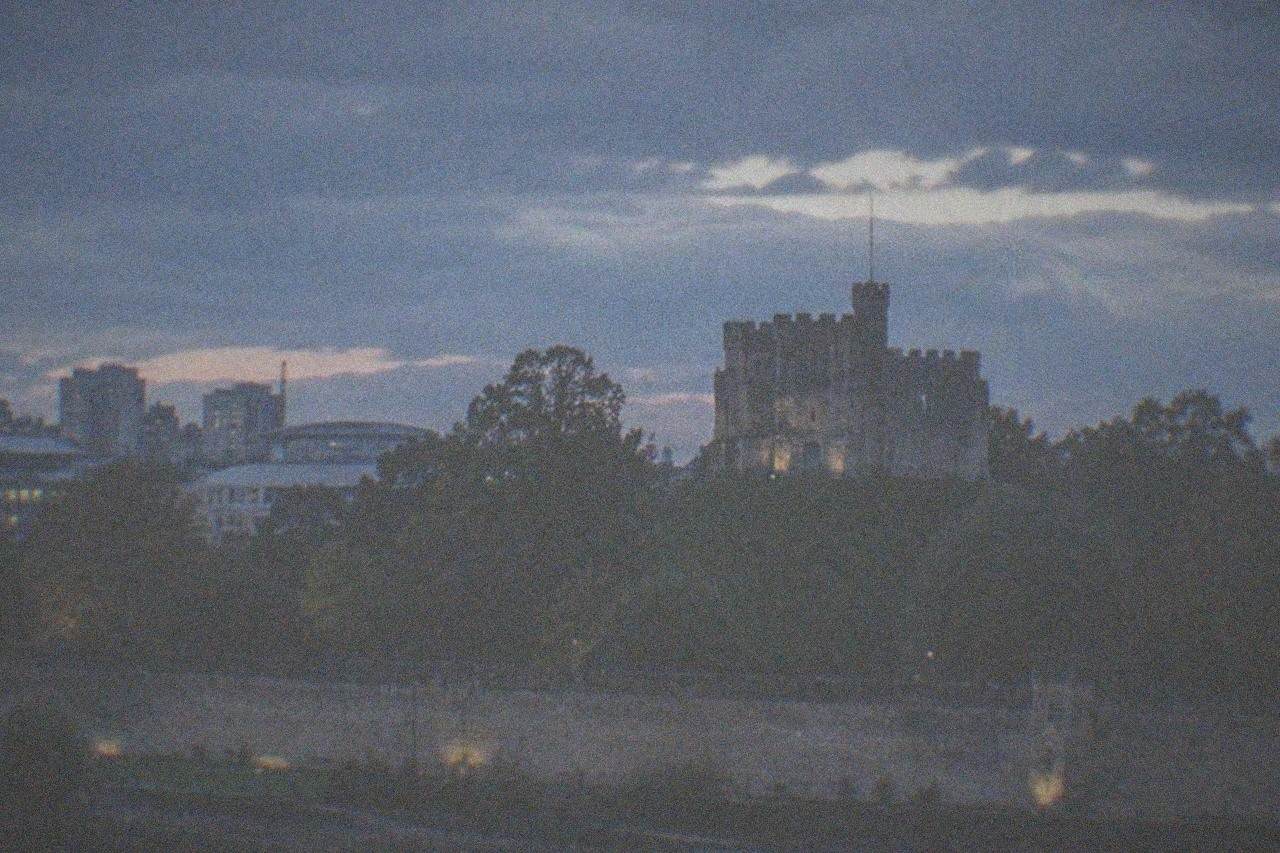
Cardiff packs the identity of an entire nation into a city of 383,919 people. It is the capital of Wales, the home of Welsh rugby, the administrative seat of the Senedd and a place where a Roman-founded castle sits a short walk from a Victorian shopping arcade, which in turn sits a train ride from a freshwater bay. Few British cities of its size carry this much symbolic weight, and that is precisely what the city is known for.
What Is Cardiff Famous For?
Cardiff is famous for five things above all: Cardiff Castle, with adult admission at £16 and 2,000 years of layered history; the Principality Stadium, the home of Welsh rugby; the free National Museum Cardiff and St Fagans National Museum of History; the Victorian and Edwardian shopping arcades of the city centre; and the regenerated Cardiff Bay waterfront. It is also the production base for Doctor Who.
That list is not a marketing line, it is what the visitor numbers show. Cardiff attracted 18.69 million visitors in 2025, up 4.4 per cent year on year, with a tourism economic impact of £1.86 billion. The city is the 12th most-visited city in Britain for overnight stays, and it was voted the UK's most accessible destination for a last-minute break in a 2026 poll.
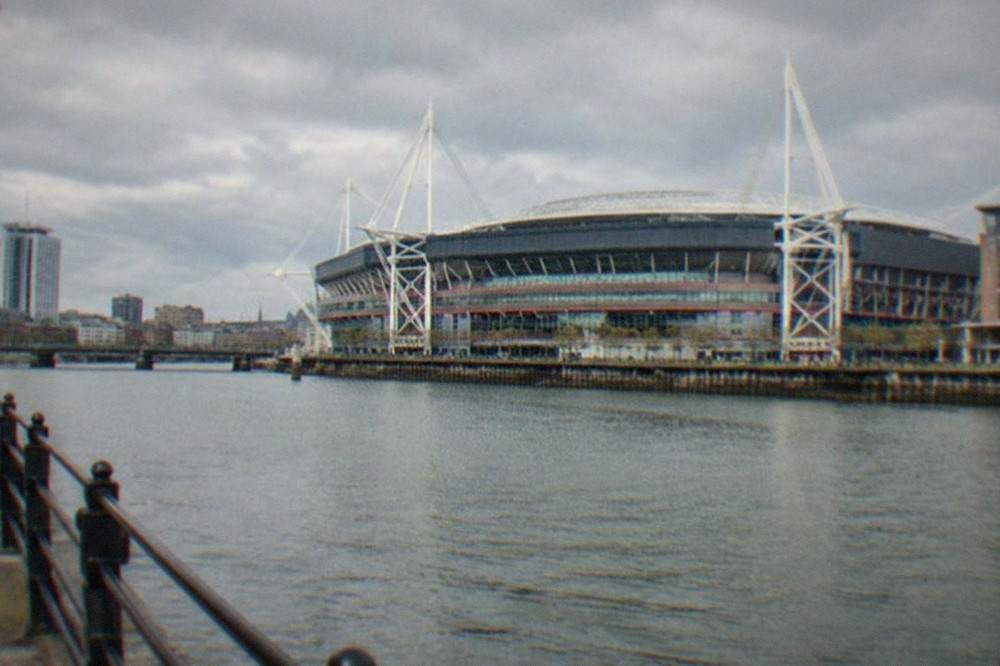
What surprises many first-time visitors is how compact the whole package is. The castle, the museum, the arcades and the stadium all sit within roughly fifteen minutes' walk of each other, and Cardiff Bay is a short hop by train or boat from the centre. You can read more about how the pieces fit together in the one day in Cardiff itinerary.
Why Is Cardiff Castle The City's Signature Landmark?
Cardiff Castle is the most famous single thing in Cardiff, and the most visited paid attraction in the city. Adult admission is £16, and the site layers a Roman fort, a Norman keep and lavish Victorian interiors into one walled enclosure in the city centre. Its Roman walls and the restored Animal Wall facing Bute Park are among the most photographed features in Wales.
The castle's own pricing and hours pages carry the current detail, and it is worth checking them before a visit because summer concert dates in 2026 brought early closures and some full closures. The standard summer opening runs to 18:00 with last entry at 17:00, and the castle closes on Christmas Day, Boxing Day and New Year's Day.
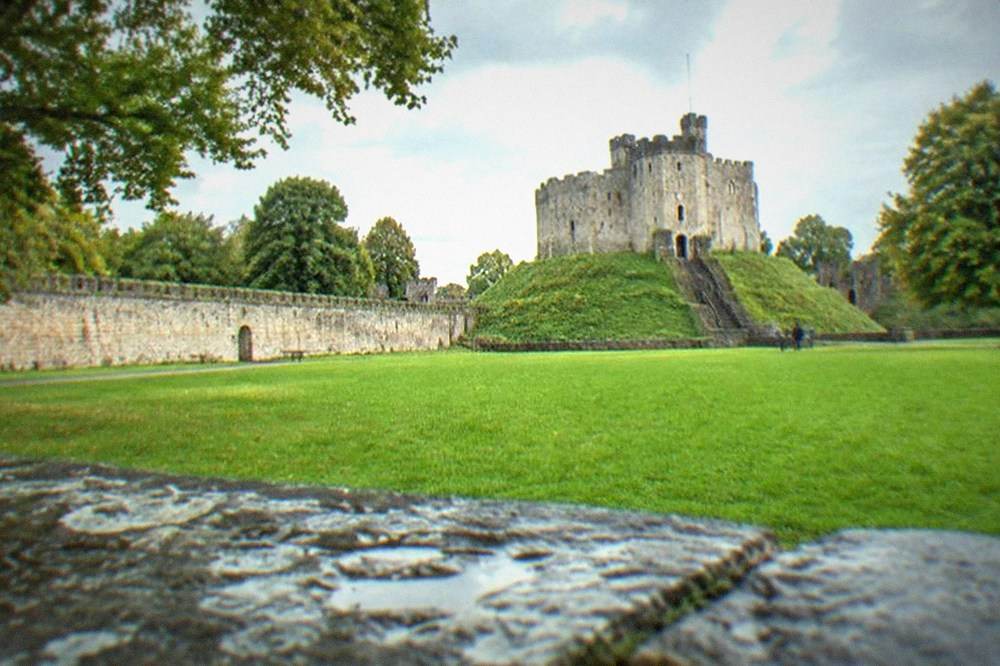
For visitors who want more than a self-guided wander, a dedicated connoisseur tour of the castle goes deeper into the apartments and the building's story. It currently shows 36 reviews on the live listing with no rating displayed, so read the recent feedback there rather than relying on a score. You can compare it with the standard visit on the Cardiff Castle guide page.
The trio above spans three sides of what Cardiff is famous for: the castle itself, the stadium that defines Welsh sport, and the television heritage that runs through the city streets. Each is a different way of touching the same story.
What Is Cardiff Famous For On Screen?
Cardiff is famous as the production base for the revived Doctor Who series, which has been filmed in and around the city since the show returned to screens, along with spin-offs and other BBC dramas. A dedicated Doctor Who walking tour runs about two hours and is rated 4.8 across 153 reviews, visiting filming locations around the city centre and Cardiff Bay.
The connection runs deeper than most visitors expect. The Wales Millennium Centre's distinctive copper-clad facade has appeared on screen so often that it functions as an unofficial landmark of the franchise, and the Bay area generally doubles as a standing set. The old Doctor Who Experience attraction in Cardiff Bay closed permanently in September 2017, so do not plan around it; the walking tours are the live way to engage with the legacy.
Screen tourism aside, the stadium next door carries its own fame. The Principality Stadium, known to many by its former Millennium Stadium name, is the home of the Wales national rugby union team, and a stadium tour costs £19.50 online for adults. For those who want a bigger adrenaline hit, a roof walk across the top of the stadium is rated 4.6 across 5 reviews and takes 90 minutes; the review pool is small, so read the recent feedback on the live listing before committing.
What Food And Drink Is Cardiff Known For?
Cardiff is known for a fast-rising restaurant scene anchored by Gorse in Pontcanna, the city's first Michelin-starred restaurant, and by traditional Welsh dishes: cawl, Welsh rarebit, laverbread and bara brith. In September 2026, Cardiff street food trader Cegin HalfnHalf became the first to hold Welsh, British and European street food titles simultaneously.
The city's food fame has two layers. The traditional layer is on the menus of places like The Welsh House near the castle, which serves a "Taste of Wales" sharing spread of Welsh cakes, lamb cawl and bara brith pudding. The modern layer is concentrated in Pontcanna and Canton, where Lofft, a 12-seat chef's counter that opened in February 2026, earned three AA rosettes and a Michelin Guide mention within months.
| What Cardiff is known for | Where it sits | The famous example |
|---|---|---|
| Welsh traditional cooking | City centre, near the castle | The Welsh House "Taste of Wales" menu |
| Fine dining | Pontcanna | Gorse, the city's first Michelin star |
| Chef's-counter tasting menus | Pontcanna | Lofft, three AA rosettes |
| Street food | Cathedral Road and markets | Cegin HalfnHalf, European champions |
| Victorian market halls | City centre | Cardiff Market, Mon-Sat 08:00-17:00 |
The Pontcanna and Canton neighbourhoods are where locals eat, and they are worth a visit in their own right. More on that in where locals eat in Cardiff.
Which Free Attractions Make Cardiff Stand Out?
Cardiff stands out for two free national museums: St Fagans National Museum of History, which recorded 570,207 visitors in 2025 and is Wales' most-visited attraction for the third consecutive year, and National Museum Cardiff, which drew 356,021 visits in the same year. Both are free to enter, funded by the Welsh Government, though St Fagans charges £7 for all-day parking.
St Fagans is an open-air museum of relocated historic buildings, craft demonstrations and farm animals on the city's western edge, open daily 10:00-17:00. In 2026 it was named the UK's best free-to-visit day out by Which?, scoring 94 per cent. National Museum Cardiff, in the grand civic centre, holds art including works by Turner and Monet alongside the Evolution of Wales natural history galleries; it opens Tuesday to Sunday 10:00-17:00 and closes on Mondays.
Beyond the museums, the Cardiff Bay Barrage, the Senedd and the Wales Millennium Centre foyer all carry no general admission fee, which makes the Bay one of the cheapest headline districts of any UK capital. The full list is in free things to do in Cardiff.
What Is Cardiff Famous For Beyond The City Centre?
Cardiff is famous as a gateway: the Bannau Brycheiniog, still widely known as the Brecon Beacons, National Park sits 40-50 miles and one to one and a half hours' drive away, the Gower Peninsula and Rhossili Bay are reachable on a day trip, and Caerphilly Castle, the largest castle in Wales, is a short train ride north. The city works as a base for all of them.
That gateway role is a genuine part of the city's fame rather than a footnote. Welsh rugby fans, Doctor Who pilgrims and cruise-ship day visitors all arrive through Cardiff, and a large share of them head out again into the valleys, the waterfalls or the coast. The contrast between the compact capital and the dramatic landscape an hour away is one of the defining experiences of visiting Wales.
| Famous day trip from Cardiff | Roughly what it is known for | Distance by road |
|---|---|---|
| Caerphilly Castle | Largest castle in Wales, adult admission £12.90 | Short hop north of the city |
| Bannau Brycheiniog (Brecon Beacons) | Mountains, waterfalls and Pen y Fan | 40-50 miles, 1-1.5 hours |
| Gower Peninsula and Rhossili Bay | Beaches, cliffs and Worm's Head | Under 2 hours |
| Barry Island | Seaside funfair and Whitmore Bay | 30 minutes |
For anyone planning to use the city this way, the best day trips from Cardiff page collects the full set with transport detail. This site, Cardiff Travel Guide, covers each of those destinations in depth.
Common Questions About What Cardiff Is Famous For
What is Cardiff famous for?
Cardiff is famous for Cardiff Castle, the Principality Stadium and Welsh rugby, the free National Museum Cardiff and St Fagans, its Victorian shopping arcades, the regenerated Cardiff Bay waterfront and its role as the filming base for Doctor Who.
What is the most famous thing in Cardiff?
Cardiff Castle is the most famous single landmark in the city, with 2,000 years of history from Roman fort to Victorian interiors and adult admission of £16.
What is the most visited place in Cardiff?
St Fagans National Museum of History, with 570,207 visitors in 2025, making it the most visited attraction in Wales for the third consecutive year. Entry is free, with parking at £7 for the day.
Is Cardiff famous for Doctor Who?
Yes. The revived series has been filmed in and around Cardiff since it returned to screens, and the Wales Millennium Centre and Cardiff Bay appear frequently on screen. Walking tours of the filming locations run regularly.
What food is Cardiff famous for?
Traditional Welsh dishes such as cawl, Welsh rarebit, laverbread and bara brith, plus a modern fine-dining scene led by Gorse, the city's first Michelin-starred restaurant.
Is Cardiff Bay worth seeing?
Yes. Cardiff Bay holds a 4.5 rating from thousands of traveller reviews, and the Barrage, the Senedd and the Wales Millennium Centre foyer are all free to visit.