What Is Wales Most Famous For?
Wales is famous for its castles, rugby, industrial heritage, Welsh-language culture and dramatic landscapes. This Cardiff-based guide explains what the country is known for and how to see it.
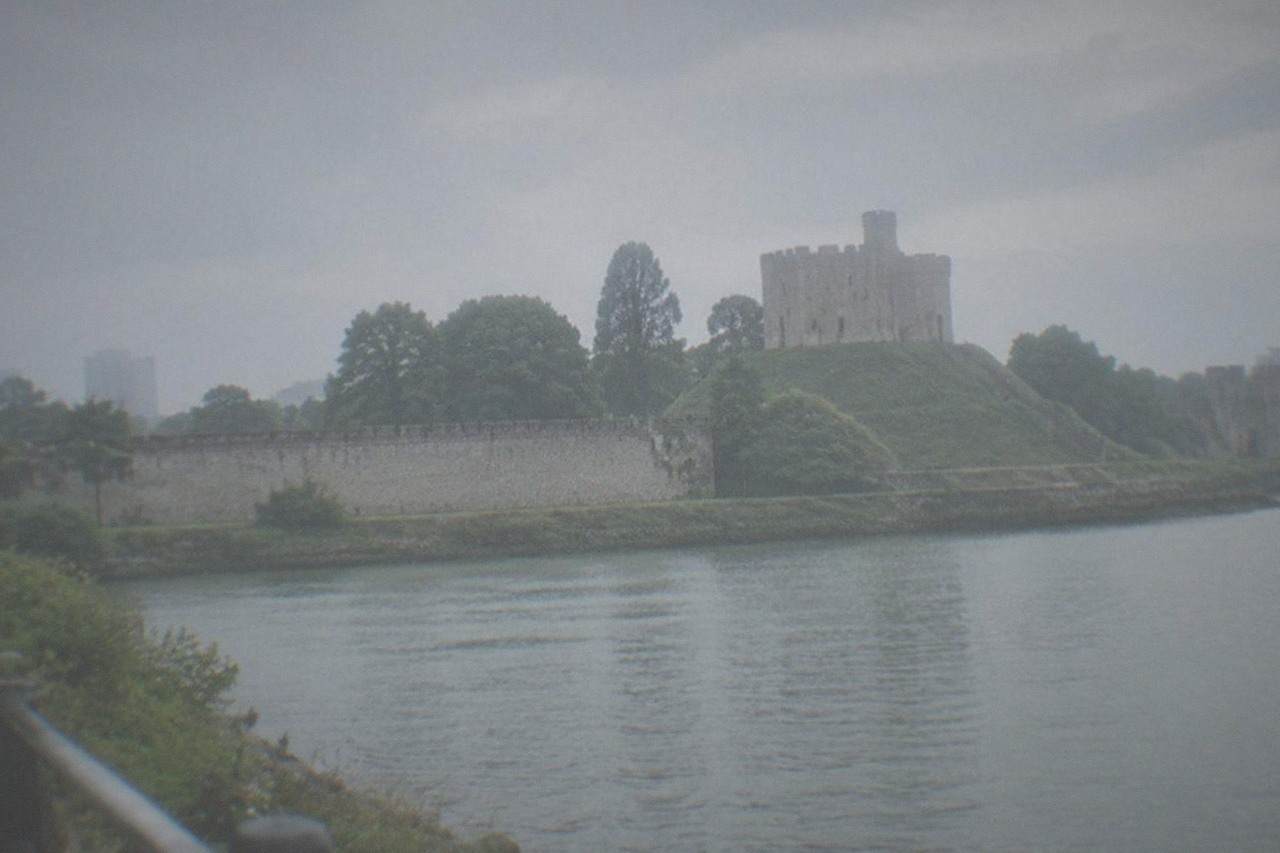
What Is Wales Most Famous For?
What Is Wales Most Famous For?
Wales is most famous for four things: its castles, rugby union, its coal-mining and industrial heritage, and its landscapes, from the Bannau Brycheiniog, still widely known as the Brecon Beacons, to the Gower coast. The Welsh language, one of Europe's oldest living languages, and dishes such as cawl and Welsh rarebit round out the picture. Cardiff sits at the centre of all of it, which makes the capital the easiest place to start.
Ask people abroad what they associate with Wales and the answers cluster predictably: castles, rugby, male voice choirs, valleys, rain and sheep. The reality is more interesting than the clichés, and most of it is reachable within a day of Cardiff.
The country punches above its weight in several areas. Caerphilly Castle, a short trip from the capital, is the largest castle in Wales and the second largest in Britain. St Fagans National Museum of History, on Cardiff's western edge, was named the UK's best free-to-visit day out in a 2026 Which? analysis and remains Wales' most visited attraction, with 570,207 visitors recorded in 2025. And the Welsh Rugby Union's home, Cardiff's Principality Stadium, is one of the most recognisable sporting venues in Europe.
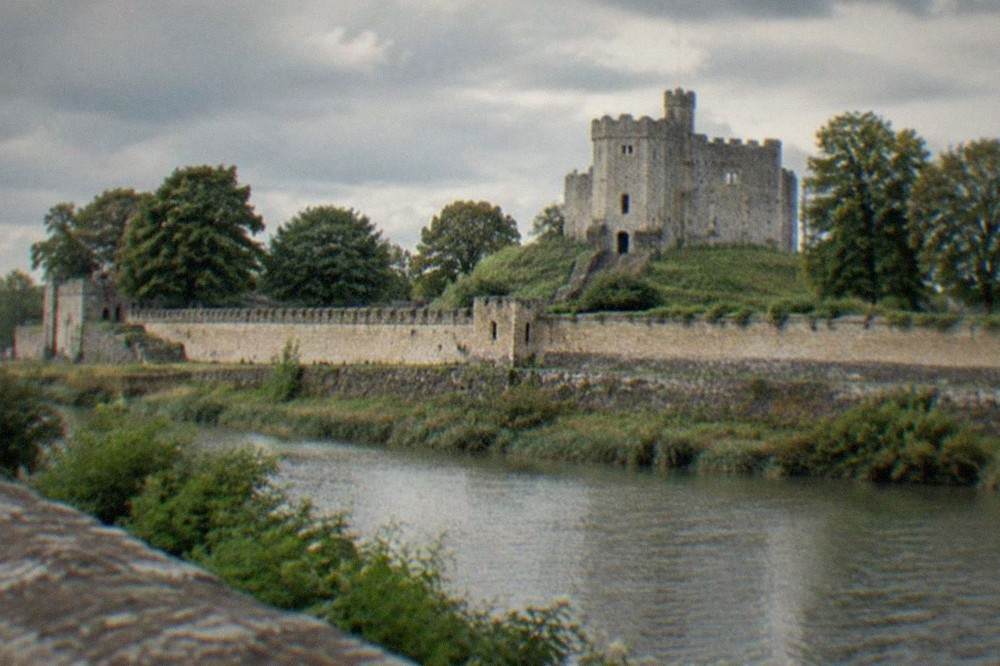
Here is the short version of what the country is known for, and where each strand of that fame sits relative to Cardiff.
| What Wales is famous for | Why it matters | Closest example to Cardiff |
|---|---|---|
| Castles | More castles per square mile than anywhere else in Europe, per Cadw | Cardiff Castle and Castell Coch |
| Rugby union | National sport, played at the Principality Stadium | Principality Stadium, city centre |
| Industrial heritage | Coal and iron shaped the south Wales valleys | Big Pit National Coal Museum, Blaenavon |
| Landscapes | National parks and a designated Area of Outstanding Natural Beauty coastline | Bannau Brycheiniog, 40-50 miles north |
| The Welsh language | A living Celtic language, spoken across the country | Bilingual signage everywhere in Cardiff |
If you want to sample several of these in a single day, guided options exist that bundle castles, mountains and heritage into one trip from the capital.
Why Is Rugby So Central To Welsh Identity?
Rugby union is treated in Wales less as a sport and more as an expression of national identity, and the Principality Stadium in Cardiff is its cathedral. The venue hosts Wales' home internationals, and match days transform the entire city centre. For visitors, the stadium is accessible even without a ticket, through guided tours priced at £19.50 for adults online.
The stadium stands a few minutes' walk from Cardiff Castle, and its retractable roof and sheer scale make it a landmark in its own right. On Six Nations weekends the city's pubs fill from mid-morning and the walk from the station becomes a slow-moving river of red shirts. Even the scheduling of city events bends around the fixture list, which is why anyone planning a spring visit to Cardiff should check the rugby calendar first.
For those who want more than the standard tour, the venue also offers high-adrenaline add-ons. The Stadium Walk roof experience, rated 4.6 across 5 reviews on the live listing, lets visitors walk the roofline of the stadium, while a zip line option crosses above the pitch. Both are weather-dependent and bookable in advance.
What Makes Welsh Castles So Distinctive?
Wales is often described as the castle capital of the world, with Cadw, the Welsh Government's heritage service, caring for dozens of them. The most famous cluster around Cardiff: Cardiff Castle itself in the city centre, Castell Coch in the woods to the north, and Caerphilly Castle, the largest in Wales, a short journey away. Adult admission runs £16 at Cardiff Castle, £10.40 at Castell Coch and £12.90 at Caerphilly, with 5% off for booking Cadw sites online.
The castles span several eras and purposes. Cardiff Castle's site includes Roman walls and a Norman keep, later dressed with lavish Victorian apartments. Caerphilly is a medieval fortress of water defences and leaning towers, and its Great Hall reopened after two years of conservation work. Castell Coch, the fairy-tale folly on the hillside above Tongwynlais, looks like something from an illustration but was a serious Victorian country residence.
| Castle | Adult admission | Distance from Cardiff centre | Notes |
|---|---|---|---|
| Cardiff Castle | £16 | In the city centre | Roman walls, Norman keep, Victorian apartments |
| Castell Coch | £10.40 | Approx. 5 miles | Cadw site, 5% off booked online |
| Caerphilly Castle | £12.90 | Approx. 8 miles | Largest castle in Wales, joint Cadw ticket available |
Cadw's own pages carry the current seasonal hours for Caerphilly Castle and the other sites, and they close over Christmas, so check before travelling in late December.
Visitors who want the castle experience with a guide rather than a self-guided wander have options in the capital itself. The Cardiff Castle Connoisseur Tour is built around a deeper guided look at the castle than the standard admission allows, and it has drawn 36 reviews on the live listing so far. Our Cardiff Castle visitor guide covers what the standard ticket includes if you would rather explore independently.
What Is Wales Famous For In Food?
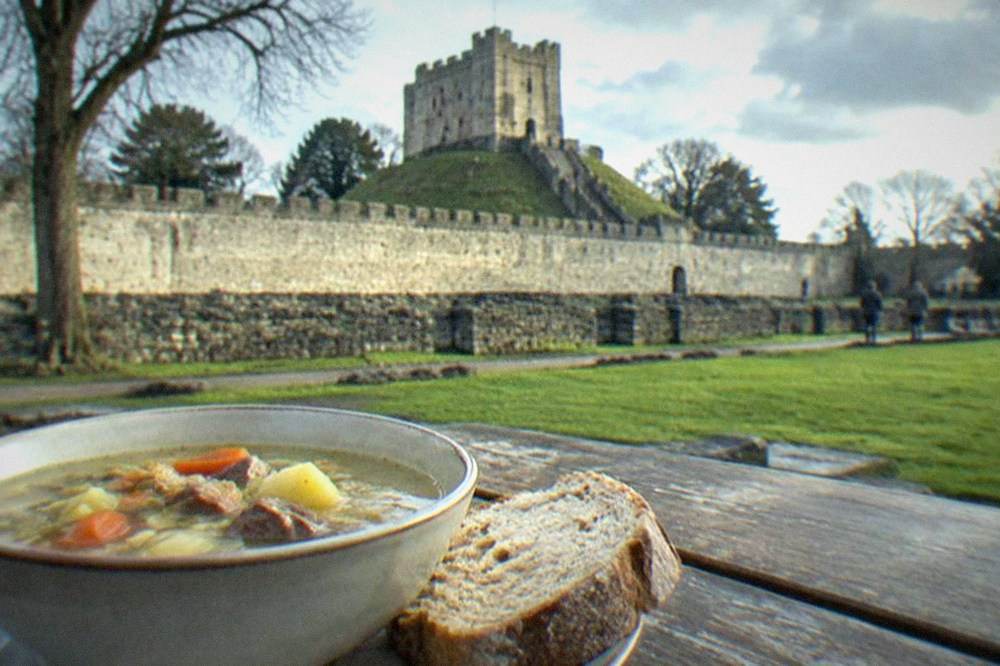
Wales is famous for hearty traditional dishes: cawl, a lamb and root vegetable broth; Welsh rarebit; laverbread, made from seaweed; and bara brith, a fruited tea loaf. The modern scene has added a Michelin star to that list, with Gorse in Cardiff's Pontcanna district becoming the city's first Michelin-starred restaurant, and Welsh lamb and Gower salt marsh lamb carrying a strong reputation of their own.
The old dishes are still the ones visitors ask for, and they are easy to find in the capital. Cardiff Market, the Victorian cast-iron market hall in the centre, has served traditional Welsh fare to shoppers for generations, and pubs around the castle serve cawl in the colder months. The Welsh food in Cardiff guide maps out where to find each dish.
The newer story is the one that surprises people. Cardiff now has a Michelin-starred restaurant, a string of Michelin Guide mentions across Pontcanna and Canton, and in 2026 a Cardiff street food trader, Cegin HalfnHalf, became the first to hold Welsh, British and European street food titles simultaneously. The capital's food reputation has moved well beyond rarebit. The rest of the planning pages sit on Cardiff Travel Guide.
Which Welsh Landscapes Do Visitors Travel For?
Wales is famous for two flagship landscapes: the mountainous Bannau Brycheiniog, still widely known as the Brecon Beacons, 40-50 miles or a 1-1.5 hour drive from Cardiff, and the Gower Peninsula, Britain's first Area of Outstanding Natural Beauty, with Rhossili Bay among its best-known beaches. Both are realistic day trips from the capital, and both define the postcard version of Wales.
The national park's name changed officially to Bannau Brycheiniog, and the Welsh name now appears first on most official material, though the English name remains in wide everyday use. Within the park, Pen y Fan is the highest peak in southern Britain and the most climbed, while the Four Waterfalls Walk in the Mellte valley is the park's signature low-level route. The Central Beacons Mountain Rescue Team recorded 182 callouts in 2025, its busiest year in 62 years of operation, a reminder that the hills deserve proper clothing and a map even in summer.
The Gower, west of Swansea, delivers the coastal half of the picture. Rhossili Bay, at its western tip, is repeatedly ranked among Britain's best beaches, and the National Trust car park there charges £4 for up to two hours or £8 for longer stays. The Worm's Head tidal causeway at Rhossili is closed to access from 1 February to 31 July each year to protect nesting seabirds, which catches out summer visitors who do not check in advance. Our Bannau Brycheiniog day trip guide covers the mountain side in detail.
How Big Is Welsh Tourism, Really?
Wales recorded 7.76 million overnight trips by GB residents in 2025, with provisional spending of £2.30 billion, alongside 59.22 million tourism day trips worth £2.84 billion, according to Welsh Government figures. Those are Wales-wide numbers, not Cardiff figures, but they show a country that draws visitors at a scale many people underestimate. St Fagans alone out-drew most paid attractions in Britain.
The free-entry museum network is a genuinely distinctive part of the Welsh offer. Amgueddfa Cymru, the national museum body, runs seven sites across the country, and the two Cardiff ones alone account for close to a million visits a year. The St Fagans visit page carries current opening details, and the Welsh Government's 2025 provisional tourism statistics are published in full for anyone who wants the underlying figures.
Common Questions About What Wales Is Most Famous For
What Is Wales Most Famous For?
Wales is most famous for its castles, rugby union, coal-mining heritage, dramatic landscapes and the Welsh language. Cardiff, the capital, is the easiest base for all five, with Cardiff Castle in the city centre, the Principality Stadium next door, and the Bannau Brycheiniog and Gower Peninsula both reachable on a day trip.
What Is The Number One Tourist Attraction In Wales?
St Fagans National Museum of History in Cardiff is Wales' most visited attraction, recording 570,207 visitors in 2025, its third consecutive year at the top. Entry is free, funded by the Welsh Government, though parking costs £7 per day.
Which Castle Is The Most Famous In Wales?
Caerphilly Castle is the largest in Wales and the second largest in Britain, while Cardiff Castle is the most visited and the most centrally located. Conwy and Caernarfon in North Wales are the most internationally famous, but from Cardiff the easiest big-name castles are Cardiff, Castell Coch and Caerphilly.
Is The Welsh Language Still Spoken?
Yes. Welsh is a living Celtic language spoken across the country, with bilingual signage standard throughout Cardiff and the rest of Wales. Place names such as Bannau Brycheiniog, the official name of the Brecon Beacons national park, reflect its everyday presence.
What Food Is Wales Famous For?
Cawl, Welsh rarebit, laverbread, Welsh lamb and bara brith are the traditional answers. The modern answer includes Gorse in Cardiff, the city's first Michelin-starred restaurant, and a growing Michelin Guide presence across the Pontcanna and Canton districts.